The Alarming Evolution of Klebsiella pneumoniae: A Case Study
A woman's urinary tract infection led to a rare case of bacterial evolution, showcasing the emergence of hypervirulent strains of Klebsiella pneumoniae that invaded her brain. This article explores the implications of heterovirulence and the evolving landscape of infections.

In a striking example of how infections can evolve and adapt within a patient, a 63-year-old woman experienced a serious health crisis that began with a seemingly ordinary urinary tract infection (UTI). Two years after her initial diagnosis, she was hospitalized with alarming symptoms, including the sudden loss of vision in her right eye. The diagnosis that followed would reveal a complex and concerning case of bacterial evolution that offers new insights into the behavior of Klebsiella pneumoniae, a bacterium known for its role in various healthcare-associated infections.
This case, documented in the New England Journal of Medicine, highlights the phenomenon of heterovirulence, where different strains of the same bacterium exhibit varying levels of virulence. This is not just a story of one woman's medical journey but a reflection of broader trends in infectious disease management, antibiotic resistance, and the urgent need for advanced diagnostic tools in clinical settings.
The Initial Diagnosis: A UTI Turned Serious
The woman first presented to the hospital with symptoms consistent with a UTI, which is a common infection caused by bacteria entering the urinary tract. Klebsiella pneumoniae, a bacterium that typically resides in the gastrointestinal tract, is known to cause UTIs, particularly in individuals with compromised health or underlying conditions.
Upon examination, doctors performed magnetic resonance imaging (MRI) scans that revealed not only inflammation in the woman's right eye but also lesions in her brain, specifically within the parietal lobe, a critical area for sensory processing. The presence of these brain lesions raised immediate concerns about a brain abscess, a severe complication that can arise from systemic infections.
Identifying the Bacterial Culprit
As the medical team worked diligently to understand the situation, laboratory analyses of her blood and urine samples indicated the presence of Klebsiella pneumoniae. The next step involved a brain biopsy, during which the surgical team discovered pus indicative of an infection. However, what they found next would change the trajectory of the case.
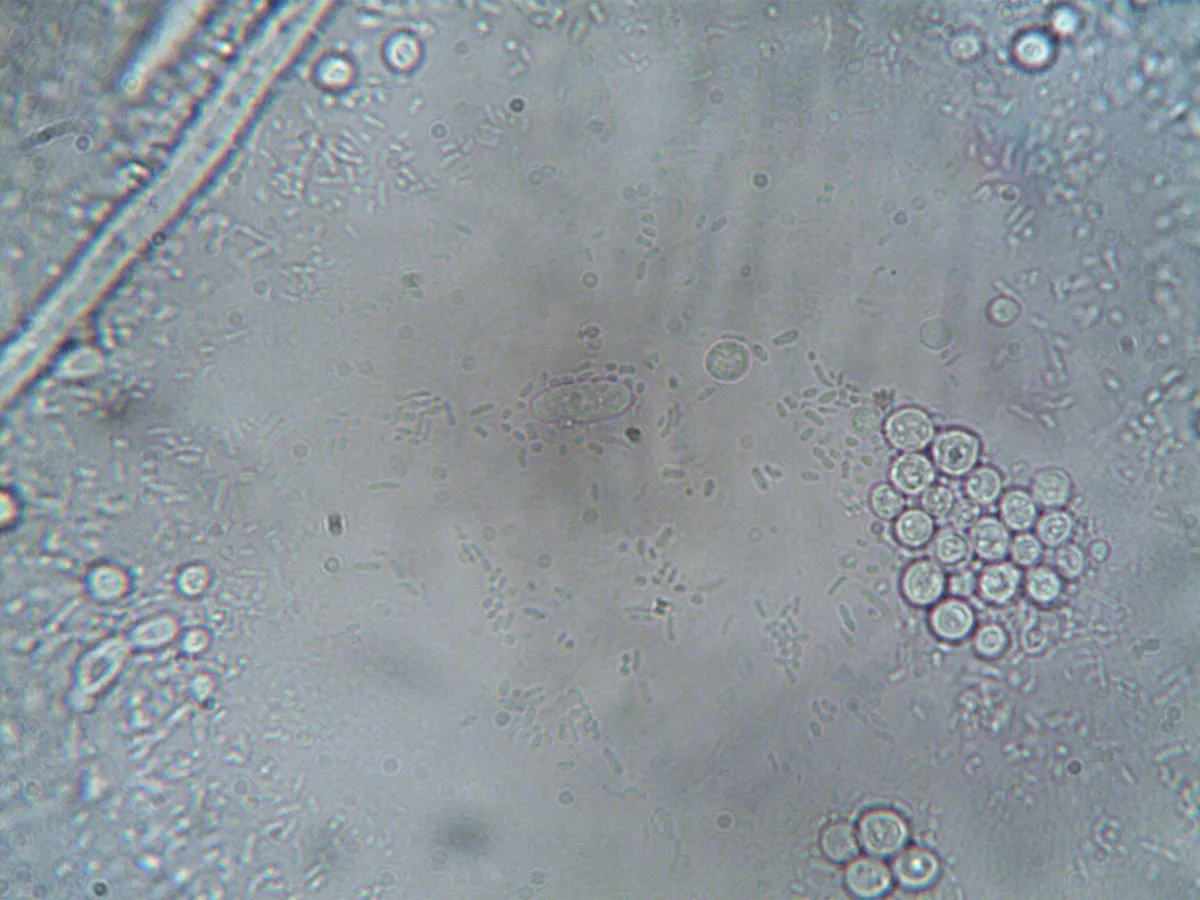
While all samples tested positive for Klebsiella pneumoniae, the characteristics of the bacteria varied significantly. The initial urine sample contained typical strains of the bacterium, but subsequent analyses of the second urine sample and the brain biopsy revealed a striking difference: these bacteria were encased in thick, sticky capsules, making them hypervirulent.
Key Findings:- The initial urine sample showed normal Klebsiella pneumoniae characteristics.
- The brain sample and second urine sample contained hypervirulent strains with thick capsules.
- The hypervirulent strains were lethal in animal models, whereas normal strains were not.
The Mechanism of Hypervirulence
The hypervirulent strains of Klebsiella pneumoniae were able to evade the body’s immune response more effectively than their normal counterparts. The thick capsule surrounding these bacteria provided a protective barrier that prevented immune cells, such as macrophages, from effectively targeting and eliminating the infection.
Further investigations into the genetic makeup of the bacteria revealed that while all three samples were closely related, the hypervirulent strains possessed specific mutations in genes responsible for capsule production. These mutations allowed the bacteria to thrive in environments that typically would be hostile to them, such as the bloodstream and brain.
Understanding Heterovirulence in Bacterial Evolution
While bacterial evolution within a host is not a new phenomenon, the emergence of heterovirulence presents a unique challenge for healthcare providers. Traditionally, bacterial populations evolve through mechanisms like heteroresistance, where some strains develop resistance to antibiotics while others do not. However, in this case, the hypervirulent bacteria exhibited a unique advantage for spreading to distant body sites, despite having disadvantages in other environments, such as the urinary tract.
This highlights a complex interplay between different bacterial strains within a single host. The initial UTI provided a reservoir for the bacteria, which later evolved to become more virulent and capable of causing severe complications like a brain abscess.
Clinical Implications and Future Considerations
The implications of this case extend beyond the individual patient. As Klebsiella pneumoniae and other bacteria continue to adapt and evolve, healthcare providers must remain vigilant in monitoring the emergence of hypervirulent strains. This case underscores the need for:
- Enhanced Diagnostic Tools: Rapid and accurate identification of bacterial strains can help tailor appropriate treatments and prevent complications.
- Surveillance and Reporting: Ongoing surveillance of bacterial infections can help identify trends in virulence and resistance patterns.
- Research on Bacterial Evolution: Understanding the mechanisms of bacterial evolution can inform the development of new therapeutic strategies.

Key Takeaways
- A case of a 63-year-old woman illustrates the evolution of Klebsiella pneumoniae from a UTI to a brain infection.
- This case highlights the emergence of hypervirulent strains that can evade the immune system.
- Enhanced diagnostic and surveillance measures are essential for managing evolving bacterial infections.

Frequently Asked Questions
What is Klebsiella pneumoniae, and why is it significant?
Klebsiella pneumoniae is a bacterium commonly found in the gastrointestinal tract but can cause various infections, particularly in healthcare settings. Its significance lies in its potential to cause severe infections, including pneumonia, UTIs, and abscesses, especially in immunocompromised individuals. This case exemplifies how it can evolve into more virulent forms, posing a greater threat to patient health.
How do bacteria develop hypervirulence?
Bacteria can develop hypervirulence through genetic mutations that enhance their ability to evade the immune system, adhere to host tissues, or spread to other body sites. In this case, mutations in genes responsible for capsule production allowed Klebsiella pneumoniae to become more virulent and capable of causing severe infections, like a brain abscess.
What are the treatment implications for hypervirulent bacteria?
Treatment for infections caused by hypervirulent bacteria may involve the use of antibiotics, but the effectiveness can vary based on the strain's characteristics. In this case, the bacteria were susceptible to antibiotics, allowing for successful treatment. However, the emergence of hypervirulent strains necessitates ongoing research and the development of new therapeutic approaches to combat evolving infections.
Comments
Bridging the Agent Security Gap: AI Incidents on the Rise
A significant number of enterprises are facing security incidents involving AI agents. Despite this, many organizations lack the necessary controls to mitigate these risks, raising serious concerns about the future of AI security.

Related articles







Popular in Cybersecurity
- Federal Mandate for Autonomous Vehicles: A Call for Safety Compliance
- EU Mandates Google to Share Data and Open AI on Android: What It Means
- GitHub Revamps Bug Bounty Program: Implications for Developers and Security
- Australian Government Disables Thousands of Functional Broadband Routers: A Wasteful Decision
- Exploiting Redis: Understanding Zero-Day Vulnerabilities and Their Mitigation