Surge in Cyclospora Outbreaks: FDA Investigates 72 New Cases
The FDA is investigating a new outbreak of Cyclospora, with 72 cases reported amid a troubling surge in foodborne illnesses. This article explores the implications and ongoing challenges in combating such outbreaks.
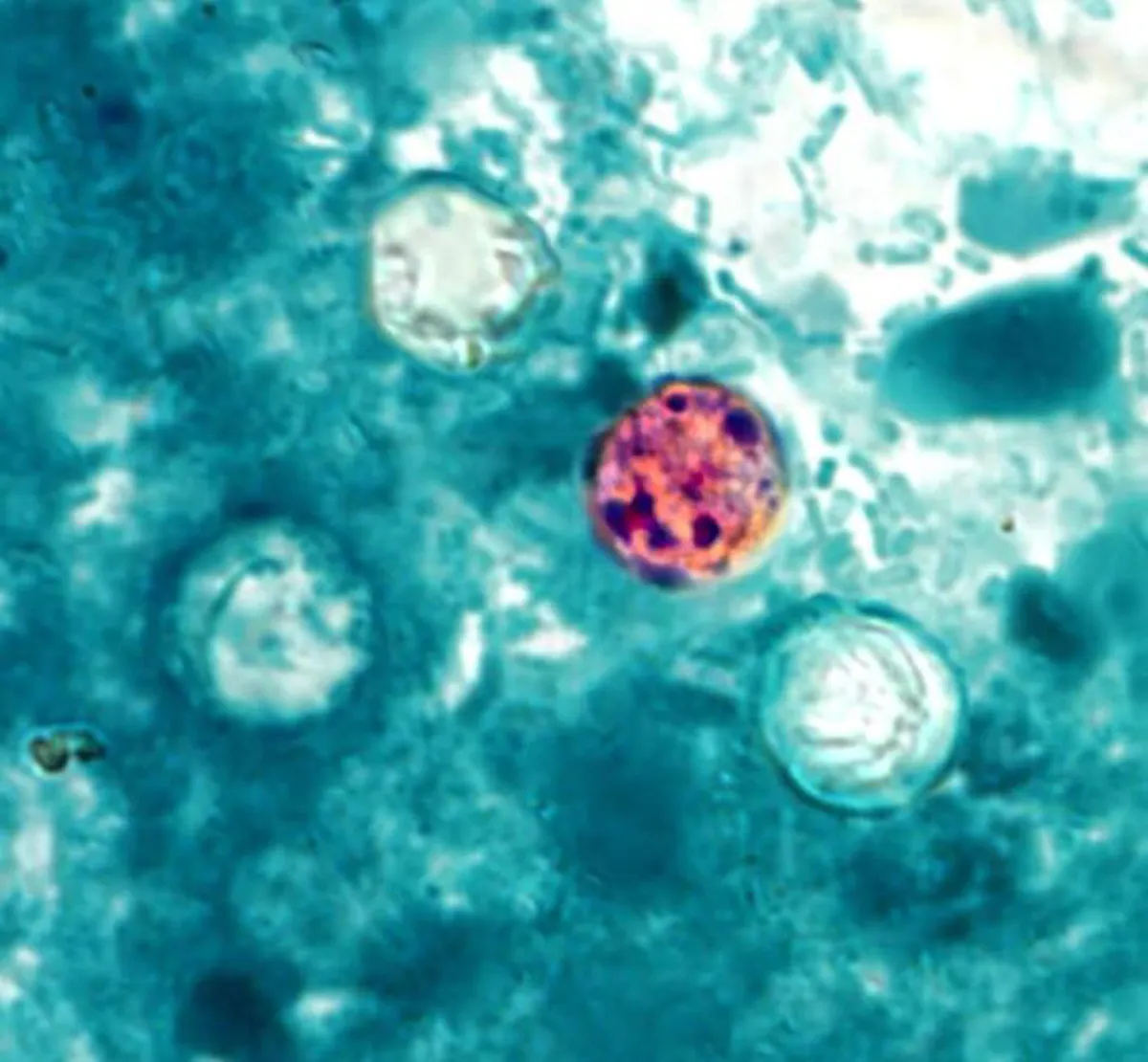
The landscape of foodborne illnesses in the United States continues to waver precariously, as the Food and Drug Administration (FDA) has announced yet another outbreak of Cyclospora, a unicellular parasite known for causing explosive diarrhea. The latest data indicates that 72 new cases have been identified, contributing to a staggering total of over 11,500 reported cases of Cyclospora infections nationwide this year alone. This alarming surge highlights the urgent need for vigilance and effective public health responses.
The recent announcement marks the sixth Cyclospora outbreak the FDA has launched an investigation into this year. To contextualize this figure, it is essential to note that the Centers for Disease Control and Prevention (CDC) typically reports between 2,000 to 5,000 cases annually. As of now, the CDC has confirmed over 4,173 cases, with the remainder being labeled probable. Among these cases, 308 individuals have been hospitalized, though thankfully, no deaths have occurred. The sheer scale of these numbers underscores a disturbing trend in foodborne illness outbreaks that demands attention from consumers, food producers, and regulatory agencies alike.

Understanding Cyclospora and Its Impact
Cyclospora cayetanensis is a protozoan parasite that primarily spreads through contaminated food or water. The illness it causes, cyclosporiasis, is characterized by severe diarrhea, often accompanied by other gastrointestinal symptoms such as nausea, vomiting, and fatigue. The incubation period for Cyclospora can range from a few days to a week, making it difficult to trace back to specific sources once outbreaks occur.
Historical Context
The rise in Cyclospora outbreaks is concerning, particularly given that the U.S. has seen a notable increase in foodborne illnesses over the past few years. The CDC reports that Cyclospora infections are not only rising in frequency but are also becoming more severe. Factors contributing to this include changes in food sourcing, supply chain complexities, and the environmental conditions that favor the parasite's survival.
Recent Outbreak Investigations
The FDA has not yet disclosed the geographic details or specific linkage of the new 72 cases to a common food source. This lack of information is a concern, as the agency's traceback investigations are crucial for identifying the source of infection and preventing further cases. However, earlier this month, it was revealed that one of the previous outbreaks was linked to shredded iceberg lettuce sourced from Mexico and distributed by Taylor Farms. This contaminated lettuce was served at various Taco Bell locations across five states, leading to multiple hospitalizations.
Consumer Confusion and Food Safety
In light of this recent outbreak, a recall was issued by Taylor Farms, yet the details provided were vague, leaving consumers in the dark about where the contaminated products were sold. Reports indicate that the iceberg lettuce was distributed to 27 states and sold at major retailers like Walmart, as well as food distributors such as Sysco and US Foods. This lack of transparency complicates the public's ability to assess their risk and make informed food choices.
Challenges Faced by Regulatory Agencies
The FDA and CDC are facing increasing pressures and limitations in their capacity to manage and respond to foodborne illness outbreaks. Budgetary constraints and staffing cuts have hindered their ability to conduct thorough investigations and provide timely information to the public. In addition to the six Cyclospora outbreaks this year, the FDA is currently handling 10 other open investigations related to various foodborne pathogens, including Salmonella, E. coli, and Listeria monocytogenes.
Public Health Implications
The implications of these challenges are widespread. With thousands of reported cases, the strain on healthcare systems is evident, as hospitals grapple with treating gastrointestinal illnesses that can lead to severe complications. Moreover, the economic impact on food suppliers and distributors can be significant, particularly if consumer confidence declines due to repeated outbreaks.
Key Takeaways
- The FDA is investigating 72 new cases of Cyclospora, part of a troubling rise in foodborne illnesses.
- Over 11,500 cases of Cyclospora have been reported in the U.S. this year, dramatically exceeding annual averages.
- Recent outbreaks have been linked to contaminated produce, highlighting vulnerabilities in the food supply chain.
- Regulatory agencies are facing challenges due to budget cuts and staffing shortages.
- Consumers are encouraged to stay informed about food safety recalls and outbreaks to protect their health.

Frequently Asked Questions
What is Cyclospora, and how does it spread?
Cyclospora cayetanensis is a microscopic parasite that can cause gastrointestinal illness known as cyclosporiasis. It primarily spreads through contaminated food or water, typically involving fresh produce such as fruits and vegetables that have been contaminated during growth, harvesting, or distribution. Symptoms can include severe diarrhea, nausea, and fatigue, which may last for weeks if left untreated.
How can consumers protect themselves from foodborne illnesses?
Consumers can take several steps to minimize their risk of foodborne illnesses, including thoroughly washing all fruits and vegetables, cooking food to appropriate temperatures, and staying informed about food recalls and outbreak investigations. It is also advisable to pay attention to food safety advisories issued by health authorities and to report any suspected cases of foodborne illnesses to local health departments.
What should I do if I suspect I have a foodborne illness?
If you suspect that you have contracted a foodborne illness, it is crucial to seek medical attention, especially if you experience severe symptoms like persistent vomiting or dehydration. Keeping a record of what you have eaten and when can help healthcare providers identify potential sources of infection. Additionally, reporting your illness to local health authorities can assist in tracking outbreaks and preventing further cases.
Comments
Bridging the Agent Security Gap: AI Incidents on the Rise
A significant number of enterprises are facing security incidents involving AI agents. Despite this, many organizations lack the necessary controls to mitigate these risks, raising serious concerns about the future of AI security.

Related articles







Popular in Cybersecurity
- Federal Mandate for Autonomous Vehicles: A Call for Safety Compliance
- EU Mandates Google to Share Data and Open AI on Android: What It Means
- GitHub Revamps Bug Bounty Program: Implications for Developers and Security
- Australian Government Disables Thousands of Functional Broadband Routers: A Wasteful Decision
- Exploiting Redis: Understanding Zero-Day Vulnerabilities and Their Mitigation