Firefighting Drones: A New Weapon Against Year-Round Wildfires
As wildfires become a persistent threat due to climate change, innovative firefighting drones are being tested to provide rapid response in combating these devastating blazes. This article explores their potential and the technology behind them.
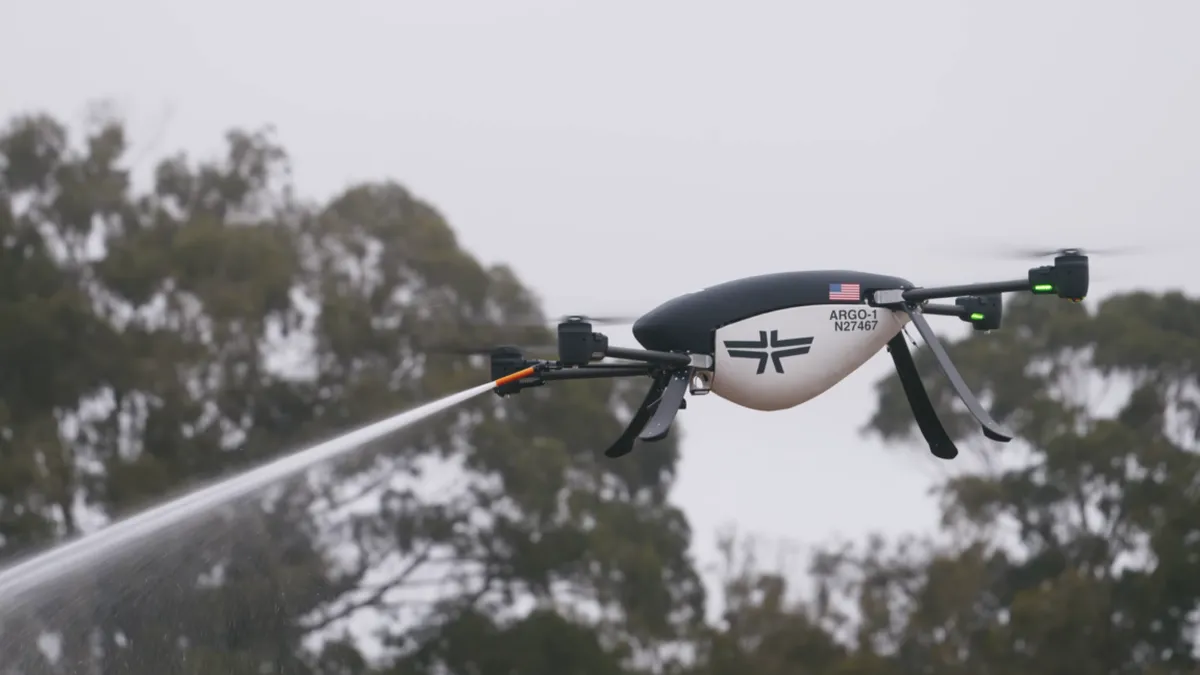
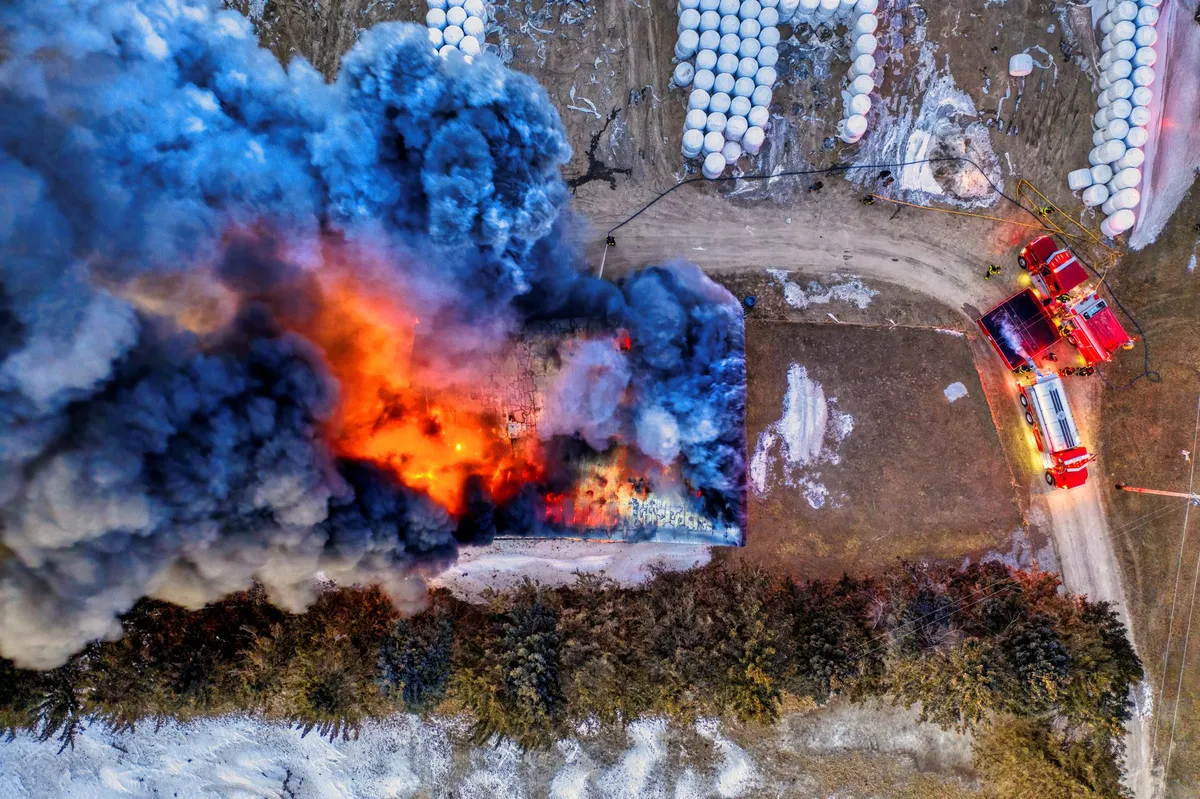
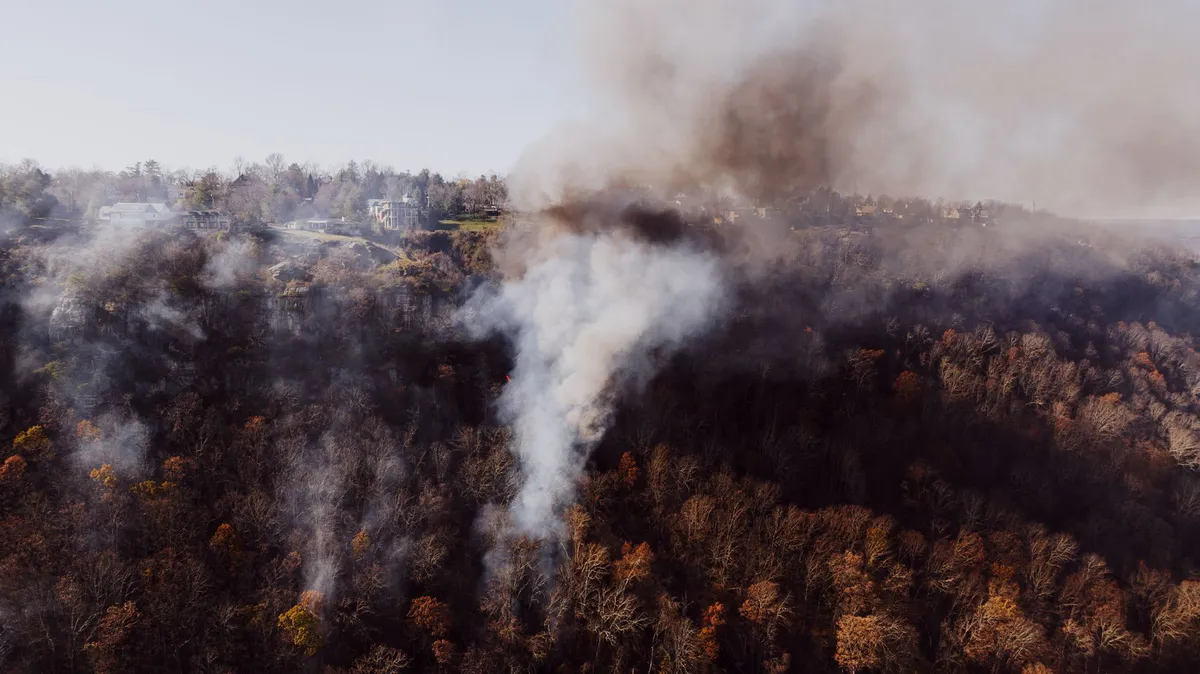
In recent years, the United States has witnessed an alarming increase in the frequency and intensity of wildfires, a trend exacerbated by climate change. Traditionally, wildfire seasons have been confined to the summer months, but these once-predictable patterns are shifting, resulting in nearly year-round fire risks across many regions. In response to this pressing challenge, innovative technologies are emerging, particularly in the form of firefighting drones. These unmanned aerial vehicles (UAVs) are now undergoing rigorous tests in states like California and Alaska, demonstrating their potential as a rapid-response tool in the battle against wildfires.
Firefighting drones are designed to carry and deploy water and fire retardants, offering a means to quickly address small fires before they spiral out of control. While these drones cannot match the payload capacity of traditional crewed aircraft, which deliver thousands of gallons of water and fire-suppressing materials, their agility and responsiveness could significantly enhance firefighting efforts. With the backing of various fire agencies and the XPRIZE competition, these UAVs are being evaluated for their effectiveness in wildland firefighting scenarios.
The Role of Drones in Modern Firefighting
The California Department of Forestry and Fire Protection (CAL FIRE) has been at the forefront of testing these innovative firefighting drones. In a recent demonstration, five autonomous drones collaborated to deploy a combined total of 500 to 1,000 gallons of fire-suppressing foam over a designated area. This field test, conducted on July 15, showcased the potential of drones to work in tandem with traditional firefighting crews, thereby increasing efficiency and response times.
Collaborative Efforts
This initiative was organized in collaboration with the nonprofit organization FireWERX and the aerospace company Seneca, which is set to release these drones commercially by 2026. The partnership highlights the importance of combining technological innovation with practical firefighting needs, a synergy that could pave the way for more effective wildfire management strategies.
Understanding Drone Capabilities
While firefighting drones offer promising capabilities, it is essential to understand their limitations. Most models are significantly smaller than conventional air tankers, which limits their operational range and payload capacity. Typically, large airtankers can carry upwards of 3,000 gallons of water, while drones currently operate within a much smaller scale. However, the advantages of drones lie in their ability to be deployed rapidly and their potential to access remote areas that may be challenging for traditional firefighting methods.
Key Features of Firefighting Drones
- Autonomous Operation: Many drones used in firefighting can operate autonomously, allowing them to execute missions without direct human control.
- Real-time Data Collection: Equipped with cameras and sensors, these drones can gather valuable data on fire behavior, helping to inform firefighting strategies.
- Reduced Risk to Personnel: By deploying drones in the initial stages of a fire, the risk to human firefighters can be minimized.
- Cost-Effectiveness: Drones may offer a more affordable alternative to traditional aerial firefighting methods, potentially reducing operational costs.
Market Context and Future Implications
The integration of drones into firefighting efforts is not just a technological advancement; it reflects a broader trend in the firefighting industry where innovative solutions are sought to meet the challenges posed by climate change. The XPRIZE competition, which has allocated a staggering $11 million to encourage the development of firefighting drones, underscores the urgent need for new methodologies in wildfire management.
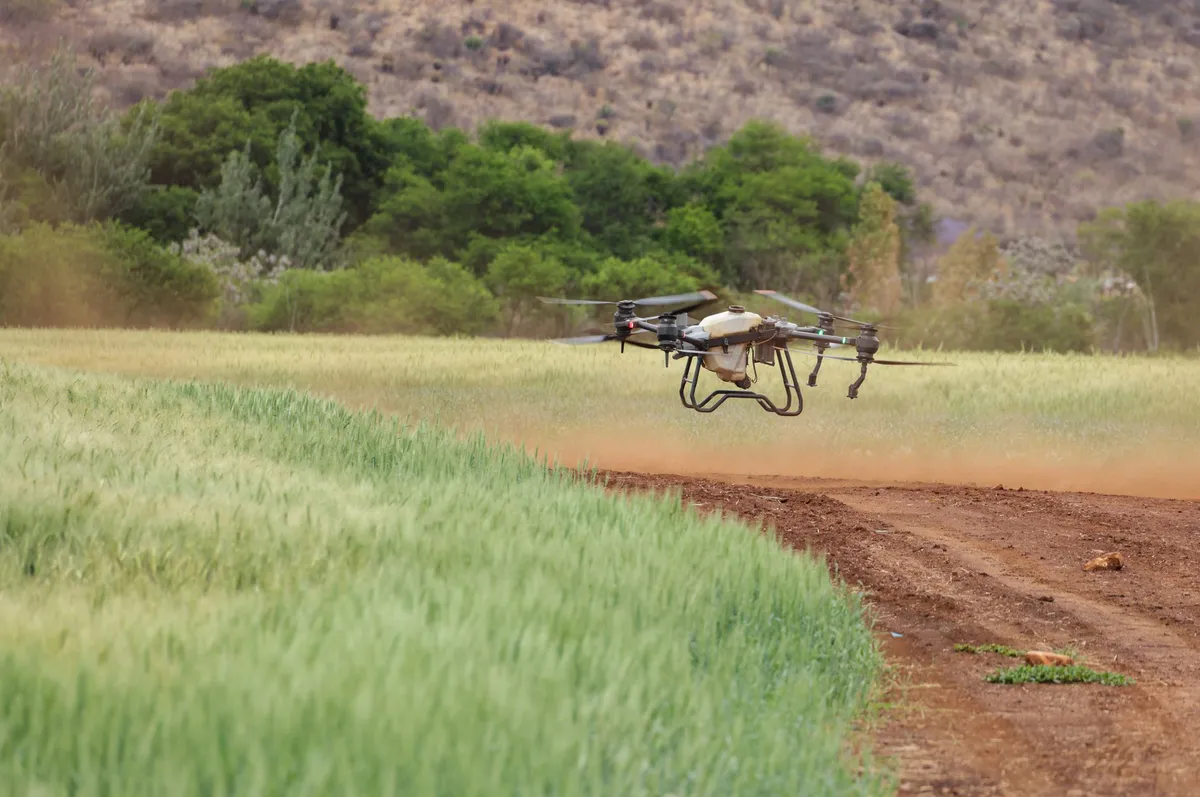
As climate change continues to alter weather patterns and prolong dry seasons, the demand for efficient firefighting solutions will only increase. This creates a burgeoning market for drone technology, with potential benefits extending beyond firefighting to other sectors such as agriculture, infrastructure monitoring, and search and rescue operations.
Challenges Ahead
Despite the promise that firefighting drones hold, several challenges remain. Regulatory hurdles, including airspace restrictions and operational guidelines, must be navigated to ensure safe and effective use. Additionally, the development of advanced technologies, such as longer battery life and enhanced payload capabilities, is critical for the future viability of drones in firefighting operations.
Moreover, there is the question of training. Firefighters will need to be educated not only on how to operate these drones but also on how to interpret the data they collect effectively. This requires a shift in training paradigms within fire departments nationwide.
Key Takeaways
- Firefighting drones are emerging as a critical tool in addressing year-round wildfire risks exacerbated by climate change.
- Drones can be deployed quickly to tackle small fires, potentially preventing larger disasters.
- Collaborative initiatives, such as those involving CAL FIRE, FireWERX, and Seneca, are vital for advancing drone technology in firefighting.
- Challenges, including regulatory issues and the need for advanced technologies, must be addressed for successful implementation.
Frequently Asked Questions
What are the primary advantages of using drones in firefighting?
Firefighting drones offer several advantages, including rapid deployment, the ability to access remote areas, and the potential to collect real-time data on fire behavior. Their autonomous capabilities help reduce the risk to human firefighters during initial fire response efforts, making them a valuable addition to traditional firefighting strategies.
How do firefighting drones compare to traditional aerial firefighting methods?
While traditional aerial firefighting methods involve larger aircraft capable of carrying significant water payloads, drones are smaller and typically carry less water. However, their agility allows for quicker responses to smaller fires and provides critical data that can enhance overall firefighting operations.
What challenges do firefighting drones face in the field?
Firefighting drones encounter various challenges, including regulatory restrictions on airspace and the need for advanced technology to improve battery life and payload capacity. Additionally, proper training for firefighters to operate these drones and interpret their data is essential for effective integration into firefighting efforts.
What does the future hold for firefighting drones?
The future of firefighting drones looks promising, with ongoing advancements in technology and increasing recognition of their potential benefits. As climate change continues to impact wildfire seasons, the demand for efficient firefighting solutions is expected to grow, leading to further investment and innovation in drone technology.
Comments
AI Breaches and the Evolution of Incident Response: Lessons from Hugging Face
The recent breach at Hugging Face reveals critical flaws in AI-driven security measures. This article explores the implications for incident response and the future of AI safety in cybersecurity.

Related articles







Popular in Cybersecurity
- Federal Mandate for Autonomous Vehicles: A Call for Safety Compliance
- EU Mandates Google to Share Data and Open AI on Android: What It Means
- GitHub Revamps Bug Bounty Program: Implications for Developers and Security
- Australian Government Disables Thousands of Functional Broadband Routers: A Wasteful Decision
- Exploiting Redis: Understanding Zero-Day Vulnerabilities and Their Mitigation