Police Misconduct: Deputy Charged for Inappropriate Photos of Detainees
A Bucks County deputy sheriff faces serious allegations after using his iPhone to take inappropriate photos of nude prisoners. This incident raises critical questions about privacy, misconduct, and accountability in law enforcement.

In a shocking incident that underscores the ongoing concerns regarding police accountability and ethical conduct, Deputy Sheriff Ryan Gaffney of Bucks County, Pennsylvania, has been charged with misconduct for allegedly using his personal iPhone to take inappropriate photographs of nude prisoners. This case not only reveals troubling behavior within law enforcement but also raises broader questions about the treatment of detainees and the protocols that govern police conduct.
The allegations surfaced on March 31, 2026, when the Bucks County District Attorney's Office received a complaint from the local sheriff's office. The complaint detailed Gaffney's actions regarding a particular incident that occurred on January 30, 2026. The situation involved a local man experiencing a mental health crisis, necessitating the intervention of law enforcement officers. As deputies arrived at the scene, they encountered the individual in a vulnerable state, naked from the waist down, but with the assistance of officers, he was eventually persuaded to put on pants.
Details of the Allegations
According to the report, Deputy Gaffney, while on duty, covered the lens of his body camera and proceeded to take photos of the detainee using his iPhone. These photos, which depicted the nudity of the individual in distress, were then shared with several female civilian employees within the sheriff's office. This behavior raises significant ethical concerns, not only regarding Gaffney's judgment but also about the implications for the dignity and privacy of those in police custody.
Such actions represent a profound breach of trust, as law enforcement officers are expected to uphold the law and protect the rights of all individuals, particularly those vulnerable during encounters with police. The decision to document and disseminate images of a naked detainee suggests a severe lapse in professionalism and respect for human rights.

The Importance of Body Cameras
Body cameras have become a standard tool in modern policing, intended to provide transparency and accountability in law enforcement operations. However, the efficacy of these devices relies heavily on proper use and adherence to ethical guidelines. In this case, Gaffney's actions highlight critical vulnerabilities in the system:
- Privacy Violations: Body cameras are designed to protect both the officer and the public, but misuse can lead to significant breaches of privacy for detainees.
- Accountability Issues: The incident raises questions about the oversight of body camera footage and the protocols in place to ensure that officers adhere to their intended purpose.
- Training Gaps: This case underscores the need for comprehensive training regarding the ethical use of technology in law enforcement, including respect for individual rights.
Legal Consequences for Misconduct
The legal ramifications for Gaffney's alleged misconduct could be severe. Law enforcement officers found guilty of misconduct can face a range of consequences, including criminal charges, loss of employment, and potential civil liabilities. In this case, Gaffney could be charged with violations related to invasion of privacy, misuse of official position, and potentially other offenses under state law.
Moreover, these charges could also lead to broader implications for the Bucks County Sheriff’s Office, including increased scrutiny from the public and advocacy groups focused on police reform. The fallout from such incidents often necessitates reviews of existing policies and practices to prevent similar occurrences in the future.

Public Reaction and Community Impact
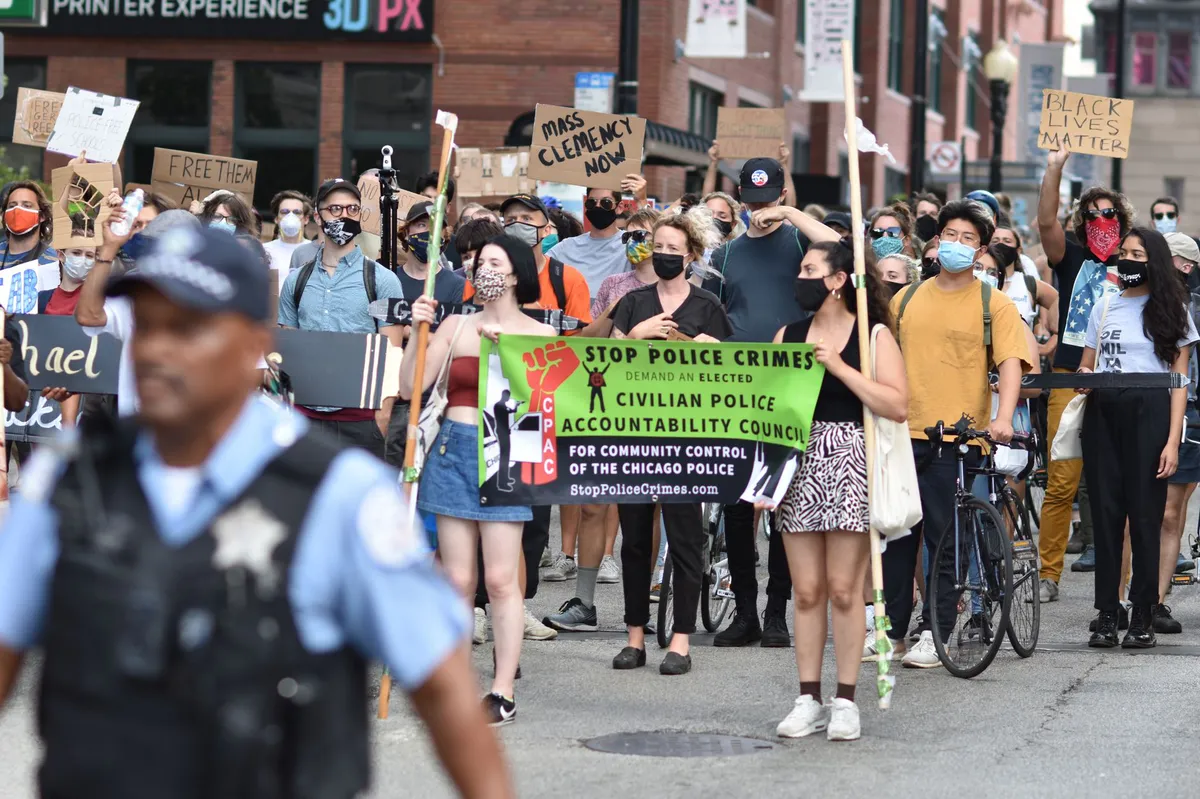
The community's response to this incident has been one of outrage and concern. Incidents of police misconduct not only erode public trust but also strain relationships between law enforcement and the communities they serve. Individuals who feel their rights have been violated are less likely to cooperate with law enforcement in the future, further complicating policing efforts.
Advocacy groups have called for increased transparency and accountability measures within police departments, emphasizing the need for comprehensive reforms that address systemic issues. Community members are demanding that law enforcement agencies prioritize the dignity and rights of all individuals, especially vulnerable populations, during interactions with police.
Key Takeaways
- Deputy Sheriff Ryan Gaffney has been charged for taking inappropriate photographs of nude prisoners.
- The incident raises serious questions regarding police accountability and ethical conduct.
- Body cameras, while intended to enhance transparency, can be misused, leading to privacy violations.
- Legal consequences for such misconduct can include criminal charges and civil liabilities.
- Community response emphasizes the need for police reform and enhanced accountability measures.
Frequently Asked Questions
What specific charges is Deputy Gaffney facing?
Although the exact charges have not been publicly disclosed, they are likely to include violations related to invasion of privacy, misuse of his official position, and potential other criminal offenses under Pennsylvania law. The investigation is ongoing, and as more details emerge, additional charges may be considered.
How does this incident impact the community’s trust in law enforcement?
Incidents of police misconduct, such as this one, significantly undermine community trust in law enforcement. When individuals feel that their dignity and rights have been violated, they are less likely to cooperate with police efforts. This could hamper effective policing and community safety initiatives, creating a cycle of mistrust that can be difficult to break.
What measures can be taken to prevent similar incidents in the future?
Preventing similar incidents requires comprehensive training for law enforcement officers on the ethical use of technology, clear policies regarding the treatment of detainees, and robust oversight mechanisms to ensure accountability. Additionally, community engagement and feedback mechanisms can help foster a culture of trust and transparency between police and the communities they serve.
How are body cameras regulated and monitored within police departments?
Body cameras are typically regulated by departmental policies that outline their use, storage, and access protocols. However, the effectiveness of these regulations relies on strict enforcement and monitoring. Police departments must ensure that officers are trained on proper usage and that there are clear consequences for violations, as demonstrated by the recent allegations against Deputy Gaffney.
Comments
AI Breaches and the Evolution of Incident Response: Lessons from Hugging Face
The recent breach at Hugging Face reveals critical flaws in AI-driven security measures. This article explores the implications for incident response and the future of AI safety in cybersecurity.

Related articles





Popular in Cybersecurity
- Federal Mandate for Autonomous Vehicles: A Call for Safety Compliance
- EU Mandates Google to Share Data and Open AI on Android: What It Means
- GitHub Revamps Bug Bounty Program: Implications for Developers and Security
- Australian Government Disables Thousands of Functional Broadband Routers: A Wasteful Decision
- Exploiting Redis: Understanding Zero-Day Vulnerabilities and Their Mitigation