Securing Military Autonomy: The Role of AI in Cybersecurity Defense
As military autonomy advances, AI's role in cybersecurity is crucial. Explore five essential steps to safeguard against emerging software vulnerabilities.

The rapid advancement of military autonomy, driven by artificial intelligence (AI), presents both incredible opportunities and significant challenges. As defense systems increasingly rely on autonomous technologies, the need for a robust cybersecurity framework has never been more critical. With the stakes so high, the question arises: can our information infrastructure keep pace with the innovations in military technology? In this article, we’ll explore the intersection of military autonomy and cybersecurity, and highlight the steps organizations must take to secure their systems against emerging vulnerabilities.
The Rise of Military Autonomy
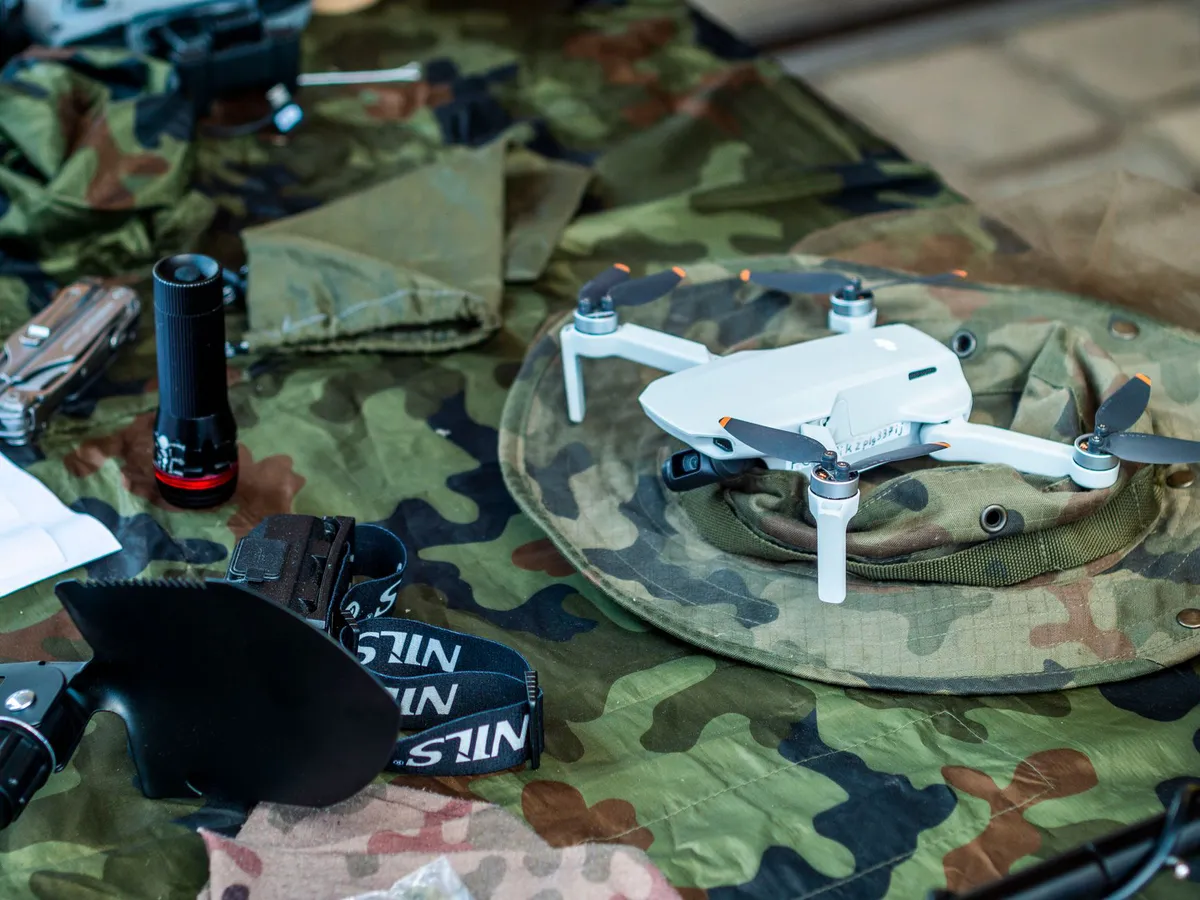
Military autonomy refers to the use of AI and automation in defense operations, enabling systems to perform tasks without human intervention. This trend encompasses a wide range of applications, from unmanned aerial vehicles (UAVs) and ground robots to autonomous decision-making systems. As these technologies evolve, they promise to enhance operational efficiency and effectiveness, potentially changing the face of warfare.
However, the integration of AI in military operations also introduces complex cybersecurity challenges. Autonomous systems are not only susceptible to traditional cyber threats but also face risks unique to their operational environments. For instance, adversaries can exploit vulnerabilities in AI algorithms or manipulate data inputs to mislead autonomous systems, leading to catastrophic outcomes.
Cybersecurity Challenges in Autonomous Military Systems
The intersection of AI and military systems magnifies existing cybersecurity issues while introducing new ones. Here are several critical challenges:
- Data Integrity: Autonomous systems rely heavily on data for decision-making. If this data is compromised, it can lead to incorrect or dangerous actions.
- Algorithm Manipulation: Attackers can target the underlying algorithms of AI models, altering their behavior and rendering them ineffective or harmful.
- Supply Chain Vulnerabilities: The complexity of AI systems often involves multiple vendors and components, increasing the potential for security gaps.
- Insider Threats: As with any technology, human factors play a significant role. Insiders with access to sensitive information could exploit it for malicious purposes.
5 Steps to Secure Against Software Vulnerabilities
To mitigate these risks and enhance the cybersecurity posture of autonomous military systems, organizations should adopt a proactive approach. Here are five essential steps to secure against software vulnerabilities:
1. Conduct Regular Security Assessments
Organizations must perform ongoing security assessments to identify vulnerabilities in their systems. This includes penetration testing, code reviews, and vulnerability scanning. Regular assessments help ensure that emerging threats are detected early and mitigated.
2. Implement Robust Access Controls
Limiting access to sensitive systems and data is crucial. Organizations should enforce strict access controls, ensuring that only authorized personnel can interact with critical components of autonomous systems. This includes utilizing multi-factor authentication and role-based access privileges.
3. Enhance AI Model Security
Securing AI models themselves is essential. Organizations should focus on model robustness, adversarial training, and regular updates to address vulnerabilities. This might involve developing and employing methods that make models less sensitive to inputs designed to deceive them.
4. Establish Incident Response Protocols
Having a clear incident response plan is vital for minimizing damage in the event of a security breach. This plan should outline the steps to be taken, communication protocols, and roles of key personnel during an incident.
5. Foster a Security-First Culture
Finally, cultivating a security-first culture within the organization is paramount. Employees should be trained on the importance of cybersecurity and how to recognize potential threats. Regular training and awareness programs can significantly reduce the likelihood of human error contributing to security incidents.

The Future of Military Cybersecurity
As military autonomy continues to evolve, the cybersecurity landscape will also have to adapt. Organizations must remain vigilant and responsive to emerging threats in order to protect their systems and ensure mission success. Investment in advanced cybersecurity technologies, such as AI-driven threat detection and response solutions, will be essential in maintaining a competitive edge.
Moreover, collaboration between military and technology sectors is crucial for developing robust cybersecurity strategies. Sharing insights and best practices can enhance the security of autonomous systems and help mitigate risks associated with their deployment.

Key Takeaways
- Military autonomy is reshaping defense operations, but it comes with significant cybersecurity risks.
- Data integrity and algorithm manipulation are critical concerns for autonomous systems.
- Organizations should adopt a proactive approach, focusing on security assessments and access controls.
- A clear incident response plan and a security-first culture are essential for effective cybersecurity.
- Collaboration between military and tech sectors is key to addressing emerging cybersecurity challenges.
Frequently Asked Questions
How does AI enhance military autonomy?
AI enhances military autonomy by enabling systems to operate independently, making decisions based on real-time data analysis. This capability allows for faster response times and improved operational efficiency. However, it also introduces new vulnerabilities that must be addressed through robust cybersecurity measures.
What are the primary cybersecurity threats facing military autonomous systems?
The primary cybersecurity threats include data integrity breaches, algorithm manipulation, supply chain vulnerabilities, and insider threats. Each of these threats can compromise the effectiveness of autonomous systems and pose significant risks to military operations.
Why is a security-first culture important in military organizations?
A security-first culture is important because human error is often a significant factor in security breaches. By fostering an environment where cybersecurity is prioritized and employees are educated about potential threats, organizations can reduce the risk of incidents occurring due to negligence or lack of awareness.
What steps can organizations take to enhance AI model security?
Organizations can enhance AI model security through adversarial training, regular updates to address vulnerabilities, and developing robust models that are less sensitive to manipulation. These practices can help ensure that AI systems remain effective and secure in the face of evolving threats.
Comments
Understanding and Mitigating CVE-2026-58644: A Guide for Businesses
CISA has added a critical SharePoint RCE zero-day vulnerability to its KEV list. Learn how to protect your organization with proactive measures.
Related articles






Popular in Cybersecurity
- Federal Mandate for Autonomous Vehicles: A Call for Safety Compliance
- EU Mandates Google to Share Data and Open AI on Android: What It Means
- GitHub Revamps Bug Bounty Program: Implications for Developers and Security
- Australian Government Disables Thousands of Functional Broadband Routers: A Wasteful Decision
- Exploiting Redis: Understanding Zero-Day Vulnerabilities and Their Mitigation