Navigating the Landscape of Software Vulnerabilities: AI's Role in Cybersecurity
With the rise of AI in cybersecurity, organizations must be proactive in addressing software vulnerabilities. This article explores a recent token exchange flaw and offers steps to bolster security.
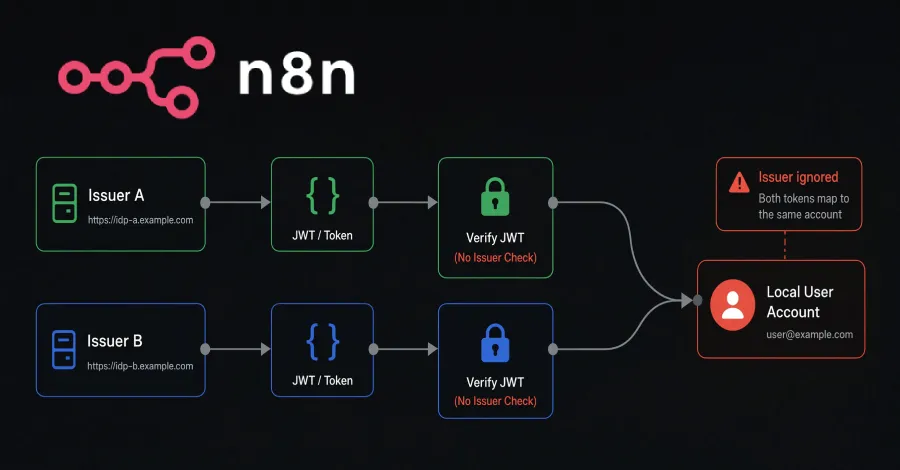
As the digital landscape continues to evolve, the intersection of artificial intelligence (AI) and cybersecurity has become increasingly critical. Recent developments have highlighted vulnerabilities in software systems, such as the n8n token exchange flaw, which could allow attackers to impersonate legitimate users. This alarming discovery not only underscores the importance of security protocols but also emphasizes the role of AI in identifying and mitigating such threats. In this article, we will delve into the implications of these vulnerabilities, the emerging role of AI in cybersecurity, and actionable steps organizations can take to protect themselves.
Understanding the n8n Token Exchange Flaw
The n8n platform, known for its open-source workflow automation capabilities, recently faced scrutiny due to a token exchange vulnerability. This flaw permits attackers to log in as users from another issuer, effectively bypassing authentication mechanisms that are integral to ensuring secure access. Token exchange vulnerabilities can arise when systems do not properly validate the issuer of a token, creating a pathway for malicious actors to exploit the trust inherent in token-based authentication.
To grasp the severity of this vulnerability, it’s essential to understand how token-based authentication works. Typically, when a user logs in, a token is generated and used for subsequent requests, allowing the user to access various resources without needing to re-enter credentials. However, if the system fails to verify the issuer correctly, an attacker could present a forged token, gaining unauthorized access to sensitive information and functionalities.

The Role of AI in Identifying Vulnerabilities
AI has emerged as a formidable ally in the realm of cybersecurity, particularly in recognizing and addressing software vulnerabilities. Machine learning models can analyze vast amounts of data, identifying patterns and anomalies that may signify a potential security risk. These models can also simulate attack scenarios, providing insights into how vulnerabilities might be exploited in real-world situations.
How AI Enhances Vulnerability Detection
- Pattern Recognition: AI algorithms can spot unusual behavior indicative of potential threats.
- Automated Testing: AI-driven tools can conduct extensive testing on software applications, identifying weaknesses before they can be exploited.
- Predictive Analysis: Using historical data, AI can predict where vulnerabilities are likely to occur in future software releases.
- Real-time Monitoring: AI systems can continuously scan for vulnerabilities, providing organizations with instant alerts when risks are detected.
By integrating AI into their cybersecurity strategies, organizations can stay one step ahead of potential threats, making it a critical component in the fight against software vulnerabilities.

Five Steps to Secure Against Software Vulnerabilities
While AI plays a significant role in identifying vulnerabilities, organizations must take proactive measures to secure their systems. Here are five essential steps to fortify your cybersecurity framework:
1. Conduct Regular Audits
Regular security audits are vital for identifying and addressing vulnerabilities. By systematically reviewing code and system configurations, organizations can uncover weaknesses that may have been overlooked. This process should be complemented by vulnerability scanning tools that automate the detection of known issues.
2. Implement Strong Authentication Mechanisms
Employing robust authentication methods, such as multi-factor authentication (MFA), can significantly reduce the risk of unauthorized access. MFA requires users to provide multiple forms of verification, making it much harder for attackers to gain entry even if they have compromised a password.
3. Keep Software Updated
Software updates often include critical security patches that address known vulnerabilities. Organizations should establish a regular update schedule and prioritize the implementation of patches as soon as they become available, ensuring that systems are not left exposed to easily exploitable flaws.
4. Train Employees on Cybersecurity Best Practices
Human error remains one of the leading causes of cybersecurity breaches. Providing training to employees on safe online behaviors, recognizing phishing attempts, and understanding the importance of security can help mitigate risks significantly.
5. Leverage AI and Machine Learning Tools
Integrating AI and machine learning tools into your cybersecurity strategy can enhance your ability to detect and respond to vulnerabilities. These tools can automate many aspects of security monitoring, allowing your team to focus on strategic initiatives rather than being bogged down by routine tasks.

Key Takeaways
- The n8n token exchange vulnerability highlights critical flaws in token-based authentication systems.
- AI is a powerful tool in the identification and mitigation of software vulnerabilities.
- Organizations should adopt a proactive approach to cybersecurity, including regular audits and employee training.
- Implementing strong authentication measures, such as MFA, can significantly enhance security.
- Staying updated with the latest software patches is essential to protecting against known vulnerabilities.
Frequently Asked Questions
What is a token exchange vulnerability?
A token exchange vulnerability occurs when a system fails to properly verify the issuer of a token, allowing attackers to present forged tokens and gain unauthorized access to user accounts. This type of flaw can lead to significant security breaches and data theft if not addressed promptly.
How can AI help in cybersecurity?
AI can assist in cybersecurity by automating the detection of vulnerabilities, analyzing patterns of behavior, and providing real-time monitoring of systems. With its ability to process large amounts of data quickly, AI can identify potential threats that may be missed by traditional security measures.
Why is employee training important in cybersecurity?
Employee training is crucial in cybersecurity because human error is often the weakest link in security protocols. By educating employees on best practices, such as recognizing phishing attempts and safeguarding sensitive information, organizations can greatly reduce the risk of breaches caused by inadvertent actions.
What steps should organizations take to secure their systems?
Organizations should regularly audit their systems for vulnerabilities, implement strong authentication methods like multi-factor authentication, keep software updated with the latest patches, and provide training for employees on cybersecurity best practices. Additionally, leveraging AI tools can significantly enhance their overall security posture.
Comments
Understanding and Mitigating CVE-2026-58644: A Guide for Businesses
CISA has added a critical SharePoint RCE zero-day vulnerability to its KEV list. Learn how to protect your organization with proactive measures.
Related articles







Popular in Cybersecurity
- Federal Mandate for Autonomous Vehicles: A Call for Safety Compliance
- EU Mandates Google to Share Data and Open AI on Android: What It Means
- GitHub Revamps Bug Bounty Program: Implications for Developers and Security
- Australian Government Disables Thousands of Functional Broadband Routers: A Wasteful Decision
- Exploiting Redis: Understanding Zero-Day Vulnerabilities and Their Mitigation