Exploiting Flaws: The Marimo Notebook Vulnerability Explained
The Marimo Notebook vulnerability presents significant risks by allowing unauthorized MCP command execution. Explore how this flaw exposes identity and enables active attack paths.
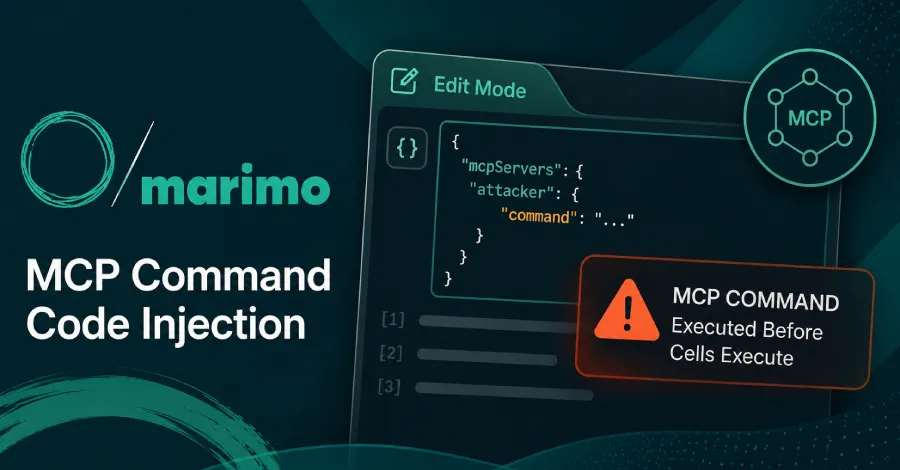
The digital landscape is constantly evolving, and with it, the complexities of cybersecurity threats. One of the latest vulnerabilities that have raised alarms among security professionals is the Marimo Notebook flaw. This vulnerability allows for the execution of Master Control Program (MCP) commands before cells in the notebook are fully executed in edit mode. The implications of this flaw are far-reaching, as it can lead to identity exposure and create active attack paths that malicious actors can exploit. Understanding this vulnerability is crucial for organizations looking to bolster their cybersecurity defenses.
Understanding the Marimo Notebook Vulnerability
Marimo is a popular data visualization and analysis tool used by businesses across various sectors. It allows users to manipulate and visualize data in a dynamic notebook environment. However, the recent discovery of a flaw in this platform has raised serious concerns. When a user is in edit mode, the notebook can execute MCP commands without proper authorization, which can lead to unauthorized access to sensitive information.
Technical Breakdown of the Vulnerability
At its core, the Marimo Notebook flaw exploits the way commands are processed in edit mode. Typically, commands should only execute after a user has completed editing a cell and confirmed their input. However, due to a lapse in the system's security protocols, MCP commands can be executed prematurely. This loophole allows for the potential manipulation of data and can compromise user identities, making it a significant risk for organizations that rely on this tool.
- Identity Exposure: The inability to control command execution can lead to unauthorized access to sensitive user data.
- Active Attack Paths: Malicious actors can exploit this flaw to create pathways for further attacks within an organization's network.
- Cross-Domain Privilege Escalation: The flaw can enable attackers to escalate their privileges and gain access to critical systems.

Consequences of Identity Exposure
Identity exposure is a severe concern for organizations, as it can lead to data breaches that compromise personal and financial information. With the Marimo Notebook vulnerability, an attacker can exploit this flaw to gain access to user identities, which can then be used to manipulate data, steal sensitive information, or even launch further attacks. Organizations must be proactive in identifying and mitigating these risks to protect their data and maintain customer trust.
Real-World Scenarios
To illustrate the potential impact of the Marimo Notebook flaw, consider the following scenarios:
- Financial Institutions: A bank using Marimo for data analysis could face significant repercussions if an attacker gains access to customer identities and financial records.
- Healthcare Providers: A hospital relying on Marimo for patient data management could experience breaches that expose sensitive patient information.
- Governments: Government agencies using the tool for data analysis could be targeted for sensitive information, leading to national security risks.

Mitigating the Risks
Organizations must take immediate steps to mitigate the risks associated with the Marimo Notebook vulnerability. This includes implementing robust security measures, conducting regular vulnerability assessments, and staying updated on security patches released by the software vendor. Additionally, educating employees about the risks associated with identity exposure and the importance of secure data handling practices is crucial.
Best Practices for Cybersecurity
To help organizations protect themselves from vulnerabilities like the Marimo Notebook flaw, consider the following best practices:
- Regular Security Audits: Conduct audits to identify and remediate vulnerabilities in your systems.
- Employee Training: Provide training sessions to educate employees about cybersecurity threats and safe practices.
- Incident Response Plans: Develop and maintain an incident response plan to address potential breaches swiftly.
- Multi-Factor Authentication: Implement multi-factor authentication to add an extra layer of security to user accounts.

Key Takeaways
- The Marimo Notebook vulnerability allows unauthorized MCP command execution in edit mode.
- Identity exposure due to this flaw can lead to severe data breaches.
- Organizations must adopt proactive measures to mitigate risks associated with the vulnerability.
- Real-world implications highlight the need for robust cybersecurity practices.
Frequently Asked Questions
What is the Marimo Notebook vulnerability?
The Marimo Notebook vulnerability is a security flaw that enables unauthorized execution of Master Control Program (MCP) commands before cells in the notebook are executed in edit mode. This can lead to identity exposure and create active attack paths for malicious actors.
How can organizations protect themselves from this vulnerability?
Organizations can protect themselves by implementing robust security measures, conducting regular vulnerability assessments, and staying informed about security patches released by the vendor. Additionally, educating employees on secure data handling practices is crucial.
What are the real-world implications of this vulnerability?
The real-world implications include potential data breaches affecting financial institutions, healthcare providers, and government agencies. Unauthorized access to sensitive information can lead to significant financial and reputational damage.
What are some best practices for cybersecurity in light of this vulnerability?
Best practices include conducting regular security audits, providing employee training on cybersecurity threats, maintaining an incident response plan, and implementing multi-factor authentication to enhance account security.
Comments
Critical Security Flaw in Oracle WebLogic: Immediate Risks and Mitigation Strategies
An actively exploited vulnerability in Oracle WebLogic is exposing critical data to unauthenticated attackers. This article delves into the implications of this flaw and offers strategies for safeguarding your systems.

Related articles




Popular in Cybersecurity
- Federal Mandate for Autonomous Vehicles: A Call for Safety Compliance
- EU Mandates Google to Share Data and Open AI on Android: What It Means
- GitHub Revamps Bug Bounty Program: Implications for Developers and Security
- Australian Government Disables Thousands of Functional Broadband Routers: A Wasteful Decision
- Exploiting Redis: Understanding Zero-Day Vulnerabilities and Their Mitigation