Cybersecurity Alert: AI-Driven Attacks on U.S. Water Systems
U.S. cybersecurity agencies warn that hackers are exploiting vulnerabilities in water systems using AI tools. This article explores the implications and preventative measures.

In a concerning development for national security, U.S. cybersecurity agencies have issued a stark warning regarding the rising threat of cyberattacks targeting water systems across the country. These attacks, increasingly sophisticated and leveraging artificial intelligence (AI), are aimed at Siemens devices integral to the control of water supply and wastewater management. As vulnerabilities in these critical infrastructures become more apparent, it raises urgent questions about the safety and resilience of essential services that millions of Americans rely on daily.
The Cybersecurity and Infrastructure Security Agency (CISA), alongside the FBI and National Security Agency (NSA), has indicated that hackers are exploiting programmable logic controllers (PLCs), specifically the Siemens S7 models. These devices are pivotal for automating physical processes in various sectors, including energy, agriculture, and, crucially, water supply systems. The potential fallout from these breaches is dire, with the risk of significant downtime, safety incidents, and irreversible damage to equipment.
The Role of AI in Cyberattacks
One of the most alarming aspects of this situation is the utilization of AI by hackers to enhance their attack methodologies. According to CISA, the attackers are generating exploit scripts based on publicly available information, allowing them to identify and target vulnerable PLCs effectively. These scripts can automate the process of finding systems running outdated software or inadequately secured devices, significantly lowering the barrier for entry for cybercriminals.
Understanding the Vulnerabilities
Infrastructure security experts note that PLCs, by their very nature, are particularly susceptible to such attacks. Many of these devices are old, lacking robust cybersecurity measures, and often left exposed to the internet, contrary to CISA's recommendations. The presence of outdated software compounds these vulnerabilities, making it easier for attackers to gain unauthorized access.
- Outdated Software: Many PLCs run on software that is not regularly updated, leaving them vulnerable to known exploits.
- Internet Exposure: CISA has advised keeping these devices disconnected from the internet, yet many remain online due to operational needs.
- Geographic Disparity: Rural communities, which often manage extensive water systems with limited resources, are particularly at risk.
Recent Incidents and Escalating Threats
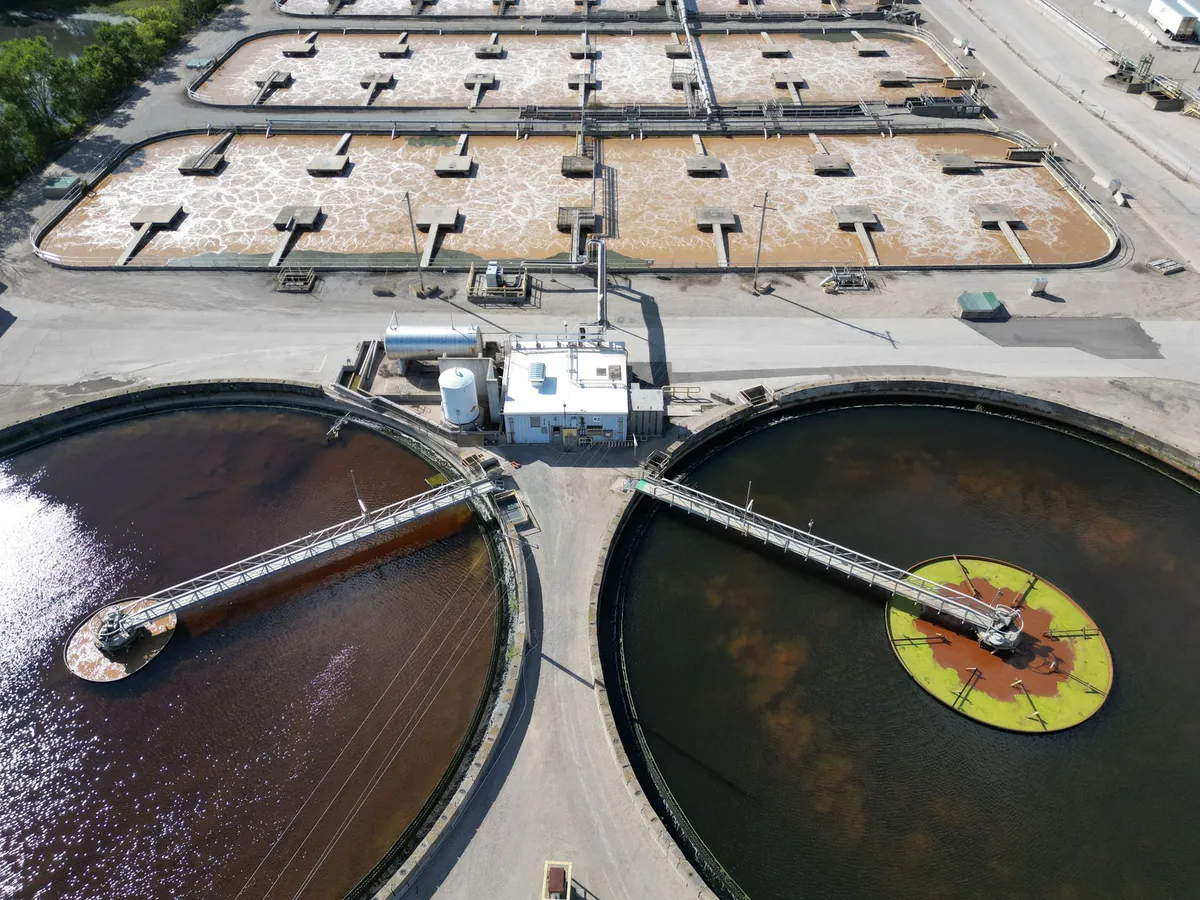
This warning follows a series of cyberattacks that have already compromised water facilities across multiple states, including Minnesota, Michigan, Arkansas, Georgia, and New Jersey. The intrusions have been attributed to suspected Iranian hackers, highlighting the geopolitical dimensions of cyber warfare. These attacks have escalated over recent months, indicating a worrying trend that could jeopardize public health and safety.
The Broader Cybersecurity Landscape
The implications of these attacks extend beyond immediate disruptions. They raise significant concerns about the resilience of critical infrastructure amid an escalating wave of cyber threats. As more systems become interconnected, the attack surface expands, making it increasingly challenging for organizations to secure their networks adequately.
Cybersecurity professionals are urging organizations managing critical infrastructure to adopt a layered security approach. This includes implementing network segmentation, where PLCs are isolated from general internet access, and improving monitoring protocols to detect unusual activity swiftly. Additionally, risk assessment and incident response planning are critical to mitigating potential damage from future attacks.

Recommendations for Organizations
In light of these threats, organizations that manage water systems and other critical infrastructures must take proactive steps to enhance their cybersecurity posture. Here are some essential recommendations:
- Regular Software Updates: Ensure that all PLCs and other critical devices are running the latest, most secure versions of their operating systems and software.
- Implement Strong Access Controls: Limit access to sensitive systems to only those who absolutely need it, utilizing multi-factor authentication wherever possible.
- Conduct Regular Security Audits: Engage in routine assessments of your infrastructure to identify and rectify vulnerabilities before they can be exploited.
- Invest in Cybersecurity Training: Provide ongoing training for staff to recognize potential threats and understand the importance of cybersecurity best practices.

Key Takeaways
- U.S. cybersecurity agencies warn of AI-driven attacks targeting water systems.
- Hackers are exploiting vulnerabilities in Siemens S7 programmable logic controllers.
- Organizations must implement robust cybersecurity measures to protect critical infrastructure.
- Regular software updates and access control are vital for safeguarding against threats.
Frequently Asked Questions
What are programmable logic controllers (PLCs)?
Programmable Logic Controllers (PLCs) are industrial computers used to automate various processes in manufacturing, water treatment, and other sectors. They control machinery and equipment by executing programmed instructions, making them crucial for operational efficiency. However, their widespread use and often outdated technology make them targets for cyberattacks, especially when not adequately secured.
How can organizations protect their water systems from cyberattacks?
Organizations can protect their water systems by implementing a multi-layered security approach. This includes keeping software updated, isolating PLCs from the internet, conducting regular security audits, and investing in staff training to recognize and manage cyber threats. Additionally, having a proactive incident response plan is crucial for minimizing damage in the event of a breach.
What role does AI play in modern cyberattacks?
AI plays a significant role in modern cyberattacks by enabling hackers to automate the identification and exploitation of vulnerabilities. By analyzing vast amounts of publicly available information, AI tools can generate scripts that target specific weaknesses in systems, making attacks more efficient and harder to detect. As technology continues to evolve, the use of AI in cybercrime is expected to increase, posing new challenges for cybersecurity professionals.
Comments
Alation Confirms Cyberattack: Implications for Data Security in Enterprises
Alation, a leading data software provider, has confirmed a cyberattack affecting its enterprise customers. This incident raises vital questions about data security as hackers increasingly target companies handling sensitive information.
Related articles


Popular in Cybersecurity
- Federal Mandate for Autonomous Vehicles: A Call for Safety Compliance
- EU Mandates Google to Share Data and Open AI on Android: What It Means
- GitHub Revamps Bug Bounty Program: Implications for Developers and Security
- Australian Government Disables Thousands of Functional Broadband Routers: A Wasteful Decision
- Exploiting Redis: Understanding Zero-Day Vulnerabilities and Their Mitigation