Amazon's Ambitious Drone Delivery Expansion: What It Means for Americans
Amazon aims to expand its Prime Air drone delivery service to 500 neighborhoods by 2026, raising questions about convenience versus community concerns. As competition rises, what should consumers and local governments consider?
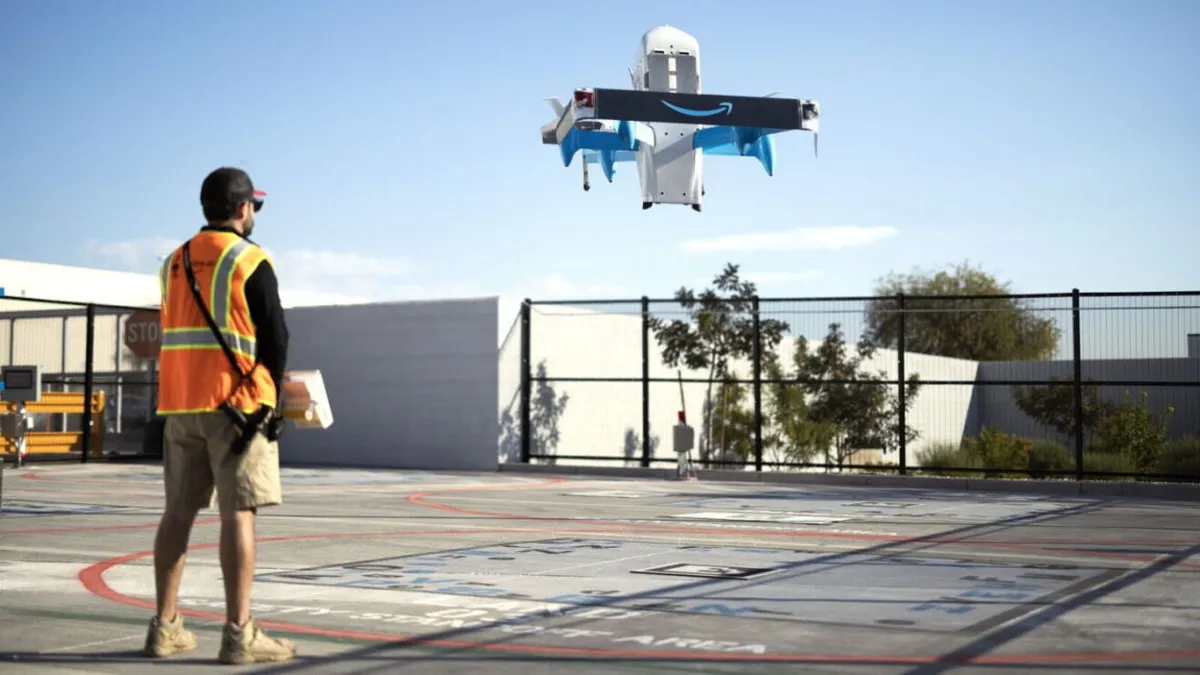
In a bold move to redefine last-mile logistics, Amazon has set its sights on expanding its Prime Air delivery service to nearly 500 neighborhoods across the United States by the end of 2026. This ambitious initiative, driven by the advanced MK30 drone, promises to bring the convenience of rapid delivery to millions of Americans, potentially reshaping the landscape of e-commerce and local deliveries. However, as the technology evolves, it brings with it a host of implications—ranging from noise pollution to safety concerns—that communities must grapple with.
Currently operational in 10 cities across seven states, Amazon's Prime Air already serves suburban neighborhoods in areas like Phoenix and Dallas. This expansion aims to significantly increase the footprint of drone deliveries, reaching metropolitan areas like Chicago, Cleveland, and Atlanta. Each drone delivery zone covers around 175 square miles, with delivery times expected to range between half an hour to one hour. But as drones buzz overhead, residents are left to weigh the convenience of rapid deliveries against the potential downsides.
Expanding Drone Services: A Competitive Landscape
Amazon is not alone in its quest to dominate the drone delivery market. Competitors like Walmart, Zipline, and DoorDash are also ramping up their drone initiatives. Walmart recently surpassed a significant milestone of one million drone deliveries and plans to expand its delivery capabilities to over 270 stores by 2027 through partnerships with companies like Wing and Zipline. Zipline, originally focused on delivering medical supplies in Africa, has made strides in the U.S. with a goal of reaching one million deliveries per day by the end of 2029.
Technological Advancements and Operational Capacity
The MK30 drones utilized by Amazon are designed to carry packages weighing five pounds or less—roughly the size of a large shoebox. While this operational model offers the promise of quick delivery, it is limited by environmental factors such as strong winds and inclement weather, which can ground drones and delay service. As the technology progresses, consumers can expect improvements in both delivery speed and reliability.
Community Concerns: Noise and Privacy
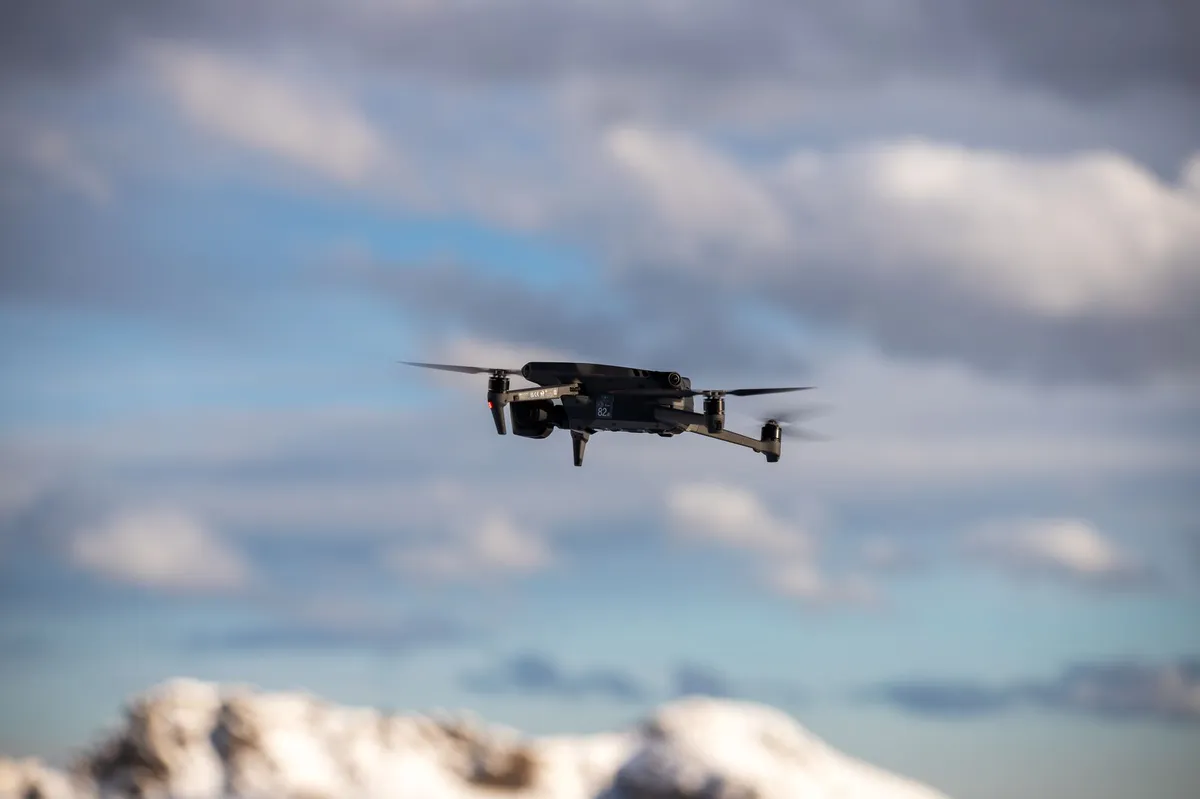
Despite the allure of drone deliveries, many residents have voiced concerns about the implications of having drones regularly flying over their neighborhoods. Reports indicate that drone noise can be comparable to a lawnmower or leaf blower, disrupting the tranquility of daily life. Residents in areas like Hazel Park, Michigan, have shared experiences of hearing drones multiple times a day, leading to public protests and even noise complaints lodged with the Federal Aviation Administration (FAA).
- Noise Pollution: Many residents report feeling overwhelmed by the persistent sound of drones.
- Privacy Issues: Although Amazon claims its drones do not monitor individuals, residents still express discomfort with drones hovering over their properties.
- Safety Concerns: Drones have been involved in several accidents, raising questions about their safety in densely populated areas.
Addressing Community Feedback
Amazon has stated its intention to engage with local communities ahead of launching drone services. However, the effectiveness of these outreach efforts remains to be seen. Will residents feel that their voices are heard, or will the rapid expansion of drone services lead to more friction between companies and communities? The FAA's latest reports indicate that drone-related noise complaints are still relatively low compared to those for helicopters and airplane traffic, but this could change as the prevalence of drone deliveries grows.

Safety Records and Regulatory Oversight
As drone technology becomes more widespread, safety records will play a crucial role in determining public acceptance. Companies like Zipline have maintained a clean safety record, utilizing backup parachutes and having successfully navigated challenges during deliveries. In contrast, Amazon's Prime Air has faced scrutiny, with multiple incidents involving crashes and operational malfunctions prompting investigations from the FAA and National Transportation Safety Board (NTSB).
Incident Examples
In October 2025, two Amazon delivery drones crashed into a construction crane in Arizona, while another incident saw a drone take down an overhead internet cable in Texas. Such incidents underscore the importance of rigorous safety protocols as Amazon and its competitors scale up operations.
The Future of Drone Deliveries
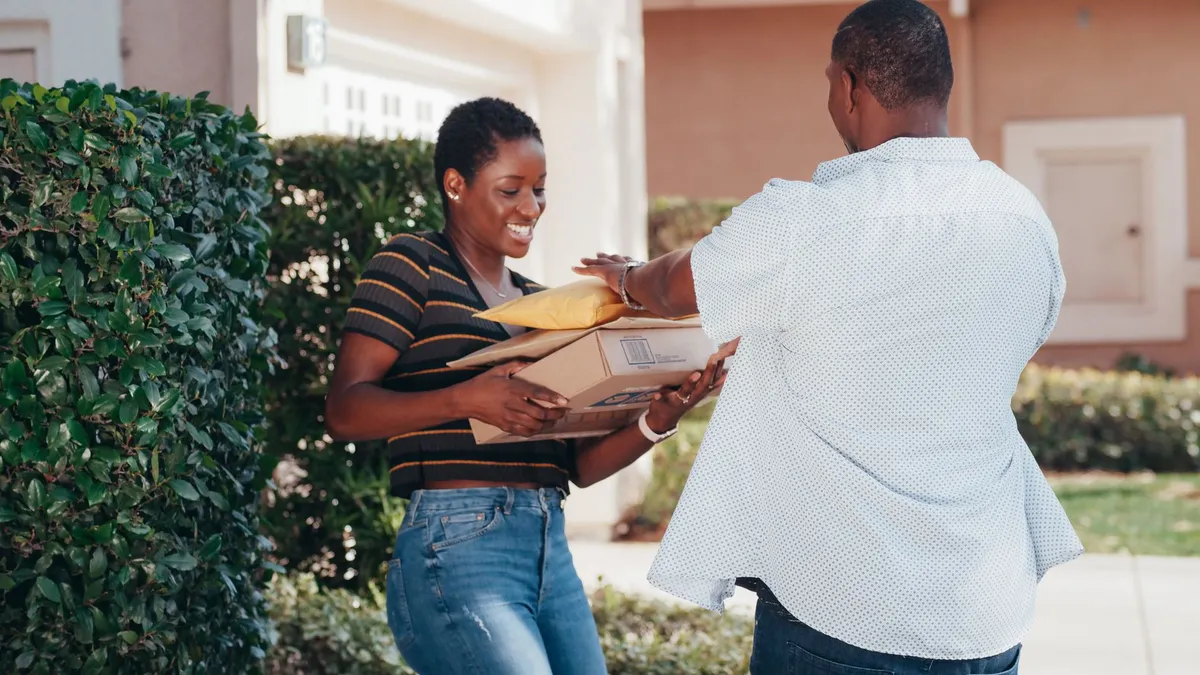
The rapid expansion of drone delivery services by Amazon and its competitors raises fundamental questions about the future of logistics and consumer behavior. As convenience becomes a defining factor in purchasing decisions, companies are betting on drones to fulfill customer expectations for speed and efficiency. However, community pushback could either slow down or redefine these services, placing pressure on companies to innovate not just in technology, but also in customer relations and community engagement.
What Consumers Should Consider
For consumers, the arrival of drone delivery services presents both opportunities and challenges. While the promise of receiving packages within an hour is enticing, individuals must also consider the broader implications of such services on their communities, including noise pollution, privacy issues, and safety concerns. As these technologies evolve, staying informed and engaging in local discussions will be key to shaping the future of drone deliveries in their neighborhoods.
Key Takeaways
- Amazon plans to expand its Prime Air delivery service to 500 neighborhoods by 2026.
- Competitors like Walmart and Zipline are also increasing their drone delivery capabilities.
- Noise pollution and safety concerns are significant issues for communities as drone services expand.
- Public outreach and community engagement will be critical for successful integration of drone deliveries.
Frequently Asked Questions
What types of packages can delivery drones carry?
Amazon's drones are designed to carry packages weighing five pounds or less, which is roughly equivalent to larger shoebox items. This limitation means that while the convenience is significant, not all products available for purchase will qualify for drone delivery.
How are safety concerns being addressed by drone delivery companies?
Companies like Zipline have implemented safety measures such as backup parachutes and rigorous training for their operators. Amazon has faced scrutiny due to several incidents involving its delivery drones, which has led to increased regulatory oversight from the FAA and NTSB as they investigate these incidents to enhance safety protocols.
How can residents voice their concerns about drone noise and safety?
Residents can file complaints with the FAA regarding noise pollution or safety incidents involving drones. Engaging in local city council meetings and participating in community forums can also be effective ways to raise concerns and seek solutions collaboratively with drone companies.
Comments
Cybersecurity Alert: AI-Driven Attacks on U.S. Water Systems
U.S. cybersecurity agencies warn that hackers are exploiting vulnerabilities in water systems using AI tools. This article explores the implications and preventative measures.

Related articles

Popular in Cybersecurity
- Federal Mandate for Autonomous Vehicles: A Call for Safety Compliance
- EU Mandates Google to Share Data and Open AI on Android: What It Means
- GitHub Revamps Bug Bounty Program: Implications for Developers and Security
- Australian Government Disables Thousands of Functional Broadband Routers: A Wasteful Decision
- Exploiting Redis: Understanding Zero-Day Vulnerabilities and Their Mitigation