How Cavern C2 Uses DNS and Google Apps Script to Evade Detection
Exploring the innovative tactics of Cavern C2, we delve into how attackers blend malicious traffic with legitimate services, and what businesses can do to protect against such sophisticated threats.
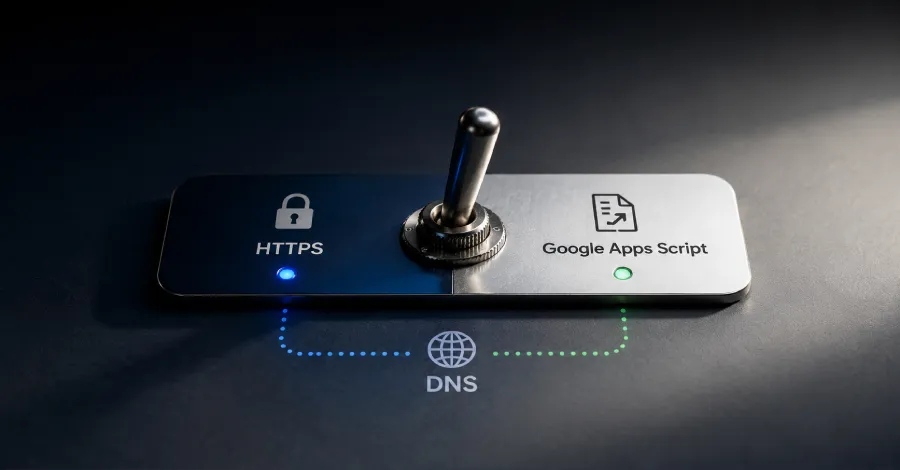
The landscape of cybersecurity threats has evolved dramatically in recent years, with attackers constantly adapting their methods to evade detection. One of the most alarming trends is the use of seemingly benign services to mask malicious activity. A notable example of this is Cavern C2, a command-and-control infrastructure that leverages DNS and Google Apps Script to blend into legitimate traffic, allowing attackers to execute their objectives without raising alarms. This article explores how Cavern C2 operates, the implications for businesses, and strategies for defense against such sophisticated threats.
Understanding Cavern C2's Approach
Cavern C2 employs a unique strategy that combines DNS tunneling and Google Apps Script to create a seamless integration with legitimate traffic. By utilizing DNS (Domain Name System), which is responsible for translating human-readable domain names into IP addresses, attackers can obscure their command-and-control communications amidst regular web traffic. Coupled with Google Apps Script, a cloud-based scripting language that allows users to automate tasks across Google services, the Cavern C2 infrastructure is designed to look innocuous.
The Role of DNS in Obscuring Malicious Activities
DNS plays a critical role in the functioning of the internet, making it an attractive target for cybercriminals. By manipulating DNS queries, attackers can effectively hide their communications within the noise of legitimate traffic. Some key tactics include:
- DNS Tunneling: This technique allows data to be encoded in DNS queries, facilitating covert communication between compromised systems and the attacker’s server.
- Domain Generation Algorithms (DGA): Attackers can use DGAs to create a large number of domain names that can be used for command and control, making it harder for defenders to block them.
- Legitimate Services Integration: By integrating with services like Google Apps, attackers can blend their malicious traffic with regular traffic, making it difficult for traditional security measures to detect anomalies.
The Power of Google Apps Script
Google Apps Script is primarily aimed at enhancing productivity by allowing users to automate tasks across Google Workspace applications like Google Sheets, Docs, and Gmail. However, this powerful tool can also be weaponized by cybercriminals. With Cavern C2, attackers can create scripts that execute malicious commands while appearing as legitimate automated processes.
How Attackers Utilize Google Apps Script
By employing Google Apps Script, attackers can:
- Schedule Tasks: Scripts can be set to run at specific intervals, allowing for persistent access and data exfiltration without user intervention.
- Mask Actions: Actions taken by the script can appear as normal user activities, making it difficult for security teams to notice any suspicious behavior.
- Access Google Services: Attackers can use compromised accounts to access and extract sensitive information from various Google services.

Implications for Businesses and Security Practitioners
The sophisticated tactics used by Cavern C2 highlight the ever-evolving nature of cyber threats. For businesses, this means that reliance on traditional security measures may not be sufficient to combat these advanced attacks. Understanding the implications of such tactics is crucial for implementing effective security strategies.
Challenges for Traditional Security Measures
Many security solutions focus on identifying known patterns of behavior associated with malware. However, the blending of malicious activity with legitimate services complicates detection efforts. Some challenges include:
- Increased False Positives: Security systems may generate false alarms due to the high volume of legitimate traffic, leading to alert fatigue among security teams.
- Difficulty in Behavior Analysis: Anomalies can be harder to detect when they mimic legitimate user actions, making it necessary for security teams to adopt more sophisticated behavioral analysis tools.
- Resource Constraints: Smaller organizations might lack the resources to invest in advanced threat detection solutions, leaving them vulnerable to sophisticated attacks.

Strategies for Detection and Mitigation
To defend against threats like Cavern C2, businesses must adopt a multi-layered approach to cybersecurity that goes beyond traditional perimeter defenses. Here are some effective strategies:
- Implement DNS Security: Utilizing DNS security solutions can help detect and block DNS tunneling attempts, as well as provide insights into anomalous DNS activity.
- Enhance User Behavior Analytics: Employing advanced analytics tools that monitor user behavior can help identify deviations from normal patterns, enabling quicker response to potential threats.
- Educate Employees: Regular training sessions can help employees recognize phishing attempts and the importance of securing their Google accounts, as compromised accounts are often a gateway for attackers.
Key Takeaways
- Cavern C2 utilizes DNS and Google Apps Script to blend malicious activity with legitimate traffic.
- DNS tunneling techniques allow attackers to obscure their command-and-control communications.
- Google Apps Script can be weaponized to execute malicious tasks while appearing benign.
- Traditional security measures may struggle to detect sophisticated threats like Cavern C2.
- Implementing a multi-layered security strategy is essential for effective defense against modern cyber threats.
Frequently Asked Questions
What is DNS tunneling and how does it work?
DNS tunneling is a technique that allows data to be transmitted over DNS queries. Attackers encode information within DNS requests and responses, enabling them to communicate with compromised systems without raising suspicion. This method takes advantage of the fact that DNS traffic is often allowed through firewalls, making it a valuable tool for cybercriminals.
How can businesses protect themselves from threats like Cavern C2?
Businesses can bolster their defenses by implementing DNS security solutions, enhancing user behavior analytics, and providing employee training on cyber hygiene. By focusing on these areas, organizations can improve their chances of detecting and preventing sophisticated attacks that leverage legitimate services.
What role does Google Apps Script play in cyberattacks?
Google Apps Script can be exploited by attackers to automate malicious tasks while masquerading as legitimate processes. By leveraging the trusted environment of Google services, cybercriminals can execute commands, exfiltrate data, and maintain persistence within a network without raising alarms.
Why are traditional security measures insufficient against modern threats?
Traditional security measures often rely on known threat patterns and signatures, making them less effective against sophisticated attacks that blend into regular traffic. As cyber threats evolve, organizations must adopt advanced detection methods and a proactive security posture to keep pace with the changing landscape.
Comments
Critical RCE Vulnerability in Forminator Plugin Exposes WordPress Sites
A newly discovered flaw in the Forminator WordPress plugin allows unauthenticated remote code execution, posing severe risks to site security. This article explores the implications and prevention strategies for WordPress users.

Related articles






Popular in Cybersecurity
- Federal Mandate for Autonomous Vehicles: A Call for Safety Compliance
- EU Mandates Google to Share Data and Open AI on Android: What It Means
- GitHub Revamps Bug Bounty Program: Implications for Developers and Security
- Australian Government Disables Thousands of Functional Broadband Routers: A Wasteful Decision
- Exploiting Redis: Understanding Zero-Day Vulnerabilities and Their Mitigation