Flock's New Measures to Combat Stalker Cops: A Step Forward or Mere Window Dressing?
Flock's recent initiative to curb police misuse of license plate cameras has sparked debate on its effectiveness and accountability. Experts weigh in on the challenges ahead.
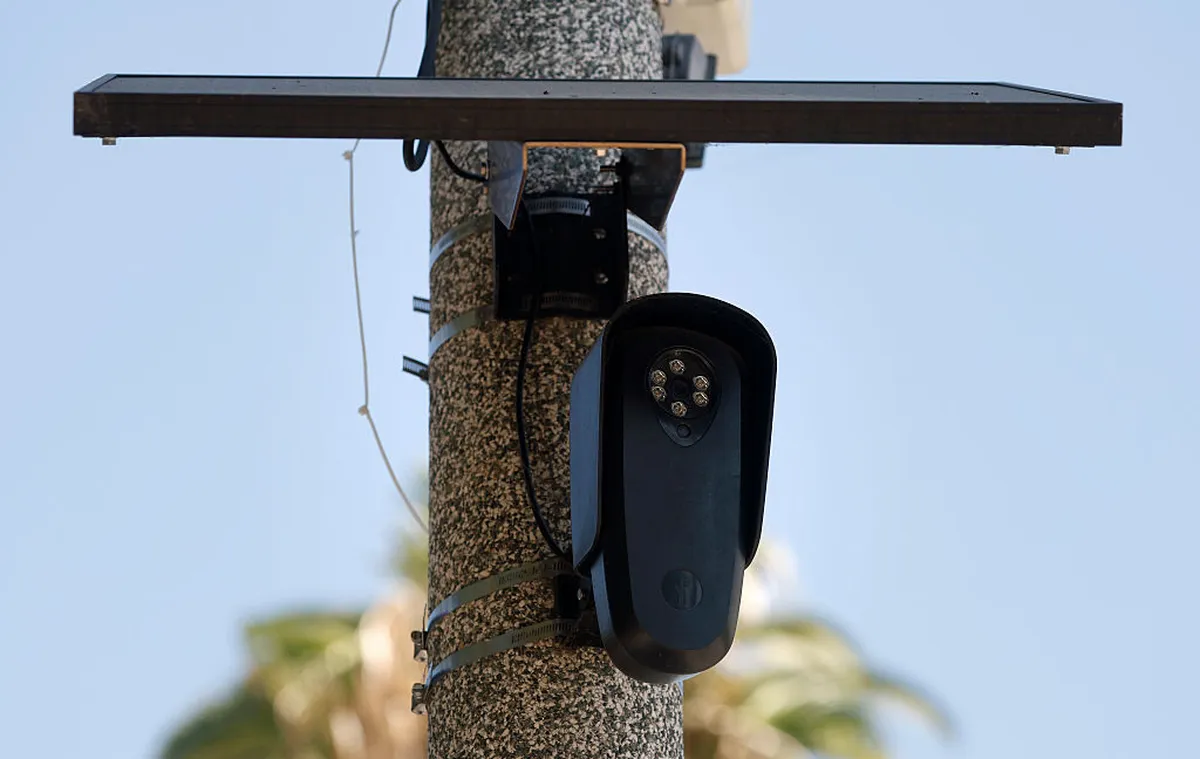
In a climate where policing practices are increasingly scrutinized, Flock, a company specializing in automated license plate recognition technology, has announced significant changes aimed at addressing the troubling issue of law enforcement officers abusing their access to surveillance tools. Following a disturbing trend of ‘stalker cops’—officers using Flock’s technology to monitor personal acquaintances—Flock’s CEO Garrett Langley has underscored the necessity for more robust safeguards. However, experts are skeptical about whether these new measures can genuinely curb misuse or if they represent merely a public relations effort.
Flock's new initiative includes a mandatory safety tool designed to lock out law enforcement personnel who exhibit suspicious behavior when accessing license plate data. Despite the good intentions behind these changes, the effectiveness of the technology remains in question, as experts point out that the system could be easily manipulated by those determined to misuse it.
Understanding Flock’s New Safety Tool
On August 13, 2026, Flock revealed plans to implement a mandatory audit assistance tool across all law enforcement agencies that utilize their license plate reader data. This tool is designed to monitor user behavior and automatically suspend access when certain criteria indicating abnormal activity are met. Once flagged, only an administrator can lift the suspension, a measure intended to prevent recurring misuse. Langley admitted that the company had previously underestimated the need for such a tool, stating, “This is such an obvious way to curb abuse. We got this one wrong. We should make it a requirement.”
While the company reported that the tool was available as a free feature since April 2026, only a third of the agencies had opted in, raising questions about the commitment to accountability within police departments. The urgency of Flock's move was accentuated by a specific case in Georgia, where three officers were arrested for using Flock cameras to stalk acquaintances.

Concerns About Transparency and Efficacy
Despite Flock’s proactive approach, there remains a significant lack of transparency regarding the effectiveness of their new safety measures. The American Civil Liberties Union (ACLU) has called for an independent evaluation of the technology, expressing concern that without concrete data, it is impossible to assess whether the tool effectively catches instances of misuse. “We don’t know if the tool is a real security measure or just window dressing,” the ACLU stated.
Currently, the absence of data on how many officers misuse the system makes it challenging to draw conclusions about the tool’s effectiveness. The ACLU emphasized that unless there is a clear understanding of the scope of the problem, it is impossible to determine whether the auditing tools are catching a significant percentage of violators or merely a small fraction. This lack of accountability can result in a culture of impunity within law enforcement agencies, where misconduct is swept under the rug.
The Role of Local Agencies in Police Accountability
Experts emphasize that while Flock's tool may help identify misuse, the ultimate responsibility for disciplining offending officers lies with local law enforcement agencies. Former San Francisco District Attorney Chesa Boudin highlighted this issue, noting that even if the technology flags an officer’s misuse, the decision to take corrective action is often influenced by the agency’s willingness to address the problem. Historically, police misconduct has been handled internally, making it easy for departments to obscure instances of abuse.
“It’s very difficult for anybody outside the department to know about it, and very easy for the department to sweep it under the rug,” Boudin articulated. He warned that without genuine political will for accountability, even the most sophisticated technology may fail to bring about meaningful change. The public may only learn about abuses through lawsuits or criminal investigations, which underscores the need for transparency and public oversight.

Potential Loopholes in Flock's Strategy
Along with the audit assistance tool, Flock has introduced a requirement for officers to provide case numbers for searches conducted using their technology. However, experts have raised concerns that this requirement could easily be circumvented by dishonest officers. Saira Hussain, a senior staff attorney at the Electronic Frontier Foundation, noted that a determined individual could simply provide a false case number and conduct unauthorized searches without triggering any alerts.
This concern has led the ACLU to question the efficacy of making previously optional features mandatory, arguing that the potential for manipulation remains. The lack of robust checks on the input provided by officers leaves room for abuse, which, when combined with the inherent challenges of policing misconduct, raises serious questions about the overall effectiveness of Flock’s strategy.

The Bigger Picture: The State of Police Surveillance
The issues surrounding Flock’s technology extend beyond the company itself. With approximately 40% of police departments in the United States leveraging Flock cameras and similar surveillance technology, the ACLU has expressed concern about the broader implications for civil liberties and privacy. As Flock continues to expand its reach, the potential for misuse of data raises critical questions about how such technologies are governed.
The ACLU has criticized Flock for what they view as a public relations maneuver aimed at addressing community concerns without enacting substantial change. The organization called for a more comprehensive approach to surveillance technology, one that includes meaningful checks and balances to prevent abuse.
Key Takeaways
- Flock has implemented new measures to curb police abuse of license plate data, including mandatory auditing tools.
- Experts remain skeptical about the effectiveness of these measures, citing potential loopholes and a lack of transparency.
- Accountability lies with local agencies, raising concerns about their willingness to address misconduct.
- Broader implications for civil liberties exist as Flock expands its surveillance technology across the U.S.
Frequently Asked Questions
What are Flock's new safety measures?
Flock has introduced a mandatory audit assistance tool that monitors user behavior and locks out law enforcement personnel who exhibit abnormal activity when accessing license plate data. Additionally, officers are now required to provide case numbers for searches, which is intended to enhance accountability.
How effective are these measures in preventing police misconduct?
Experts are skeptical about the effectiveness of Flock's measures. While the company reports that the audit tool has identified abuse in some cases, there is a lack of independent data to assess its overall efficacy. Concerns have been raised that dishonest officers could easily manipulate the system to avoid detection.
What role do local agencies play in police accountability?
Local law enforcement agencies are ultimately responsible for disciplining officers found to be misusing technology. Experts warn that internal handling of misconduct often leads to a lack of transparency and accountability, making it difficult for the public to know about abuses.
Why are privacy concerns significant in this context?
The widespread use of surveillance technology like Flock's raises serious questions about civil liberties and privacy. As more police departments adopt these technologies, the potential for misuse increases, highlighting the need for robust governance and oversight to protect individuals' rights.
Comments
New Court Rules Bring Transparency to Government Spyware Usage
Starting in 2029, U.S. courts will publicly disclose the frequency of government-authorized spyware usage, marking a significant shift toward transparency in surveillance practices. This move aims to enhance accountability and protect citizens' privacy rights amidst growing concerns over digital surveillance.

Related articles



Popular in Cybersecurity
- Federal Mandate for Autonomous Vehicles: A Call for Safety Compliance
- EU Mandates Google to Share Data and Open AI on Android: What It Means
- GitHub Revamps Bug Bounty Program: Implications for Developers and Security
- Australian Government Disables Thousands of Functional Broadband Routers: A Wasteful Decision
- Exploiting Redis: Understanding Zero-Day Vulnerabilities and Their Mitigation