How Ukrainian Drone Warfare is Reshaping Military Strategies
Recent exercises reveal how Ukrainian drones are redefining battlefield tactics and the future of armored warfare, with critical lessons for NATO and the U.S. military.
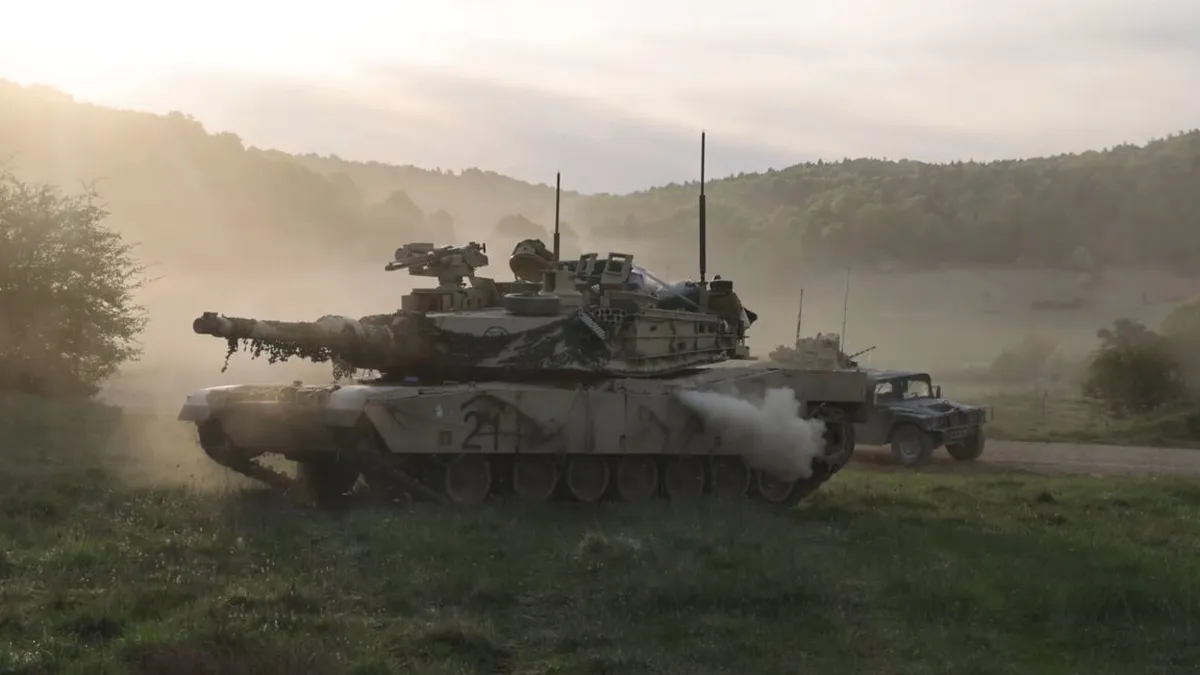
In a striking demonstration of modern warfare capabilities, Ukrainian drone operators recently decimated a brigade of U.S. Army tanks during the live military exercise known as Combined Resolve, held in Germany from April 9 to May 10, 2026. This incident not only showcased the evolving dynamics of battlefield technology but also served as a stark reminder of the lessons learned from the ongoing conflict in Ukraine. With the U.S. military finding itself on the receiving end of advanced drone tactics, the implications for future combat are profound.
The exercise, which involved the 3rd Armored Brigade Combat Team of the 1st Cavalry Division, allowed U.S. soldiers to experience firsthand the intense threat posed by drone warfare. Ukrainian drone teams employed tactics that mirrored actual combat scenarios, effectively replicating bombing runs and kamikaze strikes to target armored vehicles. As a result, U.S. tanks were destroyed in rapid succession, forcing troops to adapt their strategies on-the-fly, including utilizing electronic warfare to counter drone threats.
The Rise of Drone Warfare
The significance of this event extends beyond mere tactical defeats. Drones have fundamentally altered the landscape of warfare, transitioning from support roles to becoming central figures in modern military operations. The advent of drone technology, especially in the context of the Ukraine-Russia conflict, has prompted a reevaluation of traditional armored warfare. As the U.S. Army learned during Combined Resolve, the presence of drones can turn conventional strategies on their heads, rendering tanks and infantry formations vulnerable.
A Historical Perspective
Armored tanks have played a pivotal role in military history since their introduction during World War I. They were designed to break through enemy lines and provide strategic advantages on the battlefield. However, the current conflict in Ukraine has witnessed a return to positional warfare—a scenario characterized by fortified trenches and defensive postures. The increased lethality of drone strikes has forced armies to adopt more guerrilla-style tactics, relying on small units and individual soldiers for ground attacks.
The Impact on NATO and U.S. Military Strategies
The recent exercises involving Ukrainian drone teams have sparked discussions within NATO regarding the future of armored units. As militaries adapt to the changing landscape, they must grapple with the reality that large formations of tanks may no longer be viable in many combat situations. The U.S. military's request for over $54 billion in funding for drone and counter-drone systems in the fiscal year 2027 budget underscores the urgency for adaptation. This funding exceeds Ukraine's entire military budget, highlighting the shifting priorities in defense spending.
Lessons Learned from Combined Resolve
The Combined Resolve exercise provided valuable insights for U.S. forces, particularly regarding how to mitigate the threats posed by drones. By engaging in repeated training scenarios, soldiers learned effective strategies for dispersing and hiding from drone attacks. However, these lessons come at a time when armored vehicles are becoming increasingly endangered on the battlefield. Recent statistics reveal that Russia has lost over 14,000 tanks and armored vehicles, while Ukraine has lost more than 6,000 in the ongoing conflict.
- U.S. troops experienced rapid destruction of tanks during exercises.
- Combined Resolve highlighted the importance of adaptability in modern warfare.
- Ukraine's drone teams are setting benchmarks for effective battlefield strategies.
- NATO must reassess the role of traditional armored units in light of drone capabilities.
Shifting Tactics: The New Battlefield
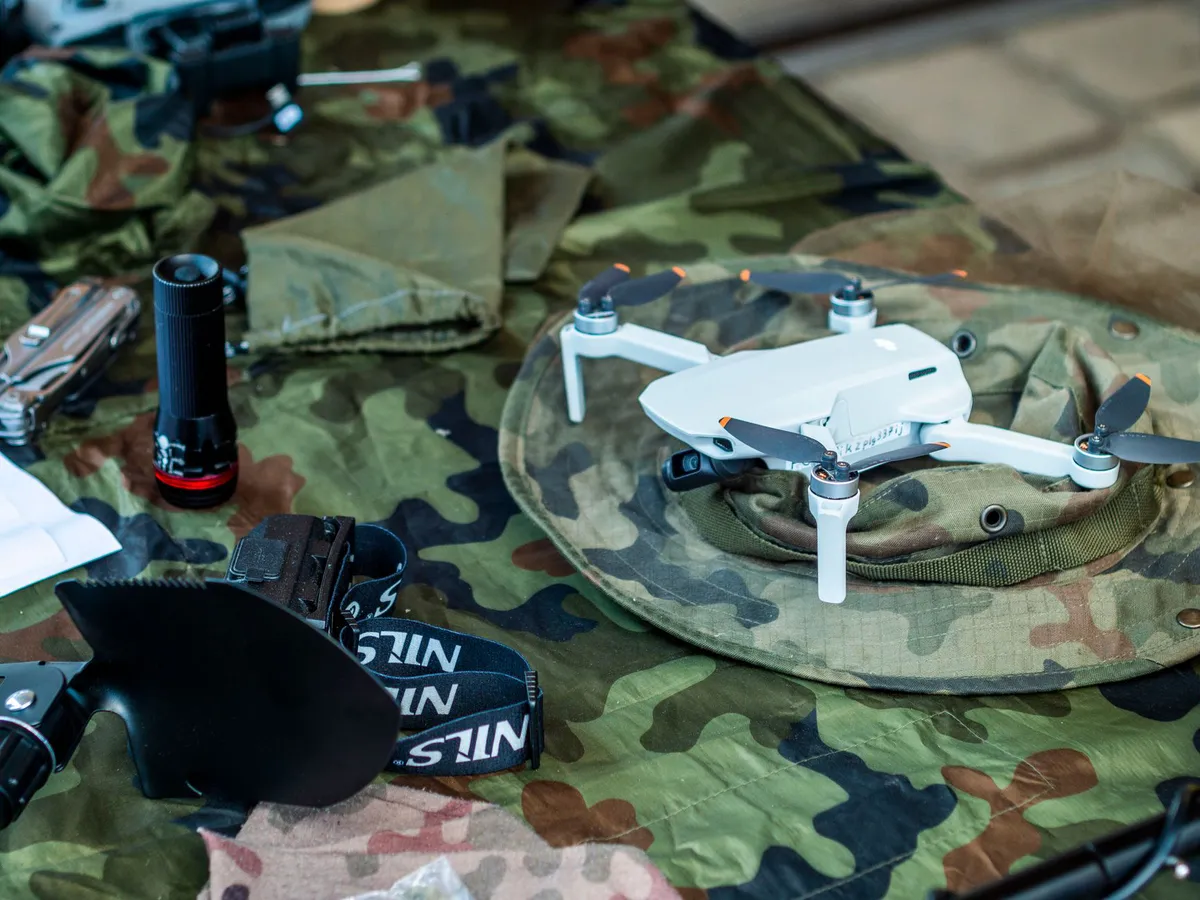
As drone technology continues to evolve, the tactics employed by both Ukraine and Russia reveal a broader shift in military strategy. While both sides still attempt mechanized assaults, the nature of these operations has changed dramatically. Ukrainian forces have begun using armored vehicles more strategically, often integrating electronic warfare to disable enemy drones and protect their units. This evolution in tactics represents a significant departure from conventional warfare principles and highlights the need for continuous adaptation.
The Role of Electronic Warfare
Electronic warfare has emerged as a critical component of modern combat, particularly in countering drone threats. The ability to jam or disrupt drone signals can significantly enhance the survivability of armored units. During recent engagements, Ukrainian forces have reportedly targeted Russian drone operators directly, indicating a shift toward a more comprehensive approach to battlefield engagement. This dual focus on both offensive and defensive strategies is essential in navigating the complexities of contemporary warfare.
Consequences for Future Conflicts
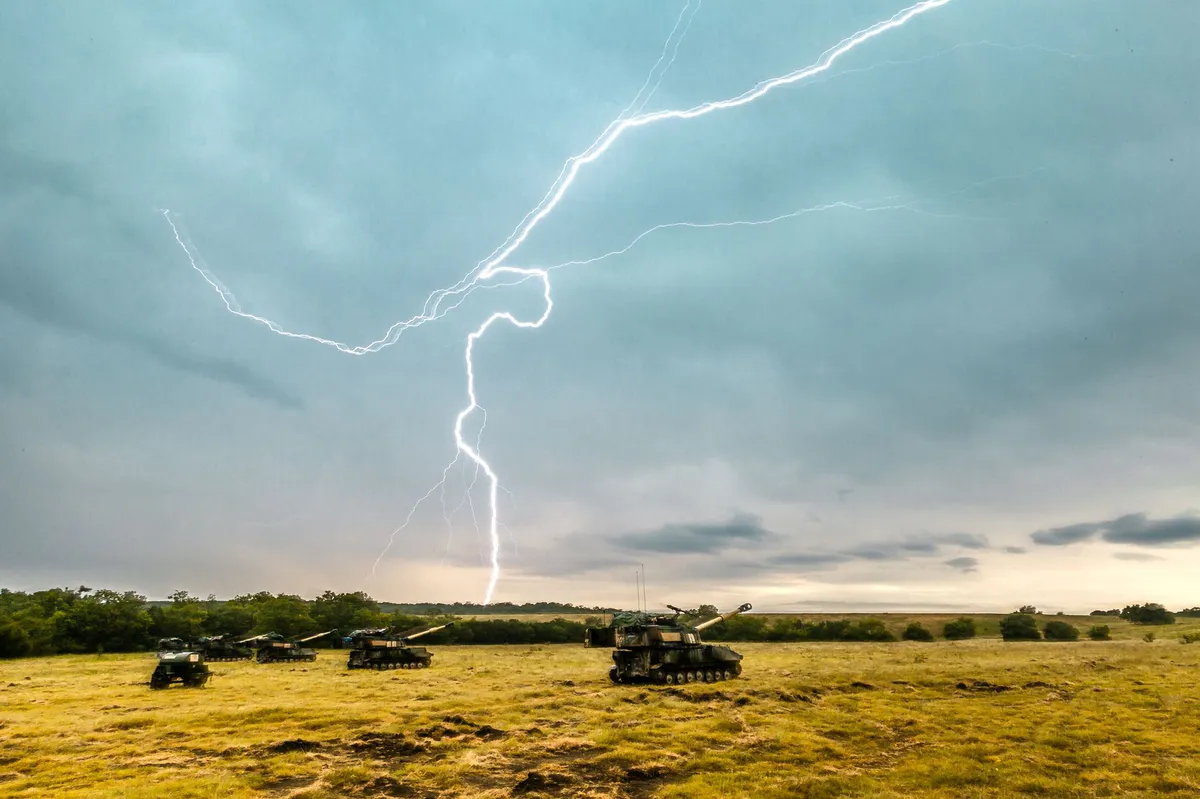
The lessons learned from Ukrainian drone operations have far-reaching implications for future conflicts, particularly for NATO and the U.S. military. As adversaries continue to adopt and refine drone technologies, it is essential for military planners to reassess their strategies and operational doctrines. The reliance on traditional armored units may need to be re-evaluated, and new training protocols must be established to prepare troops for the realities of drone warfare.
Redefining Armored Warfare
The question remains: Can armored warfare survive in the age of drones? While recent events suggest that tanks and armored vehicles are increasingly at risk, it is essential to consider how these units can be integrated into modern combat effectively. Innovations in armor technology, combined with tactics that emphasize mobility and adaptability, may offer solutions to this dilemma. The U.S. military must invest in research and development to enhance the resilience of armored units in a landscape where drones dominate.
Key Takeaways
- Ukrainian drone warfare is reshaping military strategies and tactics.
- Combined Resolve highlighted the vulnerabilities of traditional armored units.
- Investment in drone and counter-drone technology is critical for future military readiness.
- Electronic warfare is becoming essential for protecting armored vehicles on the battlefield.
Frequently Asked Questions
What are the primary lessons learned from the Combined Resolve exercise?
The Combined Resolve exercise revealed the significant threats posed by drone warfare to traditional armored units. U.S. soldiers learned the importance of adaptability, including the necessity for new strategies to counter drone attacks. The rapid destruction of armored vehicles during the exercise underscored the need for ongoing training and the integration of electronic warfare tactics to enhance survivability on the battlefield.
How is drone warfare changing military strategies worldwide?
Drone warfare is fundamentally altering military strategies by emphasizing the importance of mobility, adaptability, and small-unit tactics. As nations recognize the effectiveness of drones in combat situations, traditional approaches to warfare are being challenged. This shift is prompting militaries to invest in new technologies and rethink their operational doctrines to address the evolving landscape of modern conflict.
Can armored warfare coexist with drone technology?
While the rise of drone technology poses challenges for traditional armored warfare, it is not necessarily the end of tanks and armored units. Innovations in armor design, combined with effective tactics that leverage mobility and electronic warfare, may enable armored units to retain a role in future conflicts. However, it will require significant adaptation and investment in training to ensure their effectiveness in an era dominated by drones.
Comments
New Court Rules Bring Transparency to Government Spyware Usage
Starting in 2029, U.S. courts will publicly disclose the frequency of government-authorized spyware usage, marking a significant shift toward transparency in surveillance practices. This move aims to enhance accountability and protect citizens' privacy rights amidst growing concerns over digital surveillance.

Related articles



Popular in Cybersecurity
- Federal Mandate for Autonomous Vehicles: A Call for Safety Compliance
- EU Mandates Google to Share Data and Open AI on Android: What It Means
- GitHub Revamps Bug Bounty Program: Implications for Developers and Security
- Australian Government Disables Thousands of Functional Broadband Routers: A Wasteful Decision
- Exploiting Redis: Understanding Zero-Day Vulnerabilities and Their Mitigation