Exploiting TrueConf Server Vulnerabilities: The PhantomCore Threat
The recent vulnerabilities in TrueConf Server have raised alarms in the cybersecurity community. This article explores how these flaws can be exploited, the implications for businesses, and how to mitigate risks.
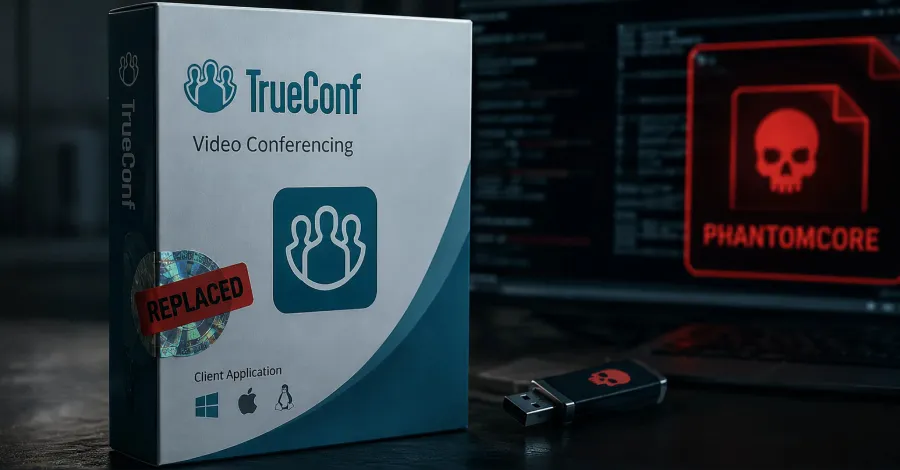
In an age where remote communication tools have become indispensable for businesses, the security of platforms like TrueConf Server is paramount. Recent vulnerabilities discovered in this popular video conferencing software have raised significant concerns, revealing how attackers can exploit weaknesses to replace legitimate client installers with malicious software dubbed PhantomCore. This situation serves as a stark reminder of the potential risks posed by unpatched systems and the critical need for continuous vigilance in cybersecurity.
The implications of these vulnerabilities extend beyond just the safety of individual users. They highlight a broader issue within the cybersecurity landscape, where identity exposure can unlock pathways for privilege escalation, leading to severe breaches. As organizations increasingly rely on digital communication tools, understanding the risks associated with their use becomes essential.
Understanding TrueConf Server Vulnerabilities
TrueConf Server is a widely used solution for video conferencing and collaboration, especially among businesses that prioritize secure communications. However, recent reports have uncovered two significant security flaws that can be exploited by attackers. These vulnerabilities allow for the replacement of client installers with malware, creating a direct path for malicious actors to gain unauthorized access to sensitive data.
How the Exploitation Works
The exploitation of these vulnerabilities is both technical and alarmingly straightforward. Attackers can manipulate the software update mechanisms to insert malicious code into the installation process. Once this occurs, unsuspecting users who download and install the compromised software inadvertently grant attackers access to their systems, potentially leading to data breaches and further exploitation.
The PhantomCore Threat
PhantomCore is the name given to the malware that can be introduced through these vulnerabilities. Once installed, this malware operates stealthily, often evading traditional security measures. Its capabilities can include data exfiltration, remote access to compromised systems, and lateral movement within the corporate network.
The implications of PhantomCore are profound. Organizations that fall victim to this malware could face significant financial losses due to data breaches, regulatory fines, and damage to their reputations. Moreover, the ease with which attackers can exploit TrueConf Server vulnerabilities underscores the urgent need for robust security practices within organizations.
Mapping Active Attack Paths
One of the critical aspects of understanding these vulnerabilities is mapping the active attack paths that exploit them. By analyzing how identity exposure can lead to privilege escalation, organizations can identify key choke points in their security architecture. This proactive approach allows IT teams to sever potential breach routes and strengthen their defenses against similar attacks in the future.
- Regularly update and patch systems: Ensure that all software, including TrueConf Server, is up to date with the latest security patches.
- Implement least privilege access: Limit user permissions to only what is necessary for their roles, reducing the impact of a potential breach.
- Conduct regular security audits: Regularly assess your organization's security posture to identify vulnerabilities before they can be exploited.
- Educate employees: Provide training on recognizing phishing attacks and other common exploitation tactics.

Legal and Market Context
The legal implications of security breaches stemming from these vulnerabilities are significant. Organizations can face lawsuits from affected clients, regulatory scrutiny from bodies such as the Federal Trade Commission (FTC), and penalties from data protection laws like the General Data Protection Regulation (GDPR). As the cybersecurity landscape evolves, staying compliant with these regulations is crucial for organizations.
From a market perspective, the rise of remote work and video conferencing tools has made platforms like TrueConf Server indispensable. However, this increased reliance on digital communication only heightens the importance of robust cybersecurity measures. Companies must balance the benefits of these technologies with the potential risks they introduce.

What Organizations Should Do Now
In light of the vulnerabilities identified in TrueConf Server, organizations must take immediate action to safeguard their systems. This includes not only patching the identified vulnerabilities but also developing a comprehensive cybersecurity strategy that encompasses threat detection, incident response, and employee training.
Additionally, organizations should consider implementing multi-factor authentication (MFA) to add an extra layer of security when accessing sensitive systems. By doing so, even if a user's credentials are compromised, unauthorized access can still be prevented.
Key Takeaways
- TrueConf Server vulnerabilities can lead to the installation of malicious software like PhantomCore.
- Organizations must regularly update and patch their systems to prevent exploitation.
- Mapping active attack paths is essential for identifying potential security weaknesses.
- The legal and financial implications of security breaches can be severe.

Frequently Asked Questions
What should I do if I suspect a breach?
If you suspect a breach, it is crucial to act quickly. Begin by isolating the affected systems to prevent further spread of the malware. Next, conduct a thorough investigation to assess the extent of the breach. Notify relevant stakeholders, including clients and regulatory bodies if necessary, and implement your incident response plan to mitigate damages.
How can organizations protect themselves from similar vulnerabilities?
Organizations can protect themselves by implementing a multi-faceted approach to cybersecurity. This includes regular software updates, employee training to recognize phishing attempts, and conducting regular security audits. Additionally, utilizing advanced threat detection systems can help identify and neutralize threats before they can cause harm.
Are there specific compliance requirements related to cybersecurity?
Yes, organizations must adhere to various compliance requirements depending on their industry and location. For instance, healthcare organizations must comply with the Health Insurance Portability and Accountability Act (HIPAA), while businesses operating in Europe must comply with the General Data Protection Regulation (GDPR). Ensuring compliance not only protects your organization from legal penalties but also enhances your overall security posture.
What are the costs associated with a data breach?
The costs of a data breach can be staggering. According to various reports, the average cost of a data breach in the United States is approximately $4.24 million. This figure encompasses not only direct costs such as legal fees and regulatory fines but also indirect costs such as lost business and reputational damage. Organizations must recognize that investing in cybersecurity is a critical component of their business strategy.
Comments
Social Media Giants Face Legal Challenges Over User Addiction Claims
Social media platforms like Meta, TikTok, and Snapchat are confronting thousands of lawsuits alleging they designed addictive environments for minors. With a recent court ruling against them, the implications for the industry could be significant.

Related articles




Popular in Cybersecurity
- Federal Mandate for Autonomous Vehicles: A Call for Safety Compliance
- EU Mandates Google to Share Data and Open AI on Android: What It Means
- GitHub Revamps Bug Bounty Program: Implications for Developers and Security
- Australian Government Disables Thousands of Functional Broadband Routers: A Wasteful Decision
- Exploiting Redis: Understanding Zero-Day Vulnerabilities and Their Mitigation