Meta's $567 Million Judgment: A Landmark Ruling on Youth Mental Health
A New Mexico judge has ordered Meta to pay $567 million to fund mental health treatment for youth, marking a significant legal victory in the fight against social media-related harm.

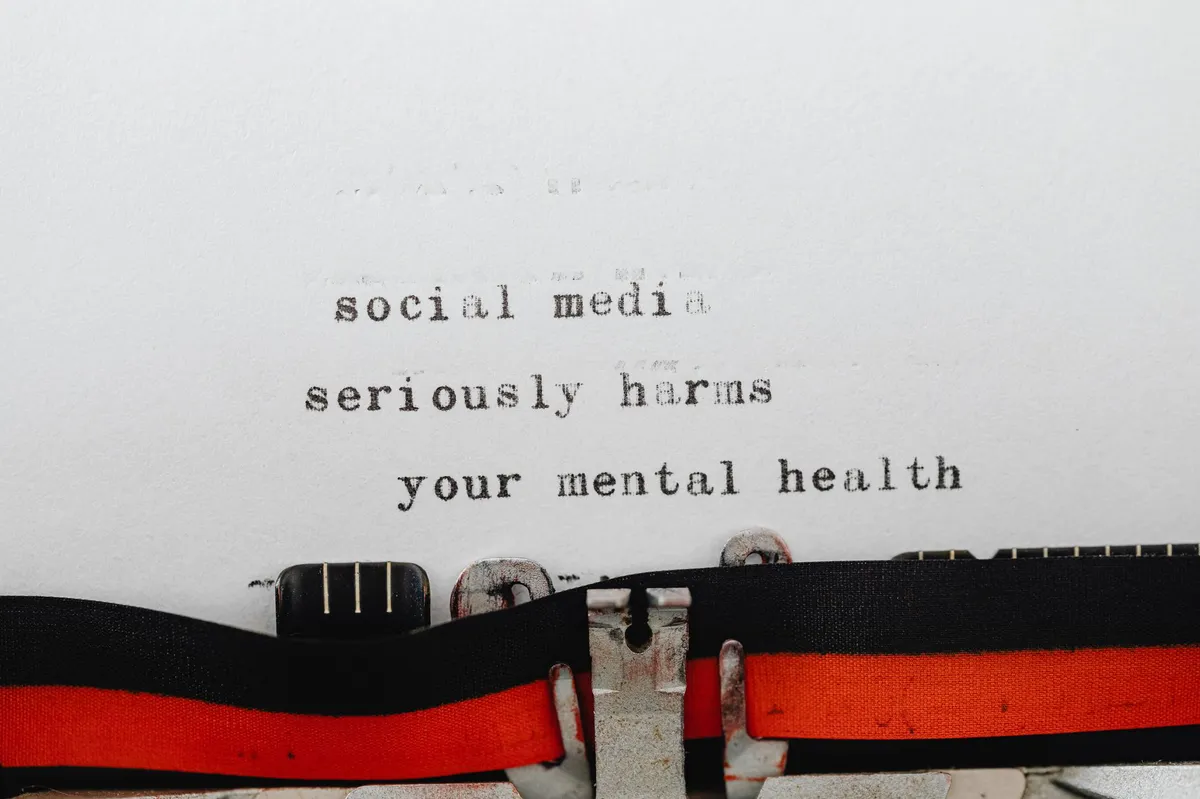
In a groundbreaking legal ruling that could reshape the landscape of social media responsibility, a New Mexico judge has ordered Meta, the parent company of Facebook, Instagram, and WhatsApp, to pay $567 million to establish a fund aimed at addressing the youth mental health crisis exacerbated by its platforms. This decision, announced on August 7, 2026, comes on the heels of a jury's earlier finding that Meta failed to protect children from exploitation and misled parents regarding the safety of its applications. As social media's influence on younger generations continues to grow, this ruling raises critical questions about corporate accountability and the role of technology companies in safeguarding public health.
The judgment, delivered by Judge Bryan Biedscheid, categorizes Meta's actions as creating a "public nuisance," a legal term that signifies behavior harmful to the community. The ruling not only highlights the severe mental health challenges faced by youth in New Mexico but also underscores the broader implications of social media's pervasive presence in the lives of young people. With the state experiencing alarming rates of suicide and eating disorders, the court's decision emphasizes the urgent need for action to counteract the detrimental effects of social media usage.

Understanding the Public Nuisance Ruling
The term "public nuisance" has historical roots in law, typically used to describe actions that infringe upon the rights of the community. Judge Biedscheid's ruling identifies Meta as a significant contributor to this public nuisance, asserting that its engagement-driven platform features have led to increased risks for young users. The judge's decision was informed by evidence indicating that New Mexico’s youth are suffering from a mental health crisis exacerbated by social media. This includes exposure to online predators and the adverse impacts on education and mental well-being.
The Legal Journey
The legal proceedings began when New Mexico Attorney General Raul Torrez filed a lawsuit against Meta in 2023, alleging violations of state consumer protection laws. The case unfolded in phases, with the jury trial in March 2026 focusing on Meta's unfair practices. The second phase of the trial sought to determine the extent of Meta's responsibility for the public nuisance affecting youth mental health. Ultimately, the court found that Meta's practices not only failed to protect children but actively contributed to harmful outcomes.

The Financial Implications of the Judgment
The court's order to establish a fund totaling $567 million breaks down as follows:
- $420 million dedicated to mental health treatment
- $90 million for screening and assessment
- $33 million for awareness and prevention initiatives
- $24 million for other related costs
This allocation reflects a comprehensive approach to addressing the multifaceted nature of the youth mental health crisis. The judge's rejection of a proposal to fund new community health centers demonstrates a focused strategy aimed at directly mitigating the harm caused by social media, rather than broad infrastructural changes.
Meta's Financial Profile
For context, Meta reported impressive financial results in Q2 2026, with revenues of $60.8 billion and a net income of $15.85 billion. This stark contrast between the company's financial success and the societal costs associated with its platforms raises serious ethical questions about the responsibilities of tech giants. As the ruling unfolds, the financial repercussions for Meta could significantly impact how it operates and manages its platforms, potentially leading to more stringent safety measures.
The Broader Impact on Social Media Regulation
This ruling could set a precedent for other states and legal entities to hold social media companies accountable for their role in public health crises. The New Mexico case highlights a growing trend where legislators and regulators are increasingly scrutinizing how tech companies manage user safety, particularly for vulnerable populations like children and adolescents.
Potential for Future Lawsuits
As the public becomes more aware of the potential harms associated with social media, this ruling could inspire similar lawsuits across the United States. Other social media platforms may also face scrutiny as they navigate the challenges of protecting young users from exploitation and mental health issues. The ruling reflects a shift in legal perspectives, where the onus is placed on tech companies to demonstrate that they are actively working to mitigate risks rather than simply profiting from user engagement.
Key Takeaways
- Meta has been ordered to establish a $567 million fund to address youth mental health issues linked to its platforms.
- The ruling classifies Meta’s actions as a "public nuisance," marking a significant legal precedent.
- Financial allocations will focus on treatment, prevention, and assessment, directly addressing the impacts of social media.
- Meta plans to appeal the ruling, asserting its commitment to user safety.
- This case may pave the way for similar lawsuits against social media companies nationwide.
Frequently Asked Questions
What prompted the lawsuit against Meta?
The lawsuit was initiated by New Mexico Attorney General Raul Torrez in response to the increasing mental health crisis among youth in the state, which was believed to be exacerbated by the practices of Meta's social media platforms. The case highlighted issues related to child exploitation and inadequate safety measures, leading to a jury trial that ultimately found Meta liable for civil damages.
What are the implications of the ruling for Meta?
The ruling imposes significant financial obligations on Meta, requiring it to fund mental health treatment and support services for youth. This may compel the company to reconsider its platform features and safety protocols, particularly those that prioritize engagement over user protection. Additionally, the ruling may serve as a catalyst for increased regulatory scrutiny and legal challenges against Meta and similar tech companies.
How might this ruling affect social media users?
This ruling could lead to enhanced safety measures on social media platforms, particularly for young users. As awareness grows around the impacts of social media on mental health, users may benefit from improved resources and support systems designed to mitigate risks. The outcome of this case may also influence public perceptions of social media, prompting users to advocate for safer online environments.
What can parents do in light of this ruling?
Parents should remain vigilant and proactive in monitoring their children's social media use. This includes educating young users about online safety, encouraging open conversations about their experiences, and advocating for better protections from social media companies. As legal actions like this one gain traction, parents can also support initiatives aimed at strengthening regulations that promote the health and safety of children in digital spaces.
Comments
Flesh-Eating Screwworms in Mexico: A Growing Public Health Threat
The re-emergence of flesh-eating screwworms in Mexico has led to over 500 human cases and alarming fatalities. This article delves into the implications for public health, livestock, and preventive measures.

Related articles






Popular in Cybersecurity
- Federal Mandate for Autonomous Vehicles: A Call for Safety Compliance
- EU Mandates Google to Share Data and Open AI on Android: What It Means
- GitHub Revamps Bug Bounty Program: Implications for Developers and Security
- Australian Government Disables Thousands of Functional Broadband Routers: A Wasteful Decision
- Exploiting Redis: Understanding Zero-Day Vulnerabilities and Their Mitigation