Flesh-Eating Screwworms in Mexico: A Growing Public Health Threat
The re-emergence of flesh-eating screwworms in Mexico has led to over 500 human cases and alarming fatalities. This article delves into the implications for public health, livestock, and preventive measures.
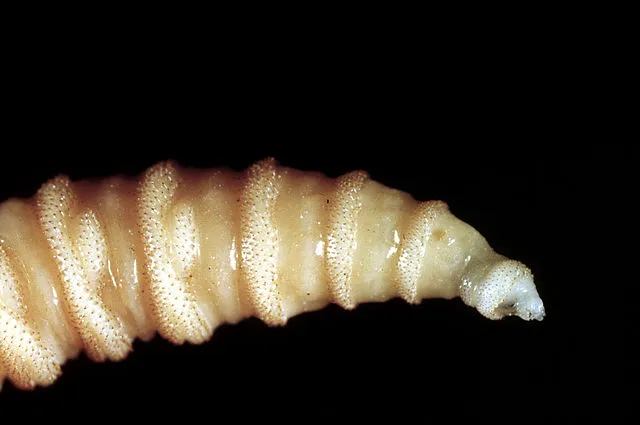
The return of flesh-eating screwworms, specifically the New World screwworm (NWS) fly, to Mexico has raised significant alarm among health officials and the general public alike. Since their re-invasion in 2024, Mexico has witnessed a shocking rise in human cases, with reports indicating over 500 infestations within just two years. This resurgence has not only resulted in severe health complications among affected individuals but has also led to six reported deaths, highlighting the urgent need for comprehensive public health strategies and awareness.
This article aims to unpack the implications of this disturbing trend, examining the biological behaviors of the screwworm, the health consequences for humans, and the broader impact on livestock and agriculture. Additionally, we will explore potential preventive measures and what can be done to mitigate the threat posed by these parasites.
Understanding the New World Screwworm Fly
The New World screwworm fly is notorious for its parasitic behavior. The adult female lays hundreds of eggs in open wounds or on the mucous membranes of warm-blooded animals, including humans. Within a day, these eggs hatch into larvae that begin to voraciously consume the living flesh of their hosts.
This type of infestation, known as myiasis, can result in rapidly enlarging wounds that may lead to severe health complications, including:
- Painful wounds that can destroy muscle, cartilage, and bone.
- Secondary infections that could lead to systemic issues like sepsis.
- Risk of death if the infestation is not treated swiftly.
Once endemic to the region, the NWS fly had been eradicated due to extensive control measures, including the release of sterilized male flies aimed at disrupting the breeding cycle. Mexico officially declared the NWS eradicated in 2003, following similar measures in the U.S. and Central America. However, after a breach of a biological barrier in Panama in 2022, the fly's population surged again, leading to a troubling resurgence in both livestock and, increasingly, human cases.

Current Situation in Mexico
As of August 2026, there have been over 36,000 reported animal cases of NWS in Mexico, with nearly 2,000 currently active. The alarming rate of human infections has risen sharply; the Ministry of Health noted that while cases were being reported at approximately three per week in 2025, the pace has surged to over nine per week in 2026.
A recent study published in the journal Emerging Infectious Diseases analyzed data from 202 confirmed human cases of NWS myiasis from April 2025 to March 2026. The findings revealed that:
- Approximately 72% of cases were in male patients.
- The average age of affected individuals was 61 years, with cases spanning from ages 12 to 93.
- Most cases (77%) involved patients with underlying health conditions such as diabetes, cancers, and skin ailments.
Notably, the most common sites of infestation were the legs and feet, accounting for 55% of cases, while other affected areas included the head, neck, and facial regions.

Impact on Public Health
The implications of the NWS resurgence extend beyond individual health concerns; they pose a broader threat to public health systems. The increasing number of myiasis cases suggests a growing need for coordinated response efforts between human health and veterinary sectors. The study's authors emphasize the necessity of a One Health approach, which integrates human, animal, and environmental health strategies.
Key recommendations for addressing this public health crisis include:
- Enhanced surveillance and diagnostic preparedness to identify and respond to new cases rapidly.
- Control measures for animal movement to prevent the spread of NWS.
- Public health campaigns to educate at-risk populations about recognizing and treating wounds promptly.
Furthermore, understanding why certain demographics, particularly men, are more susceptible to infestations could help tailor preventive measures. Speculated factors include occupational exposure, outdoor activities, and delays in seeking medical attention.
What This Means for Livestock and Agriculture
Livestock is particularly vulnerable to NWS infestations, which can lead to severe economic losses for farmers and the agricultural sector. Infected animals often suffer from debilitating wounds, reducing their productivity and, in some cases, leading to death. This situation creates a ripple effect throughout the food supply chain, affecting everything from local economies to international trade.
In the U.S., where the first animal cases were reported in Texas in June 2026, the USDA has already recorded 45 cases. While no human cases have been reported yet in the U.S. related to this resurgence, vigilance and preventive measures are paramount to avoid a similar situation.
Preventive Measures and Future Outlook
Given the potential for NWS infestations to spread, several steps can be taken to mitigate the threat:
- Implementing robust surveillance systems to detect early signs of infestation in both humans and animals.
- Investing in public health education to inform the public about the risks and encourage immediate medical attention for wounds.
- Collaborating across sectors to ensure comprehensive control measures are in place.
As the situation evolves, ongoing research and monitoring will be critical in understanding the dynamics of NWS populations and their impact on health. Continued collaboration between health professionals, policymakers, and agricultural sectors is essential to develop effective strategies to combat this alarming public health threat.

Key Takeaways
- Over 500 human cases of flesh-eating screwworms have been reported in Mexico since 2024.
- Six deaths are linked to the infestations, underscoring severe health risks.
- Public health measures must integrate human and animal health strategies to effectively combat the threat.
- Vigilance is crucial as NWS cases are also reported in the U.S., demanding preventive measures.
- Understanding the demographics of affected individuals can help tailor prevention efforts.
Frequently Asked Questions
What are flesh-eating screwworms?
The New World screwworm (NWS) is a parasitic fly that lays eggs in the wounds of warm-blooded animals, including humans. The larvae hatch and feed on the living tissue, resulting in severe wounds and potential health complications.
How can NWS infestations be prevented?
Prevention strategies include enhancing surveillance systems for early detection, educating the public about the risks of untreated wounds, and implementing control measures for animal movement to prevent the spread of the flies.
What should I do if I suspect an infestation?
If you suspect an NWS infestation or have a wound that is not healing, seek immediate medical attention. Early intervention is critical to managing the health risks associated with myiasis.
Are there any treatments for NWS myiasis?
Treatment for NWS myiasis typically involves the removal of the maggots from the wound, cleaning the area, and addressing any secondary infections. In severe cases, surgical intervention may be necessary to prevent further tissue damage.
Comments
Meta's $567 Million Judgment: A Landmark Ruling on Youth Mental Health
A New Mexico judge has ordered Meta to pay $567 million to fund mental health treatment for youth, marking a significant legal victory in the fight against social media-related harm.

Related articles







Popular in Cybersecurity
- Federal Mandate for Autonomous Vehicles: A Call for Safety Compliance
- EU Mandates Google to Share Data and Open AI on Android: What It Means
- GitHub Revamps Bug Bounty Program: Implications for Developers and Security
- Australian Government Disables Thousands of Functional Broadband Routers: A Wasteful Decision
- Exploiting Redis: Understanding Zero-Day Vulnerabilities and Their Mitigation