CDC's Slow Response to Nationwide Cyclospora Outbreak Raises Concerns
As the CDC gears up to respond to a widespread Cyclospora outbreak affecting nearly 23,000 people, questions arise about food safety and governmental accountability.
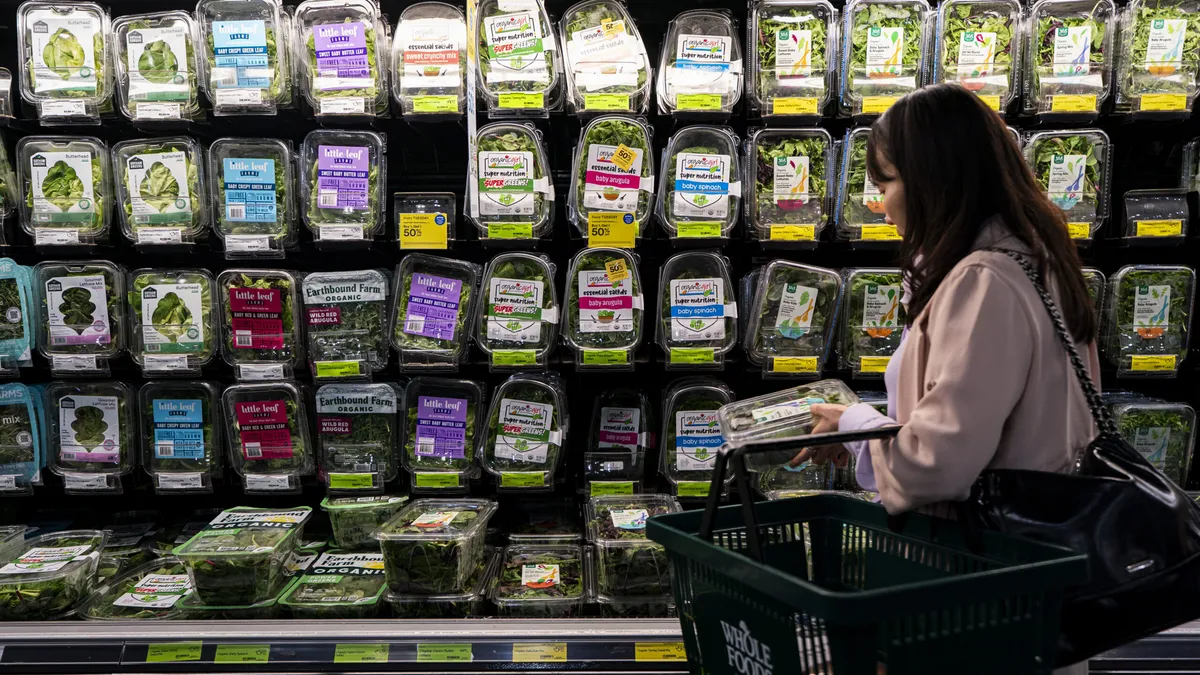
In a troubling public health crisis, nearly 23,000 people across 47 states are grappling with the consequences of a Cyclospora outbreak, a parasitic infection that has sent over 500 individuals to hospitals and claimed two lives. The Centers for Disease Control and Prevention (CDC), along with the Food and Drug Administration (FDA), has faced significant criticism for its sluggish response to this alarming situation. As the nation seeks clarity on the risks associated with fresh produce, particularly lettuce linked to Taco Bell restaurants, the efficacy of government oversight and food safety measures comes into sharp focus.
The outbreak, which began in June, has primarily impacted Michigan, where the state health department reported the highest case count. As of August 5, Michigan had recorded 12,218 cases, with officials noting that the two fatalities were linked to individuals who had pre-existing health conditions that were exacerbated by the infection and subsequent dehydration. As new cases continue to emerge, public trust in food safety systems is at stake.
Understanding Cyclospora: The Parasite and Its Effects
Cyclospora cayetanensis is a unicellular parasite that is primarily transmitted through contaminated food and water. Symptoms of cyclosporiasis, the infection caused by Cyclospora, include:
- Explosive watery diarrhea
- Abdominal pain and cramping
- Nausea and vomiting
- Bloating and gas
While most infections are not fatal, the discomfort can be severe, particularly for those with weakened immune systems. The CDC emphasizes that the body can sometimes take weeks to completely recover from the infection, which can lead to a prolonged period of illness and missed work for those affected.
The Current Outbreak: Extent and Impact
The CDC's latest data indicates that the outbreak has now reached 47 states, with the list of affected areas expanding from nine to fifteen as investigations continue. The states currently linked to the outbreak include:
- Michigan
- Illinois
- Indiana
- Kansas
- Kentucky
- Ohio
- Oklahoma
- Pennsylvania
- West Virginia
- Arkansas
- Iowa
- Missouri
- Nebraska
- New Hampshire
- North Carolina
The common thread among these cases has been traced back to shredded iceberg lettuce distributed by Taylor Farms, a major supplier to Taco Bell and other food outlets. This connection has raised serious questions about food safety protocols and the complexities of tracing contaminated food sources in a nationwide supply chain.
The Role of Regulatory Agencies
The CDC and FDA’s delayed response to the outbreak has prompted scrutiny from various public health experts and legislators. Following the initial reports of illness, the CDC announced plans to establish a formal response team to tackle the outbreak. However, as of the latest updates, the agency has yet to provide timely information to the public regarding the status and safety of food products linked to the outbreak.
In fact, the CDC's outbreak pages still show outdated information, failing to reflect the growing number of states involved or the fatalities. This lack of transparency has left consumers in the dark about potential risks when consuming fresh produce, especially when considering the widespread popularity of salads and lettuce-based dishes in American diets.

Controversies and Communication Breakdown
The situation has been complicated by a series of miscommunications between regulatory agencies and the affected companies. In July, the FDA announced that a sample of Taylor Farms' lettuce had tested positive for Cyclospora, only to retract the statement the next day, calling it a false positive. This retraction led to confusion and a perception that the company was absolved of blame, despite ongoing traceback investigations linking it to the outbreak.
Furthermore, financial ties between Taylor Farms and the Trump administration have sparked controversy. Reports revealed that Taylor Farms had donated $1 million to a super PAC supporting the administration just days after a delay in announcing a critical FDA rule aimed at improving food traceability. The implications of such donations on regulatory actions raise ethical questions about the influence of corporate money in public health decisions.

International Implications and Broader Concerns
The outbreak has not only impacted the United States but has also drawn attention from international health agencies. Notably, the UK Health Security Agency reported a sharp rise in cyclosporiasis cases among travelers returning from Mexico, further solidifying the connection between the parasite and contaminated produce from that region. Among 51 reported cases, 48 individuals had a history of travel to Mexico.
The implications of this outbreak extend beyond immediate health concerns; they highlight the vulnerabilities in the food supply chain and the need for more robust food safety regulations. As more consumers demand transparency regarding the origins of their food, it becomes imperative for companies and regulatory bodies to prioritize traceability and consumer safety.
Key Takeaways
- The Cyclospora outbreak has affected nearly 23,000 people across 47 states, highlighting the risks associated with contaminated food.
- Taylor Farms’ shredded iceberg lettuce has been linked to the outbreak, raising questions about food safety and corporate responsibility.
- The CDC and FDA have faced criticism for their slow response and lack of clear communication regarding the outbreak.
- Public health experts stress the importance of enhancing food traceability measures to prevent future outbreaks.
Frequently Asked Questions
What is Cyclospora and how is it transmitted?
Cyclospora is a microscopic parasite that causes an intestinal infection called cyclosporiasis, primarily transmitted through contaminated food and water. Foods commonly associated with Cyclospora outbreaks include fresh produce such as lettuce, berries, and herbs. Consuming contaminated food can lead to severe gastrointestinal symptoms, particularly in individuals with weakened immune systems.
What should consumers do to protect themselves from Cyclospora?
To minimize the risk of infection from Cyclospora, consumers should practice safe food handling techniques, such as washing fresh produce thoroughly under running water and avoiding cross-contamination with other foods. Additionally, staying informed about current food recalls and outbreaks can help consumers make safer choices when shopping for groceries.
How does the government respond to foodborne outbreaks?
When a foodborne outbreak occurs, the CDC and FDA work together to investigate the source of the outbreak, conduct traceback investigations, and monitor reported cases. The agencies communicate with state health departments to coordinate responses and inform the public about potential risks. However, the effectiveness of this response can vary, as evidenced by the current Cyclospora outbreak.
What are the potential long-term effects of cyclosporiasis?
While most individuals recover from cyclosporiasis, some may experience prolonged symptoms or complications, particularly those with underlying health conditions. In rare cases, severe dehydration from prolonged diarrhea can lead to hospitalization. Public health officials recommend seeking medical attention if symptoms persist or worsen, as timely treatment can alleviate complications.
Comments
Understanding Identity Exposure: The Risks of Discounted Access and Active Attack Paths
Explore the implications of identity exposure in cybersecurity, particularly in the context of discounted access to sensitive systems. Learn how cross-domain privilege escalation can lead to severe breaches and what businesses can do to protect themselves.

Related articles




Popular in Cybersecurity
- Federal Mandate for Autonomous Vehicles: A Call for Safety Compliance
- EU Mandates Google to Share Data and Open AI on Android: What It Means
- GitHub Revamps Bug Bounty Program: Implications for Developers and Security
- Australian Government Disables Thousands of Functional Broadband Routers: A Wasteful Decision
- Exploiting Redis: Understanding Zero-Day Vulnerabilities and Their Mitigation