Open VSX Takes Action Against Malicious Extensions: A Call to Developers
Open VSX has removed 77 malicious extensions designed to exfiltrate developer data, highlighting ongoing threats in the developer ecosystem. This article explores the implications for developers and the broader tech landscape.
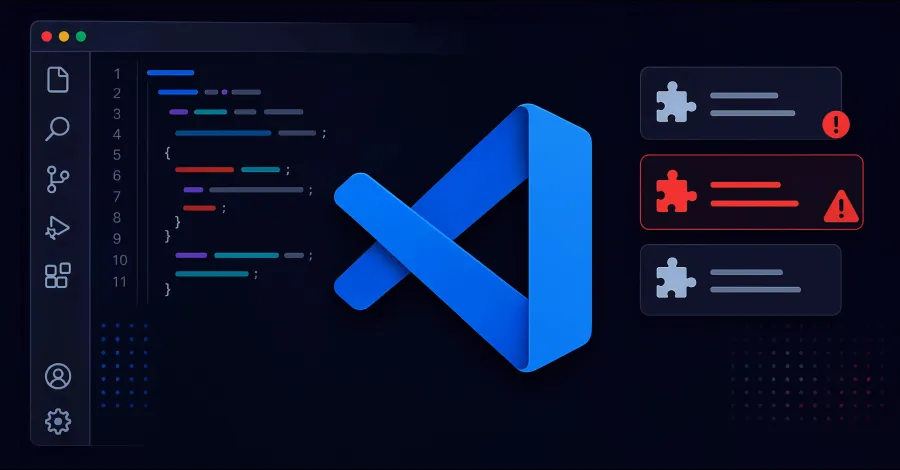
In a significant move to enhance security within its ecosystem, Open VSX has removed 77 malicious extensions that were found to be exfiltrating sensitive developer data. These extensions, masquerading as legitimate tools, posed serious threats to developers who unknowingly installed them. The incident underscores a broader concern within the software development community regarding security vulnerabilities and the need for vigilance against emerging threats.
The implications of this incident stretch beyond individual developers; they reflect systemic issues within the software supply chain, where a single compromised tool can lead to widespread data breaches. As the demand for open-source tools continues to grow, the responsibility for ensuring their security increasingly falls on developers and platform providers alike.
The Rise of Malicious Extensions in Development Environments
As development environments become more complex and interconnected, the risk of malicious extensions infiltrating these ecosystems has escalated. Extensions are often leveraged to enhance productivity, automate tasks, and integrate with various services. However, this convenience comes with inherent risks, especially when these tools are sourced from unverified or less secure repositories.
Understanding the Threat Landscape
Malicious extensions can take various forms, including:
- Data Exfiltration: Extensions that silently collect and send sensitive information back to attackers.
- Privilege Escalation: Tools that exploit existing vulnerabilities to gain higher access levels within systems.
- System Manipulation: Extensions that alter system settings or behaviors, potentially leading to further exploitation.
In the case of the 77 extensions removed by Open VSX, it was discovered that they were designed to specifically target development environments, collecting data that could include API keys, project configurations, and other sensitive information.

Implications for Developers and Organizations
The removal of these malicious extensions serves as a critical reminder for developers and organizations to adopt a proactive approach to security. Ensuring a secure development environment involves implementing best practices that can mitigate risks associated with using third-party tools.
Best Practices for Securing Development Environments
Organizations should consider the following strategies:
- Regular Audits: Conduct regular audits of installed extensions and plugins to identify and remove any that are outdated or unverified.
- Source Verification: Always verify the source of extensions and only install those from reputable providers.
- Security Training: Provide developers with training on security best practices and awareness of threats.
- Use of Security Tools: Implement security tools that can detect and alert against malicious activity within development environments.
By taking these proactive measures, developers can significantly reduce their exposure to threats posed by malicious extensions.

Cross-Domain Privilege Escalation: A Critical Concern
The incident involving Open VSX also highlights the danger of cross-domain privilege escalation. This occurs when an attacker exploits vulnerabilities across different domains to gain unauthorized access to systems. In many cases, attackers use compromised extensions as a foothold to escalate privileges and access sensitive areas of a network.
Mapping Breach Routes
To effectively combat these threats, organizations need to map out potential breach routes and understand how attackers might navigate through their systems. This can involve:
- Identifying Vulnerabilities: Conducting vulnerability assessments to find weak points in the system.
- Implementing Access Controls: Establishing strict access controls to limit what users and extensions can do within the system.
- Monitoring Activity: Continuously monitoring system and extension activity for unusual behavior.
By understanding the pathways that attackers may take, organizations can better prepare their defenses and protect their critical assets.

Conclusion: The Need for Vigilance in Development
The removal of the 77 malicious extensions from Open VSX is a wake-up call for developers and organizations alike. As the landscape of software development continues to evolve, so too do the threats that accompany it. Developers must remain vigilant, continuously adapting their security practices to address new challenges.
As the tech community works to improve the security of development tools, collaboration and shared responsibility will be essential in creating a safer digital environment for all.
Key Takeaways
- Open VSX has removed 77 malicious extensions that were exfiltrating developer data.
- Developers should implement best practices for securing their development environments.
- Understanding cross-domain privilege escalation is crucial for safeguarding systems.
- Proactive measures can significantly reduce the risk of malicious extensions.
Frequently Asked Questions
What types of data were the malicious extensions collecting?
The malicious extensions were primarily designed to collect sensitive information such as API keys, project configurations, and other developer-specific data. By exfiltrating this information, attackers could potentially gain unauthorized access to various systems and services used by developers.
How can developers identify malicious extensions?
Developers can identify malicious extensions by conducting thorough reviews of their installed tools, checking for user reviews and ratings, and looking for any signs of unusual behavior after installation. Additionally, relying on reputable sources for extensions can help mitigate the risk of installing malicious software.
What should organizations do in response to this incident?
Organizations should take this incident as a prompt to review their security policies and practices. This includes conducting audits of installed tools, providing security training for developers, and implementing monitoring systems to detect any unauthorized activities within their development environments.
Are there any tools available to help secure development environments?
Yes, there are several security tools available that can help secure development environments. These tools range from static code analysis tools to runtime application self-protection (RASP) solutions, which continuously monitor applications for vulnerabilities and unusual behavior. Implementing such tools can enhance the security posture of development teams.
Comments
DOJ's Oversight of OpenAI: A New Era in Employee Sponsorship Scrutiny
The Department of Justice has initiated oversight of OpenAI's employee sponsorship practices, alleging discriminatory hiring tactics. This article explores the implications of this settlement for the tech industry and labor laws.

Related articles



Popular in Cybersecurity
- Federal Mandate for Autonomous Vehicles: A Call for Safety Compliance
- EU Mandates Google to Share Data and Open AI on Android: What It Means
- GitHub Revamps Bug Bounty Program: Implications for Developers and Security
- Australian Government Disables Thousands of Functional Broadband Routers: A Wasteful Decision
- Exploiting Redis: Understanding Zero-Day Vulnerabilities and Their Mitigation