Critical Gitea Vulnerability Exposes Server Files to Attackers
A severe vulnerability in Gitea has been uncovered, allowing unauthenticated attackers to access server files through Org-mode markup. This article explores the implications and necessary actions to mitigate the risk.
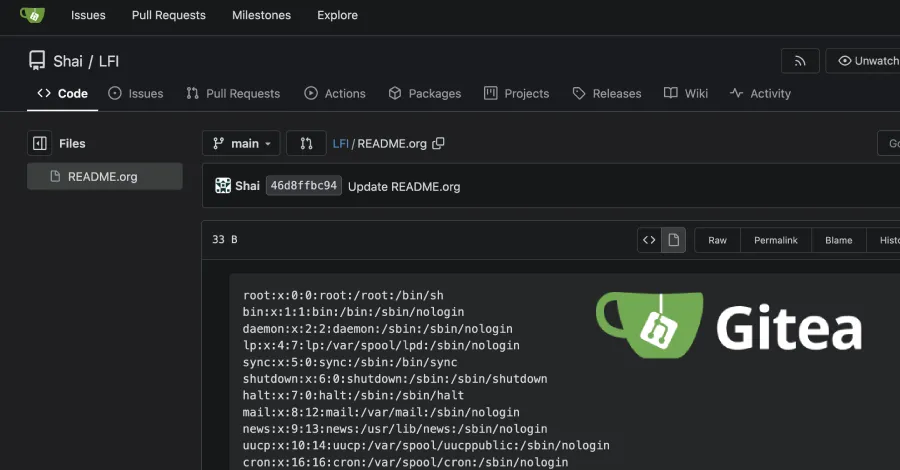
In an alarming development for organizations utilizing Gitea, a widely used open-source Git repository hosting service, a critical vulnerability has been identified that allows unauthenticated attackers to gain access to server files. This exploit takes advantage of Org-mode markup, a popular syntax for organizing notes and tasks in Emacs, providing a pathway for unauthorized data access. As businesses increasingly rely on collaborative platforms and source control systems, the implications of such vulnerabilities are profound.
The Gitea vulnerability underscores a broader issue in cybersecurity: the need for vigilant monitoring and patching of open-source software components. Given that many companies incorporate open-source tools into their tech stacks, the ramifications of a breach can extend beyond just data loss, potentially leading to reputational damage and significant financial implications.

Understanding the Vulnerability in Gitea
The vulnerability in question allows attackers to exploit a flaw in Gitea's handling of Org-mode markup. By crafting specially formatted files, an attacker can manipulate the Gitea server to expose sensitive files that should be protected. This kind of unauthorized access can lead to the exposure of proprietary code, configuration files, or even sensitive user data, such as authentication tokens and passwords.
What makes this vulnerability particularly concerning is that it does not require authentication. This means that anyone with internet access can potentially execute the attack, making it an attractive target for malicious actors looking to exploit weaknesses within an organization’s infrastructure.

Why This Matters: The Broader Implications
The Gitea flaw is emblematic of a larger trend in cybersecurity where open-source software vulnerabilities are increasingly targeted. Organizations must recognize that while open-source tools offer flexibility and cost-effectiveness, they also come with risks. Vulnerabilities like this one can enable a range of attacks, including:
- Data Breach: Exposure of sensitive information can lead to data breaches that compromise user privacy.
- Supply Chain Attacks: Attackers can leverage access to infiltrate other systems or services linked to the compromised Gitea instance.
- Reputational Damage: Organizations can suffer significant reputational harm from breaches, impacting customer trust.
- Regulatory Consequences: Data breaches may result in penalties under regulations such as GDPR or HIPAA, depending on the type of exposed data.
Mitigating the Risk: Steps Organizations Should Take
In light of this vulnerability, organizations using Gitea should take immediate action to mitigate risks. Here are some essential steps to consider:
1. Update Gitea Software
As with any software vulnerability, the first step is to ensure that Gitea is updated to the latest version, which includes patches that address this and other known vulnerabilities. Regular updates should be a part of your organization's cybersecurity hygiene.
2. Conduct Security Audits
Regular security audits can help identify potential vulnerabilities in your systems. Organizations should invest in tools that can perform automated scanning for known vulnerabilities and misconfigurations.
3. Implement Access Controls
Role-based access controls can limit who can view and modify repositories within Gitea. By restricting access to only those who need it, organizations can reduce the attack surface.
4. Educate Employees
Employee training on security best practices is crucial. Ensuring that staff members understand the importance of cybersecurity can empower them to recognize potential threats and act accordingly.

Monitoring for Future Threats
Beyond immediate remediation efforts, organizations must adopt a proactive approach to cybersecurity. This includes monitoring systems for unusual activities and employing threat intelligence tools that can alert teams to potential exploitation attempts. Implementing a robust incident response plan is also vital to ensure that organizations can respond swiftly to any breaches that may occur.
It’s important to remember that security is not a one-time task but an ongoing process that requires constant vigilance, particularly when working with open-source tools that may not have the same level of commercial support as proprietary options.
Key Takeaways
- The Gitea vulnerability allows unauthenticated attackers to read sensitive server files.
- Organizations should promptly update their Gitea installations to mitigate risk.
- Regular security audits and employee education are critical components of a comprehensive security strategy.
- Proactive monitoring and incident response planning can help organizations prepare for potential threats.
Frequently Asked Questions
What is Gitea and why is it important?
Gitea is a lightweight, open-source Git repository management solution that provides developers with a platform to host and manage their code repositories. It is significant because it allows teams to collaborate efficiently while maintaining version control, which is crucial in software development projects.
How can I tell if my Gitea instance is vulnerable?
To determine if your Gitea instance is vulnerable, you should check the version you are running against the official Gitea release notes. If your version is older than the latest release that addresses the vulnerability, you should prioritize updating your installation. Additionally, implementing security scanning tools can help identify whether your setup has any known vulnerabilities.
What steps should I take if my organization experiences a breach?
If your organization experiences a data breach, the first step is to contain the breach to prevent further data loss. Next, assess the extent of the breach and notify affected individuals as required by law. Furthermore, it’s critical to conduct a thorough investigation to identify how the breach occurred and to implement measures that will prevent future incidents.
Can open-source software be secured?
Yes, open-source software can be secured effectively, but it requires diligence. Organizations should adopt a comprehensive security strategy that includes regular updates, vulnerability assessments, and proactive monitoring. Engaging with the open-source community can also provide insights into best practices for securing these tools.
Comments
DOJ's Oversight of OpenAI: A New Era in Employee Sponsorship Scrutiny
The Department of Justice has initiated oversight of OpenAI's employee sponsorship practices, alleging discriminatory hiring tactics. This article explores the implications of this settlement for the tech industry and labor laws.

Related articles



Popular in Cybersecurity
- Federal Mandate for Autonomous Vehicles: A Call for Safety Compliance
- EU Mandates Google to Share Data and Open AI on Android: What It Means
- GitHub Revamps Bug Bounty Program: Implications for Developers and Security
- Australian Government Disables Thousands of Functional Broadband Routers: A Wasteful Decision
- Exploiting Redis: Understanding Zero-Day Vulnerabilities and Their Mitigation