SpaceX's Stellar Growth: Doubling Revenue and Strategic Moves in AI and Cloud
SpaceX has achieved remarkable growth by doubling its revenue, driven by Starlink expansion and strategic cloud deals with Anthropic and Google. Despite a quarterly loss, the company is on a path to significant profitability, aiming for a $100 billion annual revenue run-rate.
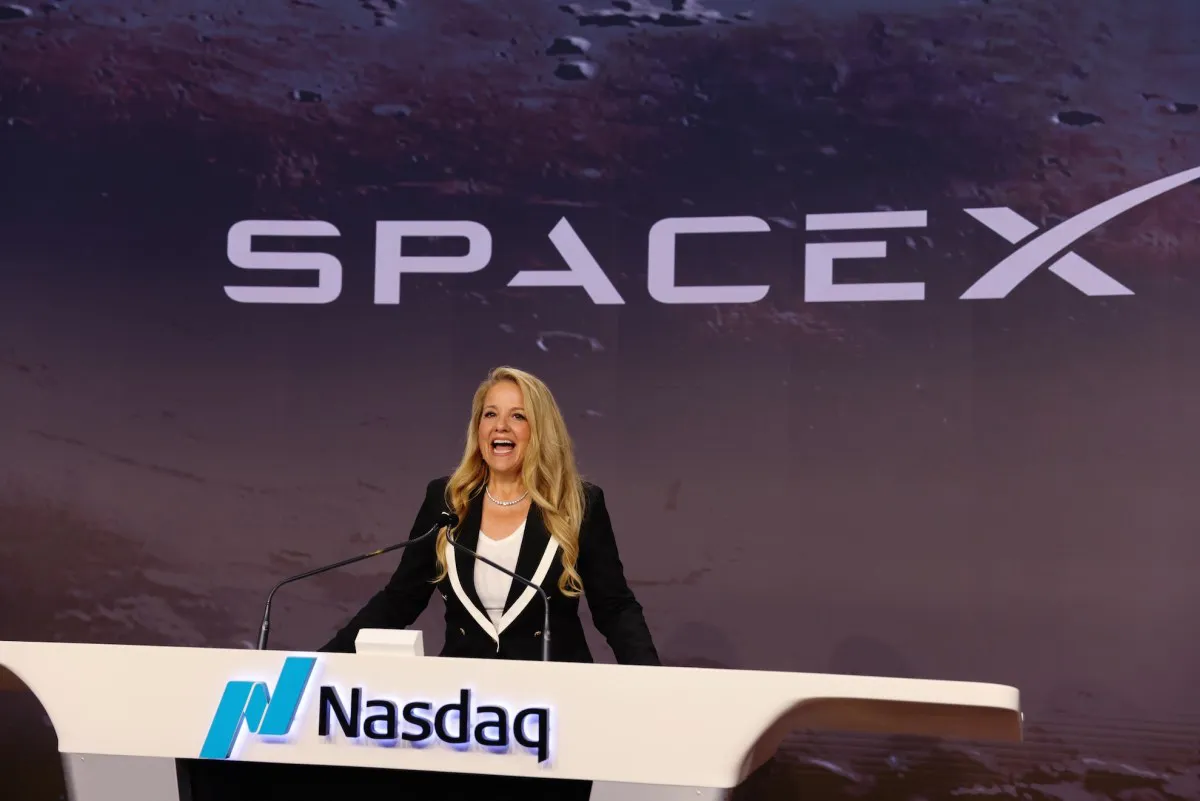
In a stunning display of growth and ambition, SpaceX has reported a remarkable doubling of its revenue in its first quarterly earnings report since going public. The aerospace and technology giant has seen its total sales surge from $4 billion in Q2 2025 to $7.8 billion in Q2 2026, representing a staggering 92% increase. This leap can be attributed primarily to the expansion of its Starlink satellite internet service and lucrative agreements to provide computing power to prominent players like Anthropic and Google. While the company still reported a loss of $541 million during this quarter, this figure is a significant improvement from the $1 billion loss reported during the same period last year. SpaceX’s trajectory indicates that it is not just surviving but thriving in an increasingly competitive technological landscape.
SpaceX's Chief Financial Officer, Bret Johnsen, highlighted that nearly $2 billion of the revenue growth stemmed from its burgeoning AI division, alongside Starlink's contribution of $1.7 billion. The company's ambitious forecasts suggest that it is on the brink of achieving a $100 billion annualized revenue run-rate (ARR) by the end of 2026, thanks to an additional $6.7 billion in cloud services revenue contracted to ramp up starting in October. CEO Elon Musk has been equally optimistic, stating that reaching this revenue milestone is not merely a possibility but an expectation.

Strategic Cloud Partnerships: A New Revenue Stream
The recent cloud computing deals with Anthropic and Google represent a pivotal moment for SpaceX, marking a shift from its traditional aerospace focus to a more diversified technological portfolio. These agreements not only enhance SpaceX's revenue potential but also signify the growing importance of cloud computing in the broader tech ecosystem. By renting out computing capacity, SpaceX has taken advantage of its existing infrastructure, particularly its data centers in Memphis, Tennessee, which were initially intended for its AI initiatives.
The Impact of AI on SpaceX's Business Model
SpaceX’s AI division, originally part of Musk’s startup xAI, has faced challenges in keeping pace with industry leaders such as OpenAI. The integration of xAI into SpaceX represents a strategic pivot; rather than focusing solely on developing AI technologies, the company has chosen to monetize its existing resources. This model allows SpaceX to leverage its computational capabilities while providing essential services to companies eager to harness AI’s potential.
- Revenue Growth: SpaceX’s revenue increased from $4 billion to $7.8 billion.
- Cloud Services: Deals with Anthropic and Google are key to revenue expansion.
- Loss Reduction: Quarterly losses decreased from $1 billion to $541 million.
- Future Projections: Expected to reach $100 billion ARR by year-end.
- Investment in Infrastructure: Capital expenditures increased from $7 billion to $28 billion in H1 2026.
Starlink: The Backbone of Revenue Expansion
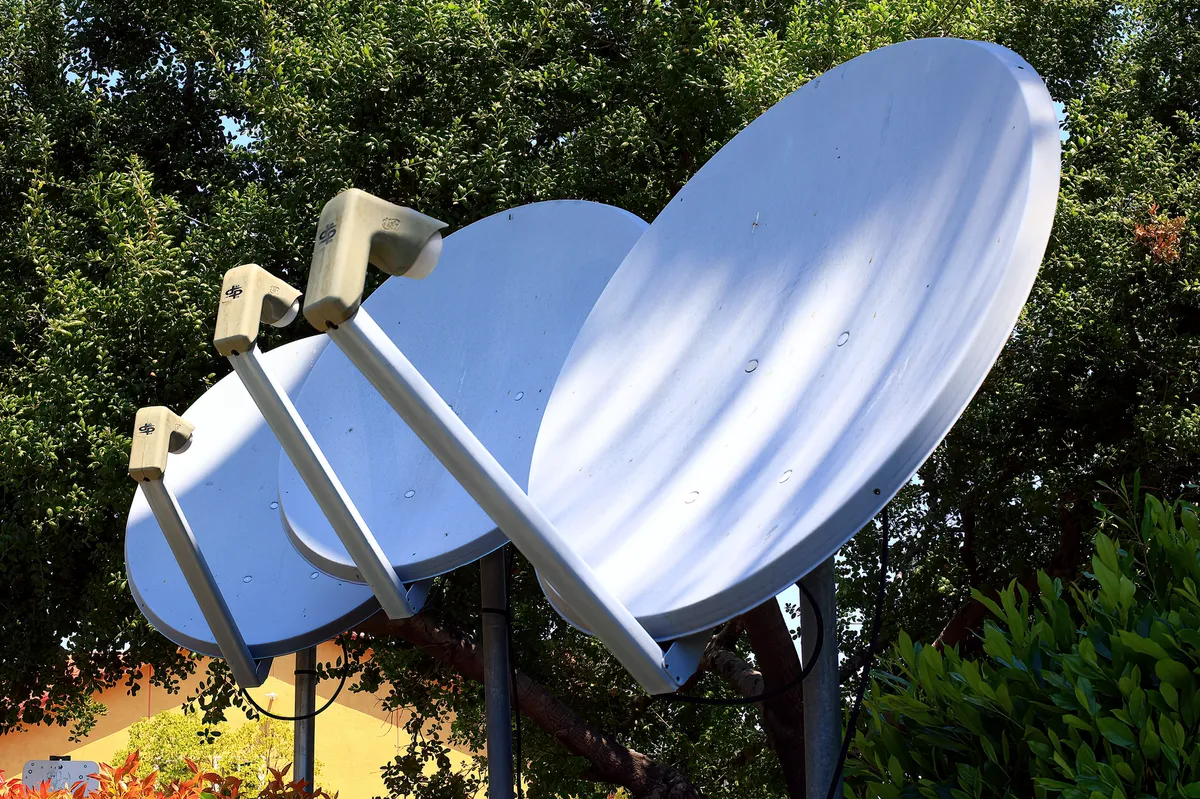
Starlink, SpaceX’s satellite internet service, continues to be a significant contributor to its financial success. The service has rapidly expanded its customer base, offering high-speed internet access to areas that lack reliable connectivity. This growth has not only bolstered SpaceX's revenue but has also positioned the company as a critical player in the global telecommunications market.
Challenges and Opportunities in the Satellite Internet Market
Despite its success, SpaceX faces challenges in the competitive satellite internet market. Other companies, such as Amazon's Project Kuiper and OneWeb, are also vying for market share. However, SpaceX's established infrastructure and innovative technology give it a competitive edge. The company’s ability to provide seamless service and maintain low latency has been a key differentiator, attracting customers from both rural and urban environments.
Financial Health and Market Performance
SpaceX's recent financial performance showcases its resilience and strategic foresight, particularly in light of its recent IPO, which raised over $85 billion, setting a record in the public markets. The company went public with a valuation of $1.75 trillion, momentarily surpassing the market capitalization of tech giants like Amazon and nearing that of Microsoft. However, the stock has faced volatility, dipping below its IPO price of $135 per share shortly after the initial trading days.
Long-term Financial Strategy
Despite these fluctuations, SpaceX remains focused on long-term growth strategies, including significant capital expenditures aimed at expanding its operational capabilities. The reported $28 billion in capital expenditures in the first half of 2026 marks a substantial increase from the previous year, indicating the company's commitment to scaling its operations and investing in future technologies.
Key Takeaways
- SpaceX has doubled its revenue in Q2 2026 compared to the previous year.
- The company is heavily investing in cloud services, with significant contracts from Anthropic and Google.
- Starlink remains a key driver for revenue growth and market expansion.
- SpaceX aims for a $100 billion annual revenue run-rate by the end of 2026.
- Despite quarterly losses, strategic investments position SpaceX for long-term success.

Frequently Asked Questions
What factors contributed to SpaceX's revenue doubling?
SpaceX’s revenue doubling can be attributed to several key factors. The growth of its Starlink satellite internet service has played a significant role, providing increased customer subscriptions and expanding its market reach. Additionally, strategic deals with Anthropic and Google to rent out computing power have opened up new revenue streams. The company's ability to leverage its infrastructure and pivot from traditional aerospace operations to cloud services has been crucial in achieving this growth.
How does SpaceX's AI division fit into its overall strategy?
SpaceX's AI division, which evolved from Musk's xAI, is central to the company's strategy to diversify its offerings and enhance revenue potential. By repurposing its data centers for cloud services, SpaceX can monetize its AI capabilities while supporting other companies in their AI endeavors. This approach allows SpaceX to remain competitive in the rapidly changing technology landscape, where AI plays an increasingly vital role.
What challenges does SpaceX face in the satellite internet market?
While SpaceX has successfully established Starlink as a leader in the satellite internet market, it faces challenges from emerging competitors like Amazon and OneWeb. These companies are also developing satellite internet solutions, aiming to capture market share. Additionally, regulatory hurdles and the need for continuous infrastructure investment pose ongoing challenges. However, SpaceX’s technological advancements and established customer base provide a strong foundation to mitigate these risks.
What are the implications of SpaceX's recent IPO for its future growth?
SpaceX's recent IPO has significant implications for its future growth prospects. The record-setting $85 billion raised from the public market provides the company with substantial capital to invest in research and development, infrastructure expansion, and new technology initiatives. Although the stock has experienced volatility post-IPO, the strong initial valuation reflects investor confidence in SpaceX's long-term potential, allowing it to pursue aggressive growth strategies without the constraints of traditional funding mechanisms.
Comments
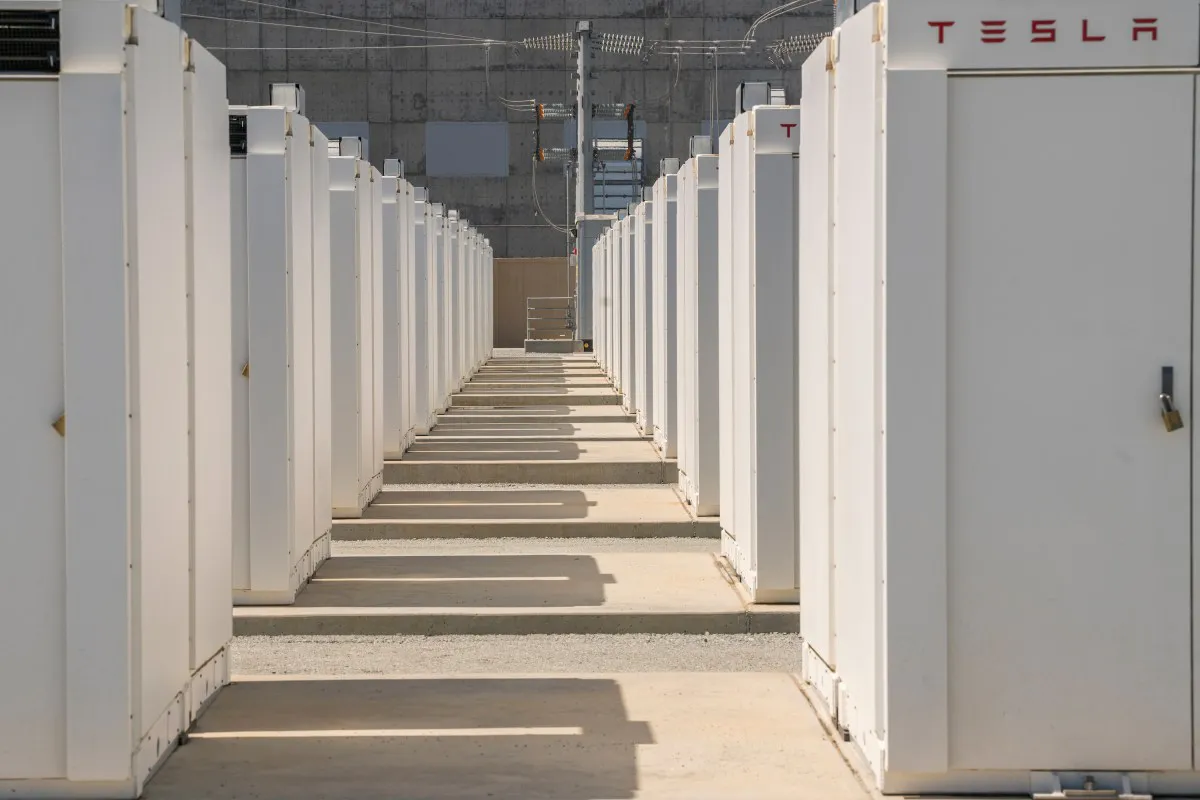
SpaceX's Strategic Investment in Tesla Megapacks: A $329 Million Commitment
SpaceX has made significant investments in Tesla's Megapack technology, showcasing the synergy between Elon Musk's companies. This article explores the implications for AI data centers and the future of energy storage.
Related articles


Popular in Cloud Computing
- SK Hynix's Historic $26.5 Billion IPO: A New Era for Memory Chips
- Kubernetes and the Future of Desktop Infrastructure: A Paradigm Shift
- Amazon Expands Partnership with Nvidia, Tripling GPU Orders Amid AI Demand Surge
- Elon Musk's Evolving Relationship with Anthropic: A New Era for AI Hosting
- Emerging Rocket Launches: A New Era for Space Exploration