Elon Musk's Bold Vision for SpaceX: Earnings Call Highlights
During SpaceX's inaugural earnings call, Elon Musk made ambitious claims about the company's future, including Starlink's potential to dominate global internet access and SpaceX's projected revenue growth. This article examines the implications of these statements and the company's evolving business landscape.
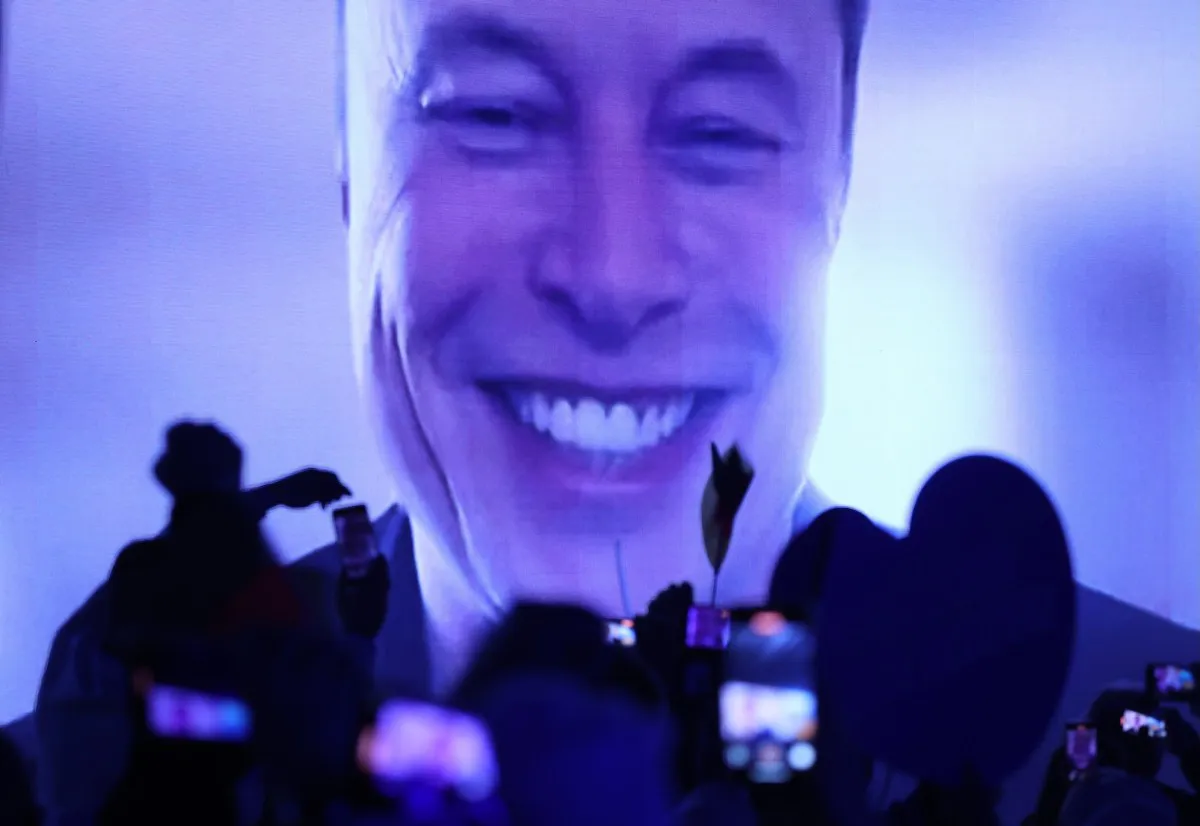
On August 4, 2026, SpaceX held its first earnings call as a public company, a significant milestone for the aerospace and technology giant founded by Elon Musk. True to form, Musk captivated investors and analysts alike with a series of audacious projections about the company's future, particularly concerning its satellite internet service, Starlink, and its ambitions in the cloud computing sector. However, while Musk's enthusiasm was palpable, it contrasted sharply with the more measured tones of his executive team, who worked to ground his lofty ambitions in the practical realities of the business.
As the call unfolded, it became evident that Musk's grand vision for SpaceX encompasses significantly more than just rocket launches and satellite deployments. With Starlink poised to revolutionize internet access globally and SpaceX's cloud services gaining traction among AI companies, the potential for growth appears vast. However, the challenge for Musk and his team will be to navigate the complexities of public company governance and investor expectations while delivering on their ambitious promises.
The Starlink Revolution: Aiming for Global Internet Dominance
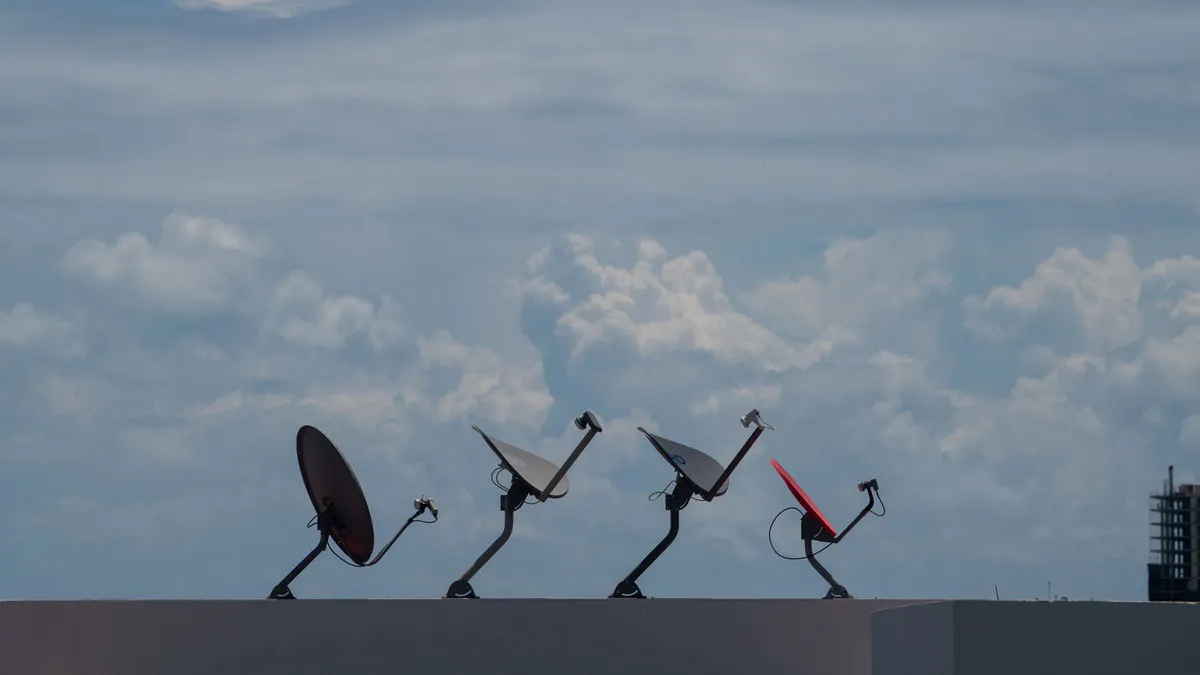
One of the standout claims made by Musk during the earnings call was his assertion that Starlink could deliver a majority of the world's internet access within the next decade. This statement, while bold, is not entirely unfounded given the exponential growth of satellite internet technology and SpaceX's ongoing innovations. The launch of the new "V3" Starlink satellites, which offer significantly enhanced bandwidth, is set to enhance service delivery and expand coverage.
Starlink's Role in the Future of Internet Access
Starlink has already made waves in the telecommunications industry, with its ability to provide high-speed internet in remote and underserved areas. Musk's prediction about Starlink's future represents a transformative shift in how internet service could be conceptualized and delivered:
- Increased Accessibility: Starlink's satellite network aims to reach even the most isolated regions, providing access to millions who were previously without reliable internet.
- Cost-Effective Solutions: With more satellites in orbit, the cost of satellite internet may decrease, making it a viable option for a broader audience.
- Global Market Potential: Musk emphasized that this growth is feasible in the majority of countries where SpaceX is permitted to operate, suggesting a vast potential customer base.
Financial Projections: Balancing Boldness with Realism
As the call progressed, CFO Bret Johnsen outlined a more conservative financial outlook, focusing on SpaceX's expanding cloud computing business, which has emerged as a crucial revenue stream in recent years. Johnsen noted that the demand for compute power, particularly from AI firms, is robust, and the company expects to see favorable economics from its cloud service agreements.
Understanding the Cloud Service Market
The cloud services market is a rapidly evolving landscape, with companies looking to leverage high-performance compute capabilities to enhance their offerings:
- Rapid Growth: SpaceX's cloud services have generated billions in revenue, with projections indicating a trajectory toward $100 billion in annual recurring revenue (ARR) by December.
- Strategic Partnerships: SpaceX's partnerships with AI companies underscore the increasing reliance on cloud computing, further solidifying its place in the tech ecosystem.
- Investment in Infrastructure: The company has committed to significant capital investments to support this growth, with a payback period of under one year for new deployments.

Revenue Aspirations: Musk's Trillion-Dollar Vision
Musk didn't shy away from grand ambitions regarding overall revenue, moving the company's timeline for reaching $1 trillion from 2031 to 2030, with a possibility of achieving this milestone as early as 2029. Such projections, while eye-catching, raise questions about feasibility and the underlying assumptions driving these claims.
The Implications of Public Company Status
As SpaceX transitions into a public company, the implications of making such bold statements are significant. Unlike private companies, public firms face stricter scrutiny from regulators and investors, especially regarding financial projections. The SEC has historically enforced regulations to curb misleading statements, and while enforcement has generally relaxed in recent years, the potential consequences remain:
- Regulatory Scrutiny: Musk's ambitious forecasts could attract regulatory attention, particularly if the company fails to meet its projections.
- Legal Risks: The incorporation of SpaceX in Texas provides some legal protection against shareholder lawsuits, but it does not eliminate the risks associated with making unsubstantiated claims.
- Investor Confidence: Continued failure to meet expectations could undermine investor confidence, affecting stock performance and future fundraising efforts.

SpaceX's Human Spaceflight Aspirations
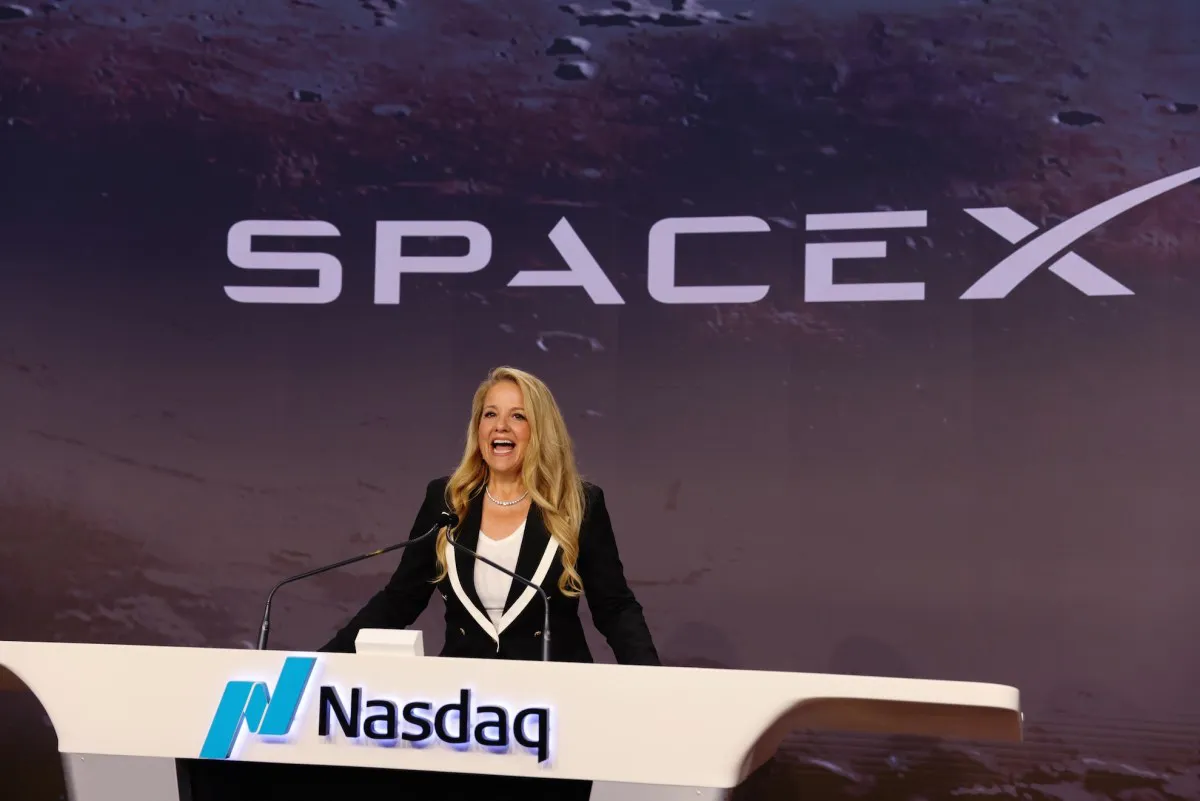
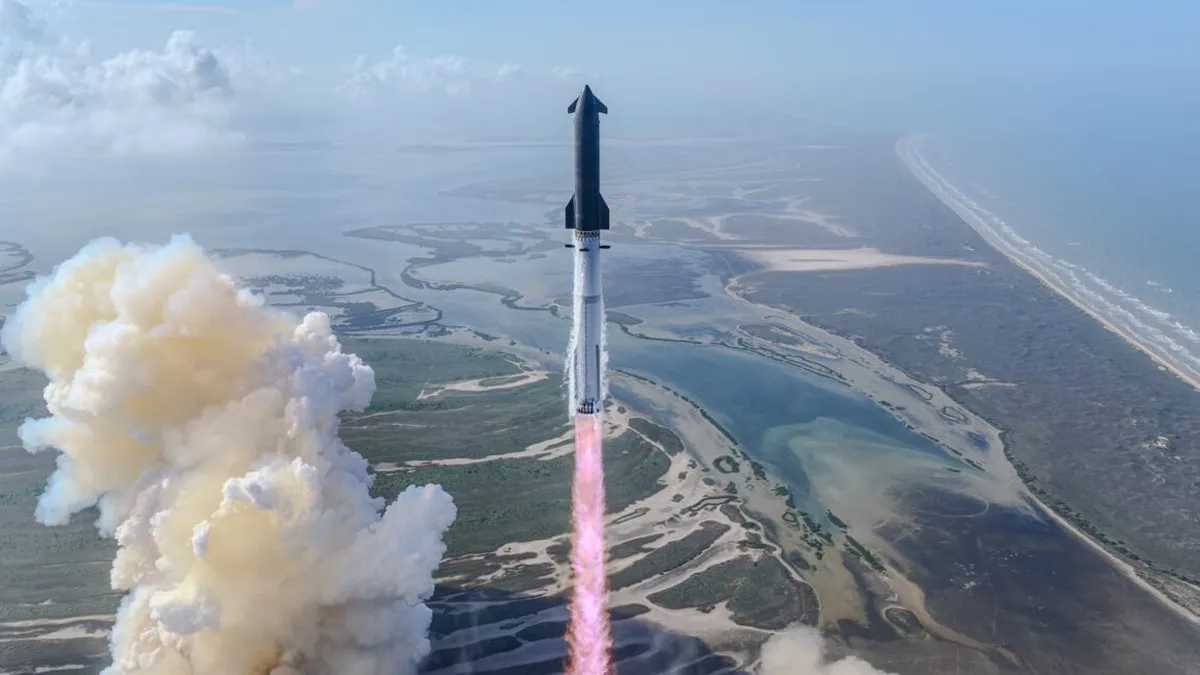
During the earnings call, Musk also addressed SpaceX's progress on its human landing system for NASA's Artemis missions, expressing confidence that the Starship prototype could be ready for crewed flights by the end of next year. However, chief operating officer Gwynne Shotwell tempered this enthusiasm by reiterating the importance of adhering to NASA's stringent milestones.
Challenges Ahead for Human Spaceflight
The road to successful human spaceflight is fraught with challenges, particularly when it comes to developing a fully reusable spacecraft. SpaceX's recent testing of the Starship's heat shield yielded promising results, but the technology remains unproven. Musk's assertion that the heat shield problem is "solved" may be premature, and the upcoming tests will be crucial in validating these claims.
Indeed, the stakes are high for both SpaceX and NASA, as successful human landings on the Moon are pivotal to advancing lunar exploration and preparing for missions to Mars. The timeline for these ambitious goals remains uncertain, hinging on the success of ongoing tests and regulatory approvals.
Key Takeaways
- Elon Musk's SpaceX aims to dominate global internet access through Starlink.
- The company projects a $100 billion ARR by December, driven by cloud services.
- Musk's revenue goals include reaching $1 trillion as early as 2030.
- SpaceX must navigate regulatory scrutiny as a public company, balancing ambition with accountability.
- Challenges remain in achieving successful human spaceflight with the Starship program.
Frequently Asked Questions
What are SpaceX's main business segments?
SpaceX operates primarily in three business segments: satellite internet services through Starlink, launch services for space missions, and cloud computing offerings. Each segment is strategically positioned to leverage the company's technological advancements and drive revenue growth. Starlink aims to provide high-speed internet access globally, while the launch services cater to various commercial and government clients. The cloud computing segment is increasingly focused on serving the needs of AI and data-intensive applications, marking a pivotal shift in SpaceX's business model.
How does SpaceX's public status impact its operations?
As a public company, SpaceX is subject to enhanced regulatory oversight and transparency requirements. This status means the company must disclose financial performance and operational metrics, making it accountable to shareholders and regulatory bodies. While public status can provide access to capital for expansion and innovation, it also imposes a responsibility to meet investor expectations and comply with securities regulations, particularly in terms of financial projections and operational milestones.
What challenges does SpaceX face in achieving its ambitious goals?
SpaceX faces several challenges as it pursues its ambitious goals, including technological hurdles in developing fully reusable spacecraft, regulatory compliance, and the need to meet ambitious revenue projections. The successful deployment of the Starlink satellite constellation and the operational viability of its cloud computing services are critical for meeting financial targets. Additionally, competition in the aerospace and telecommunications sectors is intensifying, necessitating strategic innovation and operational efficiency to maintain a competitive edge.
Comments
SpaceX's Stellar Growth: Doubling Revenue and Strategic Moves in AI and Cloud
SpaceX has achieved remarkable growth by doubling its revenue, driven by Starlink expansion and strategic cloud deals with Anthropic and Google. Despite a quarterly loss, the company is on a path to significant profitability, aiming for a $100 billion annual revenue run-rate.
Related articles


Popular in Cloud Computing
- SK Hynix's Historic $26.5 Billion IPO: A New Era for Memory Chips
- Kubernetes and the Future of Desktop Infrastructure: A Paradigm Shift
- Amazon Expands Partnership with Nvidia, Tripling GPU Orders Amid AI Demand Surge
- Elon Musk's Evolving Relationship with Anthropic: A New Era for AI Hosting
- Emerging Rocket Launches: A New Era for Space Exploration