The Future of Data Centers: Exploring Runware's Sonic Inference Pods
Runware’s innovative Sonic Inference Pod is redefining the landscape of data centers, providing a modular and portable solution for AI infrastructure. With the demand for inference technology soaring, these pods offer a promising alternative to traditional data centers.
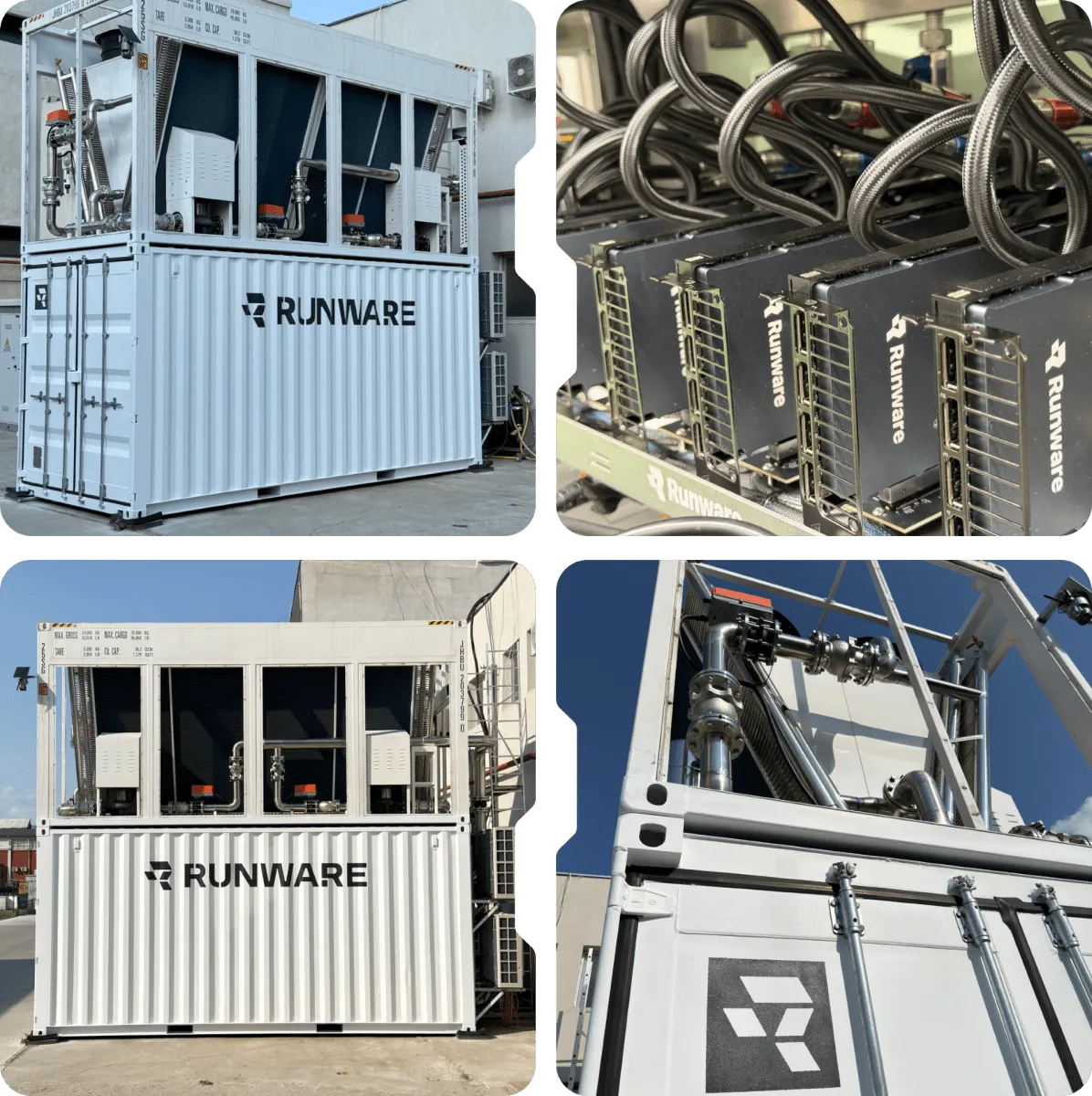
As the demand for artificial intelligence (AI) capabilities continues to surge, the infrastructure that supports these technologies is under increasing pressure to adapt and evolve. Enter Runware, a pioneering AI infrastructure company, which recently unveiled its Sonic Inference Pod—a modular, portable data center designed to meet the growing needs of AI inference workloads. This innovative solution represents a shift towards more flexible computing environments, challenging traditional data center models that have dominated the industry for decades.
Runware's Sonic Inference Pod is not just another data center; it is a vision for the future of computing that prioritizes speed, efficiency, and scalability. With the ability to deploy quickly and operate without traditional water cooling systems, these pods may very well be the answer to the increasing demand for AI-driven services.
Understanding the Sonic Inference Pod
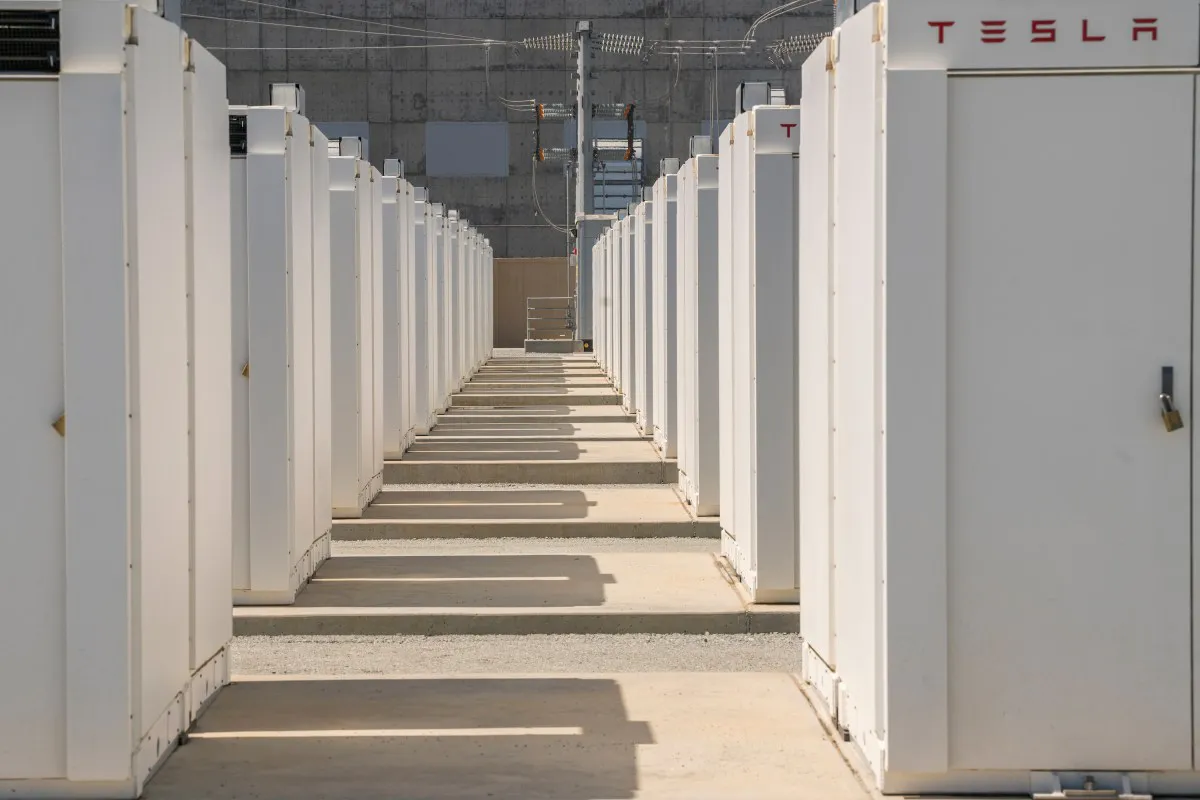
The Sonic Inference Pod is designed as a single transportable unit, allowing businesses to easily scale their computing power as needed without the lengthy setup times associated with conventional data centers. According to Runware's co-founder and CEO, Flaviu Radulescu, the concept revolves around distributed computing that is positioned closer to end-users, leading to faster processing and lower latency for AI applications. This approach is particularly relevant as companies such as OpenAI and SpaceX race to establish large-scale data centers across the U.S.
Key Features of the Sonic Inference Pod
- Modularity: The ability to add more pods quickly allows for rapid expansion.
- Cost-Effectiveness: Runware claims that its pods can provide higher quality inference at a lower cost compared to existing serverless platforms and GPU clouds.
- Rapid Deployment: Pods can be set up in days, unlike traditional data centers that may take months or years to build.
- Closed-Loop Cooling System: This unique cooling solution eliminates the need for water, addressing some of the environmental concerns associated with data centers.
- Networked Operations: Each pod functions as part of a larger network, allowing for seamless load balancing and failover capabilities.
The Market Landscape for AI Infrastructure
The demand for AI inference is escalating at an unprecedented rate. Companies are looking for ways to process vast amounts of data quickly and efficiently, and traditional data centers are struggling to keep up. As Radulescu points out, “Demand for inference is growing faster than facilities can be built.” With the rapid evolution of AI technologies, this presents a unique opportunity for modular solutions like the Sonic Inference Pod to thrive.
Runware is currently deploying 10 pods across the U.S., Europe, and Asia-Pacific, serving clients such as Higgsfield AI and Wix. The company's strategic plan is to continue expanding its footprint in the AI infrastructure space, capitalizing on the growing need for robust and adaptable compute solutions.
Competitive Advantages of Runware's Approach
While major players in the AI space are investing heavily in traditional data centers, Runware differentiates itself through its novel approach. Here are several competitive advantages:
Flexibility and Scalability
Runware's Sonic Inference Pods can be deployed anywhere with power, making them highly adaptable to various environments. This flexibility allows businesses to respond swiftly to changing computing needs without the lengthy delays associated with conventional infrastructure.
Network Resilience
Because each pod operates as part of a unified network, the failure of one pod does not cripple the entire system. Instead, traffic is redirected to other pods with available capacity, ensuring continuous service availability—a critical factor for businesses relying on AI inference.
Environmental Considerations
The closed-loop cooling system used in the Sonic Inference Pods addresses the significant environmental concerns tied to traditional data centers, which often consume large amounts of water and electricity. By utilizing existing power sources and minimizing resource consumption, Runware aims to create a more sustainable model for AI infrastructure.
The Economic and Environmental Impact
The rise of AI technologies is not without controversy, particularly regarding the resources required to power data centers. Communities hosting these facilities have reported increased utility costs and environmental strain. However, Runware's focus on efficiency and sustainability positions it as a more responsible alternative.
Radulescu envisions a future where Sonic Inference Pods can operate on renewable energy sources, reducing their carbon footprint and resource consumption. While that day may not be here yet, the ongoing development of these pods reflects a broader trend towards sustainable technology solutions in the data center space.
Key Takeaways
- Runware’s Sonic Inference Pods offer a modular, flexible alternative to traditional data centers.
- The pods can be deployed rapidly, allowing businesses to scale AI capabilities quickly and efficiently.
- Network resilience and a closed-loop cooling system offer significant advantages in terms of reliability and environmental sustainability.
- As demand for AI inference grows, solutions like the Sonic Inference Pod may reshape the future of data center infrastructure.
Frequently Asked Questions
What are Sonic Inference Pods, and how do they work?
Sonic Inference Pods are modular data centers designed by Runware to provide scalable and cost-effective AI inference capabilities. Each pod operates as a standalone unit but is also part of a larger network, allowing for dynamic load balancing and efficient resource allocation. They utilize a closed-loop cooling system, eliminating the need for water and promoting energy efficiency.
How does Runware's technology compare to traditional data centers?
Runware's Sonic Inference Pods are designed for rapid deployment and scalability, unlike traditional data centers that require extensive construction time and resources. Additionally, the flexibility of modular pods allows businesses to adapt their infrastructure to changing demands without overcommitting to fixed capacity.
What role do environmental concerns play in data center operations?
Environmental concerns are increasingly prominent in discussions about data centers, particularly regarding their energy consumption and resource usage. Runware aims to address these issues through its innovative cooling technology and plans for renewable energy integration, promoting a more sustainable model for AI infrastructure.
Who are the target customers for Runware's Sonic Inference Pods?
Runware targets businesses and organizations that require robust AI infrastructure, particularly those engaged in AI development and deployment. Clients include AI companies and tech firms looking for efficient and flexible solutions to meet their growing data processing needs.
Comments
SpaceX's Stellar Growth: Doubling Revenue and Strategic Moves in AI and Cloud
SpaceX has achieved remarkable growth by doubling its revenue, driven by Starlink expansion and strategic cloud deals with Anthropic and Google. Despite a quarterly loss, the company is on a path to significant profitability, aiming for a $100 billion annual revenue run-rate.

Related articles



Popular in Cloud Computing
- SK Hynix's Historic $26.5 Billion IPO: A New Era for Memory Chips
- Kubernetes and the Future of Desktop Infrastructure: A Paradigm Shift
- Amazon Expands Partnership with Nvidia, Tripling GPU Orders Amid AI Demand Surge
- Elon Musk's Evolving Relationship with Anthropic: A New Era for AI Hosting
- Emerging Rocket Launches: A New Era for Space Exploration