Navigating the Diverging Paths of Robotaxis in the U.S. and Beyond
As the autonomous vehicle industry accelerates, regulatory challenges and market dynamics create a complex landscape for robotaxi services. While federal initiatives aim to boost development, local governments express growing concerns over safety and emergency response interactions.
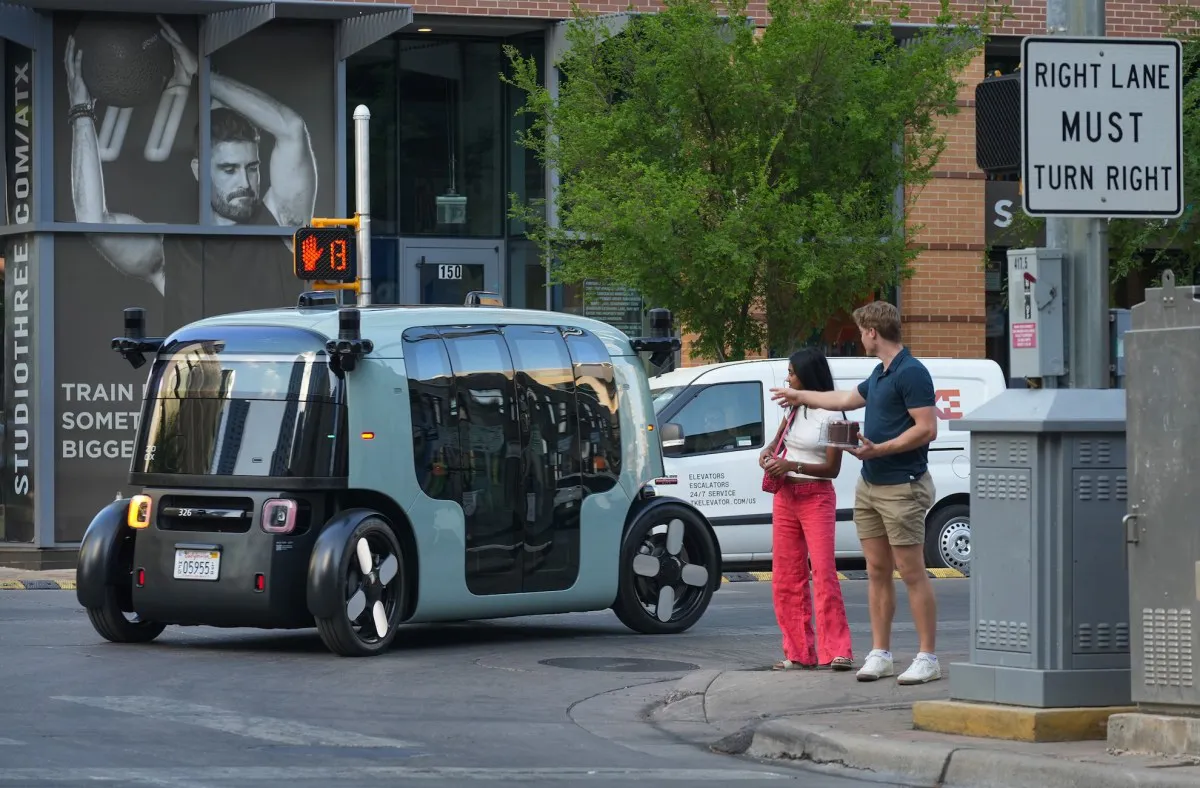
The world of autonomous vehicles is at a critical juncture, as the push towards robotaxi services gains momentum amid a backdrop of regulatory scrutiny and public concern. With federal agencies eager to accelerate development, local governments like San Francisco are raising alarms over safety protocols and the implications of these advanced technologies on public safety. The dichotomy between national ambition and local caution presents a complex narrative for the future of autonomous transportation.
Recent announcements from the National Highway Traffic Safety Administration (NHTSA) emphasize this tension. The agency has made strides to streamline the path for autonomous vehicle technologies, granting Zoox, a subsidiary of Amazon, a temporary exemption from certain federal safety standards. This pivotal move is expected to enable Zoox to launch its much-anticipated robotaxi service in Las Vegas, marking a significant milestone in the evolution of autonomous mobility. However, while the federal government appears to be pushing the throttle, local officials remain concerned about the potential ramifications of these vehicles on the streets.
The Regulatory Landscape: A Double-Edged Sword
The NHTSA's recent decisions are not isolated incidents but part of a broader strategy to foster innovation within the autonomous vehicle sector. By easing regulatory burdens, the agency aims to accelerate the deployment of autonomous technologies, which could revolutionize urban mobility, reduce accidents, and enhance transportation efficiency. However, this approach has sparked concerns among state and city officials who are tasked with ensuring public safety.
Key Regulatory Developments
- The NHTSA's exemption for Zoox allows the company to begin charging for rides, setting a precedent for other robotaxi operators.
- Local governments, such as San Francisco, are advocating for stricter regulations following incidents involving robotaxis that disrupted emergency responders.
- Legislative efforts are underway to establish minimum national safety standards for autonomous vehicles, reflecting a growing need for comprehensive oversight.
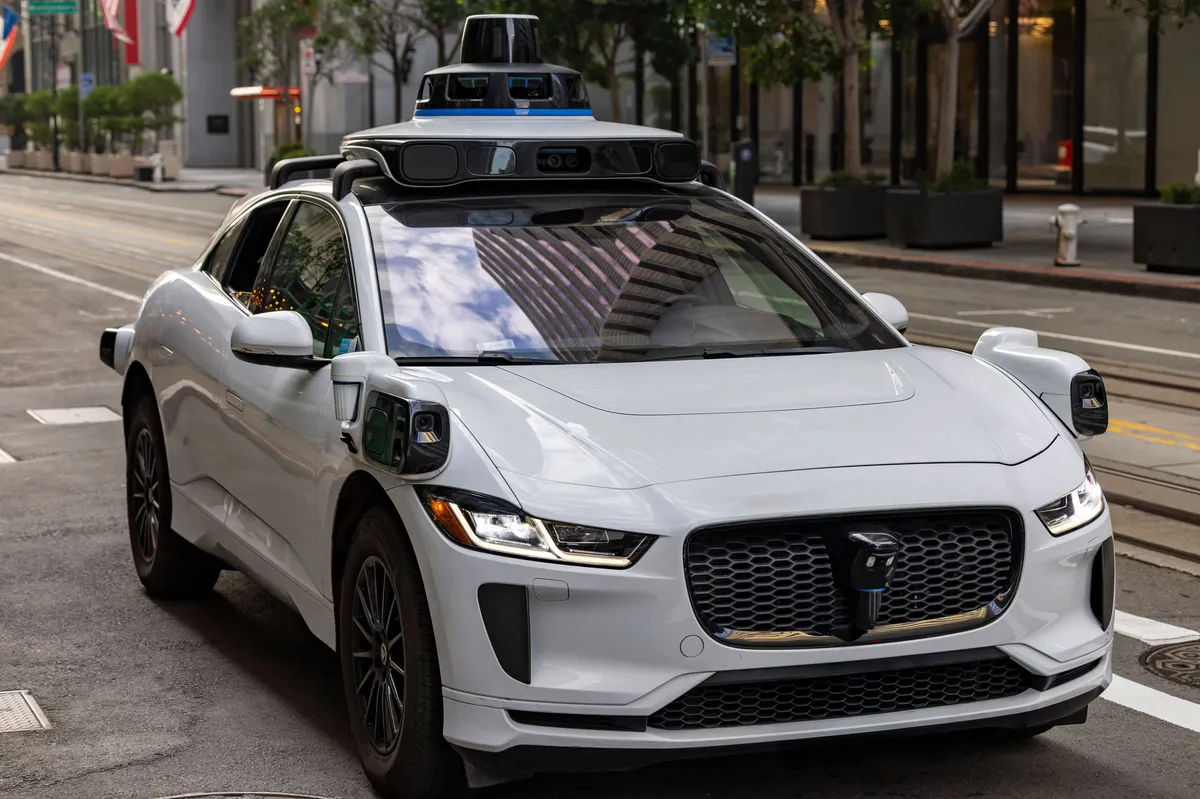
The juxtaposition of federal enthusiasm and local hesitance is illustrated by recent events in San Francisco. After a series of traffic disruptions caused by Waymo's robotaxis during heavy congestion on July 4th, local officials have called for enhanced regulations to ensure that autonomous vehicles do not impede emergency services. Representative Kevin Mullin's proposed legislation for national safety standards underscores the urgency of addressing these concerns before they escalate into broader public safety issues.

Market Dynamics: Competition and Innovation
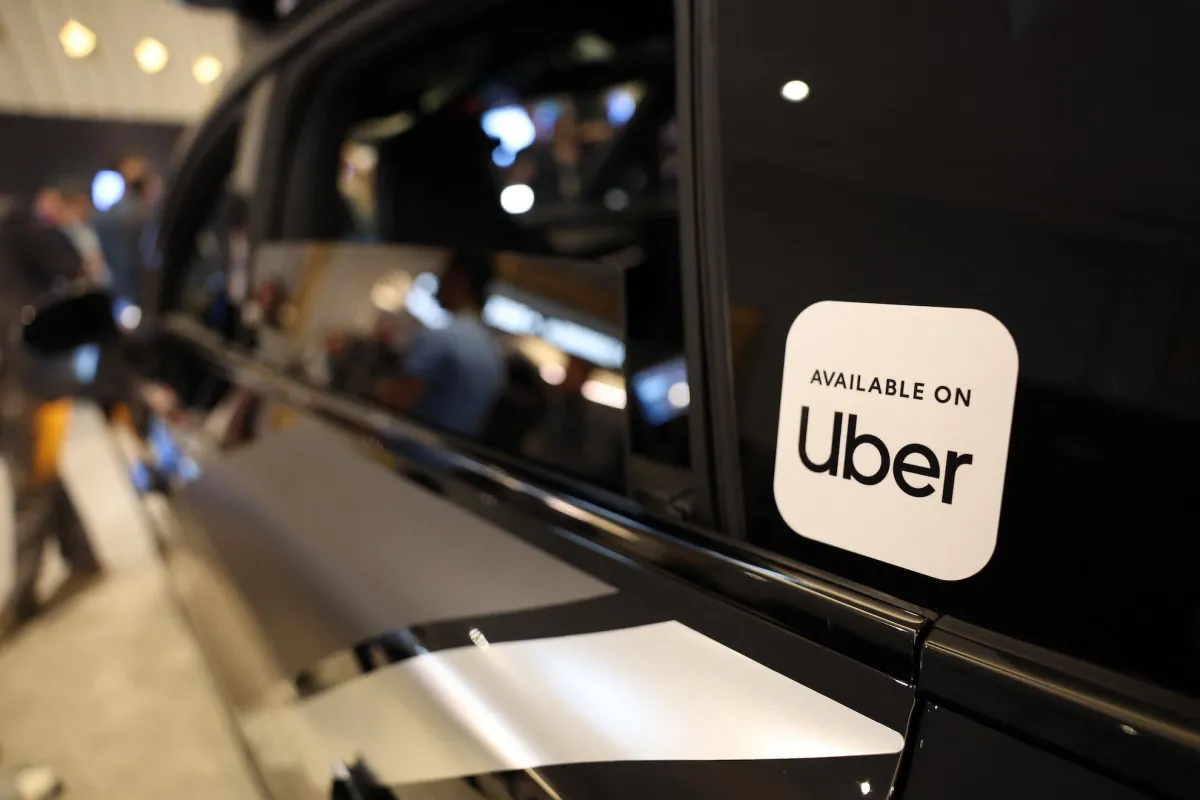
The autonomous vehicle market is not merely a regulatory battlefield; it's a competitive arena where companies vie for dominance. Zoox's imminent launch in Las Vegas could set the stage for a race among other players, including Waymo, Uber, and even new entrants like Baidu, which recently began testing in London. Each of these companies is navigating its own set of challenges, from regulatory compliance to public acceptance.
The Race for Robotaxi Leadership
In the U.S., Waymo and Uber are among the most recognized names in the robotaxi space. However, they face increasing competition from international players like Baidu, which is leveraging its technological expertise to establish a foothold in cities like London. This global race is not just about technology; it's also about building trust with consumers and regulators alike.
In addition to competing for market share, these companies must also address significant public concerns regarding safety and reliability. High-profile incidents, such as those involving Waymo's vehicles, have raised questions about their ability to operate safely in complex urban environments. As a result, public perception and regulatory scrutiny will play critical roles in shaping the future of robotaxi services.
Technological Advancements: The Path Forward
As the robotaxi industry evolves, technological advancements will be crucial in addressing safety concerns and improving operational efficiency. Companies are investing heavily in artificial intelligence, machine learning, and sensor technologies to enhance the capabilities of their autonomous systems.
Innovations Driving the Industry
- Improved AI algorithms are enabling better decision-making in real-time traffic scenarios.
- Advanced sensor technologies, such as LiDAR and computer vision, are enhancing vehicle awareness of their surroundings.
- Vehicle-to-Infrastructure (V2I) communication is being explored to facilitate better interactions between autonomous vehicles and traffic management systems.
These innovations are not only aimed at improving the performance of robotaxis but also at building public confidence in their safety. As companies showcase successful pilot programs and gather data on their vehicles' performance, they can address skepticism and pave the way for wider adoption.
Public Sentiment and the Future of Autonomous Mobility
Building Trust with Consumers
For robotaxi services to thrive, companies must engage in proactive communication strategies that educate the public about the safety and benefits of autonomous vehicles. This includes transparent reporting on safety incidents and ongoing efforts to improve technology. Companies may also consider partnerships with local governments to ensure that concerns are addressed collaboratively.
Ultimately, the future of robotaxis hinges on the ability of the industry to navigate the complex interplay between innovation, regulation, and public perception. As the landscape continues to evolve, stakeholders must be prepared to adapt to changing dynamics to foster a safe and effective autonomous transportation ecosystem.
Key Takeaways
- Federal initiatives are accelerating the development of robotaxi services, exemplified by Zoox's exemption from safety standards.
- Local governments are pushing for stricter regulations in response to safety incidents involving autonomous vehicles.
- The competition among robotaxi operators is intensifying, with companies like Waymo and Baidu vying for market leadership.
- Technological advancements, including AI and sensor improvements, are crucial for enhancing safety and public trust.
- Public sentiment plays a critical role in the adoption of robotaxi services, necessitating proactive communication and transparency.
Frequently Asked Questions
What are the main regulatory challenges facing robotaxi services?
Robotaxi services face a range of regulatory challenges, primarily centered around safety standards and public safety concerns. As seen in San Francisco, local officials have raised alarms over how autonomous vehicles interact with emergency responders, prompting calls for stricter regulations. The NHTSA's efforts to streamline regulations may conflict with local safety standards, creating a complex landscape for operators.
How do technological advancements impact the safety of robotaxis?
Technological advancements play a vital role in enhancing the safety of robotaxis. Innovations such as improved AI algorithms and advanced sensor technologies help autonomous vehicles make better decisions in real-time, reducing the likelihood of accidents. Additionally, vehicle-to-infrastructure communication can facilitate smoother interactions between autonomous vehicles and traffic management systems, further improving safety.
What role does public sentiment play in the success of robotaxi services?
Public sentiment is crucial for the success of robotaxi services. If consumers are skeptical about the safety and reliability of autonomous vehicles, widespread adoption may be hindered. Companies must engage in proactive communication strategies to build trust and educate the public about the benefits of robotaxis, addressing safety concerns transparently.
Which cities are emerging as key markets for robotaxi services?
As of now, major cities like Las Vegas and San Francisco are at the forefront of robotaxi testing and deployment. However, international markets are also emerging, with companies like Baidu testing autonomous vehicles in London. The competition among cities to become the leading market for robotaxis is intensifying, and we can expect more cities to join the fray as technology matures.
Comments
Engineers Race Against Time to Rescue NASA's Swift Mission Satellite
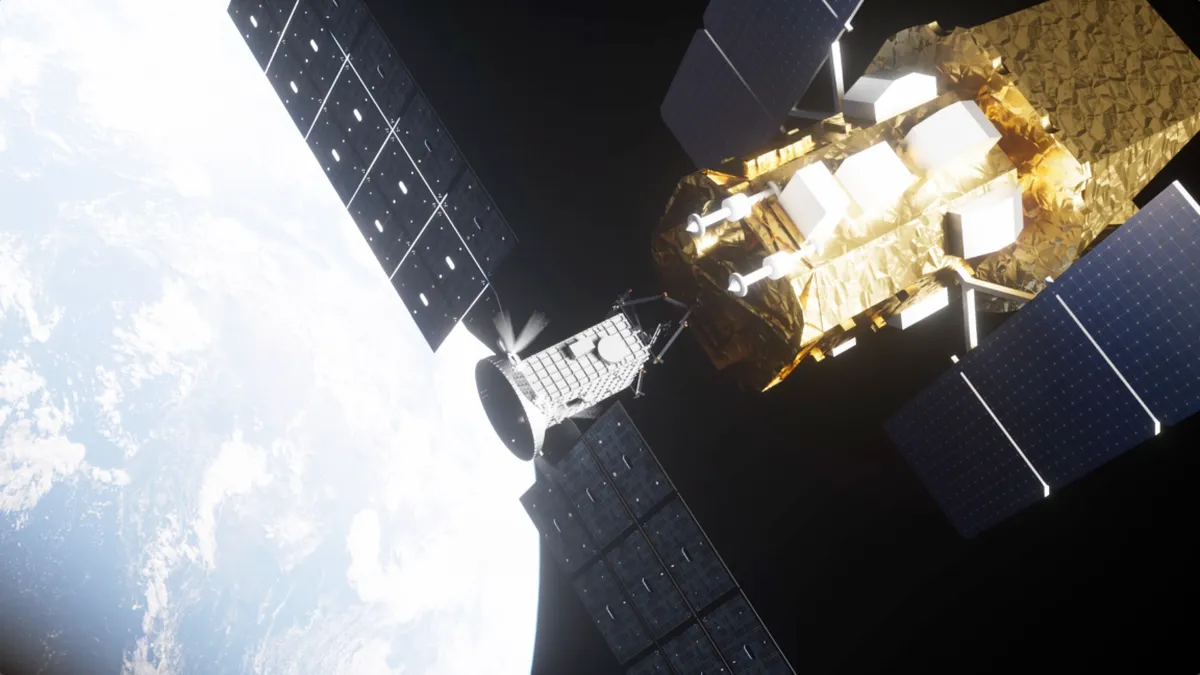
As engineers strive to stabilize the malfunctioning Link satellite, the mission to save NASA's Swift gamma-ray observatory hangs in the balance. Learn about the complexities and innovations involved in this unprecedented satellite servicing endeavor.
Related articles
Popular in Cloud Computing
- SK Hynix's Historic $26.5 Billion IPO: A New Era for Memory Chips
- Kubernetes and the Future of Desktop Infrastructure: A Paradigm Shift
- Amazon Expands Partnership with Nvidia, Tripling GPU Orders Amid AI Demand Surge
- Elon Musk's Evolving Relationship with Anthropic: A New Era for AI Hosting
- Emerging Rocket Launches: A New Era for Space Exploration