Engineers Race Against Time to Rescue NASA's Swift Mission Satellite
As engineers strive to stabilize the malfunctioning Link satellite, the mission to save NASA's Swift gamma-ray observatory hangs in the balance. Learn about the complexities and innovations involved in this unprecedented satellite servicing endeavor.
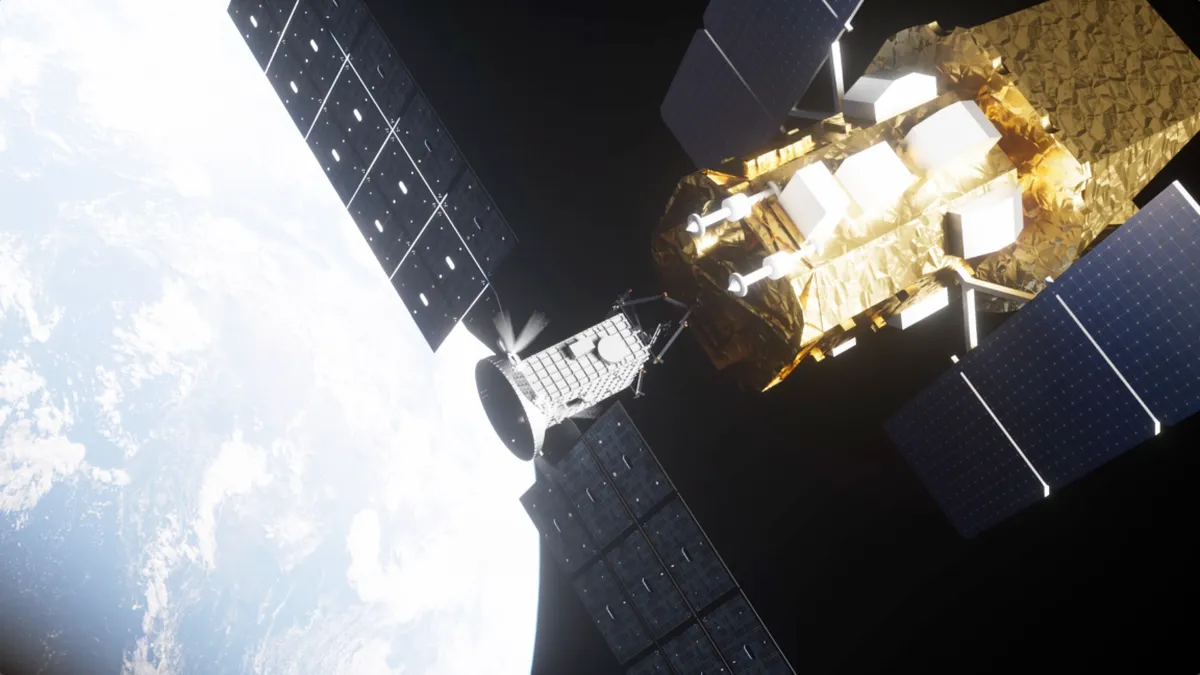
In an extraordinary intersection of space technology and commercial enterprise, engineers are racing against the clock to stabilize the Link satellite, a crucial element in NASA's ambitious mission to rescue the Swift gamma-ray observatory. Launched on July 3, 2026, the Link satellite was designed to capture Swift, boost its orbit, and extend its operational lifespan. However, a sudden malfunction has thrown the mission into jeopardy, highlighting the complexities and risks of satellite servicing in the harsh environment of space.
Swift, which has been operational for nearly two decades, is a vital tool for astrophysicists, providing critical data on gamma-ray bursts and other cosmic phenomena. The satellite was initially budgeted at around $500 million, and its potential loss would not only be a significant financial blow but also a setback for ongoing astronomical research. Katalyst Space Technologies, the startup behind Link, has been entrusted by NASA with a $30 million contract to execute this unprecedented mission, marking the first time NASA has engaged a commercial partner for satellite servicing.
The Incident: Challenges in Space
Just a week after its launch, the Link satellite encountered a severe malfunction while operating over 200 miles above Earth. Engineers quickly discovered that the satellite began spinning uncontrollably, losing its ability to maintain a reliable communication link with ground control. Compounding the issue, two of Link's three reaction wheels, essential for stabilizing and pointing the satellite, ceased functioning.
The malfunction was alarming enough to prompt an immediate response from Katalyst’s ground team based in Denver. “When this happened, it was during one of the passes without comms,” said Ghonhee Lee, CEO of Katalyst. The team faced the daunting task of regaining control of the satellite while simultaneously diagnosing the root cause of the error.
Innovative Solutions: The Engineering Response
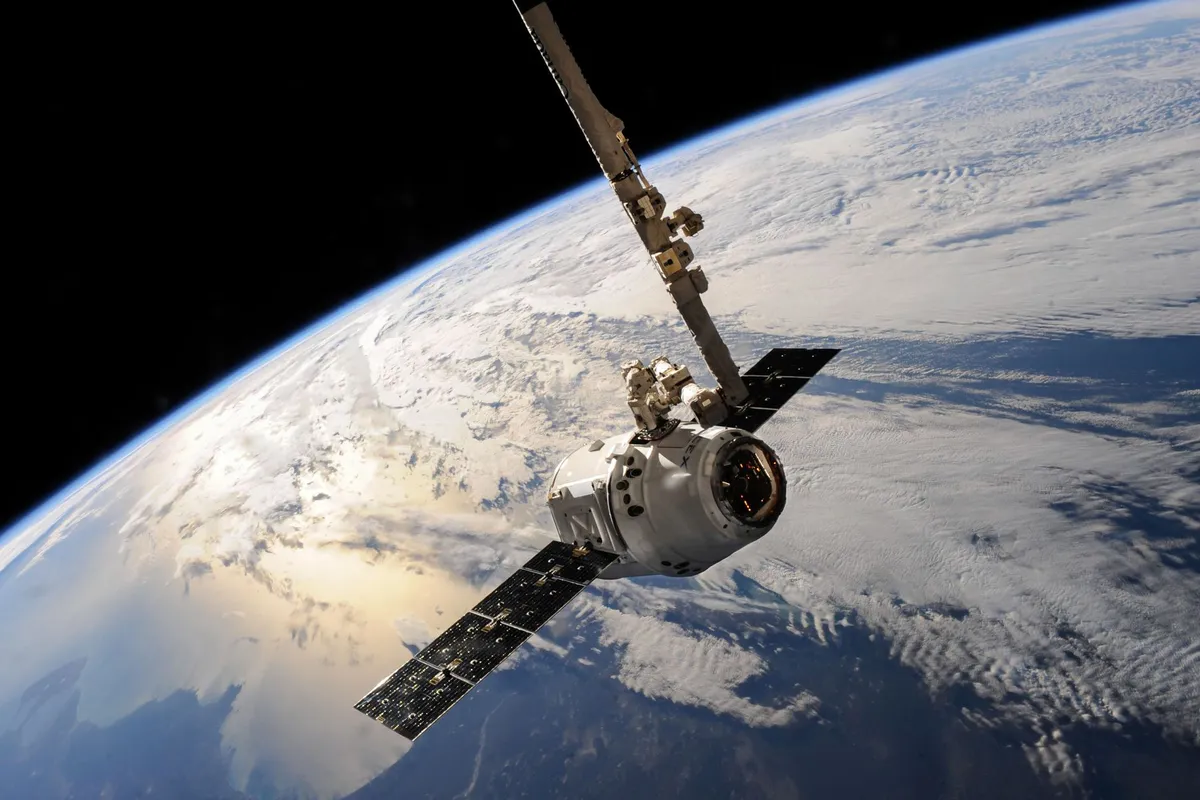
In response to the crisis, Katalyst's engineers swiftly initiated several strategies to stabilize Link. The first objective was to use the satellite's plasma propulsion engines to slow its spin. These engines, primarily designed for orbital maneuvers, were also effective in attitude control due to their ability to vector thrust using a two-axis gimbal.
As of the latest updates, the team had successfully reduced the satellite's spin rate from approximately 9 degrees per second to around 4 degrees per second. This reduction allowed for better communication with the satellite, enabling engineers to assess its systems more effectively.
Challenges with Control Systems
The team faced further complications, including issues with the cold gas thrusters, which are critical for fine-tuning the satellite's orientation. While two reaction wheels were inoperable, Katalyst's engineers prioritized stabilizing the satellite through a combination of its remaining reaction wheel and the thrusters. The ultimate goal was to restore three-axis control over Link, crucial for the mission's success.
Key Systems Still Functioning:- Power supply remains operational.
- Three xenon-fueled electric thrusters are functional.
- Rendezvous and robotics hardware are intact.
Understanding the Malfunction: Investigative Measures
As engineers worked tirelessly to stabilize Link, they were also tasked with investigating the cause of the malfunction. The sudden loss of control could stem from either an internal failure or a collision with space debris, an ever-present hazard in low Earth orbit. Lee indicated that two onboard cameras would be deployed to look for potential damage once the satellite was stabilized.
Interestingly, Link has built-in fault protection logic designed to mitigate failures. After a 24-hour communication blackout, the satellite reset itself, a procedure that inadvertently caused a spike in thermal conditions affecting the electronic circuits controlling the reaction wheels. This ungraceful reset, while intended to protect the satellite, created additional downstream complications.
Looking Ahead: The Path to Recovery
Despite the setbacks, Katalyst remains optimistic about the mission. Lee expressed confidence in the team's ability to stabilize Link and eventually execute the rendezvous with Swift, anticipated around the end of August. “We’re very committed to pursuing this mission,” Lee stated, reinforcing the collaboration with NASA's technical team.
While the mission's parameters have shifted, Katalyst is exploring alternate algorithms to regain control. The anticipated close approach to Swift could allow for critical inspections, potentially identifying any damage the observatory may have sustained over its operational life.
The Importance of Satellite Servicing
This mission underscores the growing significance of satellite servicing in the space industry. As satellites age and require maintenance, commercial partnerships like the one between NASA and Katalyst could become increasingly vital. The success of this mission could pave the way for future collaborations, establishing a precedent for the commercial servicing of government space assets.
Key Takeaways
- The Link satellite is on a critical mission to rescue NASA's Swift observatory.
- Engineers are utilizing innovative propulsion techniques to regain control of the satellite.
- The mission highlights the importance of commercial partnerships in space exploration.
- Investigations are ongoing to determine the cause of the satellite's malfunction.
- Success in this endeavor could lead to future commercial servicing missions for NASA.
Frequently Asked Questions
What are the primary objectives of the Link satellite mission?
The Link satellite's primary objectives include capturing the Swift gamma-ray observatory, boosting its orbit, and extending its operational lifespan. This mission represents a significant advancement in satellite servicing, as it is the first time NASA has contracted a commercial company for such an endeavor.
What are the main challenges faced by Katalyst engineers?
Katalyst engineers face numerous challenges, including stabilizing the Link satellite that has lost control and diagnosing the issues with its reaction wheels and cold gas thrusters. Regaining reliable communication and control is paramount, especially given the time-sensitive nature of the mission.
How does satellite servicing impact the future of space exploration?
Satellite servicing has the potential to revolutionize space exploration by extending the life of existing satellites and enabling proactive maintenance. This could significantly reduce costs associated with launching new satellites and foster more sustainable practices in orbit, ultimately benefiting both commercial and governmental space missions.
What role does NASA play in this mission?
NASA plays a critical role in the Link mission by collaborating closely with Katalyst’s team. The agency provides technical support, resources, and oversight to ensure the mission's success, leveraging its extensive experience in space operations to support the commercial initiative.
Comments
Navigating the Diverging Paths of Robotaxis in the U.S. and Beyond
As the autonomous vehicle industry accelerates, regulatory challenges and market dynamics create a complex landscape for robotaxi services. While federal initiatives aim to boost development, local governments express growing concerns over safety and emergency response interactions.

Related articles

Popular in Cloud Computing
- SK Hynix's Historic $26.5 Billion IPO: A New Era for Memory Chips
- Kubernetes and the Future of Desktop Infrastructure: A Paradigm Shift
- Amazon Expands Partnership with Nvidia, Tripling GPU Orders Amid AI Demand Surge
- Elon Musk's Evolving Relationship with Anthropic: A New Era for AI Hosting
- Emerging Rocket Launches: A New Era for Space Exploration