Uber's Ambitious Journey into Autonomous Vehicles: A Comprehensive Overview
Uber is strategically positioning itself in the autonomous vehicle (AV) landscape through partnerships and investments with over 30 companies. This article delves into Uber's past, present, and future in the AV space, examining its partnerships, the technology involved, and the implications for consumers and the industry.
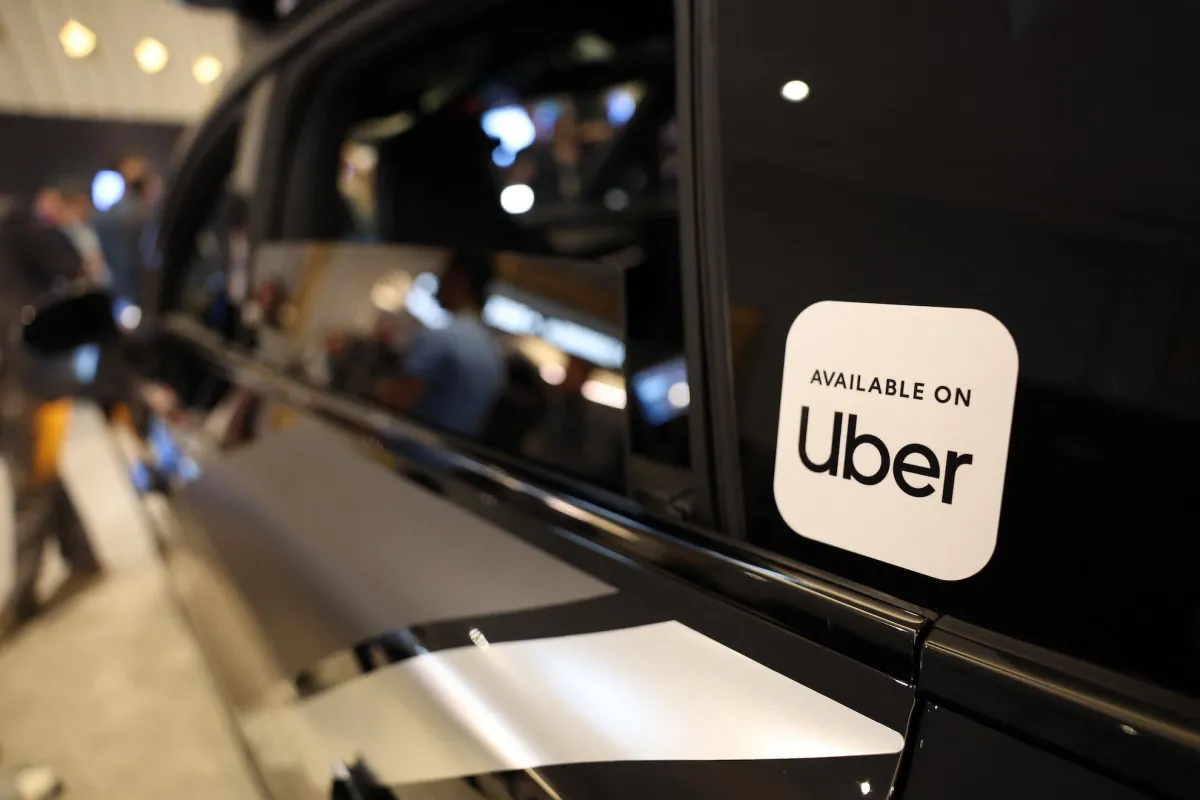
In a rapidly evolving technological landscape, Uber is making significant strides in the autonomous vehicle (AV) sector, aiming to establish an empire that could redefine urban mobility. Over the past two years, the ride-sharing giant has partnered with more than 30 companies, showcasing a renewed commitment to AV technology after a tumultuous past. This article will provide an in-depth look at Uber's journey into the AV space, detailing its historical context, current partnerships, the technologies involved, and the potential impact on the transportation industry.
The Historical Context: Uber's Initial Foray into AV Technology
Uber's venture into autonomous vehicles began with the formation of the Uber Advanced Technologies Group (ATG) in 2014, spearheaded by then-CEO Travis Kalanick. The company sought to develop its own AV technology by recruiting top talent from prestigious institutions like Carnegie Mellon University. In 2016, Uber took a significant step by acquiring Otto, a self-driving truck startup founded by notable engineers, including former Google self-driving expert Anthony Levandowski.
However, the road was fraught with challenges. Uber faced legal battles, notably with Waymo over trade secrets, which culminated in a high-profile lawsuit. Tragedy struck in 2018 when an Uber self-driving vehicle struck and killed a pedestrian in Tempe, Arizona, leading to a suspension of testing and a reevaluation of its AV ambitions. After Dara Khosrowshahi took over as CEO, Uber shifted its focus back to its core ride-hailing and delivery services, effectively sidelining its autonomous vehicle projects for a time.
Uber's Strategic Shift: Reentering the AV Market
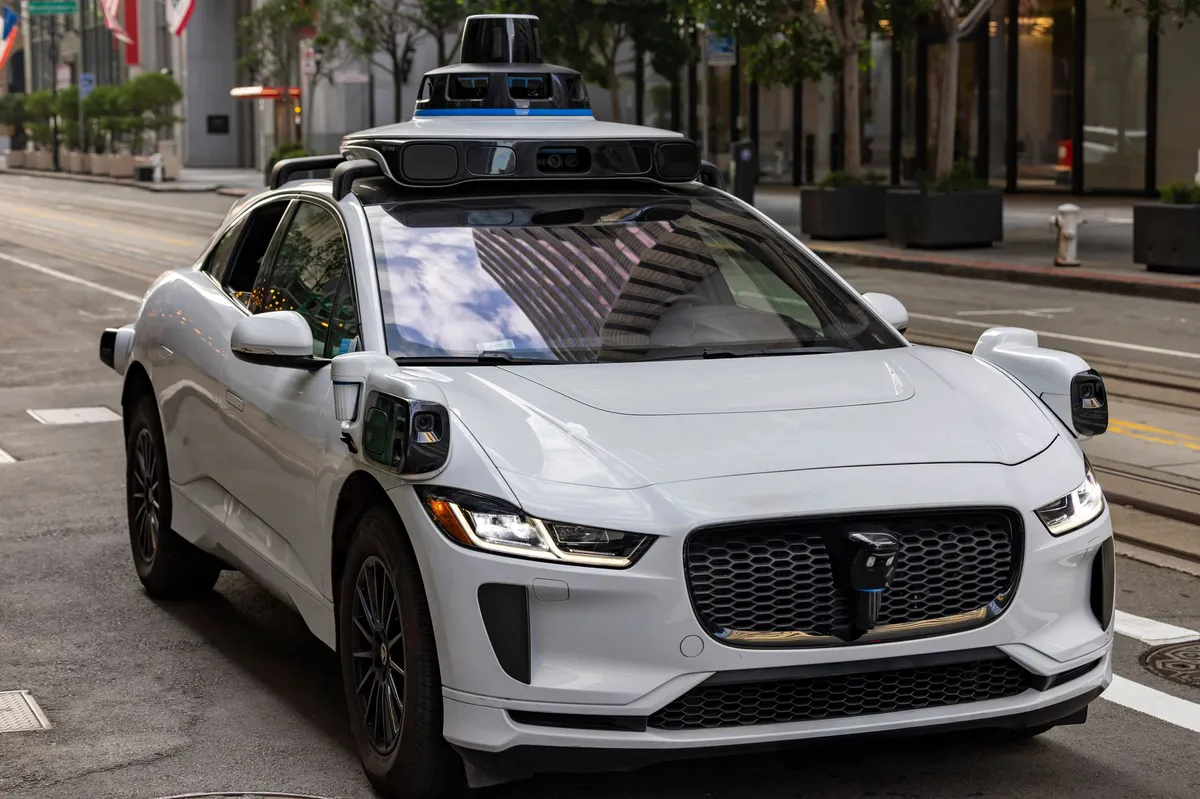
Fast forward to 2024, and Uber is re-energizing its approach to autonomous vehicles. The company has begun to re-engage with AV technology through strategic partnerships and investments, positioning itself as a key player in the burgeoning AV market. Below, we explore some of the most significant partnerships and initiatives Uber has undertaken in recent years.
Key Partnerships and Collaborations
- Aurora: Following the sale of Uber ATG to Aurora in 2020, Uber retained a 19.7% equity stake, which it has further solidified through ongoing collaborations, including a multi-year partnership announced in June 2024 to utilize Aurora's self-driving trucks for its logistics services.
- Avomo: Uber took a 30% stake in this European fleet operator in 2021, integrating its services for managing AV fleet operations in various markets.
- Avride: A partnership announced in 2024 aims to integrate Avride's sidewalk delivery robots with Uber Eats, showcasing the versatility of AV applications beyond passenger transport.
- Baidu: Uber's collaboration with the Chinese tech giant involves deploying thousands of Baidu's Apollo Go autonomous vehicles across international markets, expanding Uber's reach in Asia and the Middle East.
- Lucid Motors: Uber's investment in Lucid Motors includes plans to launch a premium robotaxi service using Lucid’s EVs equipped with autonomous technology.
Technological Innovations: The Backbone of Uber's AV Strategy
At the heart of Uber's autonomous vehicle strategy is a complex interplay of cutting-edge technologies. These technologies are not just limited to self-driving systems; they encompass a wide range of innovations that are essential for the successful deployment of AVs in urban environments.
Key Technologies Involved
- Artificial Intelligence (AI): The backbone of modern autonomous driving, AI is utilized for processing vast amounts of data from sensors and cameras to make real-time driving decisions.
- Sensor Fusion: Combining data from various sensors (LiDAR, cameras, radar) allows vehicles to create a comprehensive understanding of their surroundings.
- Cloud Computing: Cloud infrastructure supports real-time data processing and communication between vehicles and centralized systems, crucial for fleet management and safety.
- Electric Vehicles (EVs): As urban centers push for sustainability, Uber's integration of EVs in its AV fleet aligns with global environmental goals.
The Regulatory Landscape and Its Challenges
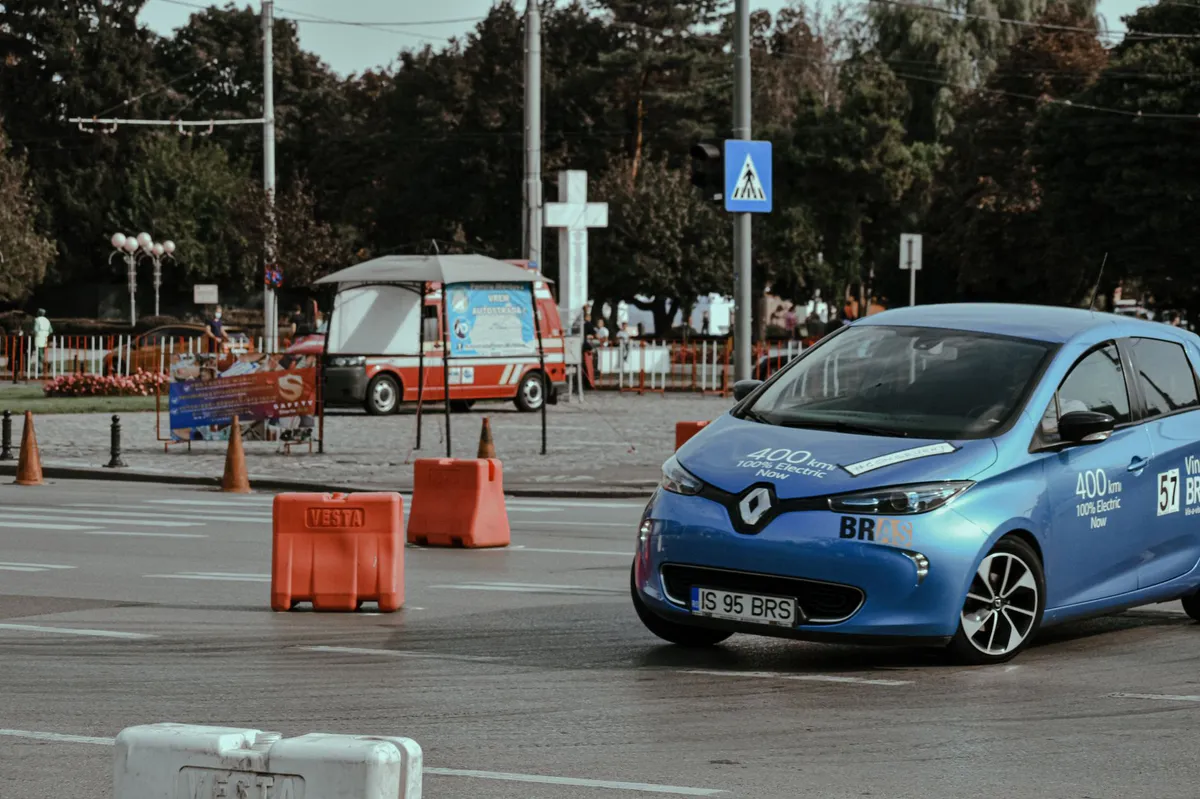
As Uber forges ahead with its AV ambitions, it must navigate a complex regulatory landscape that varies significantly by region. In the United States, for instance, autonomous vehicle regulations are primarily enacted at the state level, leading to a patchwork of rules that can complicate deployment strategies.
In addition to state regulations, Uber must also contend with safety investigations, such as the one opened by the National Highway Traffic Safety Administration (NHTSA) into Avride following reported crashes. These challenges underscore the importance of regulatory compliance and safety standards as Uber embarks on its AV journey.

Future Implications: What Lies Ahead for Uber and the AV Market
Looking forward, Uber's commitment to establishing a robust autonomous vehicle ecosystem could have far-reaching implications for the transportation industry. A successful rollout of AVs could lead to:
- Increased Efficiency: Autonomous vehicles are expected to optimize routes and decrease wait times, enhancing the overall efficiency of ride-hailing and delivery services.
- Cost Reductions: By reducing reliance on human drivers, Uber could significantly lower operational costs, potentially translating to lower prices for consumers.
- Transforming Urban Mobility: AVs have the potential to reshape how people move within cities, reducing congestion and promoting shared mobility solutions.
Key Takeaways
- Uber is strategically partnering with over 30 companies to build its autonomous vehicle ecosystem.
- Technological innovations like AI and sensor fusion are critical to the success of Uber's AV initiatives.
- Navigating regulatory challenges will be essential for the deployment of AVs across various markets.
- Uber's commitment to AV technology could revolutionize urban mobility and reduce operational costs.
Frequently Asked Questions
What are the main challenges Uber faces in the autonomous vehicle market?
Uber's primary challenges in the AV market include navigating complex regulations that vary by region, addressing safety concerns stemming from past incidents, and competing with other established players in the autonomous vehicle space. Additionally, technological hurdles such as ensuring the reliability and safety of self-driving systems are ongoing concerns that must be addressed.
How does Uber's investment in autonomous vehicles compare to its traditional ride-hailing business?
While Uber's traditional ride-hailing business generates substantial revenue, its investments in autonomous vehicles represent a long-term strategy aimed at reducing operational costs and increasing efficiency. The AV market is seen as a potential growth area that could complement and ultimately enhance the profitability of its core business by reducing the reliance on human drivers, thus cutting down on labor costs.
What role do partnerships play in Uber's strategy?
Partnerships are pivotal to Uber's strategy in the autonomous vehicle space, allowing the company to leverage the expertise and technology of established players in the sector. By collaborating with various companies, Uber can access cutting-edge technologies and expand its service offerings without bearing the full burden of research and development costs, thereby accelerating its entry into the AV market.
Comments
Navigating the Diverging Paths of Robotaxis in the U.S. and Beyond
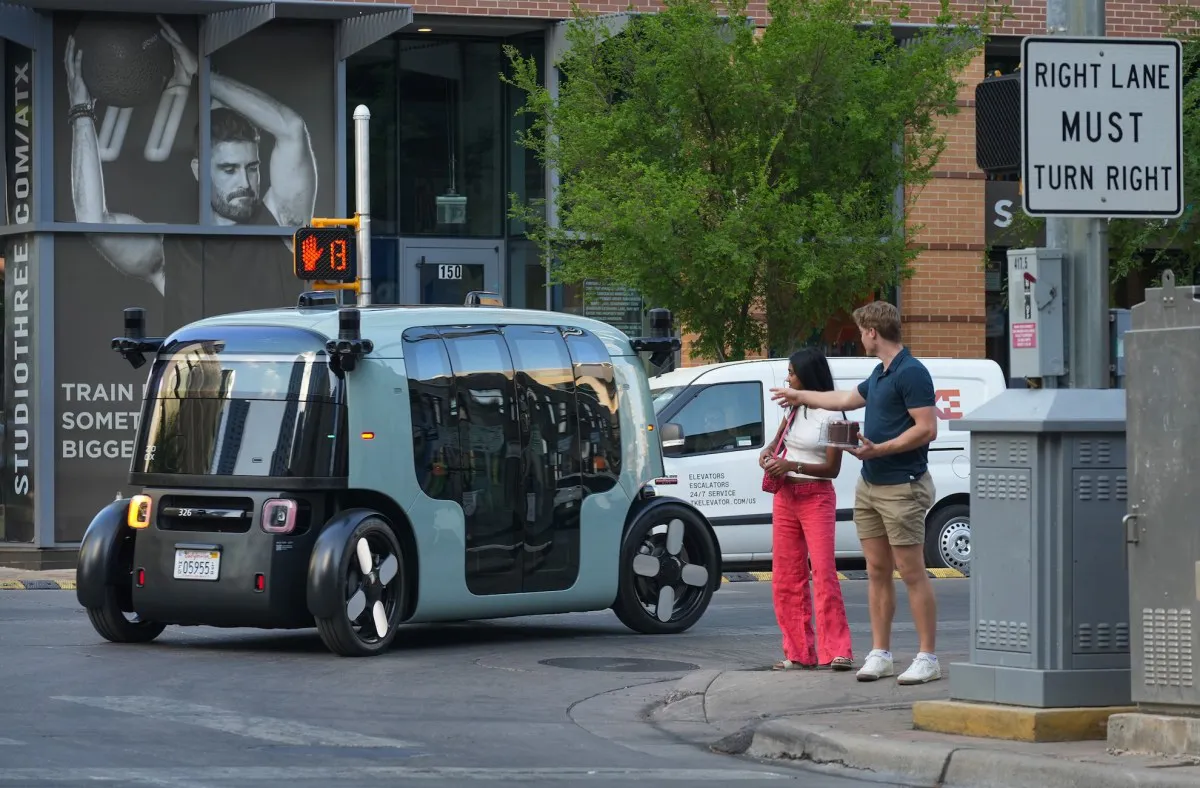
As the autonomous vehicle industry accelerates, regulatory challenges and market dynamics create a complex landscape for robotaxi services. While federal initiatives aim to boost development, local governments express growing concerns over safety and emergency response interactions.
Related articles
Popular in Cloud Computing
- SK Hynix's Historic $26.5 Billion IPO: A New Era for Memory Chips
- Kubernetes and the Future of Desktop Infrastructure: A Paradigm Shift
- Amazon Expands Partnership with Nvidia, Tripling GPU Orders Amid AI Demand Surge
- Elon Musk's Evolving Relationship with Anthropic: A New Era for AI Hosting
- Emerging Rocket Launches: A New Era for Space Exploration