Lyft and Baidu Launch Robotaxi Testing in London: A New Era of Autonomous Transport
Lyft and Baidu have initiated testing of autonomous vehicles in London, marking a significant step in the race for robotaxi services. This article explores the implications of their partnership, the competitive landscape, and future prospects for autonomous transportation.
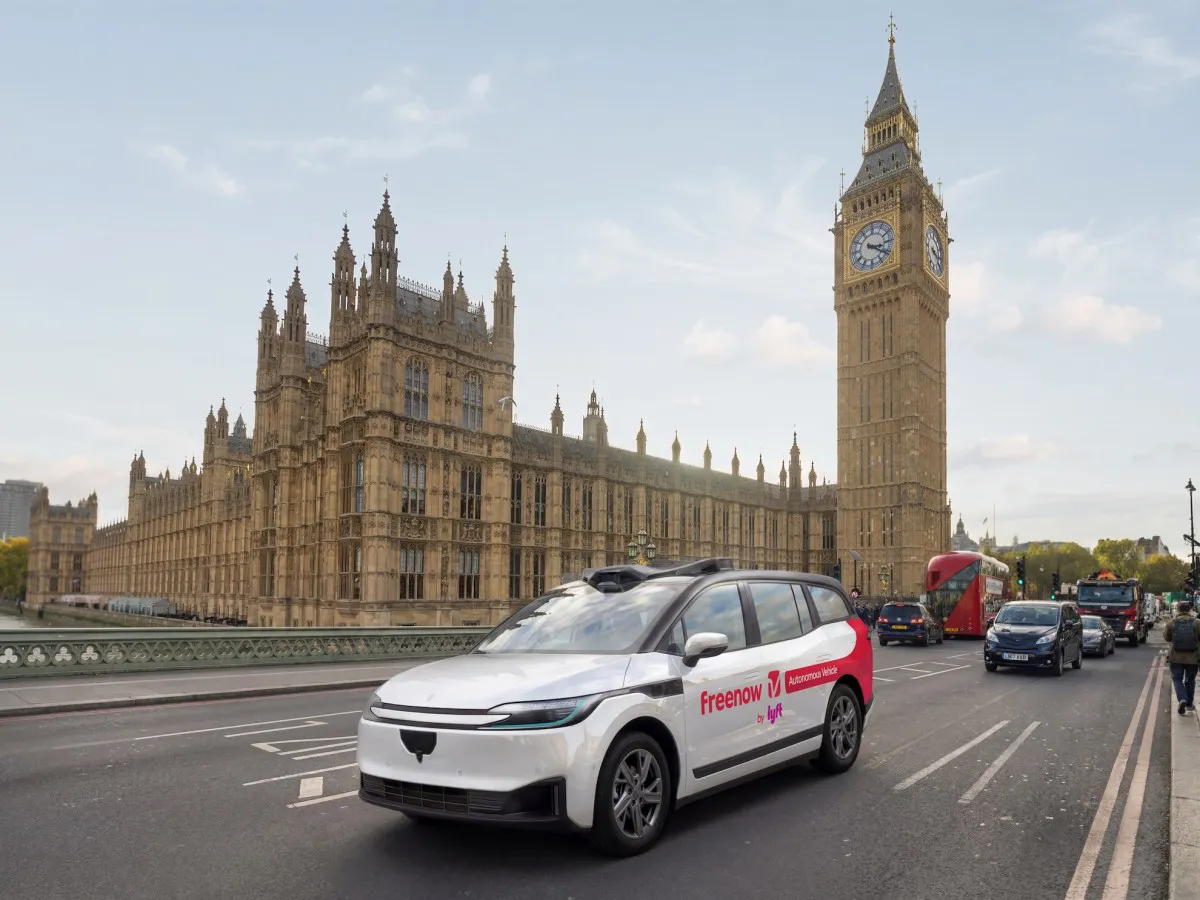
In a significant move towards the future of urban mobility, Lyft and Baidu have commenced testing autonomous vehicles in London, marking another step in the burgeoning robotaxi market. This venture comes as part of a strategic partnership aimed at deploying Baidu's Apollo Go RT6 robotaxi technology across key European cities. With the UK poised to become a battleground for self-driving technology, the implications for the transportation sector are profound.
The partnership between the American ride-hailing giant Lyft and the Chinese tech powerhouse Baidu is not merely a collaboration; it symbolizes a merging of technological expertise and market potential. Starting this week, their testing phase involves human safety operators overseeing the autonomous vehicles as they navigate the bustling streets of London. This initiative follows nearly a year after Lyft acquired Freenow, a prominent European multi-mobility app, for approximately $197 million, expanding its footprint in the competitive ride-hailing landscape.
The Robotaxi Landscape in London
London is rapidly evolving into a key battleground for robotaxi services, with several players vying for dominance. The entrance of Lyft and Baidu adds to the existing competition, which includes major names such as Waymo and Uber. Each of these companies is leveraging advanced artificial intelligence and machine learning to develop self-driving fleets that promise to revolutionize urban transport.
Competitive Players and Their Strategies
As of 2026, the landscape includes:
- Waymo: Testing autonomous vehicles with safety operators in London.
- Uber: Partnering with Wayve to launch a robotaxi service later this year.
- Baidu and Lyft: Testing their Apollo Go RT6 vehicles with plans for public access in 2027.
Each of these companies is working diligently to refine their technology while navigating regulatory frameworks established by local governments. The UK government is currently in the process of developing regulations for autonomous vehicles and has opened applications for pilot programs allowing companies to test self-driving technology under government oversight.
The Role of Regulations in Autonomous Vehicle Deployment
Regulatory approval is a crucial factor that will determine the pace at which robotaxi services can be rolled out. For Lyft and Baidu, discussions with key stakeholders such as Transport for London (TfL) and the Centre for Connected and Autonomous Vehicles (CCAV) are ongoing, as they seek to ensure compliance with emerging regulations.
One of the anticipated regulatory frameworks includes provisions for hybrid networks, wherein human drivers and autonomous vehicles can operate in tandem. This model, which has been adopted by competitors like Uber, allows for a smoother transition to fully autonomous operations while addressing public safety concerns.
Public Safety and Consumer Confidence
Safety is paramount in the deployment of autonomous vehicles. With human safety operators present during the initial testing phases, companies like Lyft and Baidu aim to build consumer confidence in their robotaxi services. Thomas Zimmermann, CEO of Freenow by Lyft, emphasized that ensuring autonomous technology supports the professional drivers who are integral to London’s transport ecosystem is a top priority. This balancing act between innovation and safety will be crucial as they work toward the eventual launch of robotic taxi services for the public.
Market Implications and Future Prospects
The entrance of Lyft and Baidu into London’s autonomous vehicle market is a clear indication of the growing interest and investment in self-driving technology. The potential for robotaxis to transform urban transport is immense, with estimates suggesting that the global autonomous vehicle market could surpass $556 billion by 2026.
For consumers, the advent of robotaxis means greater convenience, reduced travel costs, and potential improvements in traffic management. However, this shift also raises questions about job security for traditional taxi drivers and the need for retraining programs to support workers displaced by automation.

Consumer Adoption and the Road Ahead
As the technology matures and regulatory frameworks are established, consumer adoption will play a critical role in the success of robotaxi services. Public perception of autonomous vehicles is still mixed; while many are excited about the potential benefits, concerns about safety and reliability remain prevalent.
Strategies for Consumer Engagement
To foster consumer acceptance, companies like Lyft and Baidu must prioritize transparency and education. This could involve:
- Conducting public demonstrations to showcase the technology.
- Providing clear information about safety measures and operational protocols.
- Engaging with communities to address concerns and gather feedback.
Ultimately, the success of robotaxi services will depend on their ability to integrate seamlessly into the existing transportation landscape while maintaining public trust.

Key Takeaways
- Lyft and Baidu have begun testing their autonomous vehicles in London, with public launches expected in 2027, pending regulatory approval.
- The competition in London's robotaxi market is intensifying, with key players including Waymo and Uber also testing autonomous technologies.
- Regulatory frameworks and public safety will be pivotal in determining the success of robotaxi services.
- Consumer engagement and education will be crucial for fostering adoption of autonomous transportation solutions.
Frequently Asked Questions
What is the Apollo Go RT6 robotaxi?
The Apollo Go RT6 is Baidu's purpose-built autonomous vehicle designed for ride-hailing services. It features advanced AI and safety technologies that enable it to navigate urban environments without human intervention. The vehicle is part of Baidu's efforts to establish a prominent presence in the global autonomous vehicle market.
How will Lyft and Baidu ensure safety during testing?
During the testing phase, Lyft and Baidu will employ human safety operators who monitor the autonomous vehicles' performance in real-time. These operators are responsible for intervening in case of unexpected situations, thus prioritizing passenger safety as the technology is being refined.
What impact will robotaxis have on traditional taxi services?
The introduction of robotaxis is expected to disrupt traditional taxi services. While it may lead to increased competition and potentially lower prices for consumers, it also raises concerns about job displacement for human drivers. As robotaxi services grow, it will be essential to develop retraining programs for affected workers to help them transition into new roles within the evolving transportation landscape.
When can the public start using robotaxi services?
The public is expected to gain access to Lyft and Baidu's robotaxi services in 2027, provided that they receive the necessary regulatory approvals. The timeline may vary based on the progress of safety assessments and compliance with local regulations.
Comments
Recursive Superintelligence's $410 Million AWS Deal: A Leap in AI Compute Power
Recursive Superintelligence has signed a monumental $410 million deal with Amazon Web Services to enhance its AI capabilities. This partnership marks a significant step toward advancing self-improving AI systems, a move that could reshape the industry landscape.
Related articles


Popular in Cloud Computing
- SK Hynix's Historic $26.5 Billion IPO: A New Era for Memory Chips
- Kubernetes and the Future of Desktop Infrastructure: A Paradigm Shift
- Amazon Expands Partnership with Nvidia, Tripling GPU Orders Amid AI Demand Surge
- Elon Musk's Evolving Relationship with Anthropic: A New Era for AI Hosting
- Emerging Rocket Launches: A New Era for Space Exploration