Starship's Heat Shield: A Critical Barrier to Rapid Reuse
Despite significant advances in SpaceX's Starship program, experts warn that the current heat shield technology could hinder the rocket's goal of rapid reusability. The implications for future space missions are profound, demanding urgent attention to thermal protection research.
In the realm of space exploration, few technological advancements evoke as much excitement as SpaceX's Starship program. After a recent successful test flight, the rocket seems poised to revolutionize space travel, offering aspirations of delivering satellites, and potentially, crewed missions to the Moon and Mars. Yet, lurking beneath this promise is a significant challenge that could impede the ambitious goals of rapid and cost-effective reusability: the heat shield technology.
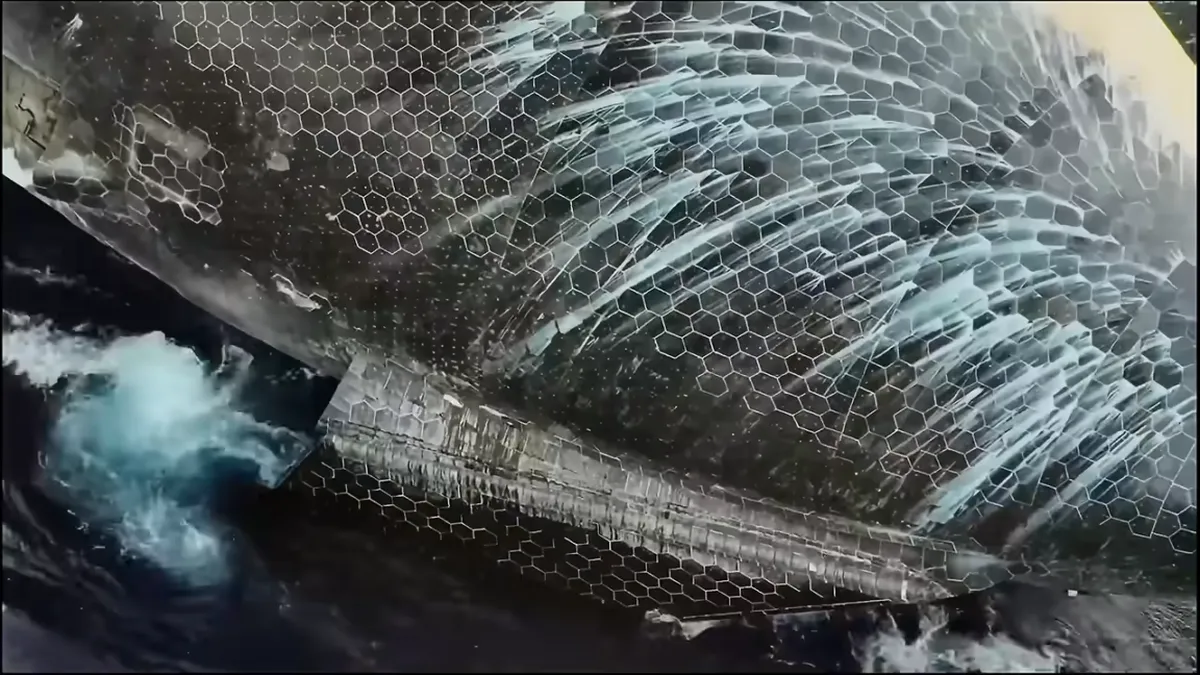
Starship’s heat shield is composed of approximately 18,000 ceramic tiles, engineered to withstand the extreme temperatures during reentry into Earth’s atmosphere. Experts, however, are cautioning that the current design may represent a critical dead end in the quest for rapid reuse—a fundamental requirement for the economic viability of frequent space missions. This article delves into the complexities of Starship's thermal protection system, the historical context shaping its development, and the urgent need for advancements in this critical technology.
Understanding the Heat Shield: A Historical Perspective
The concept of a heat shield is not new; it was a pivotal component in the design of NASA's Space Shuttle. The shuttle utilized thousands of lightweight ceramic tiles, which, while functional, posed significant challenges regarding maintenance and turnaround time. Each tile required meticulous post-flight inspections, rendering the shuttle’s reuse an expensive and labor-intensive process. This historical backdrop provides insight into why the current state of Starship's heat shield is concerning.
Dan Rasky, a former NASA engineer and co-inventor of the PICA material used in the Crew Dragon's heat shield, argues that Starship’s heat shield, while an improvement over the shuttle's design, is still fundamentally reliant on a tile-based system. He cautions that this approach may not facilitate the rapid reuse needed for missions requiring multiple launches within short timeframes.

The Current State of Starship’s Heat Shield
Despite the notable progress made during its 13th test flight, which featured a successful controlled descent and landing, the state of Starship's heat shield is a mixed bag. Observations of the vehicle after landing revealed significant white streaks and indications of cracked tiles, suggesting that hot gases had penetrated the boundaries between the tiles. Such damage implies that considerable refurbishment and inspection will be necessary before the vehicle can be launched again.
Challenges in Achieving Rapid Reuse
To achieve the ambitious goal of rapid reuse, SpaceX envisions a turnaround of days or weeks—unlike the months typically required for the shuttle. However, experts assert that the current heat shield technology will not support this vision. Rasky and his colleagues, including former NASA astronaut Charles Camarda, emphasize that merely maintaining a few intact tiles will not suffice. The heat shield must endure multiple reentries with minimal damage, minimizing the need for extensive inspections.
Moreover, while the Starship's steel structure can tolerate higher temperatures compared to the shuttle’s aluminum frame, the reliance on ceramic tiles still poses a significant hurdle. Burn-through during reentry may be acceptable to some extent, but it cannot become a routine occurrence if SpaceX is to maintain a high flight rate.
SpaceX's Response: Innovations and Investments
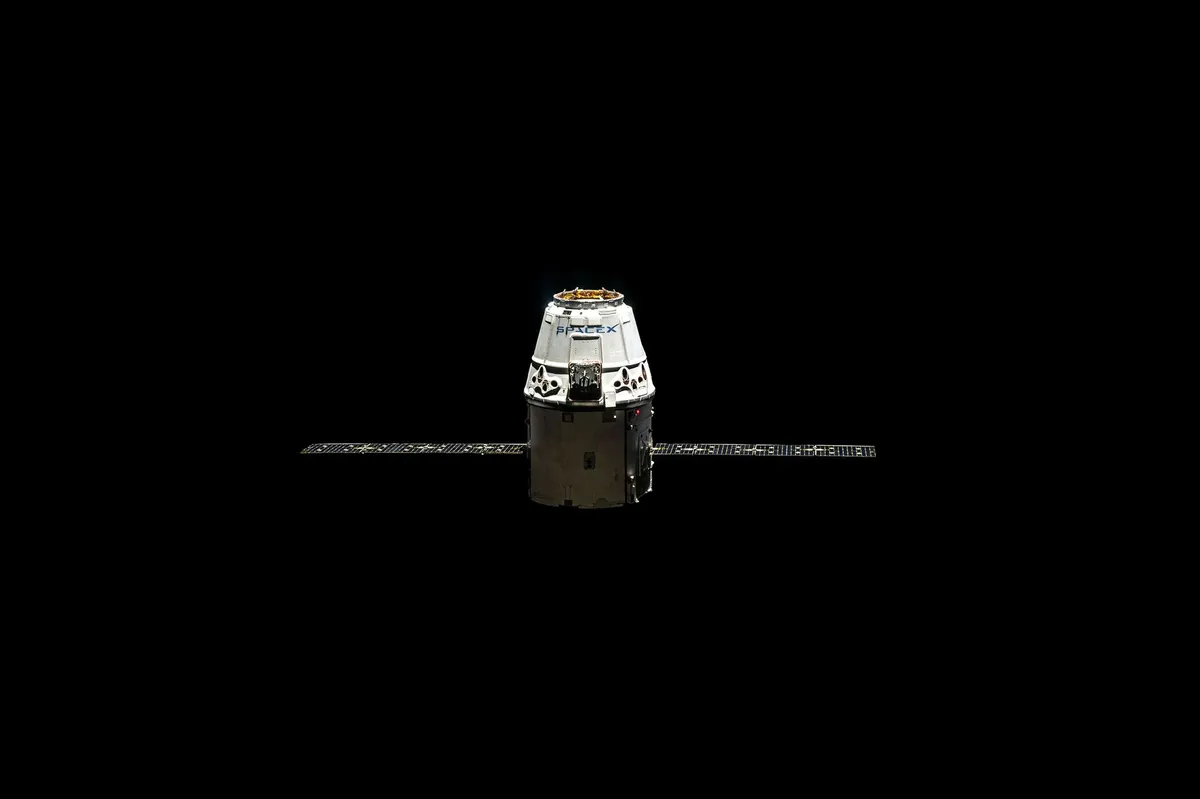
SpaceX is not ignoring these challenges. Elon Musk has openly acknowledged the formidable nature of the reusable heat shield problem, describing it as one of the biggest hurdles yet to be overcome for Starship. The company has committed substantial resources to developing new tile materials, standardizing tile shapes, and experimenting with various protective formulations.
Despite these efforts, independent experts have expressed skepticism about whether these innovations are sufficient to meet the requirements for high-frequency launches. They view SpaceX’s current heat shield approach as an incremental improvement rather than a groundbreaking solution capable of supporting the long-term vision for lunar and Martian colonization, orbital data centers, or large-scale space-based solar power.
The Role of NASA: A Call for Action
One of the most pressing concerns raised by experts is the stagnation in thermal protection research at NASA. Over the past three decades, NASA has not made significant investments in developing new thermal protection systems for vehicles reentering from low Earth orbit. The technologies underpinning Starship's heat shield are largely based on historical work conducted for the Space Shuttle and other previous programs.
Charles Miller, who has engaged with senior NASA officials, indicated that there are no new initiatives currently in the pipeline for advanced thermal materials. This is troubling, as the evolution of spaceflight technology may hinge on innovations in thermal protection systems. Experts are advocating for NASA to spearhead new research initiatives aimed at developing robust thermal protection solutions capable of withstanding the rigors of Mach 25 reentries.
Key Takeaways
- Heat Shield Limitations: Current ceramic tile technology may not support the rapid reuse required for cost-effective space missions.
- Historical Context: The challenges faced by Starship echo those of the Space Shuttle, which struggled with turnaround time due to heat shield inspections.
- SpaceX's Innovations: While SpaceX is investing in new materials, experts remain skeptical about whether these will meet future demands.
- Nasa's Stagnation: Lack of investment in thermal protection research may hinder advancements needed for future missions.
- Urgent Need for Research: Experts call for renewed initiatives to develop innovative thermal protection systems for high-frequency launches.
Frequently Asked Questions
What are the specific challenges with Starship's heat shield?
The primary challenge with Starship's heat shield revolves around its reliance on ceramic tiles, which can sustain damage during reentry. This damage necessitates labor-intensive inspections and refurbishments, ultimately complicating the goal of achieving rapid reuse. Experts argue that without significant advancements in thermal protection technology, achieving the necessary turnaround times for frequent launches will remain elusive.
How does the Space Shuttle's experience inform our understanding of Starship's heat shield?
The Space Shuttle's experience highlights the difficulties associated with tile-based thermal protection systems. Although the shuttle's tiles were effective, they required extensive inspections after each flight, leading to long turnaround times. This historical precedent raises concerns that Starship may face similar challenges, despite being built on an improved steel structure capable of withstanding higher temperatures.
What steps is SpaceX taking to address the heat shield issues?
SpaceX is actively investing in research and development to create new tile materials and standardize their shapes. The company is conducting rigorous testing during its flight campaigns to identify effective solutions for thermal protection. Elon Musk has emphasized that solving this problem is critical for the operational success of Starship, as it directly impacts the vehicle's ability to conduct frequent flights.
Why is NASA's involvement crucial for the future of thermal protection systems?
NASA's historical expertise in thermal protection systems is invaluable, and renewed investment in research could lead to breakthroughs that benefit not only Starship but the broader aerospace industry. Experts argue that without NASA's support and commitment to advancing thermal protection technology, the challenges facing vehicles like Starship may persist, hindering progress in space exploration and commercialization.
Comments
Lyft and Baidu Launch Robotaxi Testing in London: A New Era of Autonomous Transport
Lyft and Baidu have initiated testing of autonomous vehicles in London, marking a significant step in the race for robotaxi services. This article explores the implications of their partnership, the competitive landscape, and future prospects for autonomous transportation.

Related articles


Popular in Cloud Computing
- SK Hynix's Historic $26.5 Billion IPO: A New Era for Memory Chips
- Kubernetes and the Future of Desktop Infrastructure: A Paradigm Shift
- Amazon Expands Partnership with Nvidia, Tripling GPU Orders Amid AI Demand Surge
- Elon Musk's Evolving Relationship with Anthropic: A New Era for AI Hosting
- Emerging Rocket Launches: A New Era for Space Exploration