Verizon's $1 Billion Dark Fiber Deal: A New Era for AI Infrastructure
Verizon's recent $1 billion dark fiber agreement with Google marks a significant shift in the telecom landscape, aiming to support AI initiatives and enhance data center connectivity. This article explores the implications of this deal and what it means for the future of AI and telecommunications.
In a bold move to capitalize on the burgeoning demand for artificial intelligence (AI) infrastructure, Verizon has announced a groundbreaking $1 billion partnership with Google, focusing on dark fiber connectivity for data centers. This partnership, part of Verizon's newly launched "AI Connect" initiative, underscores the growing intersection of telecommunications and advanced computing, particularly as AI applications increasingly require robust and low-latency data transmission capabilities.
The $1 billion deal is just the starting point for Verizon, which anticipates that its focus on dark fiber and AI will generate significant revenue streams in the coming years. This strategy comes at a time when AI's demand for powerful computing resources is skyrocketing, and companies like Verizon are uniquely positioned to provide solutions that meet these needs.
Understanding Dark Fiber and Its Importance
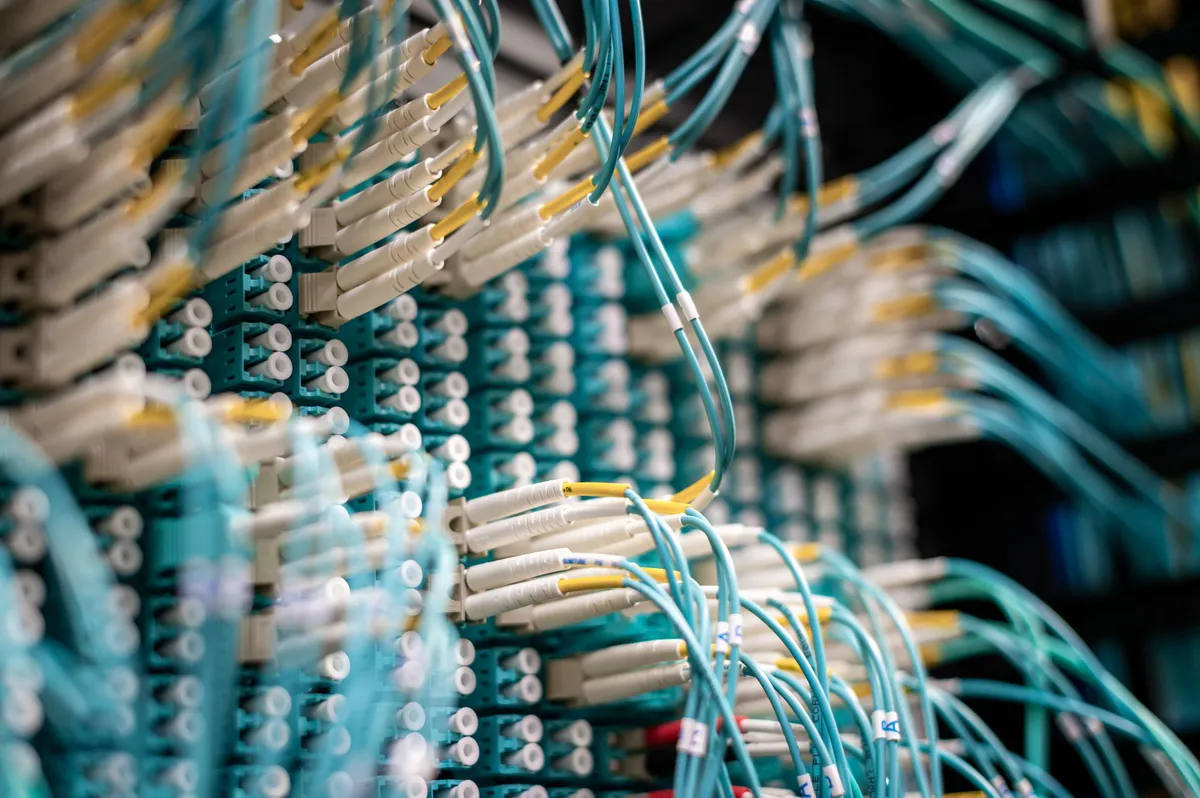
Dark fiber refers to unused optical fiber infrastructure that telecom companies can lease to other businesses. Unlike lit fiber, which is actively used for data transmission, dark fiber allows companies to manage their own data networks without incurring the costs associated with building new infrastructure.
The Telecom Landscape and Dark Fiber
The need for dark fiber is driven by the explosive growth of data generated by businesses today. As AI and machine learning applications become more prevalent, the requirement for high-speed, low-latency data transmission becomes essential. For example, applications in autonomous driving or real-time data processing for robotics require instant communication between data centers and edge devices. Verizon's strategic focus on dark fiber allows it to offer flexible, high-capacity connectivity solutions that can be tailored to meet the needs of hyperscalers like Google.
Verizon's AI Connect Initiative
The launch of Verizon's AI Connect initiative signifies a transformative shift in the company's operational strategy. During a recent earnings call, CEO Dan Schulman highlighted the initiative's potential to not only enhance data center connectivity but also to enable AI-driven services that require ultra-low latency.
Repurposing Central Offices
Part of this initiative involves repurposing existing central office facilities into small data centers capable of supporting AI inference workloads. By retrofitting these facilities, Verizon aims to create "remote data centers" that facilitate edge computing, thereby minimizing data latency. This shift allows Verizon to better serve customers deploying AI technologies, such as autonomous vehicles and advanced robotics.
Financial Implications
With an investment of over $1 billion in dark fiber and data center conversions, Verizon plans to recoup costs and expand its revenue base. This strategy follows the company's recent $20 billion acquisition of Frontier Communications, which expanded its fiber network significantly. By monetizing unused dark fiber, Verizon can offset some of the acquisition expenses while positioning itself as a key player in the AI infrastructure market.

Market Trends in Telecommunications and AI
The partnership with Google is indicative of broader trends in the telecom and technology sectors where collaboration is key to innovation. As telecom companies like Verizon pivot towards AI and edge computing, several market dynamics are at play:
- Increased Demand for Data Processing: As businesses increasingly rely on AI, the demand for rapid data processing and transmission is surging.
- Shift to Fiber Optics: The transition from copper to fiber-optic networks is accelerating across the telecom industry due to fiber's greater capacity and efficiency.
- Partnerships Over Competition: Telecom companies are collaborating with tech giants to leverage each other’s strengths for mutual benefit.
As AI technologies become integral to various industries, the need for robust telecommunications infrastructure capable of supporting these technologies becomes paramount. Verizon's strategic decisions reflect a deep understanding of this evolving landscape.
The Future of AI and Telecommunications
Verizon's dark fiber deal with Google marks the beginning of a new chapter in the relationship between telecommunications and AI. As the company continues to innovate and expand its capabilities, several key factors will shape the future:
Growing AI Applications
The rise of AI applications in sectors such as healthcare, automotive, and finance demands a telecommunications infrastructure that can handle high volumes of data with minimal latency. Services like remote surgery or autonomous driving require instantaneous data transfer, making Verizon's investments crucial.
Regulatory and Competitive Landscape
The telecom industry operates within a complex regulatory framework, and ongoing changes in legislation regarding data privacy and network neutrality will impact how companies like Verizon operate. Additionally, as competition increases from other telecom providers and tech companies, Verizon will need to continue innovating to maintain its market position.
Key Takeaways
- Verizon's $1 billion dark fiber deal with Google highlights the growing intersection of telecommunications and AI.
- The company's AI Connect initiative aims to enhance data center connectivity and support low-latency AI applications.
- Repurposing central offices into small data centers is a key strategy for minimizing data latency.
- Collaboration with tech giants is essential for telecom companies to innovate and meet rising demands.
Frequently Asked Questions
What is dark fiber, and why is it important?
Dark fiber refers to unused fiber-optic cables that can be leased to companies for their own data transmission needs. It is important because it allows businesses to create customized networks without needing to invest in new infrastructure. As AI applications proliferate, the demand for dark fiber is increasing, making it a valuable asset for telecom providers like Verizon.
How does Verizon's AI Connect initiative work?
Verizon's AI Connect initiative focuses on enhancing connectivity between data centers to support AI applications that require low latency. It involves retrofitting central offices into small data centers capable of handling AI workloads, thus improving response times for applications such as autonomous driving and robotics. This initiative aims to position Verizon as a leader in AI infrastructure.
What are the implications of Verizon's partnership with Google?
The partnership between Verizon and Google signifies a strategic alignment between telecommunications and technology sectors. It enables Verizon to capitalize on the growing demand for AI infrastructure while providing Google with the connectivity needed for its data centers. This collaboration is expected to yield significant revenue for Verizon and enhance its market position.
What challenges does Verizon face in this new venture?
While Verizon's investments in dark fiber and AI infrastructure are promising, the company faces challenges such as increased competition from other telecom providers, regulatory hurdles, and the need for continuous innovation. Additionally, as the landscape of telecommunications evolves, Verizon will need to remain agile to adapt to emerging technologies and market demands.
Comments
Lyft and Baidu Launch Robotaxi Testing in London: A New Era of Autonomous Transport
Lyft and Baidu have initiated testing of autonomous vehicles in London, marking a significant step in the race for robotaxi services. This article explores the implications of their partnership, the competitive landscape, and future prospects for autonomous transportation.

Related articles

Popular in Cloud Computing
- SK Hynix's Historic $26.5 Billion IPO: A New Era for Memory Chips
- Kubernetes and the Future of Desktop Infrastructure: A Paradigm Shift
- Amazon Expands Partnership with Nvidia, Tripling GPU Orders Amid AI Demand Surge
- Elon Musk's Evolving Relationship with Anthropic: A New Era for AI Hosting
- Emerging Rocket Launches: A New Era for Space Exploration