Navigating the Future of Robotaxis: The Clash of Industry Giants
As autonomous vehicle regulations heat up, major players like Uber and Waymo clash over robotaxi policies in Washington, D.C. This article explores the implications of their rivalry and the future of autonomous transportation.
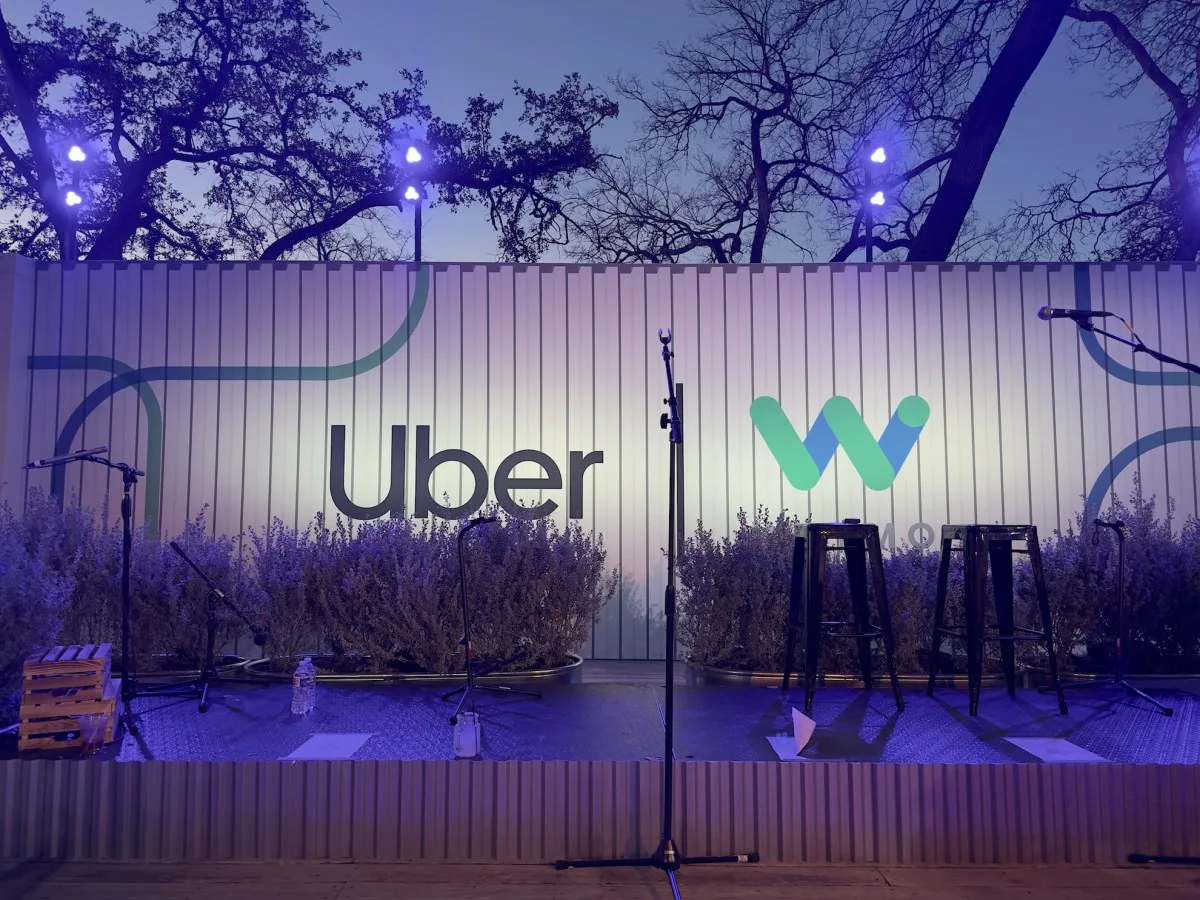
The autonomous vehicle (AV) landscape is evolving rapidly, and it’s becoming increasingly clear that the battle for regulatory dominance is heating up. In Washington, D.C., a proposed bill that would allow autonomous vehicles to operate in the city has become the epicenter of a fierce rivalry between two titans of the tech world: Uber and Waymo. As both companies jockey for position, their differing visions for the future of transportation reveal much about the challenges and opportunities facing the AV industry.
Uber, the ride-hailing giant, is staunchly opposing the D.C. proposal, arguing that it could lead to the displacement of human drivers and give Waymo a de facto monopoly over the robotaxi market. Meanwhile, Waymo, a subsidiary of Alphabet Inc. that has been at the forefront of AV development, generally supports the bill, highlighting their unique position as one of the few companies ready to comply with its stringent requirements. The implications of this clash extend far beyond these two companies, influencing everything from consumer choice to the regulatory framework that will govern the future of mobility.

The Stakes in the Robotaxi Regulation Battle
At the heart of the debate is a proposed set of regulations that would require autonomous vehicles to meet rigorous testing standards before they can operate commercially. These standards include a 180-day testing period and a minimum of 250,000 miles driven. Additionally, the bill imposes hefty fees, including a $1 million application fee and a $5 million permit fee, coupled with a $0.15-per-mile tax on rides. Such requirements have raised significant concerns among industry players, particularly Tesla, which has voiced objections to the testing conditions.
The Argument Against the Bill
Uber's argument against the D.C. bill centers on the potential job losses for human drivers, a point that resonates deeply in a post-pandemic economy where employment remains a sensitive issue. By advocating for a hybrid system that allows robotaxis to operate alongside human drivers, Uber aims to safeguard the livelihoods of its workforce while still embracing innovation.
Insiders reveal that this hybrid approach is unlikely to gain traction in the council, but it reflects Uber's strategic positioning in the ride-hailing space. Should the bill pass as is, it would significantly advantage Waymo, which has already exceeded the proposed testing requirements and could launch its fleet with a substantial market head start.
Waymo's Position: A Push for Progress
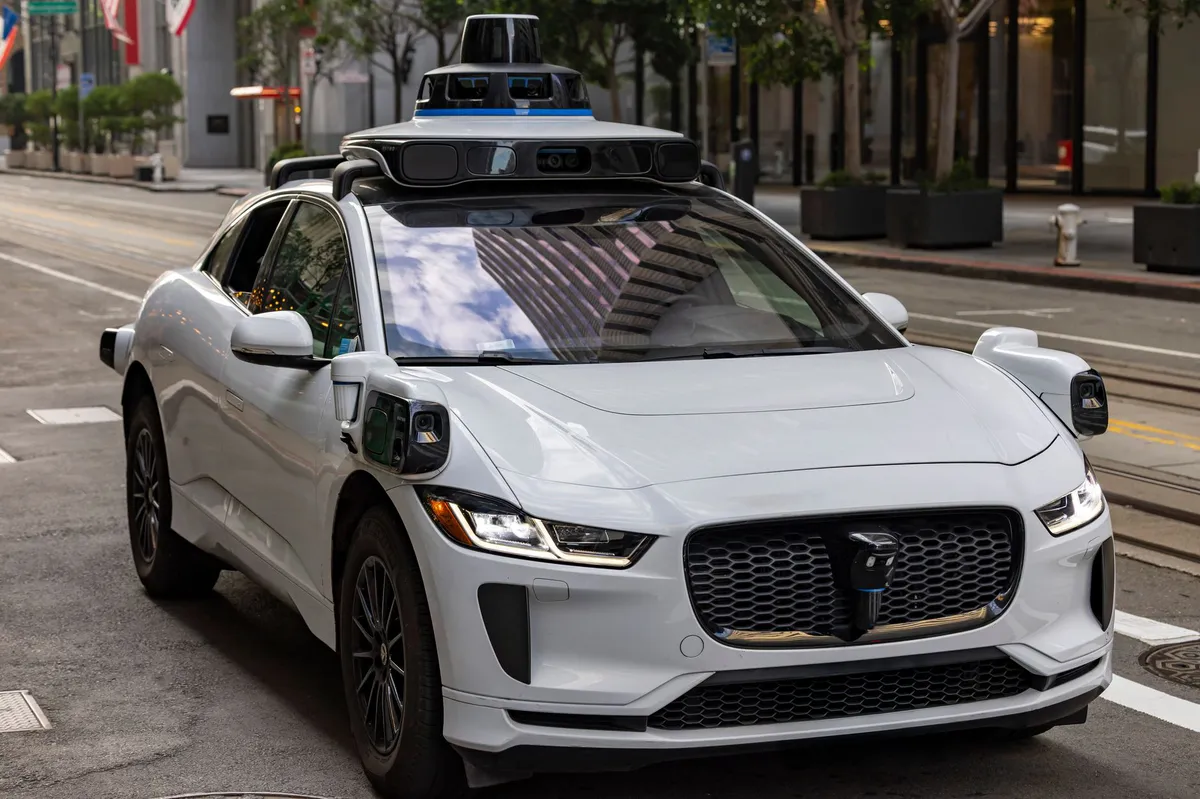
Waymo's support for the bill underscores its readiness to lead in the autonomous vehicle space. With extensive testing already completed in Washington, D.C., the company is positioning itself as a pioneer in this new regulatory environment. Their argument hinges on the notion that more stringent regulations will ultimately enhance safety and public trust in robotaxis, which could accelerate consumer adoption.
Building a Competitive Advantage
By complying with these new regulations, Waymo aims to establish a strong foothold in a market that many believe will soon expand dramatically. The company’s ability to launch quickly, paired with its advanced technology, could set a precedent for future autonomous vehicle initiatives across the United States.
The implications of such a competitive advantage are profound. If Waymo successfully enters the market first, it could not only dominate the local landscape but also influence regulatory frameworks in other cities and states, potentially shaping the future of AV legislation nationwide.

The Broader Implications for the AV Industry
The ongoing tug-of-war between Uber and Waymo in D.C. is emblematic of larger trends in the AV industry. As more companies enter the autonomous vehicle space, the need for cohesive regulatory standards becomes increasingly urgent. A fragmented approach could lead to a patchwork of regulations that stifle innovation and complicate operations for AV developers.
Collaboration vs. Competition
Moreover, this rivalry raises questions about the role of collaboration in advancing the AV industry. While competition can drive innovation, it can also create a climate of distrust and hinder progress. Stakeholders, including local governments, advocacy groups, and industry leaders, must work together to forge a regulatory environment that balances safety, innovation, and economic viability.
- Job Displacement Concerns: Uber's position highlights fears over job losses for human drivers.
- Waymo's Readiness: With extensive testing already completed, Waymo is poised for a quicker market entry.
- Regulatory Complexity: A fragmented regulatory landscape could stifle innovation in the AV industry.
- Need for Collaboration: Industry stakeholders must unite to create effective regulations.
Key Takeaways
- Uber opposes the D.C. bill, fearing it could harm human drivers.
- Waymo supports the bill and is prepared to lead the market.
- The proposed regulations could set a precedent for AV legislation across the U.S.
- Collaboration among stakeholders is essential for effective regulation.
Frequently Asked Questions
What are the main concerns surrounding the proposed D.C. bill for autonomous vehicles?
The proposed bill raises significant concerns, including the potential displacement of human drivers, high application and permit fees, and strict testing requirements. Companies like Uber argue that these regulations could disadvantage human drivers while giving companies like Waymo an unfair competitive edge.
How does Waymo's position differ from Uber's regarding the robotaxi regulations?
Waymo supports the proposed regulations, believing that they will enhance safety and public trust in autonomous vehicles. In contrast, Uber opposes the bill, fearing it could lead to job losses and create an uneven playing field in the market.
What are the potential implications of this regulatory battle for consumers?
The outcome of this regulatory battle could significantly impact consumer choice and access to robotaxi services. If Waymo enters the market first, consumers may have more options for autonomous transportation. Conversely, if Uber's hybrid model gains traction, it could preserve jobs for human drivers while still allowing for the introduction of robotaxis.
Why is collaboration important in the development of autonomous vehicle regulations?
Collaboration is vital to ensure that regulations are effective and promote safety without stifling innovation. By working together, industry stakeholders can create a cohesive regulatory framework that balances the interests of companies, consumers, and public safety.
Comments
India's Skyroot Aerospace Celebrates Vikram-1 Rocket's Historic Launch
Skyroot Aerospace's Vikram-1 has made history as India's first privately-developed rocket to reach orbit, marking a significant milestone in the country's space industry. This achievement opens new avenues for commercial satellite launches and highlights India's growing capabilities in the global aerospace sector.

Related articles


Popular in Cloud Computing
- SK Hynix's Historic $26.5 Billion IPO: A New Era for Memory Chips
- Kubernetes and the Future of Desktop Infrastructure: A Paradigm Shift
- Amazon Expands Partnership with Nvidia, Tripling GPU Orders Amid AI Demand Surge
- Elon Musk's Evolving Relationship with Anthropic: A New Era for AI Hosting
- Emerging Rocket Launches: A New Era for Space Exploration