Nvidia's Strategic Push in Japan: A New Era of Physical AI
Nvidia's CEO Jensen Huang recently visited Japan, securing pivotal partnerships that position the company at the heart of the nation's industrial transformation. With a focus on AI-driven robotics and manufacturing, Huang's visit marks a significant step in shaping the future of physical AI in Japan.
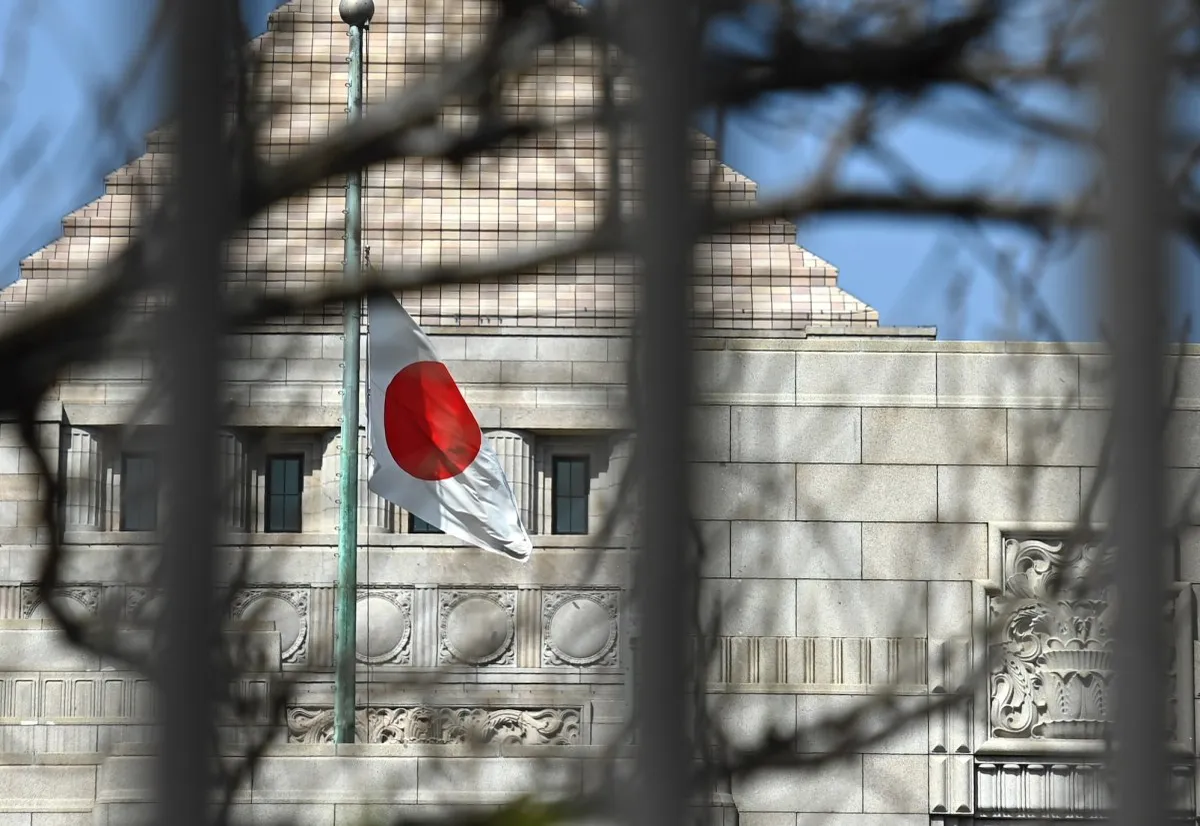
In a recent two-day visit to Tokyo, Nvidia's CEO Jensen Huang engaged with Japan's industrial elite, forging partnerships that could redefine the landscape of manufacturing and robotics in the country. With a history rooted in collaboration, Nvidia is once again seeking to leverage Japan's technological prowess to build a new era of 'physical AI'—intelligent systems that integrate seamlessly into the manufacturing processes of factories and beyond. This visit is not just about business; it’s a strategic maneuver in which both Nvidia and Japan's industrial giants stand to gain immensely, as they prepare to capitalize on the burgeoning demand for AI in the physical world.
The implications of Huang's visit extend far beyond mere agreements; they signal a commitment to invest heavily in the next generation of AI technology tailored for Japan's unique industrial environment. As Nvidia looks to cement its role in this transformative journey, Japan is poised to reclaim its status as a leader in manufacturing, powered by innovative AI solutions.
Forging Alliances: Nvidia's Key Partnerships
During his stay, Huang met with top executives from Japan’s most influential companies, including Toyota, Sony, and SoftBank, among others. The discussions spanned a range of collaborative initiatives aimed at integrating Nvidia's advanced AI technologies into Japan's manufacturing landscape. The overarching theme was clear: Japan’s factories and robotics are on the brink of a significant transformation, and Nvidia is determined to be at the forefront of this evolution.
One of the most notable partnerships announced was the establishment of Noetra, a national initiative aimed at developing Japan's own AI infrastructure. Noetra brings together approximately 44 domestic firms, led by giants such as SoftBank, Sony, and Honda, to create an AI platform that will power robots, vehicles, and various manufacturing processes across the country.
The Vision for Noetra
Tokyo is committing a staggering 1 trillion yen (approximately $6.2 billion) over the next five years to support this initiative. The goal is to develop a suite of 'physical AI' solutions that will facilitate the operation of machines and robots, ensuring that Japan does not rely on foreign AI technologies. The plan is structured in three phases:
- Phase 1: Launch a reasoning model focused on Japanese language capabilities by fiscal 2026.
- Phase 2: Develop an omni-modal AI capable of processing text, images, video, and audio by 2028.
- Phase 3: Introduce 'Real-world Native AI' for robotics by 2030, gradually releasing it to external developers.
Nvidia’s Role: Building the Vera Rubin AI Factory
In conjunction with Noetra, Nvidia is set to construct what it describes as the “Vera Rubin AI factory,” a massive data center that will house the next generation of AI chips, including the highly anticipated Vera CPUs and Rubin GPUs. Slated to launch in 2028, the facility will boast an impressive capacity of 140 megawatts, making it a powerhouse for AI computations.
This factory is not just a technological marvel; it represents a strategic investment in the future of manufacturing. With Japan's aging workforce and a growing need for automation, the demand for AI-equipped robots is expected to soar. The Japanese government has set an ambitious target of deploying 10 million AI-equipped robots across 18 sectors by 2040, backed by $65 billion in public and private investments aimed at fostering physical AI capabilities.
Transforming Manufacturing: The Robotics Coalition
Huang's visit also saw the formation of a robotics coalition, bringing together major players in the manufacturing sector such as Fanuc, Yaskawa, and Kawasaki Heavy Industries. These companies are now committed to leveraging Nvidia's Cosmos AI models, a framework designed to facilitate the development of advanced robotics applications.
Cosmos and the Future of Robotics
Nvidia's Cosmos is an open-model initiative that encourages collaboration among global AI labs. The unveiling of the Cosmos 3 Edge model, which operates on Nvidia's Jetson Thor chips, marked a significant milestone in this endeavor. Several companies, including Honda R&D and Omron, are already testing shared control systems that will enable robots to work alongside human operators more effectively.
Huang emphasized the importance of this collaboration, stating, “The next frontier of AI is in the physical world, and this is a once-in-a-generation opportunity for Japan.” By leveraging its historical strengths in manufacturing and innovation, Japan has the potential to lead the way in the development of intelligent industries that redefine what is possible in the realm of robotics.
The Bigger Picture: Japan's AI Robotics Strategy
Japan's ambitions are not limited to immediate technological advancements; they are part of a larger strategy to capture over 30% of the global AI robotics market by 2040. This market is valued at approximately ¥20 trillion (around $133 billion), and the Japanese government is keen on positioning itself as a leader in this space.
The Ministry of Economy, Trade and Industry (METI) is actively funding the development of a domestic foundation model tailored for manufacturing operations. The goal is to train AI models with trillions of parameters on data generated within Japan's factories, ensuring that the country has control over its AI capabilities and the data that fuels them.
Strategic Independence in AI
As global competition in AI heats up, particularly between the U.S. and China, Japan recognizes the need for strategic independence. Huang's presence at the physical AI launch, alongside key government officials, underscores the government's commitment to building a robust AI ecosystem that minimizes reliance on external technologies.
The Takaichi administration has made AI and semiconductors a cornerstone of its growth strategy, aiming for a staggering ¥370 trillion ($2.3 trillion) in public and private investments by 2040. This ambitious plan is not just about technology; it is about ensuring Japan’s economic resilience and technological sovereignty in a rapidly evolving global landscape.

Key Takeaways
- Nvidia's Jensen Huang visited Japan to forge critical partnerships focused on physical AI.
- The Japanese government is investing ¥1 trillion ($6.2 billion) to develop Noetra, a national AI initiative.
- Nvidia will build the Vera Rubin AI factory, expected to launch in 2028, to support AI advancements.
- Japan aims for 10 million AI-equipped robots and over 30% of the global AI robotics market by 2040.
- The focus on strategic independence highlights Japan's commitment to controlling its AI future.
Frequently Asked Questions
What is the significance of Nvidia's partnerships in Japan?
Nvidia's partnerships with Japanese companies are pivotal for both parties as they aim to leverage each other's strengths. For Nvidia, tapping into Japan's advanced manufacturing capabilities is crucial for developing AI solutions tailored for the factory floor. For Japan, collaborating with Nvidia ensures access to cutting-edge technologies that can drive innovation and efficiency in its manufacturing sector.
How does Japan plan to achieve its goal of 10 million AI-equipped robots?
Japan's strategy to deploy 10 million AI-equipped robots involves significant investments in technology and infrastructure. This includes funding for research and development, as well as collaborations with leading tech firms to create and refine robotic systems capable of operating across various industries. The government's push for physical AI is aimed at addressing labor shortages and enhancing productivity in the face of an aging population.
What role does Noetra play in Japan's AI strategy?
Noetra serves as a central component of Japan's AI strategy, uniting numerous domestic firms to develop a homegrown AI infrastructure. This initiative ensures that Japan can create its own AI solutions tailored to its unique industrial needs, reducing reliance on foreign technologies. The government’s substantial investment underscores its commitment to establishing a robust AI ecosystem that supports innovation and economic growth.
Why is strategic independence important for Japan?
Strategic independence in AI is crucial for Japan as it seeks to maintain control over its technological future and minimize vulnerabilities associated with external dependencies. As the global AI landscape becomes increasingly competitive, having the ability to develop and deploy its own technologies allows Japan to safeguard its economic interests and ensure that its industries remain resilient and innovative.
Comments
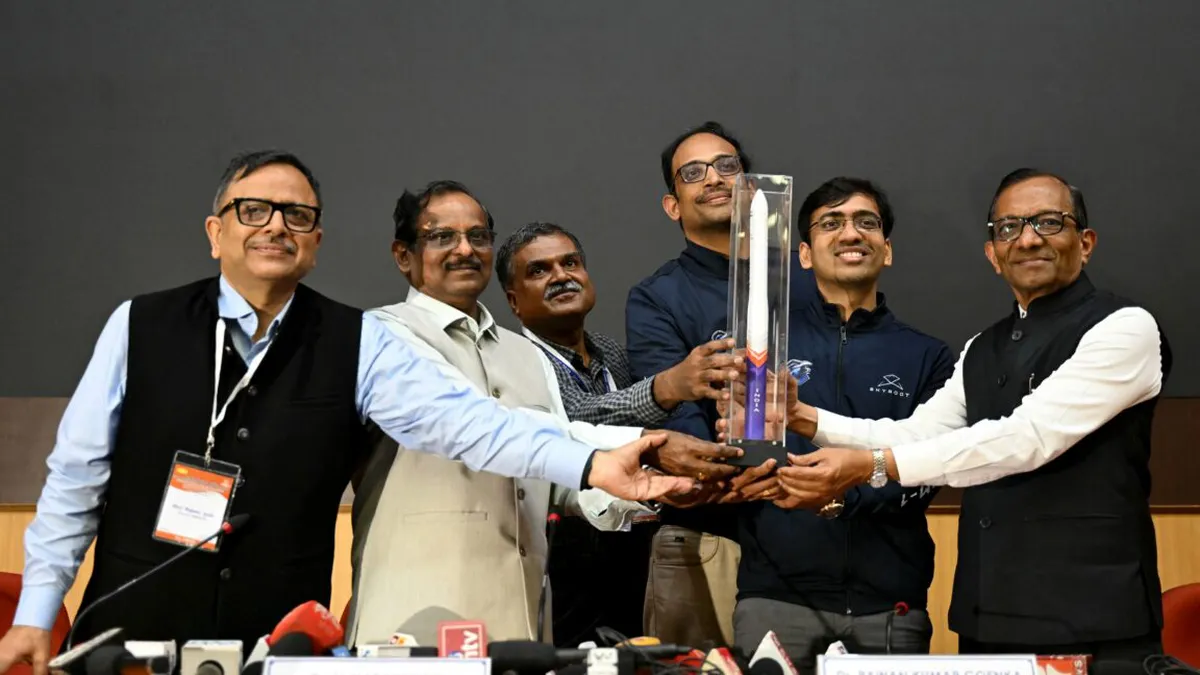
India's Skyroot Aerospace Celebrates Vikram-1 Rocket's Historic Launch
Skyroot Aerospace's Vikram-1 has made history as India's first privately-developed rocket to reach orbit, marking a significant milestone in the country's space industry. This achievement opens new avenues for commercial satellite launches and highlights India's growing capabilities in the global aerospace sector.
Related articles


Popular in Cloud Computing
- SK Hynix's Historic $26.5 Billion IPO: A New Era for Memory Chips
- Kubernetes and the Future of Desktop Infrastructure: A Paradigm Shift
- Amazon Expands Partnership with Nvidia, Tripling GPU Orders Amid AI Demand Surge
- Elon Musk's Evolving Relationship with Anthropic: A New Era for AI Hosting
- Emerging Rocket Launches: A New Era for Space Exploration