Humanoid Robots Spark Labor Strikes at Hyundai: A New Era of Automation
The deployment of humanoid robots at Hyundai's factories has ignited significant labor unrest, as workers fear job losses and reduced wages. This article explores the implications of automation in the automotive industry and the responses from labor unions.
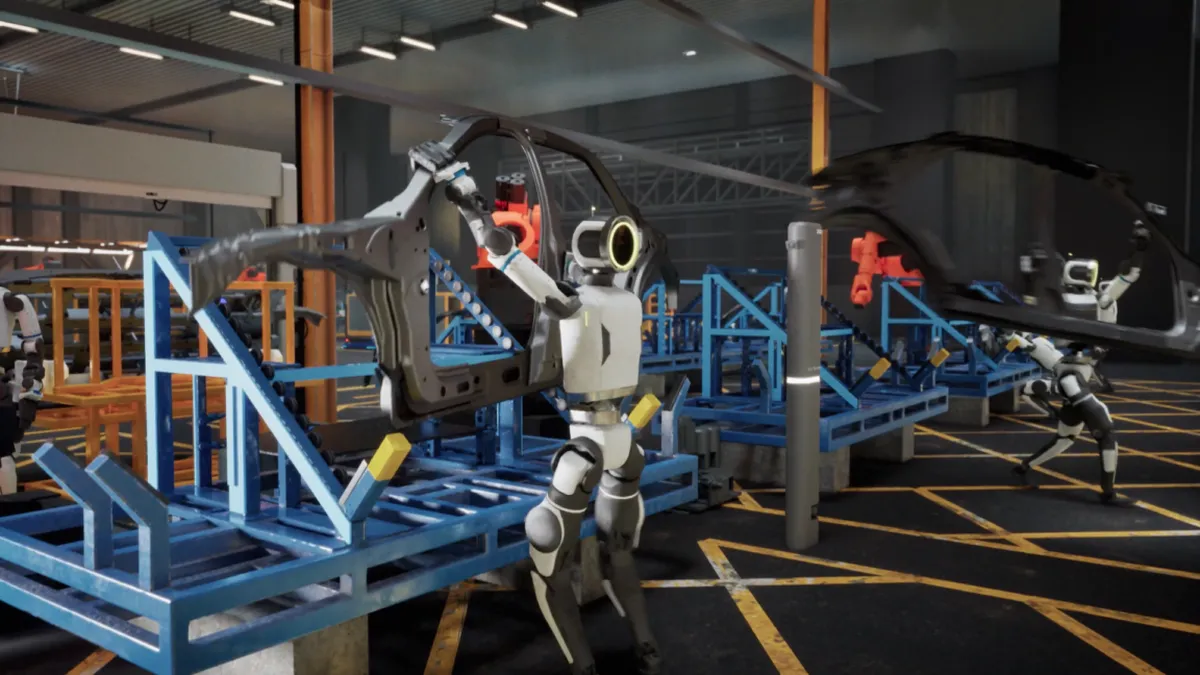
The automotive industry stands at a crossroads as advanced automation technologies, particularly humanoid robots, begin to reshape its landscape. Recently, thousands of unionized workers at Hyundai's Ulsan auto factory in South Korea initiated strikes in response to the company's plans to deploy the Boston Dynamics Atlas humanoid robots. This situation marks a pivotal moment in labor relations, as it is the first significant organized labor pushback concerning humanoid automation in the automotive sector. As Hyundai gears up to introduce 25,000 Atlas robots across its manufacturing facilities, the stakes are high for both workers and the company.
Hyundai’s decision to move towards humanoid robots, which are designed to perform flexible tasks traditionally done by humans, has raised alarms among workers. Fearing for their jobs and livelihoods, workers have taken to the streets, signaling a growing tension between technological advancement and labor rights. With negotiations stalled after 15 rounds of discussions, the union's demands have escalated, calling for job security measures and enhancements to worker compensation, including shifting production workers' hourly pay to fixed salaries.
The Rise of Humanoid Robots in Manufacturing
Humanoid robots like the Atlas are not merely science fiction; they are becoming a reality in factories across the globe. Standing over six feet tall and capable of lifting more than 100 pounds, these robots are engineered to perform a range of tasks, from sorting parts to potentially more complex assembly operations in the future. As of now, Hyundai plans to commence the deployment of these robots in its U.S. factories from 2028, with the first implementation slated for the Metaplant America site in Georgia.
The cost of each Atlas robot is approximately $130,000, a price that industry analysts believe could be justified by the robots' operational efficiency, potentially paying for themselves within two years. Furthermore, if production costs drop to around $100,000, the operational expenses could undercut the federal minimum wage, raising serious concerns regarding job displacement.
Labor Union Response to Automation
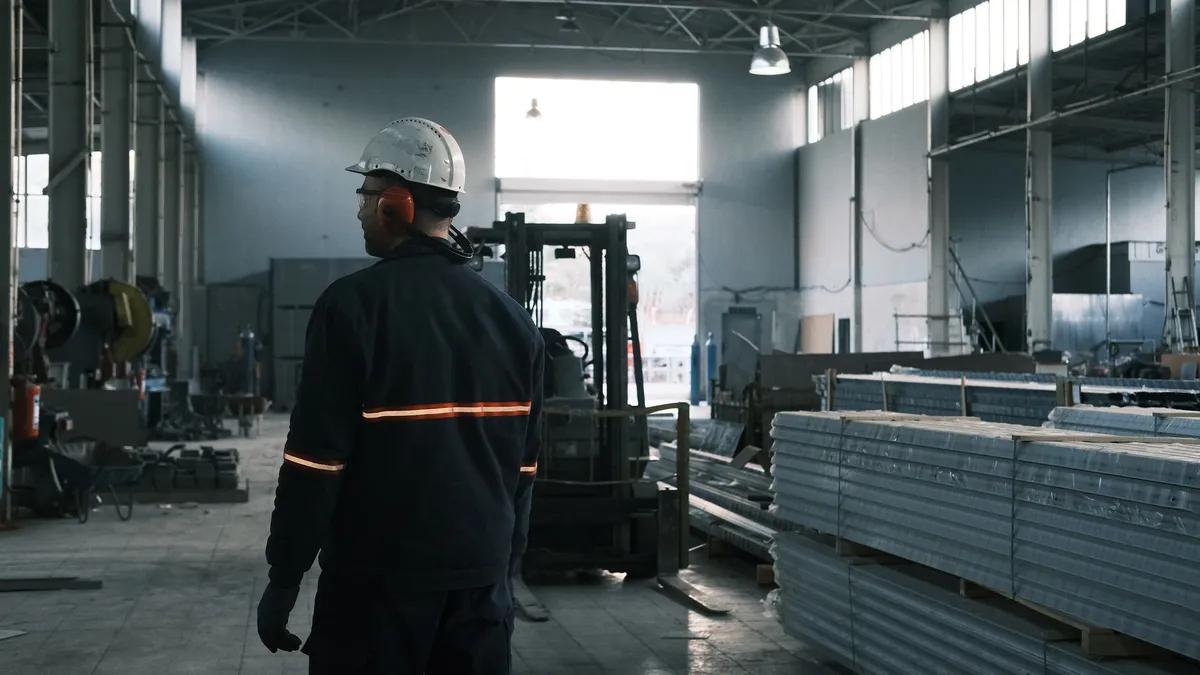
The labor union representing Hyundai's workers, comprising more than 39,000 members, has responded aggressively to these automation plans. In addition to advocating for fixed salaries to safeguard against reduced working hours due to automation, the union is also pushing for increased bonuses and a rise in the retirement age from 60 to 65. These demands reflect a broader anxiety among workers regarding the future of their jobs as automation becomes more prevalent.
Hyundai is not alone in its pursuit of humanoid robotics; major players like Tesla and BMW are also exploring similar technologies. Tesla is developing its own Optimus robot, while BMW has begun pilot testing humanoid robots at its South Carolina facility. As the competition heats up, labor unions across the automotive sector will likely continue to push back against perceived threats to job security.
The Broader Context of Automation
The automotive industry has a long history of adopting automation technologies, from assembly line robots to the current exploration of humanoid machines. According to the International Federation of Robotics, over 1 million robots were employed in automotive factories worldwide as of 2021, accounting for a significant portion of all industrial robots. With the U.S. alone deploying 38,000 industrial robots, the automotive sector has been at the forefront of embracing these technologies to improve efficiency and reduce costs.
Unlike traditional industrial robots designed for specific tasks, humanoid robots offer a more versatile solution, capable of performing various jobs traditionally reserved for human workers. However, the transition to a workforce that includes humanoid robots will not be without challenges, particularly in terms of training AI systems and ensuring the hardware can operate effectively in dynamic settings.
The Metaplant America Case Study
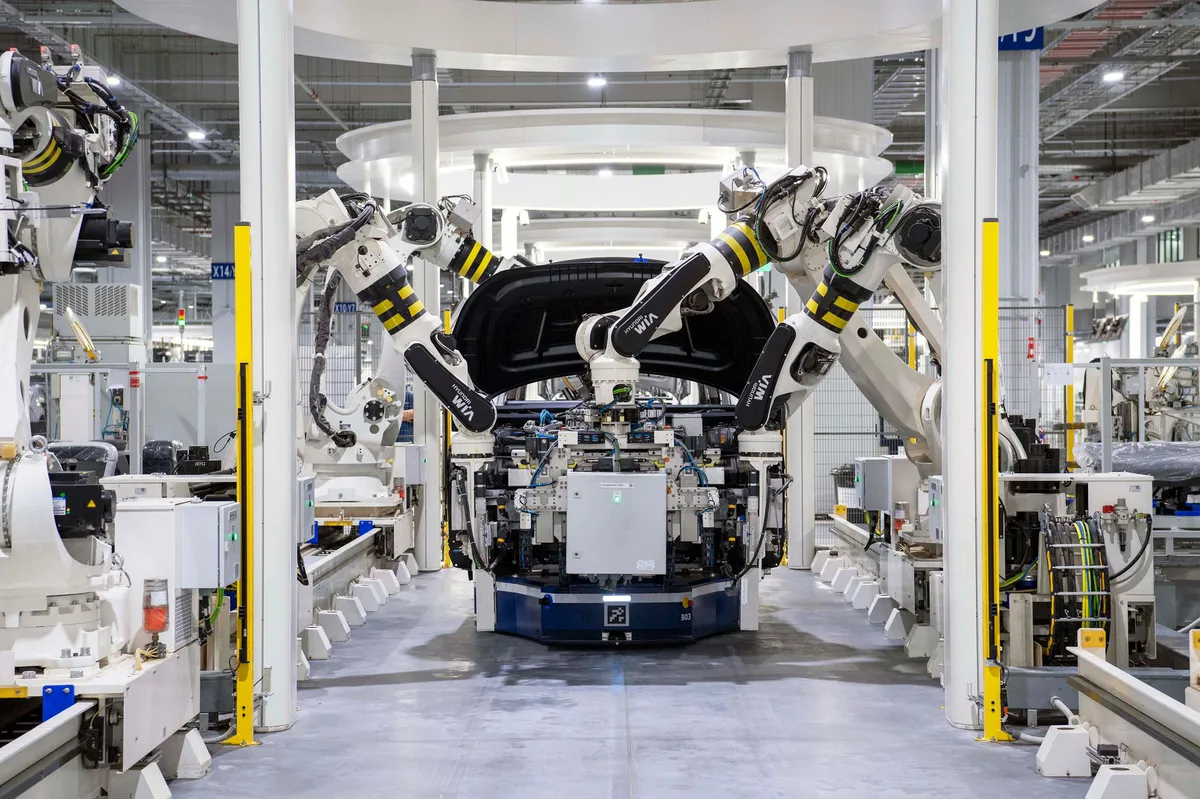
Hyundai's Metaplant America, located near Savannah, Georgia, is set to become the first U.S. facility to employ the Atlas humanoid robots. This factory is already recognized for its high level of automation, featuring over 850 robots and 300 automated guided vehicles managing workflow. Interestingly, the facility has not faced the same level of labor unrest as Hyundai's South Korean plants, partly due to the lack of union representation at the Georgia site.
Nevertheless, the United Auto Workers (UAW) has been making strides to organize workers at Metaplant America, indicating that labor concerns about automation are not restricted to unionized plants alone. The UAW has voiced strong opposition to automation efforts, particularly when they lead to job losses, as seen with General Motors' recent installation of new robotic arms following significant layoffs.

Future Implications for the Automotive Industry
The ongoing labor strikes at Hyundai are emblematic of the broader struggles facing workers in an increasingly automated world. As companies continue to invest in humanoid robots, the question remains: will these innovations lead to a net gain in jobs or exacerbate unemployment? The answer will depend on how automakers, labor unions, and governments navigate the complexities of this evolving landscape.
In the near future, the effectiveness and cost-efficiency of humanoid robots will be under scrutiny. Labor unions are poised to advocate fiercely for protections against job displacement and wage reductions, while companies will need to find a balance between innovation and maintaining a satisfied workforce. The outcome of this conflict will shape the future of work in the automotive industry and beyond.
Key Takeaways
- Labor Strikes: Hyundai workers have initiated strikes in response to plans for deploying humanoid robots, marking significant labor unrest.
- Cost of Automation: Each Atlas robot costs approximately $130,000, potentially undermining minimum wage jobs.
- Union Demands: The Hyundai union is demanding fixed salaries, increased bonuses, and a rise in the retirement age.
- Broader Trends: Other automotive companies are also exploring humanoid robots, indicating a widespread industry shift towards automation.
- Future Outlook: The effectiveness of humanoid robots and their impact on job security will be critical in shaping the future workforce.
Frequently Asked Questions
What are humanoid robots and how do they differ from traditional robots?
Humanoid robots, such as the Atlas, are designed to mimic human movements and perform a variety of tasks that require adaptability and dexterity. Unlike traditional industrial robots that are typically programmed for specific tasks, humanoid robots leverage advanced AI to potentially handle multiple functions within a workplace, making them more versatile but also more complex to integrate.
How are labor unions responding to the rise of automation?
Labor unions are becoming increasingly vocal about their concerns regarding automation, advocating for job security measures, wage protections, and enhanced benefits for workers. As companies like Hyundai move towards greater automation, unions are pushing back against plans that they believe could lead to job losses and reduced compensation, highlighting the need for negotiations that ensure fair treatment of workers.
What does the future hold for workers in the automotive industry?
The future of workers in the automotive sector is uncertain as automation technologies evolve. While some jobs may be enhanced or transformed by automation, others may be lost entirely. The challenge will be for companies to balance innovation with the need to maintain a satisfied and secure workforce, which will likely require ongoing dialogue with labor unions and policymakers.
Comments
SpaceX Scrubs Starship Launch Due to Engine Issues: What’s Next?
SpaceX's recent Starship launch was aborted after engines failed to ignite, prompting a review of the system and future tests. Here's what it means for the future of space exploration.
Related articles

Popular in Cloud Computing
- SK Hynix's Historic $26.5 Billion IPO: A New Era for Memory Chips
- Kubernetes and the Future of Desktop Infrastructure: A Paradigm Shift
- Amazon Expands Partnership with Nvidia, Tripling GPU Orders Amid AI Demand Surge
- Elon Musk's Evolving Relationship with Anthropic: A New Era for AI Hosting
- Emerging Rocket Launches: A New Era for Space Exploration