SpaceX Scrubs Starship Launch Due to Engine Issues: What’s Next?
SpaceX's recent Starship launch was aborted after engines failed to ignite, prompting a review of the system and future tests. Here's what it means for the future of space exploration.
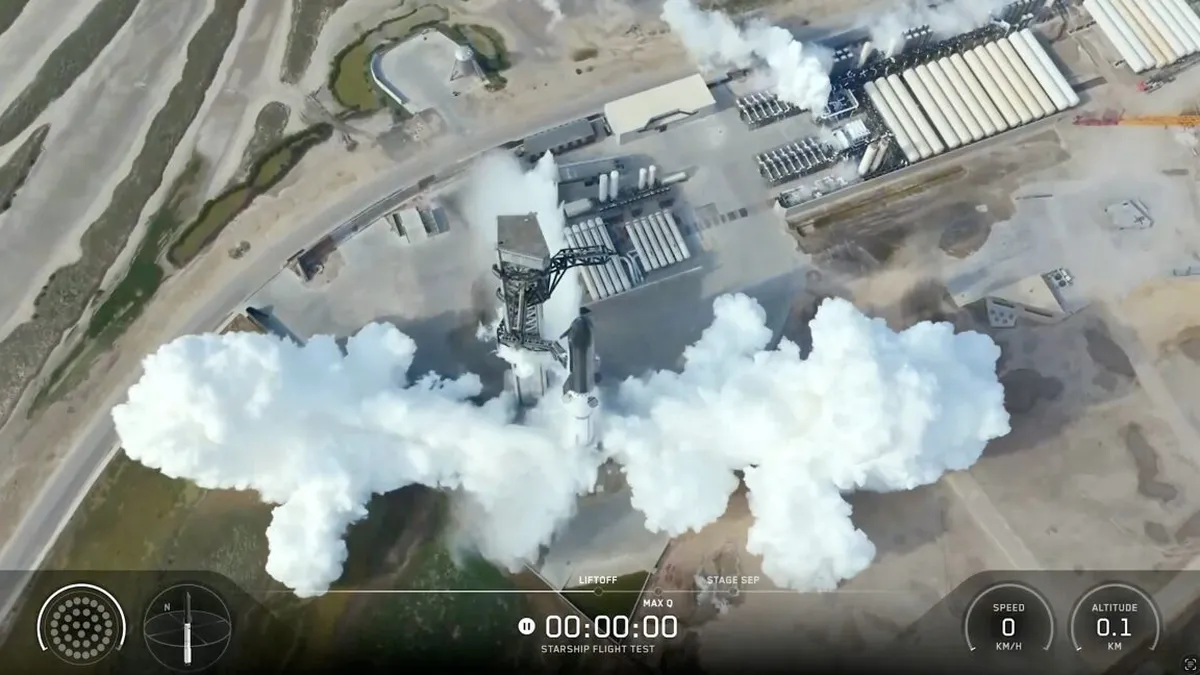
In a significant setback for SpaceX, the highly anticipated launch of its Starship rocket was scrubbed just seconds before liftoff due to a failure in the ignition sequence of several engines. This event, which unfolded at the company’s Starbase facility in South Texas, has raised questions about the reliability of the Raptor engines and the operational procedures that govern such complex rocket launches. As SpaceX prepares for its next attempt, many are looking at what this means for the company’s ambitious plans in space exploration.
Set to launch at 5:45 PM local time (6:45 PM EDT), the countdown for this mission was smooth until the final moments when the Super Heavy booster’s engines failed to ignite. With the countdown clock hitting zero, SpaceX's automatic safety protocols kicked in, leading to an immediate abort of the launch. Engineers quickly began draining the more than 11.5 million pounds of propellant — a mixture of liquid methane and liquid oxygen — from the rocket as they regrouped to assess the situation.
Engine Failure: A Closer Look
The Super Heavy booster, designed to provide the initial thrust needed for the Starship to escape Earth’s atmosphere, is equipped with 33 Raptor engines, each capable of delivering over half a million pounds of thrust. According to CEO Elon Musk, the failure involved a handful of these engines, with reports indicating that four did not ignite during the launch sequence. This incident isn’t the first time SpaceX has faced challenges with its Raptor engines, but it underscores critical vulnerabilities as the company seeks to refine its technology.
Understanding the Raptor Engine
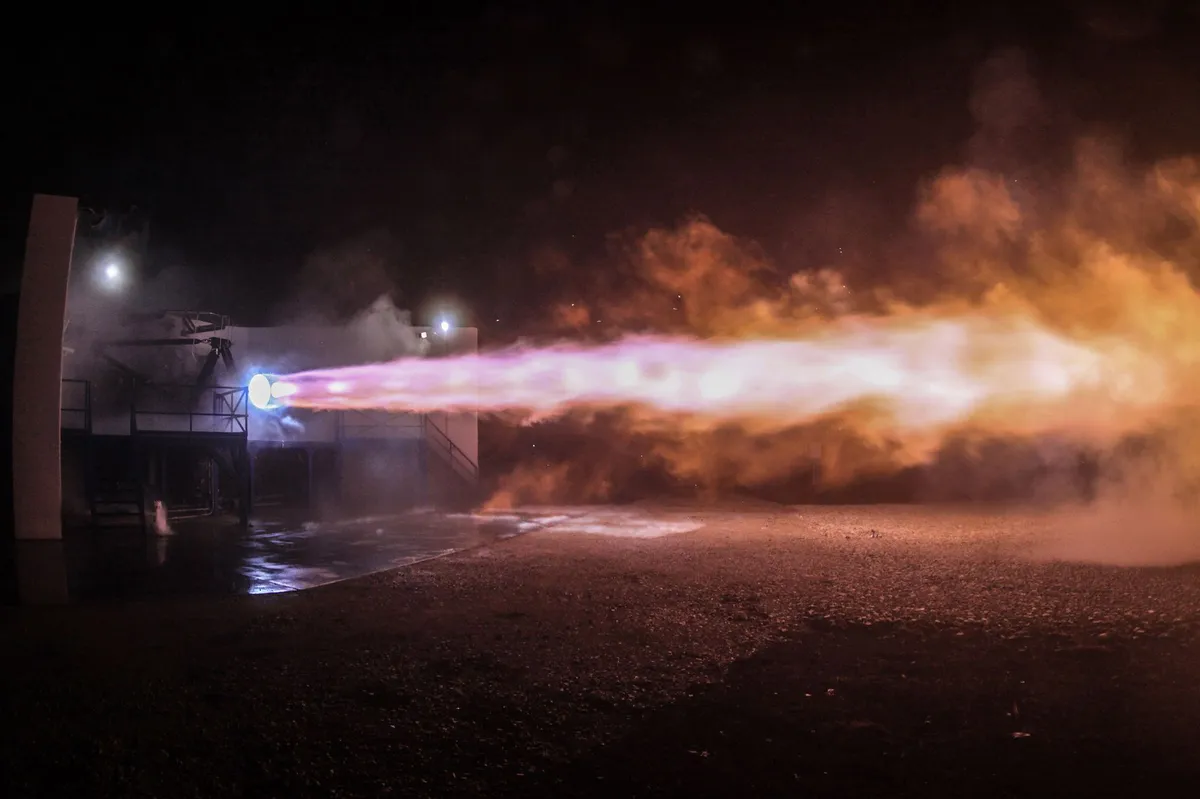
The Raptor engine is a third-generation rocket engine developed by SpaceX, utilizing methane as fuel. This choice allows for easier refueling on Mars, where methane can be synthesized. The Raptor engine has undergone various iterations, with the latest version, Raptor 3, introduced in the Starship V3 rocket. During a previous test flight in May, the Raptor 3 engines encountered issues that forced SpaceX to reassess their operation protocols. This latest scrubbed launch was intended to rectify some of these issues through modifications in the engine startup sequence.
Launch Sequence and Abort Procedures
SpaceX’s launch protocols are designed to prioritize safety, especially in scenarios where critical systems fail. The automatic abort system that triggered during the launch countdown is part of a comprehensive safety measure that has been refined over multiple launches. The abort was executed as the countdown reached zero, but before the engines could fully engage, preventing potential catastrophic failures.
The abort sequence included shutting down the engines and draining the propellant tanks — a procedure that not only safeguards the rocket but also protects personnel on the ground. Musk later announced plans to replace two of the non-functional Raptor engines, highlighting the urgency to address the issues before the next launch attempt.
Future Plans and Implications
Despite this setback, SpaceX remains optimistic about its future launches. The company is now targeting an opportunity for a second launch attempt, potentially as soon as early next week. This upcoming flight holds considerable significance; it will serve as a crucial test for the modifications made to the launch sequence and engine performance.
Each test flight brings SpaceX closer to its long-term goals, which include orbital flights and eventually using the Starship for missions to the Moon as part of NASA’s Artemis program. To achieve this, SpaceX must demonstrate reliability and performance through successful test flights that validate its technology and operational procedures.
The Road to Reusability
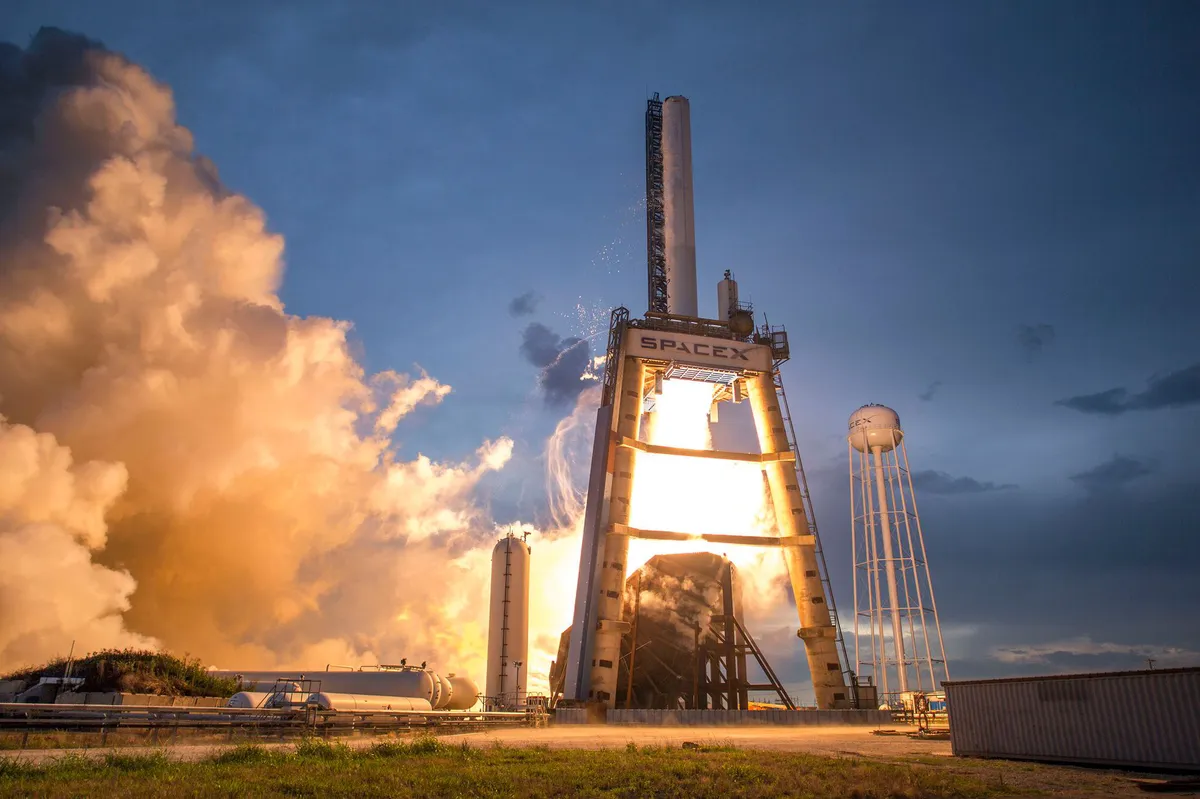
One of the key objectives of the Starship program is to create a fully reusable rocket system. The ability to recover and refurbish launch vehicles will significantly reduce the cost of space travel, making it accessible for various missions, including satellite deployments and interplanetary exploration. The recent flight attempts have highlighted challenges in achieving this goal, particularly with the Super Heavy booster’s landing sequence, which previously failed to execute a controlled splashdown.
During the May test flight, the booster’s inability to reignite engines for its landing burn resulted in a less-than-ideal outcome. For the upcoming Flight 13, SpaceX aims to not only ensure a successful launch but also achieve a controlled landing, setting the stage for future reusable missions. The company’s commitment to addressing these challenges is a testament to its innovative approach and resilience in the face of setbacks.
Key Takeaways
- Launch Aborted: SpaceX’s recent Starship launch was scrubbed due to multiple engine failures during ignition.
- Future Launch Plans: SpaceX aims to replace malfunctioning engines and reschedule the launch within days.
- Raptor Engine Challenges: The Raptor engine has faced reliability issues that SpaceX is actively addressing.
- Significance of Tests: Each flight is critical for validating technology needed for future lunar and orbital missions.
- Reusable Rocket Goals: Successful tests are essential for achieving reusability and lowering mission costs.
Frequently Asked Questions
What caused the recent launch scrub?
The recent scrub of SpaceX's Starship launch was caused by a failure in the ignition sequence of several engines on the Super Heavy booster. During the countdown, it was determined that four of the 33 Raptor engines did not ignite, triggering an automatic abort sequence to ensure safety.
When is the next launch attempt planned?
While an exact date has not been confirmed, Elon Musk indicated that SpaceX is hopeful for a launch attempt as early as next week. The team is focused on replacing the faulty engines and ensuring that all systems are ready for the next countdown.
How does this impact SpaceX's future missions?
This incident highlights the ongoing challenges SpaceX faces as it seeks to refine its technology for future missions, including those to the Moon as part of NASA's Artemis program. Each test flight is a critical opportunity for SpaceX to validate its systems and improve reliability, which is essential for upcoming orbital and interplanetary missions.
What is the significance of the Starship program?
The Starship program is pivotal for SpaceX as it aims to create a fully reusable rocket system. This capability would significantly reduce the costs of launching payloads into space, making it feasible for a variety of missions, from satellite deployments to human exploration of Mars. Successful test flights are essential to achieving this ambitious goal.
Comments
Humanoid Robots Spark Labor Strikes at Hyundai: A New Era of Automation
The deployment of humanoid robots at Hyundai's factories has ignited significant labor unrest, as workers fear job losses and reduced wages. This article explores the implications of automation in the automotive industry and the responses from labor unions.

Related articles

Popular in Cloud Computing
- SK Hynix's Historic $26.5 Billion IPO: A New Era for Memory Chips
- Kubernetes and the Future of Desktop Infrastructure: A Paradigm Shift
- Amazon Expands Partnership with Nvidia, Tripling GPU Orders Amid AI Demand Surge
- Elon Musk's Evolving Relationship with Anthropic: A New Era for AI Hosting
- Emerging Rocket Launches: A New Era for Space Exploration