BP Shuts Down Venture Arm: A Turning Point in Climate Tech Investment
BP's decision to close its corporate venture arm marks a significant shift in its commitment to climate technology. This article explores the implications of this move for the energy industry and the future of clean tech investments.
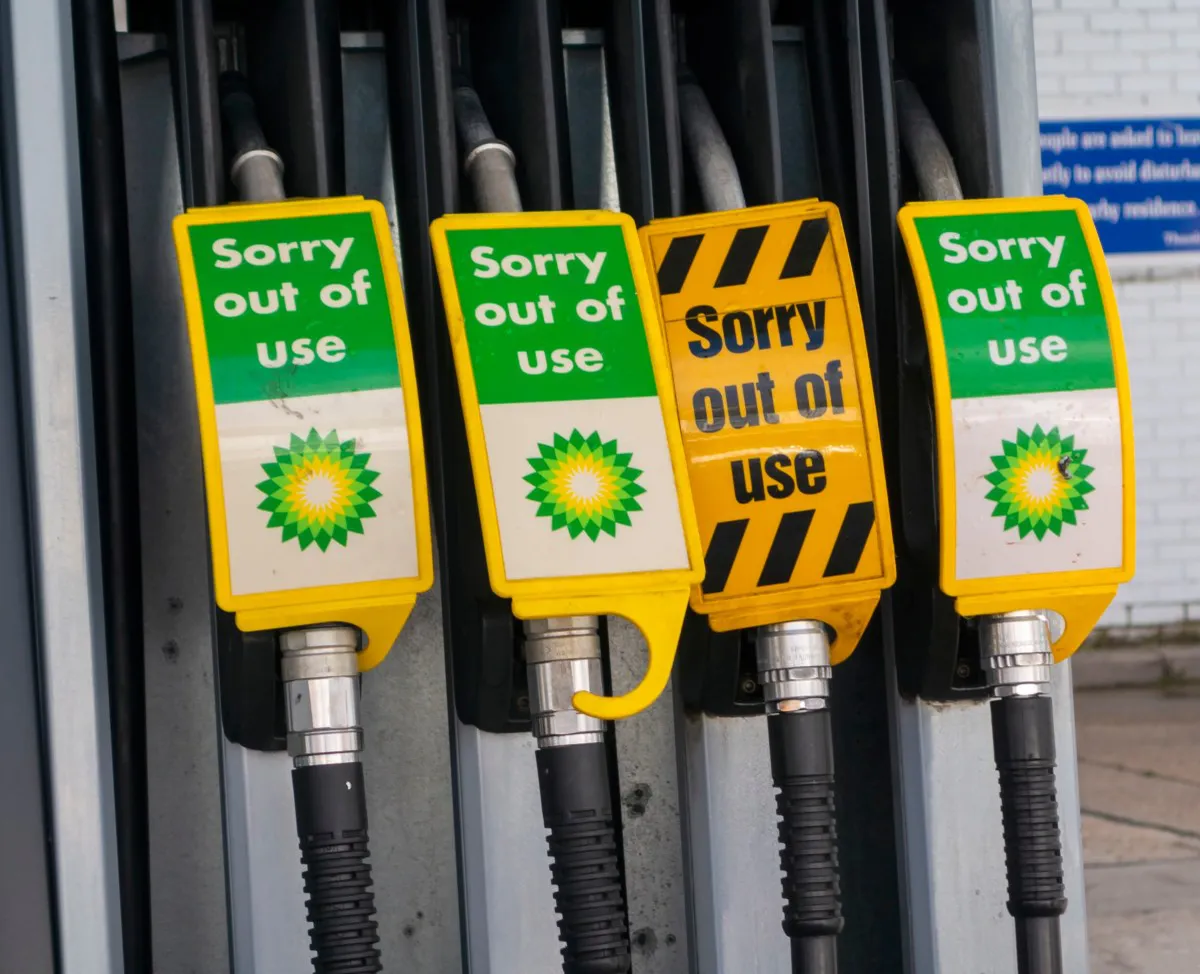
In a move that underscores the turbulent relationship between traditional energy giants and climate technology, BP has announced the closure of its corporate venture arm, BP Ventures, after two decades of operation. This decision comes on the heels of the company's broader strategic pivot away from clean energy investments, signaling a potential retreat from the very technologies that are deemed essential for combating climate change. With BP's venture arm having invested in a diverse range of sectors from green hydrogen to autonomous vehicles, the implications of this shutdown are profound for both the energy sector and the future of climate-focused startups.
As BP sells the majority of its venture portfolio, which includes over ten companies, to Nordic private equity firm Verdane, questions arise about the fate of those investments and the employees involved in BP Ventures. The portfolio, valued at approximately $1.2 billion, has not yielded the financial success that BP might have hoped for, mirroring a larger trend of challenges within the clean tech investment landscape. This article delves into the ramifications of BP's decision, the historical context of its venture arm, and what it may mean for the future of climate technology funding.

BP Ventures: A Brief History
Established in 2007, BP Ventures was intended to be a forward-thinking initiative aimed at investing in innovative technologies that could facilitate the energy transition. Over the years, the venture arm has allocated resources across various industries, focusing on sectors such as:
- Green Hydrogen: Investing in technologies aimed at producing hydrogen fuel from renewable resources.
- E-Mobility: Supporting companies involved in electric vehicle infrastructure and battery technology.
- Ride-Hailing and Autonomous Vehicles: Exploring advancements in transportation that reduce carbon footprints.
- Geothermal Energy: Backing projects that harness the earth's heat for sustainable energy.
- Private Jet Charters: Investing in services that cater to high-end travel but with an eye toward reducing emissions.
Despite the ambition behind these investments, BP Ventures has struggled to achieve the financial returns that would justify its continuation. The portfolio's valuation remaining stagnant at $1.2 billion reflects the broader difficulties faced by many clean tech investments, which often require longer horizons to realize returns compared to traditional energy projects.
The Shift Away from Clean Energy
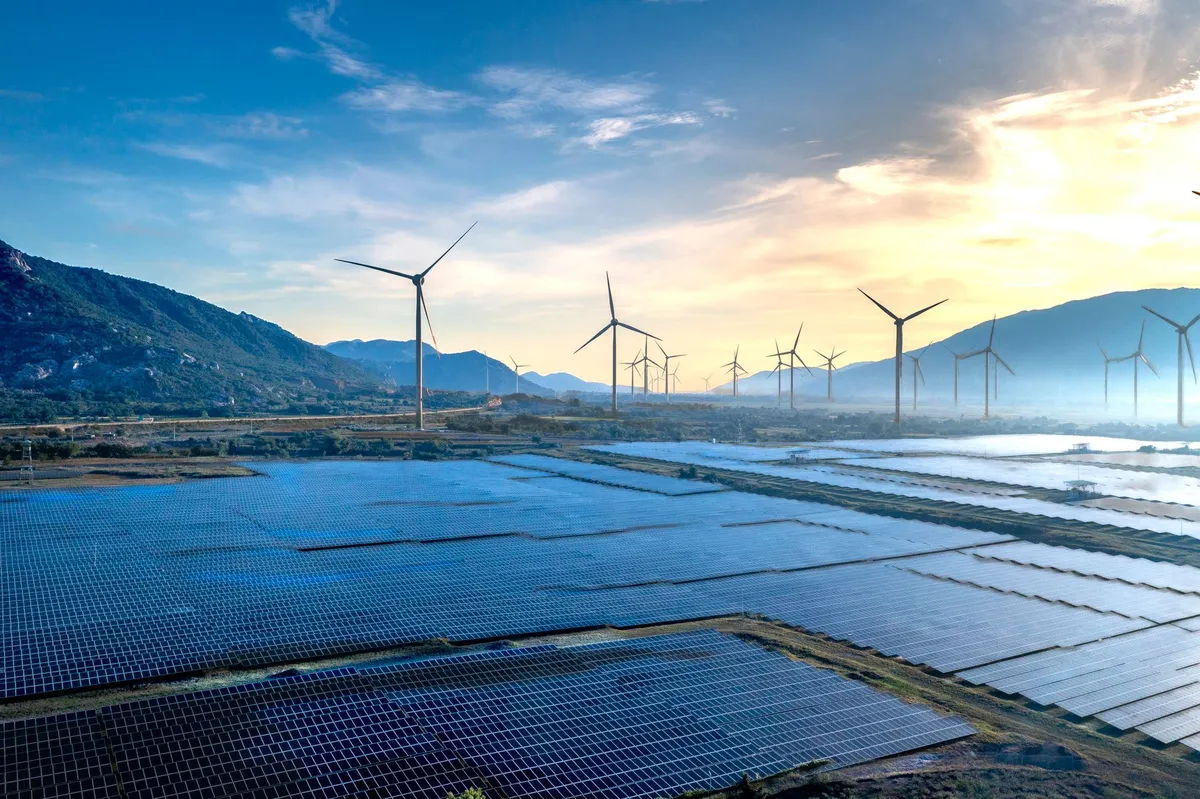
BP's announcement to shutter its venture arm is not an isolated incident but part of a wider trend among fossil fuel companies reevaluating their commitments to clean energy. Earlier this year, BP indicated a strategic shift away from renewable investments, emphasizing a more traditional focus on oil and gas operations. This shift raises critical questions about the company's long-term vision and its alignment with global climate goals.
Many industry experts argue that this retreat from clean energy investment is shortsighted. With increasing pressure from governments and consumers to tackle climate change, the demand for sustainable solutions is growing. The International Energy Agency (IEA) has projected that investments in clean energy technologies must triple by 2030 to limit global warming to 1.5 degrees Celsius. BP's decision, therefore, could be seen as a step in the wrong direction, potentially jeopardizing its future competitiveness in an evolving energy landscape.

Implications for Climate Tech Startups
The closure of BP Ventures could have significant repercussions for climate tech startups that have relied on corporate venture capital for funding. These companies often face an uphill battle in securing investment from traditional venture capitalists, who may be more risk-averse when it comes to nascent technologies. With BP stepping back, many startups may find themselves in a precarious position, needing to navigate a landscape that is becoming increasingly uncertain.
Moreover, BP's decision to retain only a small number of investments raises concerns about which technologies will remain supported. Without clear communication about the future of these retained investments, uncertainty looms over the startups involved, potentially stifling innovation and development in critical areas like renewable energy and sustainable transportation.
The Future of Energy Investments
The energy sector is at a crossroads, and BP's decision to close its venture arm highlights a pivotal moment for both traditional oil companies and the climate tech ecosystem. As the world grapples with the urgent need to transition to sustainable energy sources, the role of corporate venture capital becomes increasingly important. Companies that continue to invest in clean technologies may not only secure their future but also contribute significantly to global sustainability efforts.
In light of BP's retreat, other energy companies may need to reassess their strategies. Firms like Shell and TotalEnergies have maintained their commitment to clean technology investments, and their continued support could provide a lifeline for startups. The shift in BP's strategy could encourage competitors to step up their investments, ensuring that the climate tech sector remains vibrant and innovative.

Key Takeaways
- BP Ventures Closure: After 20 years of operation, BP is shutting down its corporate venture arm, signaling a retreat from clean energy investments.
- Portfolio Sale: The majority of BP Ventures’ portfolio, valued at around $1.2 billion, is being sold to Nordic private equity firm Verdane.
- Impact on Startups: The closure raises concerns for climate tech startups that rely on corporate venture capital, potentially stifling innovation.
- Industry Implications: BP’s decision reflects a larger trend of fossil fuel companies reevaluating commitments to clean energy amidst rising global climate goals.
- Future Investments: Other energy companies may need to reassess their strategies in light of BP’s shift, with opportunities for continued support for climate tech.
Frequently Asked Questions
What led to BP's decision to close its venture arm?
BP's closure of its venture arm is a culmination of years of inconsistent commitment to climate technology. As the company pivots away from clean energy investments, it faces pressure to focus on more traditional oil and gas operations. The financial struggles of BP Ventures, which has seen stagnant returns on its investments, likely contributed to this decision.
How might this impact the future of climate technology funding?
The closure of BP Ventures could lead to a reduction in available funding for climate tech startups that often rely on corporate venture capital. This situation may create challenges for these companies in securing necessary investments from traditional venture capitalists who may be hesitant to invest in nascent technologies, potentially stifling innovation in critical sectors.
Are other energy companies still investing in clean technologies?
Yes, while BP is stepping back, other companies like Shell and TotalEnergies have continued to invest in clean technologies. These firms are recognizing the importance of sustainable solutions and may provide vital support for startups in the climate tech sector, ensuring that innovation continues amid BP's retreat.
What does this mean for the future of BP itself?
BP's decision to shut down its venture arm raises questions about its long-term strategy and vision in an evolving energy landscape. By shifting focus back to traditional oil and gas operations, BP risks falling behind competitors that are actively investing in clean technologies, potentially compromising its relevance in a market increasingly focused on sustainability.
Comments
Humanoid Robots Spark Labor Strikes at Hyundai: A New Era of Automation
The deployment of humanoid robots at Hyundai's factories has ignited significant labor unrest, as workers fear job losses and reduced wages. This article explores the implications of automation in the automotive industry and the responses from labor unions.

Related articles

Popular in Cloud Computing
- SK Hynix's Historic $26.5 Billion IPO: A New Era for Memory Chips
- Kubernetes and the Future of Desktop Infrastructure: A Paradigm Shift
- Amazon Expands Partnership with Nvidia, Tripling GPU Orders Amid AI Demand Surge
- Elon Musk's Evolving Relationship with Anthropic: A New Era for AI Hosting
- Emerging Rocket Launches: A New Era for Space Exploration