Sheetz Ditches VMware: A Deep Dive into the Migration of 11,000 Virtual Machines
Sheetz is transitioning from VMware to StorMagic, migrating 11,000 virtual machines across its locations. This move reflects broader market trends in virtualization, driven by cost concerns and evolving technology needs.
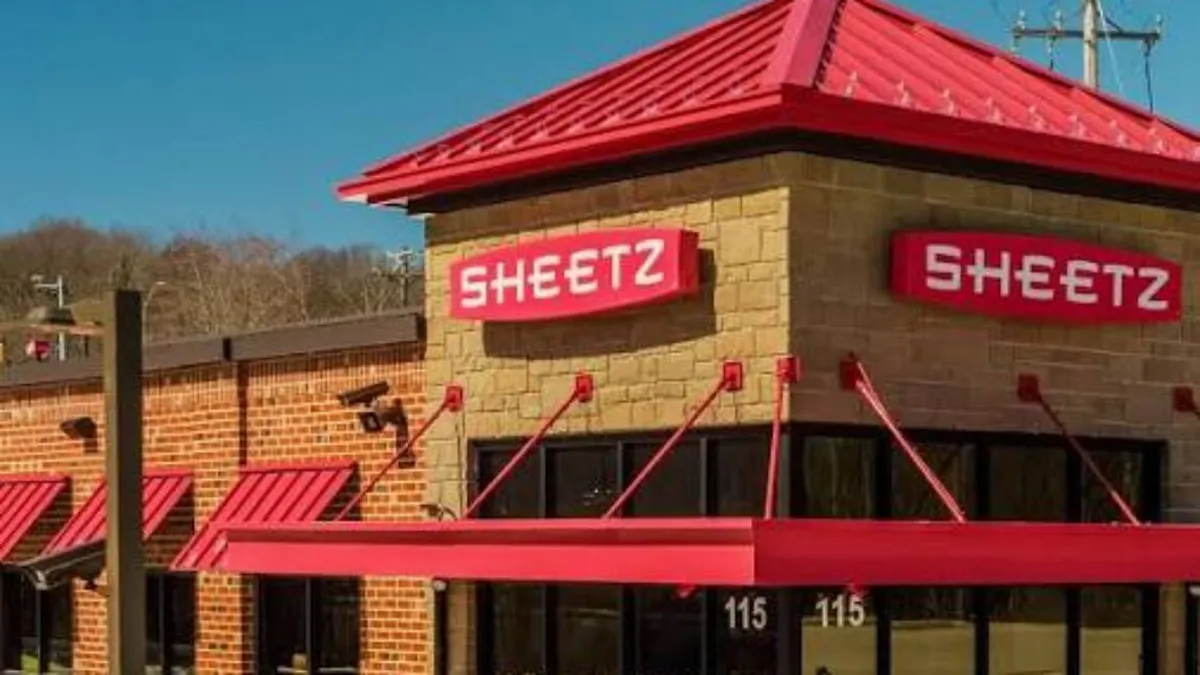
In a significant shift that highlights the changing landscape of virtualization technology, Sheetz, the popular convenience store chain, has announced it will be migrating approximately 11,000 virtual machines (VMs) from VMware to StorMagic. This decision comes as Sheetz grapples with a rapidly evolving IT environment and the pressures of increased costs associated with VMware's licensing changes following its acquisition by Broadcom. With 838 locations across the United States, this migration not only represents a substantial logistical challenge but also a larger trend affecting enterprises increasingly seeking alternatives to VMware's once-dominant virtualization platform.
The transition from VMware vSphere to StorMagic’s SvHCI (hyperconverged infrastructure) is set to take place over just a few months, with Sheetz already completing the migration for over 600 stores. This rapid pace underscores the urgency many organizations feel to reassess their virtualization strategies amidst rising costs and shifting market dynamics. The implications of Sheetz's decision extend far beyond its own operations, hinting at a broader reevaluation of virtualization solutions across various industries.

Understanding the Shift: Why Sheetz is Leaving VMware
Sheetz's decision to abandon VMware is rooted in significant changes to VMware’s pricing and licensing model introduced by Broadcom. Historically, organizations relied on VMware for its robust virtualization capabilities, but the transition to a subscription-based model, combined with the elimination of perpetual licenses, created financial uncertainty for many businesses, including Sheetz. This shift represents a critical inflection point for organizations that have long depended on VMware’s products.
Scott Robertson, the infrastructure team manager at Sheetz, elaborated on this concern, stating, “The projected price hikes, coupled with a mandatory subscription model and a five-year commitment, simply created too much uncertainty around long-term budgeting.” This sentiment resonates with many IT departments who are now faced with the daunting task of finding a viable alternative to VMware while managing costs and ensuring uninterrupted service.

Challenges in the Migration Process
Transitioning from one virtualization platform to another is not without its obstacles. For Sheetz, the migration of 11,000 VMs is a complex project that requires careful planning and execution. Robertson noted that automation and the use of StorMagic’s VMware VM Import Utility were crucial for scaling the migration effectively. Given the nature of Sheetz’s operations as a 24/7 retail environment, minimizing business disruption was paramount during this transition.
Key Migration Challenges
- Automation Needs: Implementing automation tools was critical to streamline the migration process.
- Business Continuity: The need to maintain operational efficiency while migrating was a significant concern.
- Time Constraints: Finding the necessary time to plan and implement the migration across a large environment proved challenging.
Robertson emphasized that meticulous planning was essential to ensure that store operations continued to run smoothly throughout the transition. The migration to SvHCI not only enables Sheetz to utilize existing Dell server hardware but also promises cost savings by allowing the company to make the switch without requiring substantial hardware upgrades.

Why StorMagic? A Closer Look at the New Partnership
StorMagic has been a part of Sheetz's technology stack since 2019, initially providing virtual storage area network capabilities alongside VMware for critical in-store applications. This existing relationship with StorMagic played a pivotal role in Sheetz’s decision to transition fully to its SvHCI solution, which offers resilience and centralized management across a distributed retail environment.
Gary Sliver, director of platform engineering at Sheetz, noted, “Our initial rollout proved StorMagic could deliver the resilience and centralized management needed across a large, distributed retail environment.” This compatibility and reliability made StorMagic an attractive choice, especially as the convenience store chain sought to avoid the pitfalls of vendor lock-in and rising costs associated with VMware.
Market Implications of Sheetz's Migration
The migration of Sheetz from VMware to StorMagic is part of a larger trend impacting organizations across various sectors. Research firm Gartner has predicted that up to 35 percent of VMware workloads will migrate to alternative solutions by 2028, reflecting growing dissatisfaction among IT departments with VMware's shifting business model. Other notable organizations, including T-Mobile, Allstate, and Tesco, have also begun exploring alternatives to VMware as they contend with similar challenges.
StorMagic is positioning itself to capitalize on this migration trend, actively targeting larger enterprises that may have previously overlooked its offerings in favor of VMware's more established solutions. StorMagic’s focus on SMBs and edge environments makes it particularly appealing to distributed enterprises, which face many of the same challenges as smaller businesses.

What This Means for the Future of Virtualization
The transition of Sheetz away from VMware signifies a crucial juncture in the virtualization market. As organizations like Sheetz opt for alternatives that offer flexibility and cost-effectiveness, the overall landscape of virtualization solutions is likely to evolve dramatically. Companies must now weigh the benefits of transitioning to new platforms against the potential risks associated with migration.
Broadcom, for its part, argues that its changes to VMware’s licensing model align with broader industry trends. However, as enterprises face increasing pressures to control costs and streamline operations, many may find themselves reconsidering their long-term relationships with VMware in favor of more adaptable solutions.
Key Takeaways
- Sheetz is migrating 11,000 VMs from VMware to StorMagic due to rising costs and licensing changes.
- The transition reflects a broader trend of businesses reassessing their virtualization strategies.
- Effective migration requires careful planning, automation, and a focus on maintaining operational continuity.
- StorMagic is positioning itself to capture a share of the enterprise market previously dominated by VMware.
- Organizations must weigh the risks and benefits of transitioning to new virtualization platforms.
Frequently Asked Questions
Why did Sheetz choose to migrate from VMware to StorMagic?
Sheetz decided to migrate from VMware due to rising costs associated with VMware’s new subscription-based licensing model introduced by Broadcom. This change created budgeting uncertainties and prompted Sheetz to seek a more cost-effective solution that would still meet its virtualization needs. StorMagic was already providing useful services alongside VMware, making the transition smoother.
What challenges did Sheetz face during the migration process?
The migration process presented several challenges, including the need for automation to scale the migration effectively and minimize business disruption. Additionally, the sheer scale of the operation required meticulous planning to ensure that store operations continued without interruption during the transition. Time constraints were also a significant factor, as the IT team had to coordinate the migration across numerous locations.
What does this migration mean for the future of virtualization technologies?
The migration of Sheetz indicates a significant shift in the virtualization landscape, as many organizations are reevaluating their relationships with VMware. With predictions suggesting that a considerable percentage of VMware workloads may migrate to alternative solutions, companies are increasingly seeking flexibility and cost-effectiveness in their virtualization strategies. This shift may lead to a more diverse range of solutions available in the market, as organizations explore non-VMware options.
How does StorMagic position itself in the market after Sheetz's migration?
StorMagic aims to capitalize on the migration trend by targeting larger enterprises and distributed environments that require cost-effective and reliable virtualization solutions. By showcasing successful partnerships with companies like Sheetz, StorMagic is working to establish itself as a viable alternative to VMware, especially for organizations that face similar challenges in managing IT resources across numerous locations.
Comments
Google Play to Welcome Third-Party App Stores Amid Antitrust Changes
With the withdrawal of a key settlement, Google is set to introduce third-party app stores to the Play Store. This shift marks a significant change in the Android ecosystem, driven by antitrust rulings and competitive dynamics.

Related articles



Popular in Cloud Computing
- SK Hynix's Historic $26.5 Billion IPO: A New Era for Memory Chips
- Kubernetes and the Future of Desktop Infrastructure: A Paradigm Shift
- Amazon Expands Partnership with Nvidia, Tripling GPU Orders Amid AI Demand Surge
- Elon Musk's Evolving Relationship with Anthropic: A New Era for AI Hosting
- Emerging Rocket Launches: A New Era for Space Exploration