SpaceX's Volatile Stock Journey: IPO Success Meets Market Reality
After a record-breaking IPO, SpaceX's stock has faced significant declines, raising questions about the company's future and the broader tech market's health. With a critical Starship test launch on the horizon, investors are watching closely.
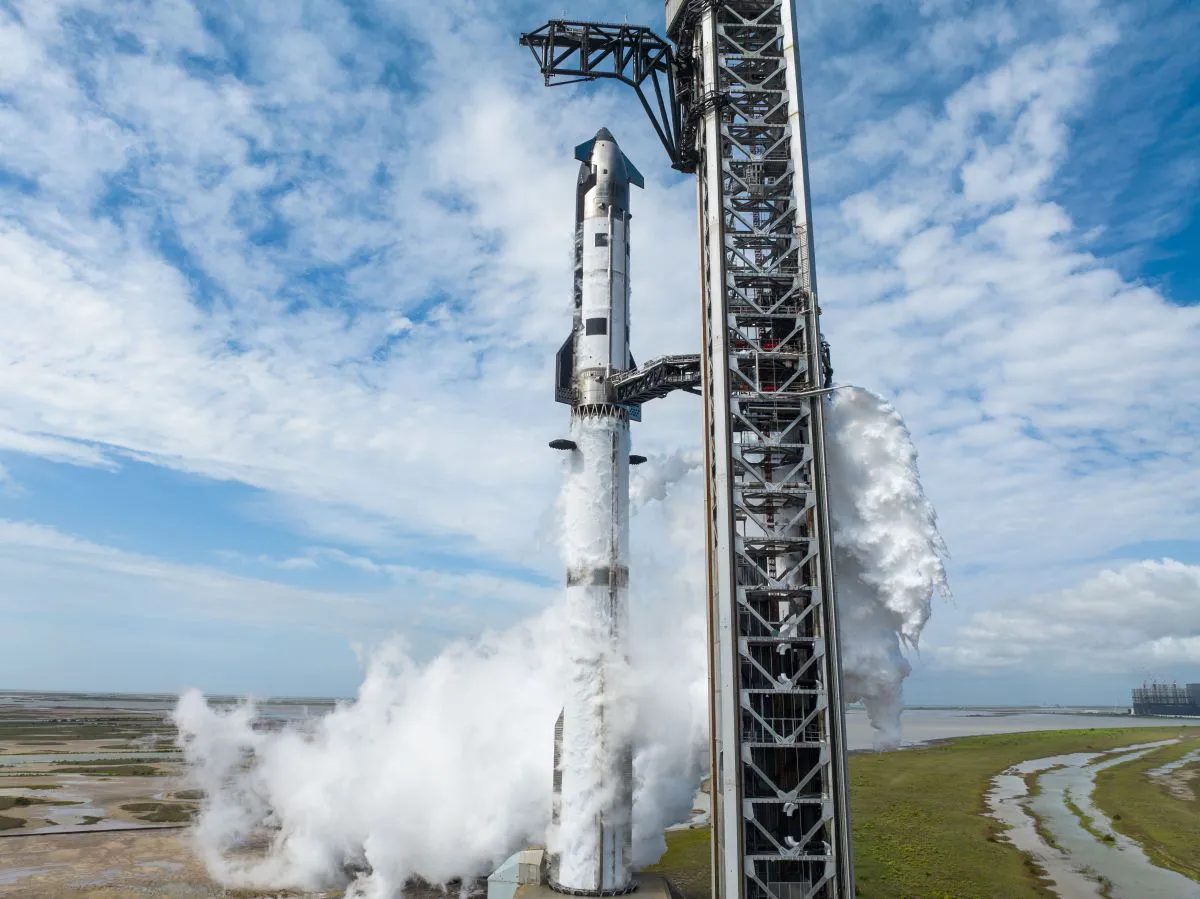
After a stunning initial public offering (IPO) that netted nearly $86 billion, SpaceX has seen its stock price tumble significantly, raising eyebrows across the technology and investment sectors. Initially soaring to over $200 per share, SpaceX's stock recently fell back to its IPO price of $135, exposing the underlying volatility in both the company’s market performance and the tech sector as a whole. As the company prepares for a crucial test launch of its Starship rocket, the implications of this stock decline are significant, not just for SpaceX but also for potential investors and other tech companies eyeing the public market.
The swift rise and subsequent fall of SpaceX’s stock can be attributed to a variety of factors, including the limited availability of shares being traded and the growing skepticism about the ambitious goals outlined by CEO Elon Musk. This volatility has implications beyond just SpaceX, as it may influence the future IPOs of other major tech players, such as Anthropic and OpenAI, who are closely monitoring the market's reaction to SpaceX's performance.
Unpacking SpaceX's IPO Success
SpaceX's IPO was a landmark event, not only for the company but for the entire aerospace sector. The company managed to raise approximately $86 billion, making it one of the largest IPOs in history. This financial windfall allowed SpaceX to continue pursuing its ambitious goals, including Mars colonization and the development of the Starship rocket, which is designed for deep space missions.
However, the initial excitement surrounding the IPO quickly cooled as reality set in. Investors who were eager to jump on the SpaceX bandwagon found themselves facing a stock that was not only volatile but also subject to the whims of broader market trends.
Market Dynamics and Stock Volatility
One of the significant factors contributing to SpaceX's stock volatility is the small percentage of shares available for trading, known as the float. Currently, only about 4% of SpaceX’s total shares are being traded on the Nasdaq. This limited float can lead to exaggerated price swings, as even small fluctuations in demand can result in substantial changes in share price.
- IPO Price: $135 per share
- Peak Price: Over $200 shortly after IPO
- Current Price: $135.27, with recent lows below $133
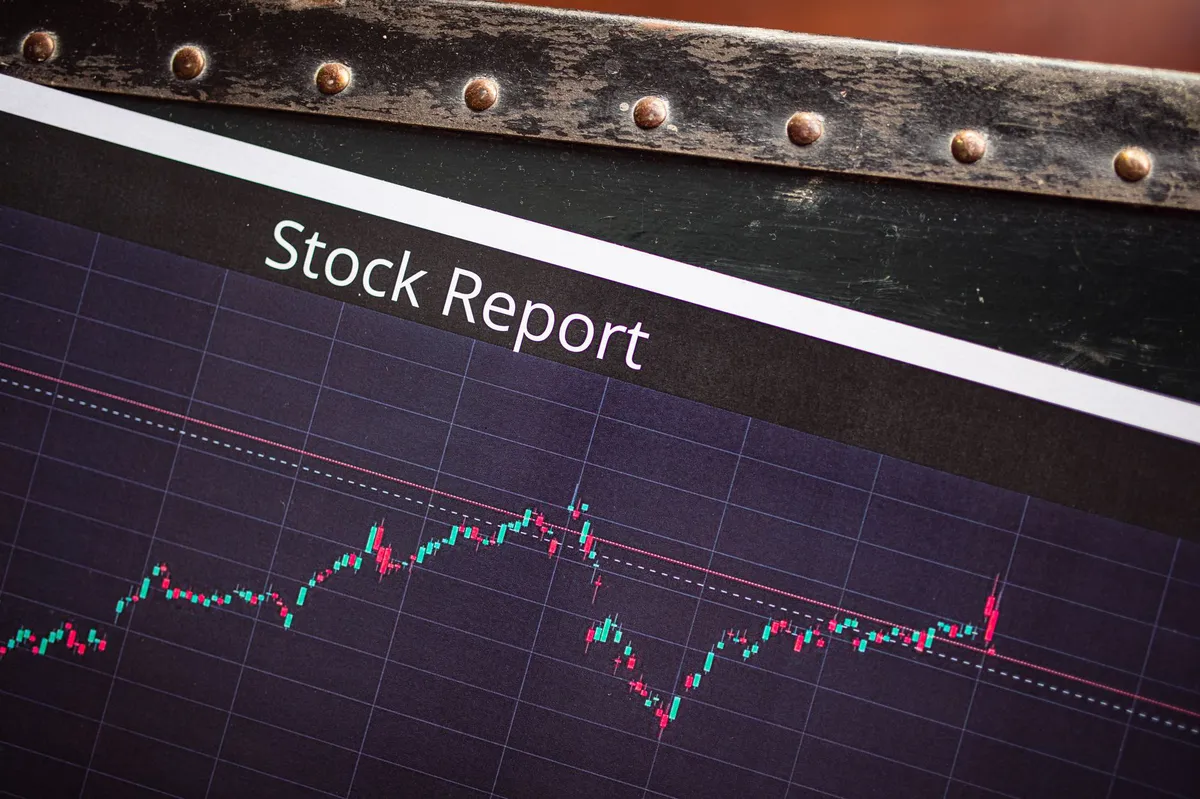
Moreover, the recent downturn in tech stocks has further exacerbated the situation. Investors are growing cautious, and SpaceX's ambitious plans might be viewed with skepticism in a market that appears to be sobering up. The decline in stock price reflects a broader trend of deflation across the tech sector, as investors reassess their positions in light of changing economic conditions.
Implications for Future Tech IPOs
As SpaceX navigates this turbulent period, its stock performance will likely set the tone for upcoming IPOs from other technology companies. Firms such as Anthropic and OpenAI are observing how SpaceX's stock reacts post-IPO, as they prepare for their own public offerings. The market's response to SpaceX could serve as a barometer for investor sentiment towards tech stocks in general.
If SpaceX's stock continues to decline, it may create a hesitancy among investors to commit to new tech IPOs, leading to a slowdown in public offerings. Conversely, a recovery could boost confidence in the tech sector and encourage other companies to move forward with their IPO plans.
Investor Sentiment and Market Psychology
The fluctuations in SpaceX's stock price are not merely numbers on a chart—they represent investor sentiment and market psychology. As SpaceX prepares for its upcoming Starship test launch, the outcome could significantly impact investor confidence. A successful launch could restore some faith in the company's future and stabilize its stock price, while a failure could deepen the skepticism surrounding Musk's ambitious vision.
Challenges Ahead: The Starship Test Launch
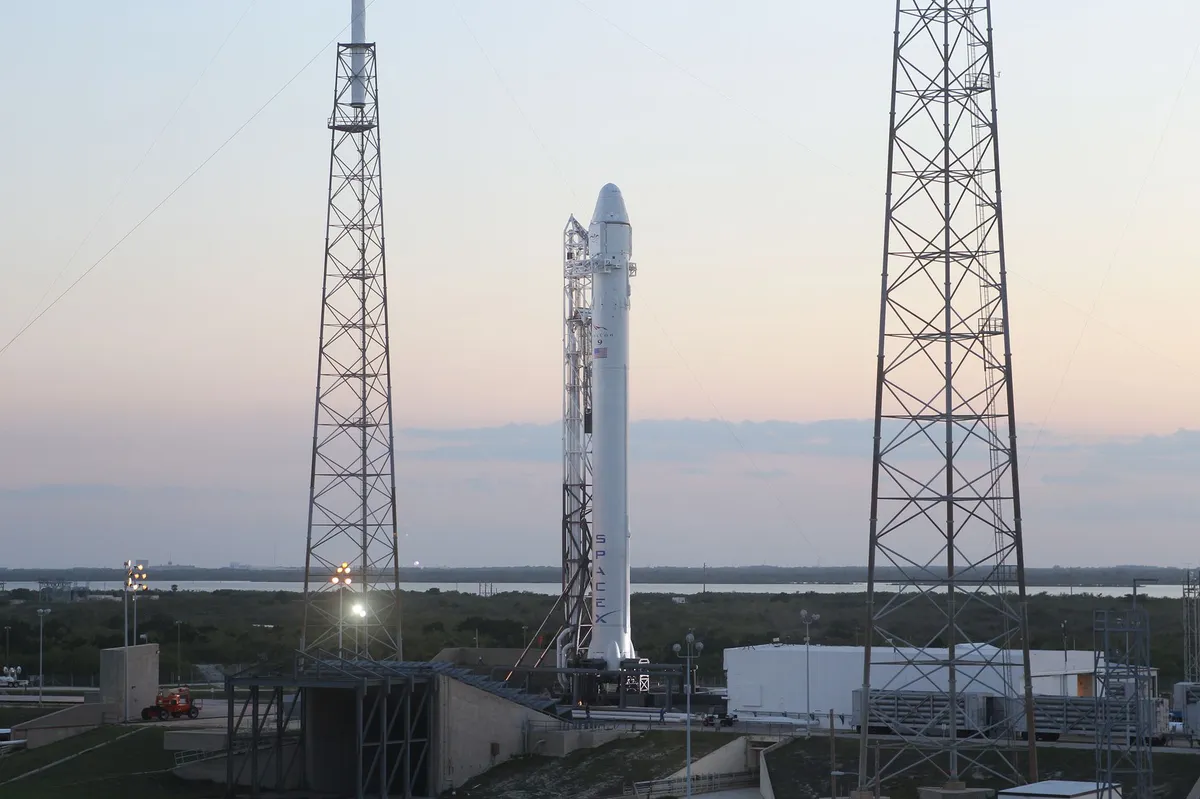
On the horizon lies a pivotal moment for SpaceX: the test launch of its Starship rocket. This will be the first test flight since a booster failure occurred in May, and the stakes are particularly high given the recent stock performance. The upcoming launch will not aim to recover the Starship booster or upper stage, which means both components are expected to end in an explosion, regardless of the flight's success or failure.
This “fly, fail, fix” approach is integral to SpaceX’s rapid development cycle but comes with inherent risks. Investors will be closely watching the results of this test, as it could either reaffirm the company's innovative approach or raise further doubts about its operational capabilities.
The Broader Market Context
SpaceX's recent stock performance reflects broader trends in the tech market, characterized by rising interest rates, inflationary pressures, and tightening monetary policies. Investors are becoming increasingly cautious, particularly in a sector that has seen astronomical valuations over the past few years. The general market sentiment seems to favor companies that demonstrate sustainable profitability and clear paths to revenue, rather than those with lofty, uncertain goals.
This trend is not only impacting SpaceX but also influencing the strategies of other tech companies. Firms may need to recalibrate their expectations and focus on demonstrating operational efficiency and profitability to attract investor interest. As the tech landscape evolves, it’s becoming crucial for companies to showcase their viability in addition to their innovative potential.

Key Takeaways
- SpaceX's stock price has fallen below its IPO price of $135, reflecting investor skepticism.
- The limited float of available shares contributes to heightened volatility.
- The upcoming Starship test launch is a critical event that may influence investor sentiment.
- Broader market trends are affecting investor confidence in tech stocks.
- Future tech IPOs may be impacted by SpaceX's performance and market dynamics.
Frequently Asked Questions
What caused SpaceX's stock to drop after the IPO?
The decline in SpaceX's stock price can be attributed to several factors including a limited float of shares, broader market volatility, and growing skepticism about the ambitious goals set by CEO Elon Musk. The initial excitement post-IPO quickly waned as investors began to reassess the company's long-term prospects in a shifting economic landscape.
How does the limited float of shares impact stock volatility?
The limited float refers to the small percentage of shares available for trading, which in SpaceX's case is only about 4%. This can lead to exaggerated price movements, as even modest changes in demand can cause significant fluctuations in stock price. Investors looking to buy or sell shares can experience rapid shifts, creating a volatile trading environment.
What are the implications of the Starship test launch for SpaceX's stock?
The Starship test launch is a crucial event that could significantly impact investor sentiment. A successful launch could restore confidence in SpaceX’s capabilities and stabilize its stock price, while a failure could exacerbate existing doubts about the company's operational reliability. Investors will be watching closely, as the outcome may set the tone for future performance.
How might SpaceX's performance affect other tech IPOs?
SpaceX's stock performance post-IPO will likely influence the market's reception of other tech IPOs, such as those from Anthropic and OpenAI. If SpaceX continues to struggle, it may deter investors from engaging with new tech offerings. Conversely, a recovery could boost confidence and encourage more companies to pursue public listings in the current market.
Comments
Google Play to Welcome Third-Party App Stores Amid Antitrust Changes
With the withdrawal of a key settlement, Google is set to introduce third-party app stores to the Play Store. This shift marks a significant change in the Android ecosystem, driven by antitrust rulings and competitive dynamics.

Related articles



Popular in Cloud Computing
- SK Hynix's Historic $26.5 Billion IPO: A New Era for Memory Chips
- Kubernetes and the Future of Desktop Infrastructure: A Paradigm Shift
- Amazon Expands Partnership with Nvidia, Tripling GPU Orders Amid AI Demand Surge
- Elon Musk's Evolving Relationship with Anthropic: A New Era for AI Hosting
- Emerging Rocket Launches: A New Era for Space Exploration