Google's Solar Ambitions: A Clean Power Project vs. Unpermitted Gas Plants
Google has announced its largest solar power project yet, set to reshape energy consumption in Arkansas. This initiative contrasts sharply with xAI's controversial gas power plant nearby, illuminating the stark divide in energy strategies.
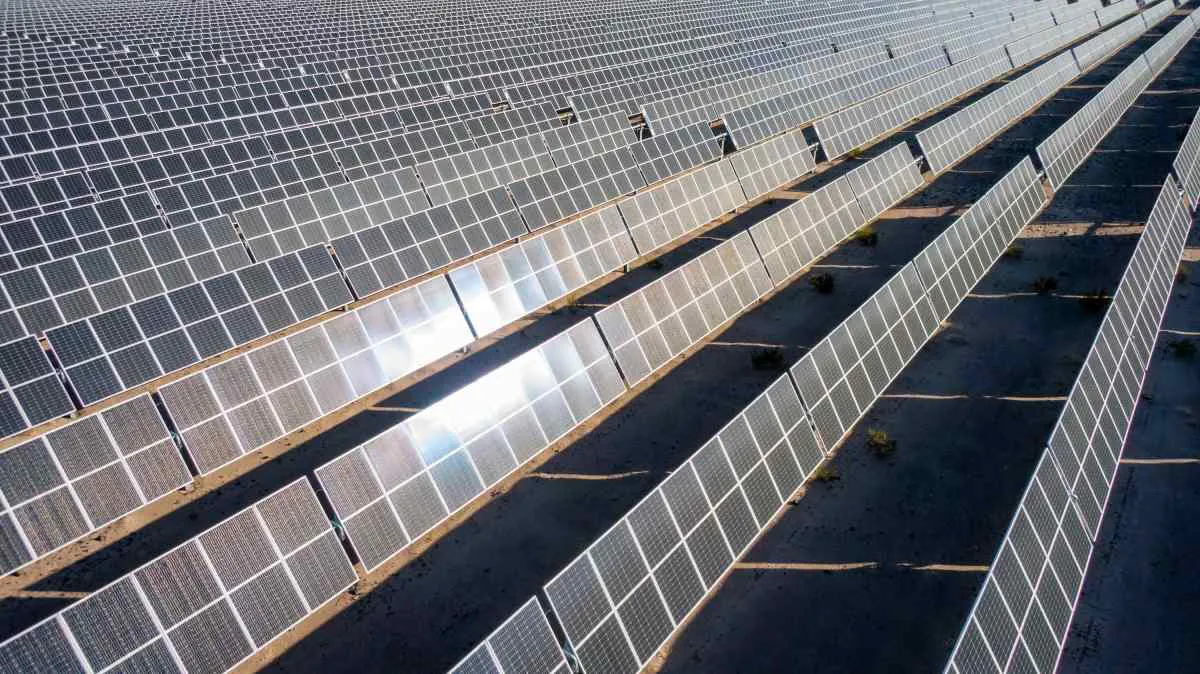
In a significant move towards renewable energy, Google has unveiled its largest solar power and battery storage project to date, located in Arkansas. This ambitious initiative, known as the Steel River Energy Center, is set to generate enough electricity to meet about 6% of the state’s peak demand. It marks a pivotal step in Google's ongoing commitment to aligning its electricity consumption with clean energy sources. Meanwhile, just 40 miles south, xAI, a company spearheaded by tech mogul Elon Musk, is facing scrutiny for its unpermitted natural gas power plant, which has been criticized for its environmental impact.
The disparity between Google’s clean energy investment and xAI’s reliance on fossil fuels highlights a broader debate surrounding energy production in the United States. With Google investing heavily in solar and battery storage technology, and xAI’s controversial approach to energy generation, the energy landscape is evolving rapidly, raising questions about sustainability, corporate responsibility, and the future of energy consumption.
Google's Steel River Energy Center: A Game Changer for Clean Energy
Google’s new project is not only ambitious in scale but also in its potential impact. The first two phases of the Steel River Energy Center will add a considerable 1 gigawatt of solar capacity and 1.9 gigawatt-hours of battery storage to the grid. This facility will allow Google to offset its energy needs for its data centers, which are notorious for their high electricity consumption. Such data centers are essential for Google’s operations, supporting everything from search engine functionality to cloud services.
The third phase of the project, slated for completion in 2029, will elevate the total capacity to 1.8 gigawatts of solar power and 2.9 gigawatt-hours of battery storage. These advancements are crucial as they aim to match Google’s electricity consumption with clean energy on an hourly basis, a goal that sets a high bar for renewable energy integration.
Financial Backing and Strategic Partnerships
To support this massive undertaking, Cypress Creek Energy, the developer behind the project, has secured $3.5 billion in financing. Such financial backing illustrates the growing confidence in renewable energy projects, especially as companies like Google continue to prioritize sustainability in their operational strategies. By purchasing the entire output of the first two phases, Google not only secures clean energy for its operations but also reinforces its commitment to fostering a sustainable business model.
Contrasting Energy Strategies: Google vs. xAI
The contrast between Google’s clean energy efforts and xAI’s reliance on fossil fuels is stark. While Google is investing heavily in renewable energy technologies, xAI is pursuing an unpermitted natural gas power plant that has raised environmental concerns. Located in Mississippi, xAI's facility operates nearly 60 natural gas turbines without the required federal clean air permits, which could have significant ramifications for local communities.
Reports indicate that pollution from xAI’s plant disproportionately affects predominantly Black neighborhoods, raising ethical questions about corporate accountability and environmental justice. Despite these concerns, Elon Musk, who has made substantial investments in natural gas infrastructure through xAI, shows no signs of shifting his strategy. His recent acquisition of APR Energy, a company specializing in modular natural gas power plants, further underscores this commitment to fossil fuels.
Environmental and Social Implications
The implications of these contrasting energy strategies extend beyond corporate profit margins. Google’s investment in renewables can lead to job creation in the clean energy sector, reduced carbon emissions, and a more sustainable energy landscape. On the other hand, xAI's operations may exacerbate existing environmental injustices, particularly in vulnerable communities that are often the first to experience the adverse effects of pollution.
The Future of Energy: Why It Matters
The developments surrounding Google and xAI encapsulate a larger narrative about the future of energy production in the United States. As companies increasingly recognize the financial and reputational benefits of investing in renewable energy, traditional fossil fuel operations face mounting pressure from regulators and the public alike. The rapid deployment of projects like the Steel River Energy Center demonstrates the feasibility of large-scale renewable energy initiatives, which can be realized in relatively short timeframes.
As Google continues to expand its renewable energy portfolio, other tech giants may feel compelled to follow suit, driving a shift away from fossil fuels. This shift could potentially reshape the energy industry, paving the way for more sustainable practices across various sectors. Companies that fail to adapt to this evolving landscape risk falling behind in both innovation and public approval.
Key Takeaways
- Google's Steel River Energy Center will add 1.8 gigawatts of solar capacity by 2029.
- xAI's unpermitted natural gas plant raises serious environmental justice concerns.
- Financial backing of $3.5 billion highlights growing confidence in renewable energy.
- Contrasting approaches reflect broader trends in corporate responsibility and sustainability.
- Rapid deployment of renewable projects could reshape the energy landscape in the US.
Frequently Asked Questions
What is the significance of Google's Steel River Energy Center?
The Steel River Energy Center represents Google's largest investment in solar power and battery storage to date. By generating up to 1.8 gigawatts of solar power, this facility will significantly contribute to meeting the energy demands of Google's data centers while simultaneously advancing the company's commitment to sustainability and renewable energy integration.
How does xAI's natural gas power plant impact local communities?
xAI's unpermitted natural gas power plant has raised alerts regarding its environmental impact, particularly on the predominantly Black neighborhoods near the facility. The lack of federal clean air permits and the resulting pollution can lead to health issues and exacerbate existing inequalities, making it crucial for corporations to consider the social ramifications of their energy strategies.
What are the broader implications of shifting from fossil fuels to renewable energy?
The transition from fossil fuels to renewable energy has significant implications for climate change, public health, and the economy. As companies like Google invest in sustainable energy sources, it not only helps to reduce carbon emissions but also promotes job creation in the clean energy sector, drives technological innovation, and encourages other corporations to adopt greener practices in their own operations.
How might the energy industry evolve in the coming years?
The energy industry is poised for significant changes as more companies recognize the value of sustainable practices. The rapid deployment of renewable energy projects, coupled with advancements in energy storage technology, could lead to a more decentralized and resilient energy grid. Additionally, as public awareness of climate issues grows, corporations may face increasing pressure to adopt responsible energy strategies that prioritize environmental sustainability.
Comments
Google Play to Welcome Third-Party App Stores Amid Antitrust Changes
With the withdrawal of a key settlement, Google is set to introduce third-party app stores to the Play Store. This shift marks a significant change in the Android ecosystem, driven by antitrust rulings and competitive dynamics.

Related articles



Popular in Cloud Computing
- SK Hynix's Historic $26.5 Billion IPO: A New Era for Memory Chips
- Kubernetes and the Future of Desktop Infrastructure: A Paradigm Shift
- Amazon Expands Partnership with Nvidia, Tripling GPU Orders Amid AI Demand Surge
- Elon Musk's Evolving Relationship with Anthropic: A New Era for AI Hosting
- Emerging Rocket Launches: A New Era for Space Exploration