The Challenges and Future of Orbital Data Centers
As SpaceX and other companies look to build orbital data centers, numerous technical challenges arise, including launch logistics and radiation management. This article delves into the complexities and potential of this ambitious endeavor.

In recent years, the concept of orbital data centers has transitioned from the realm of science fiction into a tangible business prospect, sparking heated discussions across the tech and aerospace industries. SpaceX, spearheaded by Elon Musk, has emerged at the forefront of this ambitious venture, contemplating a constellation of satellites designed specifically for data processing. While the allure of harnessing limitless solar energy and cutting-edge technology is enticing, the road to establishing these data centers in space is fraught with significant technical challenges and economic hurdles.
As SpaceX prepares to launch its AI1 satellites, which are expected to power a vast network of GPUs for data center services, it is crucial to analyze the multifaceted challenges involved in this endeavor. From the intricacies of launching heavy payloads into orbit to managing the unique thermal and radiation environments of space, understanding these obstacles is vital for stakeholders in technology, finance, and space exploration.
Understanding the Technical Challenges of Orbital Data Centers
Building orbital data centers isn’t just about sending hardware into space; it involves overcoming a series of complex technical challenges that can significantly impact the feasibility and timeline of these projects.
Launch Logistics: A Heavy Lift
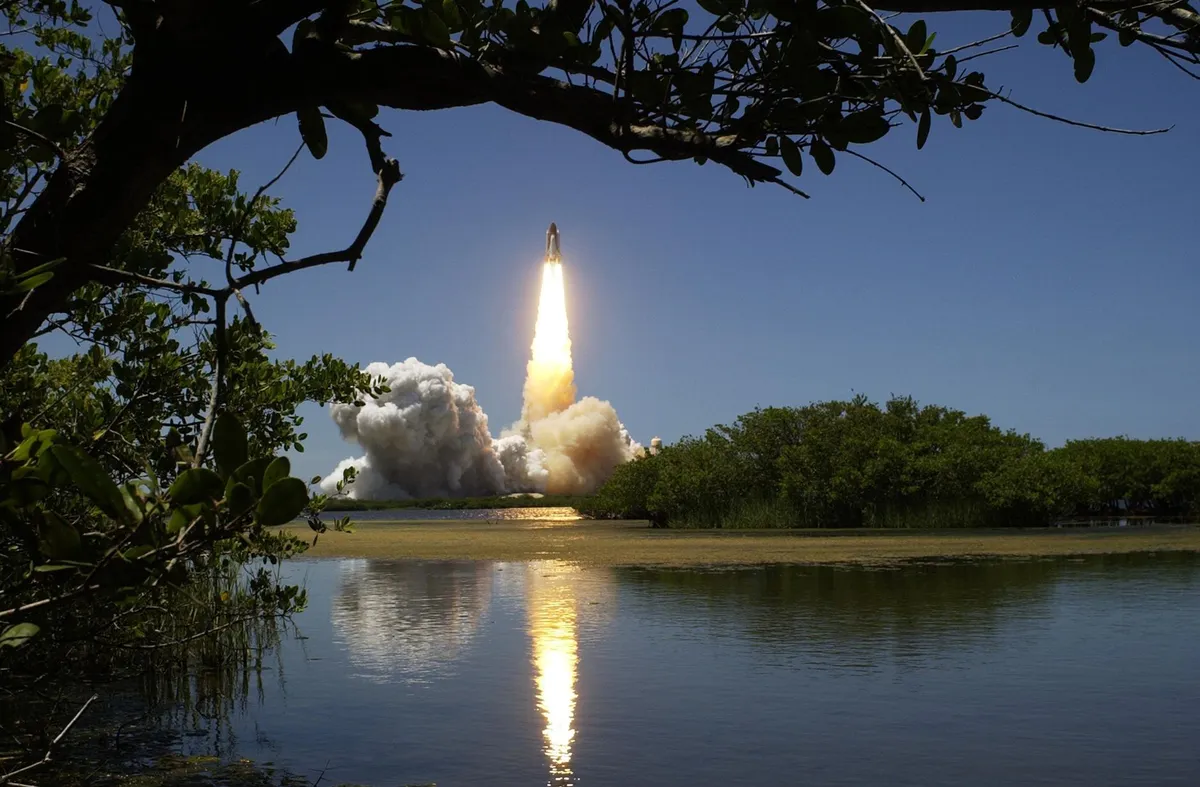
One of the primary challenges in establishing an orbital data center is the logistics of launching the necessary hardware into space. Each AI1 satellite is expected to weigh between 3.5 and 7.5 metric tons, requiring a super heavy lift rocket for deployment. SpaceX's Starship is designed with a maximum payload capacity of 200 metric tons, but achieving full reusability—where both stages of the rocket can return for rapid reuse—remains a work in progress.
The costs associated with launching satellites are also a significant consideration. SpaceX aims to reduce launch costs to approximately $100 per kilogram, which could bring down the price of deploying satellites considerably. However, the reality is that establishing a constellation of 1 million satellites would necessitate thousands of launches each year, escalating operational complexity and costs. The estimates for total launch costs vary dramatically based on different scenarios, ranging from $350 billion to a staggering $9.8 trillion.
Heat Dissipation: Managing Thermal Challenges
Another major technical hurdle is managing heat dissipation. As AI1 satellites will house powerful GPUs for data processing, the generated heat must be effectively managed to prevent damage to the hardware. Traditional data centers on Earth rely on extensive cooling systems, but in the vacuum of space, conventional methods are not applicable.
SpaceX's engineering teams are exploring innovative radiators to dissipate heat effectively in the extreme conditions of space. This will require advanced materials and designs that can withstand the harsh environment while providing efficient cooling solutions for the onboard computing hardware.
Radiation Management: Protecting Sensitive Components
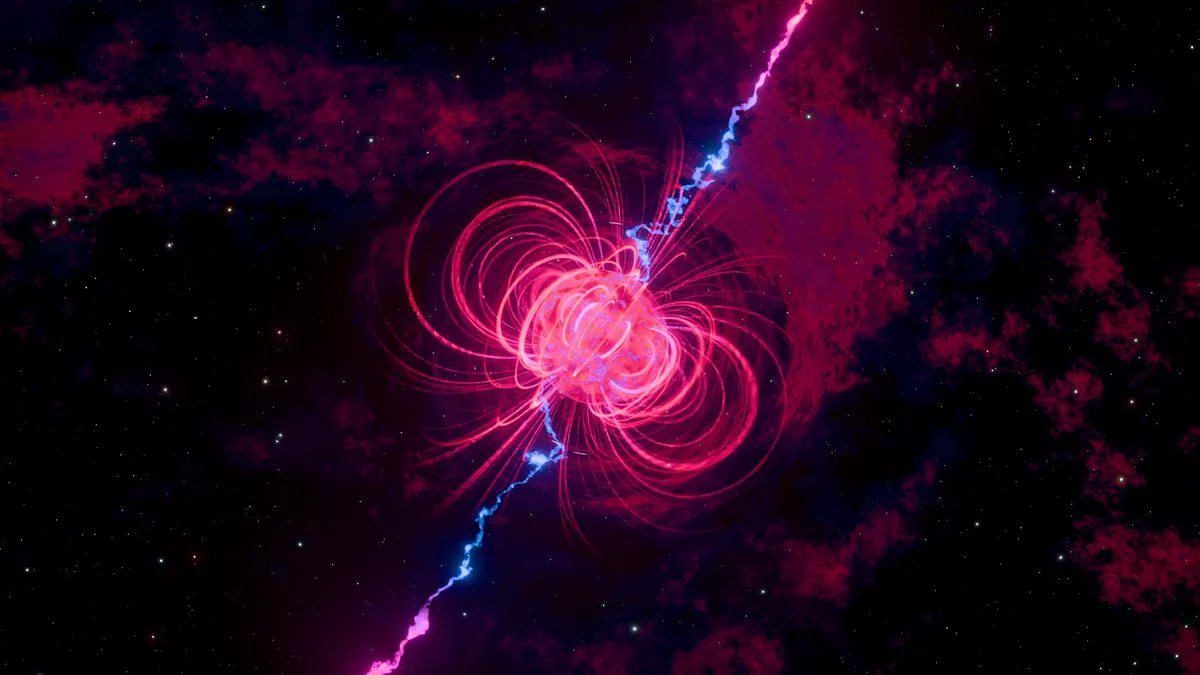
Space is filled with cosmic radiation, which poses a significant risk to electronic components aboard satellites. The radiation environment can lead to data corruption and hardware failure, making it imperative for orbital data centers to incorporate robust radiation shielding.
Based on lessons learned from the Starlink constellation, SpaceX has already started to adapt its components for better radiation resistance. This includes using specialized materials and designs that can mitigate the effects of radiation exposure over time. However, the balance between additional shielding weight and effective radiation protection remains a critical challenge.
Latency Issues: Bridging the Distance
Another critical consideration in the design of orbital data centers is latency. Unlike terrestrial data centers that can deliver data at high speeds, satellites in orbit must contend with latency caused by the physical distance to ground stations. This can result in delays that affect the performance of cloud services.
To minimize latency, SpaceX is looking into strategically positioning its satellites in low Earth orbit (LEO), where the distance to ground-based users is reduced. However, even with LEO satellites, achieving optimal performance for real-time applications is a complex task that requires careful planning and investment in ground infrastructure.
Future Implications and Market Considerations
The pursuit of orbital data centers is not just a technological endeavor; it represents a potential shift in how data is processed and stored globally. The implications extend far beyond SpaceX, impacting various sectors reliant on cloud computing, big data, and artificial intelligence.
As the competition heats up, other companies are also entering the fray, raising questions about the viability of these ambitious plans. Industry leaders like Iridium Communications have expressed skepticism regarding the current enthusiasm for orbital data centers, stressing the need for pragmatic approaches to tackle the financial and technical challenges head-on.
- Investment Needs: The potential investment in orbital data centers is astronomical, necessitating significant capital from private and public sectors alike.
- Technological Innovations: The development of lightweight materials and efficient thermal management systems is crucial for the success of these initiatives.
- Regulatory Considerations: Navigating the legal landscape for satellite launches and data management in space will be essential.
- Market Demand: Understanding the market demand for orbital computing resources will determine the long-term viability of these projects.

Key Takeaways
- The development of orbital data centers presents significant technical challenges, including launch logistics, heat dissipation, and radiation management.
- SpaceX's plans for a constellation of AI1 satellites may require thousands of launches and substantial investment.
- Latency issues must be addressed to ensure optimal performance for cloud services reliant on satellite networks.
- The success of orbital data centers will depend on technological advancements and market demand.
Frequently Asked Questions
What are orbital data centers?
Orbital data centers are satellite-based facilities designed to process and store data in space. They aim to leverage the unique advantages of the space environment, such as abundant solar energy and lower cooling requirements, to enhance data processing capabilities compared to traditional terrestrial data centers.
Why is SpaceX pursuing orbital data centers?
SpaceX is pursuing orbital data centers as part of a broader vision to revolutionize computing by utilizing space-based resources. The company's ambitious plans could allow for immense computational power leveraging solar energy, potentially transforming industries reliant on data-intensive applications.
What are the main challenges facing orbital data centers?
The primary challenges include launching the necessary hardware into orbit, managing thermal and radiation environments, and addressing latency issues associated with data transmission. Each of these challenges requires innovative solutions and substantial investment to overcome.
How could orbital data centers impact the future of cloud computing?
Orbital data centers could significantly impact cloud computing by providing new capabilities for processing and storing large volumes of data. They could enable real-time data processing for applications like AI, IoT, and remote sensing, potentially accelerating the development of new technologies and services across various industries.
Comments
Realta Fusion's Bold Move: Building a Fusion Reactor at a Former Hot Dog Factory
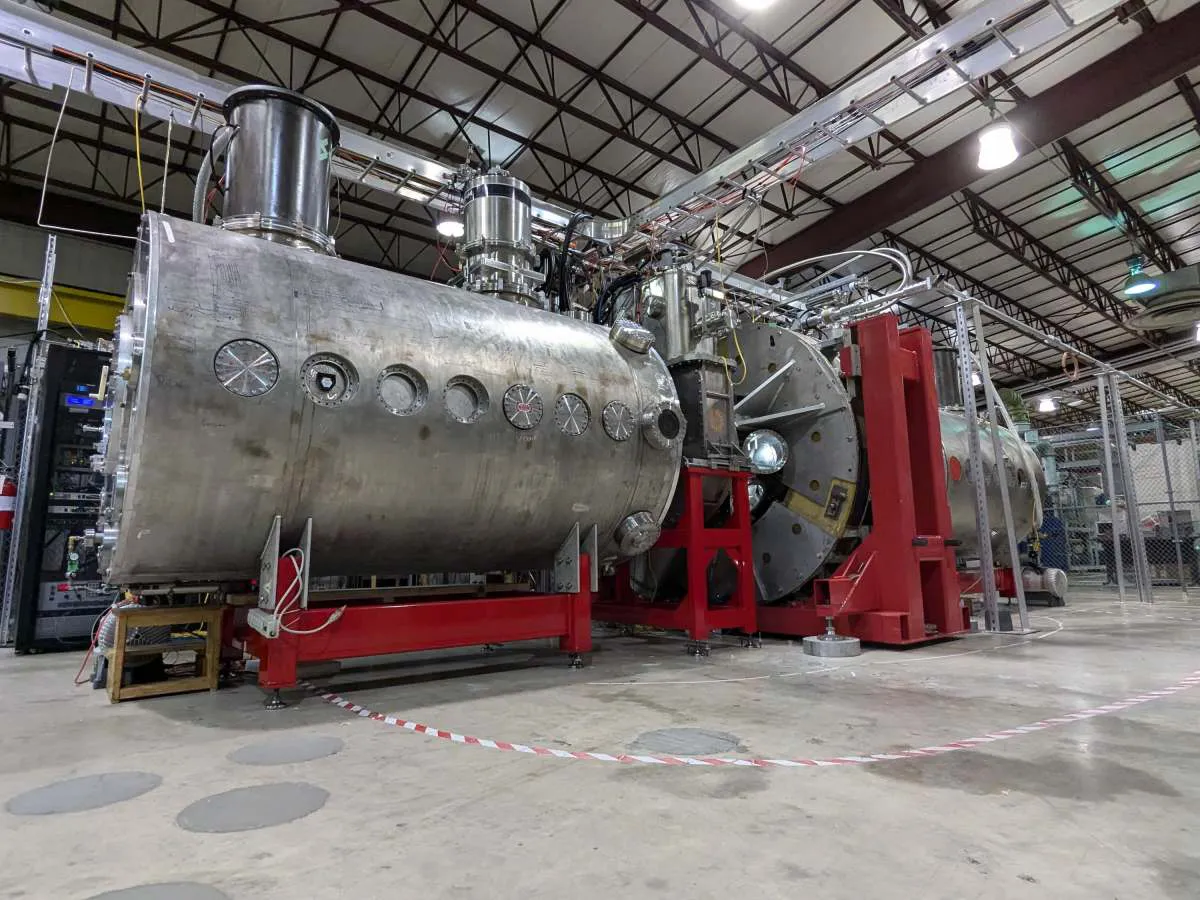
Realta Fusion is transforming an old Oscar Mayer factory in Wisconsin into a cutting-edge fusion reactor, marking a significant milestone in the pursuit of sustainable energy. With state support and innovative technology, the company aims to revolutionize power generation by 2029.
Related articles
Popular in Cloud Computing
- SK Hynix's Historic $26.5 Billion IPO: A New Era for Memory Chips
- Kubernetes and the Future of Desktop Infrastructure: A Paradigm Shift
- Amazon Expands Partnership with Nvidia, Tripling GPU Orders Amid AI Demand Surge
- Elon Musk's Evolving Relationship with Anthropic: A New Era for AI Hosting
- Emerging Rocket Launches: A New Era for Space Exploration