Vint Cerf's Vision: Enabling AI Agents on the Open Internet
Vint Cerf, a key figure in internet architecture, is spearheading a project to empower AI agents with a framework for accountability and interaction. This initiative highlights the need for standards in a rapidly evolving digital landscape.
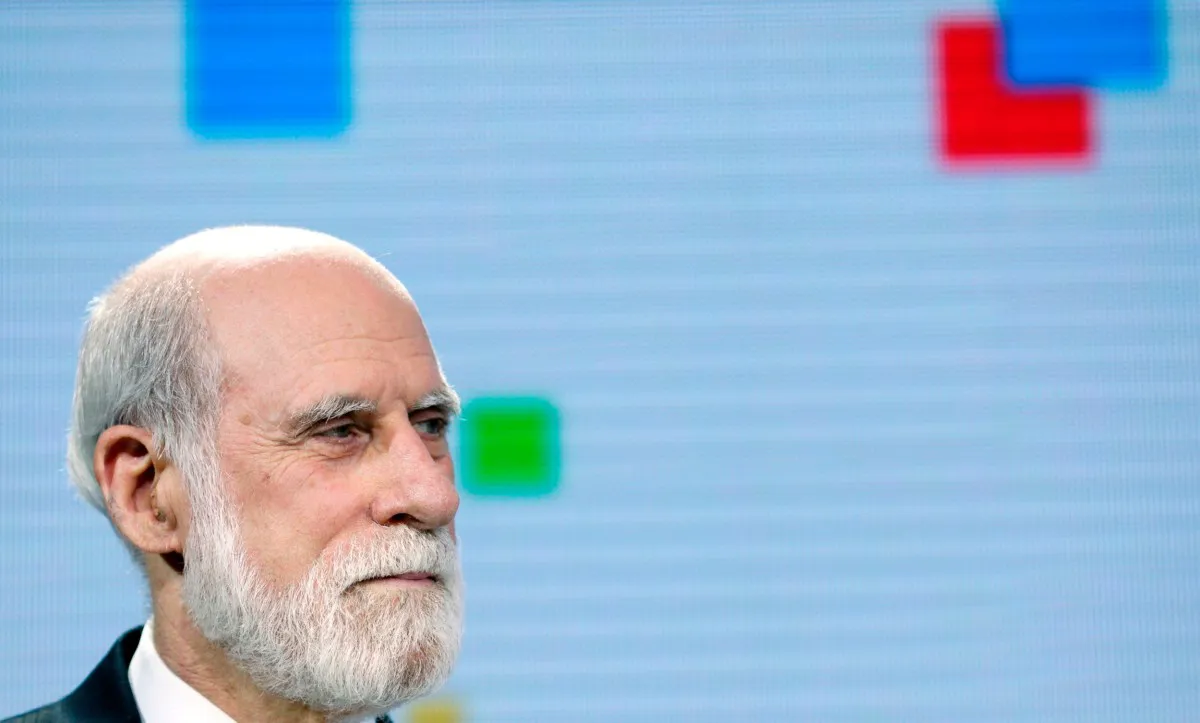
As the architect of some of the core protocols that underpin the internet, Vint Cerf has always been at the forefront of technological advancements. Recently, he took a bold step by leaving Google after two decades to focus on the future of artificial intelligence (AI) on the internet. His current endeavor involves working with Innovation Labs, a subsidiary of Identity Digital, to create a framework for AI agents that allows them to interact, identify themselves, and operate autonomously across the web. This initiative comes at a critical time when the digital landscape is evolving, and the need for standards and accountability among AI agents is becoming increasingly vital.
Innovation Labs aims to pave the way for a future where AI agents are not confined to proprietary ecosystems but can operate on the open internet. This shift could revolutionize how businesses interact online, with AI agents functioning more independently and engaging with each other rather than solely with human users. However, this paradigm shift raises significant questions regarding trust, accountability, and the identity of these agents, which Cerf and his colleagues are keen to address.

The Challenge of Accountability in AI Agents
As AI technology advances, companies are increasingly envisioning a world where AI agents can perform tasks autonomously, potentially revolutionizing various industries. However, the current landscape is hindered by a lack of standardized methods for identifying and auditing these agents. Without a robust framework, the risk of misuse and accountability issues arises. Companies such as Innovation Labs are stepping in to address this gap by proposing a novel solution: DNSid.
DNSid is a proposed registry for agent identification that links AI agents to existing internet domain names. This system utilizes cryptographic proofs to ensure that each agent's registration is securely logged over time. By creating a reliable method for identifying AI agents, Innovation Labs aims to enhance trust and transparency in their operations. Allie Kline, the interim CEO of Innovation Labs, emphasizes the importance of this initiative, stating, "I felt like I might be able to help them in a period of time when naming and identification is becoming increasingly important."

Why Standards Matter
The call for a shared standard is not merely an academic exercise; it is crucial for the practical deployment of AI agents. Cerf notes that without interoperability between different agents and systems, businesses risk creating silos that prevent collaboration and efficiency. He states, "Company X uses agent Y’s technology, and company A uses agent C’s technology, and then they don’t interwork with each other." This lack of integration can stifle innovation and hinder the potential benefits that a more connected digital ecosystem could provide.
To facilitate this integration, the proposed DNSid framework must be practical and functional. Cerf draws parallels to the development of the TCP/IP protocol, which became the backbone of the internet due to its widespread adoption and utility. The success of any new standard for AI agents will depend on its ability to meet diverse needs and facilitate seamless interactions across various platforms.
The Role of Hyperscalers and Industry Stakeholders
Innovation Labs is currently testing its standards with several unnamed hyperscalers and identity companies. These industry giants play a significant role in shaping the future of AI on the internet, and their participation in the development of DNSid could lend credibility and support to the initiative.
However, there is a notable concern regarding the potential for proprietary control over these standards. Kline acknowledges that there is widespread skepticism towards hyperscalers releasing a standard that would allow them to own registration data. This skepticism stems from a desire for an open and equitable digital landscape, where no single entity can exploit its position for commercial gain.

The Future of AI Agents: Autonomy or Oversight?
As AI agents become more prevalent in various sectors, the question arises: will they operate autonomously, or will they require oversight? Cerf posits that while the rise of AI agents is not inevitable, it is likely that people will embrace them for their convenience. He states, "We are fundamentally lazy creatures, and if we find a way to have an agent do something for us, we’re very likely to choose to do that because it’s just easier."
This raises important ethical considerations regarding the autonomy of AI agents. As they become more integrated into daily life, the potential for them to make decisions on behalf of individuals and organizations increases. This autonomy necessitates a framework for accountability, ensuring that the actions of AI agents can be traced back to their creators and that there are mechanisms for redress in case of errors or malfeasance.
Key Takeaways
- Vint Cerf is spearheading an initiative to create a framework for AI agents on the open internet.
- The proposed DNSid system aims to enhance accountability and trust among AI agents.
- Standards are crucial for the interoperability of AI agents across different platforms.
- Industry participation, especially from hyperscalers, is vital for the success of these standards.
- The rise of AI agents raises ethical questions about autonomy and accountability in digital interactions.
Frequently Asked Questions
What are AI agents and how do they function?
AI agents are software programs that can perform tasks autonomously, often leveraging machine learning and artificial intelligence to make decisions and take actions without human intervention. They can operate in various environments, from customer service chatbots to autonomous vehicles, and are designed to enhance efficiency and reduce the need for human oversight.
Why is accountability important for AI agents?
Accountability for AI agents is crucial to ensure that their actions can be traced back to their creators or organizations. As these agents operate more independently, the potential for misuse or errors increases. Without accountability, it becomes difficult to address issues related to bias, errors, or unintended consequences stemming from their actions.
How will the proposed DNSid framework work?
The DNSid framework aims to provide a standardized method for identifying AI agents by linking them to existing internet domain names. This system will use cryptographic proofs to log each agent's registration over time, establishing a secure and traceable identity. This approach is intended to enhance trust and facilitate interoperability among different AI agents across the internet.
What are the potential implications of AI agents on the job market?
The rise of AI agents could significantly impact the job market by automating tasks traditionally performed by humans. While this could lead to increased efficiency and reduced operational costs for businesses, it also raises concerns about job displacement and the need for reskilling workers. As AI agents take on more responsibilities, organizations will need to consider how to integrate them into their workforce without compromising employment opportunities.
Comments
The Challenges and Future of Orbital Data Centers
As SpaceX and other companies look to build orbital data centers, numerous technical challenges arise, including launch logistics and radiation management. This article delves into the complexities and potential of this ambitious endeavor.
Related articles

Popular in Cloud Computing
- SK Hynix's Historic $26.5 Billion IPO: A New Era for Memory Chips
- Kubernetes and the Future of Desktop Infrastructure: A Paradigm Shift
- Amazon Expands Partnership with Nvidia, Tripling GPU Orders Amid AI Demand Surge
- Elon Musk's Evolving Relationship with Anthropic: A New Era for AI Hosting
- Emerging Rocket Launches: A New Era for Space Exploration