Realta Fusion's Bold Move: Building a Fusion Reactor at a Former Hot Dog Factory
Realta Fusion is transforming an old Oscar Mayer factory in Wisconsin into a cutting-edge fusion reactor, marking a significant milestone in the pursuit of sustainable energy. With state support and innovative technology, the company aims to revolutionize power generation by 2029.
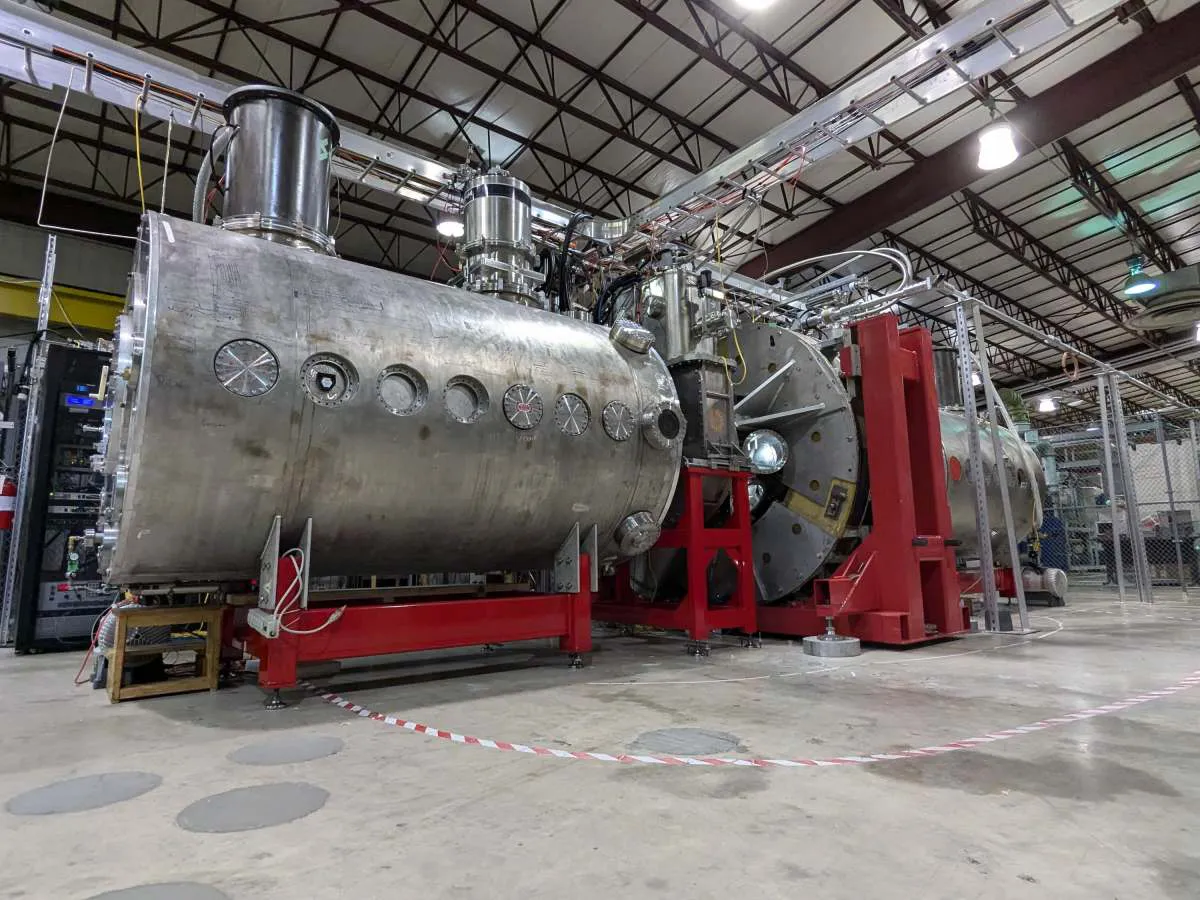
In an unconventional twist that highlights the innovative spirit of the renewable energy sector, Realta Fusion has opted to construct its groundbreaking fusion reactor at the site of an old Oscar Mayer hot dog factory in Madison, Wisconsin. This quirky juxtaposition—"from sausages to fusion," as co-founder and CEO Kieran Furlong aptly puts it—symbolizes not only a novel approach to energy generation but also the increasing viability of fusion power as a serious contender in the race for sustainable energy sources. With plans to initiate plasma generation by 2029, Realta Fusion is on the cusp of potentially reshaping the electricity landscape, especially amidst the growing global demand for cleaner energy solutions.
Realta's decision to establish its research and development facility, dubbed Forge, in Wisconsin is underscored by more than just the nostalgia of the location. The state has demonstrated a bipartisan commitment to fostering fusion energy development, a stance that could position Wisconsin as a significant player in the fusion energy arena. The convergence of state support, local talent, and cutting-edge technology has paved the way for this ambitious project, demonstrating that fusion power is no longer a distant dream but an approaching reality.
The Fusion Revolution: Why Now?
The interest in fusion energy has surged dramatically in recent years, driven largely by the urgent need for sustainable energy solutions as the world grapples with climate change and the escalating demand for electricity. With the rise of electrification across various sectors—including the proliferation of artificial intelligence data centers—the urgency for advanced energy sources has never been greater.
Fusion energy holds the promise of abundant, clean electricity without the long-lived radioactive waste associated with traditional nuclear fission. Unlike fossil fuels, which emit carbon dioxide and contribute to global warming, fusion reactions produce energy by fusing atomic nuclei, mimicking the processes that power the sun. The potential benefits of fusion energy are monumental:
- Abundant Fuel Supply: Fusion fuel, primarily isotopes of hydrogen, is widely available and can be extracted from water or lithium.
- Minimal Environmental Impact: Fusion produces no greenhouse gases and only a small amount of short-lived radioactive waste.
- Safety: Unlike fission reactors, fusion does not carry the risk of catastrophic meltdowns.
- Energy Density: A single fusion reaction can produce significantly more energy than conventional reactions.

Wisconsin's Investment: A Strategic Choice
Realta Fusion's choice of Wisconsin as its base of operations is indicative of the state's proactive approach to energy innovation. The Wisconsin government has demonstrated its commitment to the fusion sector by offering substantial financial incentives totaling an estimated $55 million. This includes:
- Sales Tax Exemption: A legislative measure that will save Realta approximately $37.5 million.
- Enterprise Zone Tax Credits: An additional $15 million to encourage business growth.
- Tax Increment Financing: $2.8 million from the city of Madison to support infrastructure development.
These incentives are not merely financial; they represent a broader strategy to cultivate a robust ecosystem for fusion energy in Wisconsin. With local educational institutions like the University of Wisconsin-Madison producing a steady stream of talented plasma physicists, Realta Fusion is well-positioned to leverage this intellectual capital. The state’s collaborative environment allows startups like Realta to gain visibility and support from key stakeholders, enhancing their chances for long-term success.

Challenges and Opportunities Ahead
While the prospects for Realta Fusion are promising, the road to commercial fusion energy is fraught with challenges. The technical hurdles of achieving and maintaining a stable fusion reaction are significant, not to mention the requisite investments in infrastructure and public engagement necessary to gain broader acceptance of fusion technology.
Additionally, Realta Fusion is competing in a rapidly evolving market where several other fusion startups are vying for attention and funding. In fact, the fusion energy sector has raised more than $1.5 billion in 2026 alone, highlighting both the immense interest and the intense competition within this field. Realta must not only demonstrate its technological viability but also effectively communicate the advantages of fusion energy to a public that remains skeptical of new technologies.
As the company sets its sights on generating its first plasma by 2029, it must navigate regulatory landscapes, secure additional investments, and build strategic partnerships to ensure its long-term viability. The collaboration between state government, local industry, and academic institutions will be crucial in overcoming these obstacles.
Looking Toward the Future of Energy
The fusion energy revolution is not just about achieving a scientific milestone; it's about creating a sustainable future for generations to come. As Realta Fusion embarks on this ambitious project, it symbolizes a broader shift towards innovative energy solutions that prioritize environmental sustainability and energy independence.
The implications of successful fusion energy development are profound. If Realta and its peers can prove that fusion is not only feasible but also economically viable, we could witness a fundamental transformation in how we produce and consume energy. This could lead to a reduction in global reliance on fossil fuels and a significant step towards mitigating climate change.
Key Takeaways
- Realta Fusion is building a fusion reactor in a former hot dog factory in Wisconsin.
- The company aims to achieve plasma generation by 2029, marking a significant milestone in fusion energy.
- Wisconsin has provided substantial financial support to foster the growth of the fusion sector.
- The potential benefits of fusion energy include abundant fuel supply, minimal environmental impact, and safety.
- Realta Fusion faces challenges in technology development and market competition as it strives for success.
Frequently Asked Questions
What is fusion energy and how does it work?
Fusion energy is produced by fusing atomic nuclei, a process that releases a vast amount of energy. In contrast to fission, which splits heavy atomic nuclei, fusion combines light elements such as hydrogen isotopes under extreme temperature and pressure, mimicking the natural processes occurring in stars. The energy produced from fusion reactions is significantly greater than that from traditional energy sources, making it a potentially game-changing approach to electricity generation.
Why did Realta Fusion choose Wisconsin for its facility?
Realta Fusion selected Wisconsin for several reasons, including the state’s strong bipartisan support for fusion energy, a favorable financial incentive package, and proximity to the University of Wisconsin-Madison, which produces a wealth of talent in plasma physics. The local government’s commitment to fostering an ecosystem for fusion energy further solidified Wisconsin as an attractive location for Realta’s operations.
What challenges does Realta Fusion face in developing fusion energy?
Realta Fusion faces several challenges, including the technical difficulties of achieving a stable fusion reaction, securing additional funding and investments, and gaining public acceptance for fusion technology. Additionally, competition from other fusion startups intensifies the pressure to innovate and demonstrate the feasibility of fusion as a reliable energy source.
What are the potential benefits of fusion energy?
The benefits of fusion energy are significant: it offers a nearly limitless fuel supply, produces minimal environmental impact, and carries a lower risk of catastrophic failure compared to nuclear fission. Fusion energy has the potential to drastically reduce greenhouse gas emissions and contribute to a sustainable energy future, making it an attractive alternative to fossil fuels.
Comments
The Challenges and Future of Orbital Data Centers
As SpaceX and other companies look to build orbital data centers, numerous technical challenges arise, including launch logistics and radiation management. This article delves into the complexities and potential of this ambitious endeavor.

Related articles

Popular in Cloud Computing
- SK Hynix's Historic $26.5 Billion IPO: A New Era for Memory Chips
- Kubernetes and the Future of Desktop Infrastructure: A Paradigm Shift
- Amazon Expands Partnership with Nvidia, Tripling GPU Orders Amid AI Demand Surge
- Elon Musk's Evolving Relationship with Anthropic: A New Era for AI Hosting
- Emerging Rocket Launches: A New Era for Space Exploration