Trump's New Space Transportation Policy: Aiming for 1,000 Launches by 2030
President Trump's recently signed space transportation policy aims to develop new spaceports and increase launch capacity significantly by 2030, emphasizing the importance of commercial space operations.
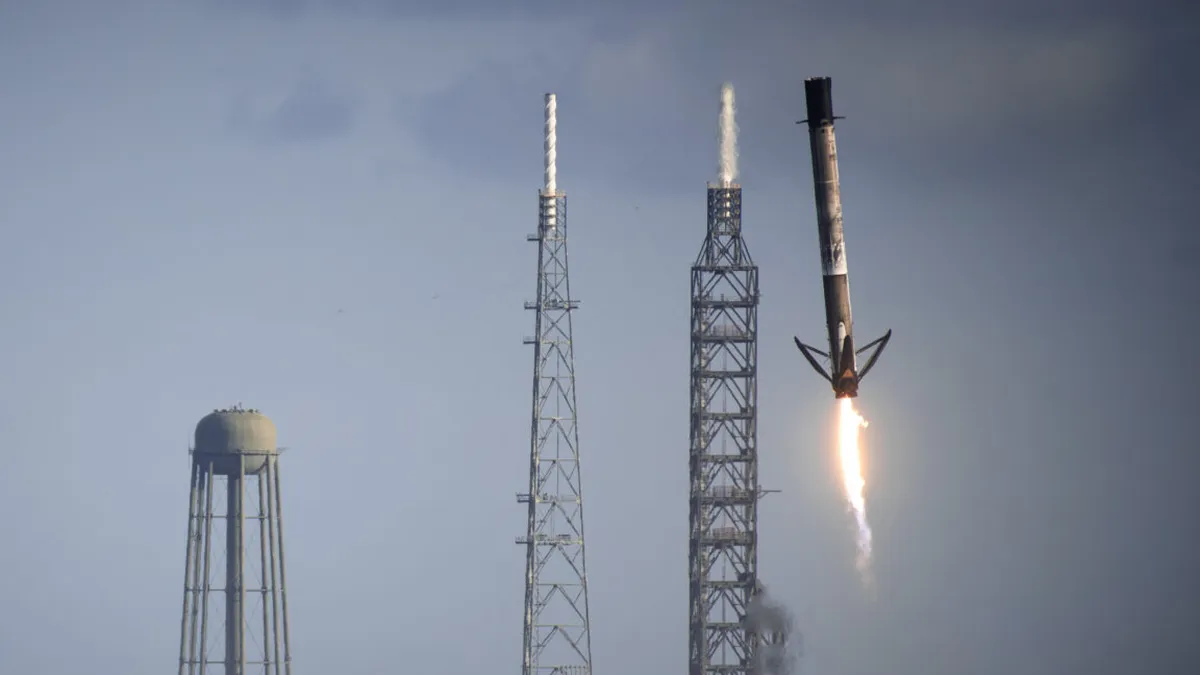
The landscape of space exploration is on the brink of a transformative shift as a new national space transportation policy has been signed by President Donald Trump. This ambitious plan, unveiled on August 21, 2026, aims not only to support the burgeoning commercial space industry but also to establish the United States as a preeminent force in space exploration and operations. With projections for over 1,000 launches and reentries annually by 2030, the policy outlines critical developments, including the establishment of new spaceports on federal land, enhanced infrastructure, and a focus on increased operational efficiency.
The policy marks a significant departure from the previous framework set in place by former President Barack Obama in 2013, reflecting the rapid advancements in the commercial space sector and the evolving demands for satellite communications, military surveillance, and data collection capabilities. At the heart of this initiative is a recognition that the U.S. must bolster its launch capabilities to meet the rising tide of both commercial and military needs.
The Launch Landscape: From 2013 to 2026
Since the inception of Obama’s policy, the U.S. launch sector has witnessed a remarkable transformation. In 2025 alone, there were 176 orbital launch attempts from American soil, a staggering increase compared to the mere 18 launches recorded in 2013. The rise of private companies, particularly SpaceX, has catalyzed this growth, with the company performing 165 of those launches using its Falcon 9 rocket, alongside five suborbital test flights of its ambitious Starship program.
This surge in activity underscores the urgent need for enhanced launch infrastructure. According to the new policy, the U.S. must expand its space transportation ranges to accommodate the projected increase in launch frequency. The memorandum articulates that the primary goal is to secure America’s continued superiority in space, emphasizing the importance of both governmental and private sector collaboration.
Infrastructure Investments: A Call to Action
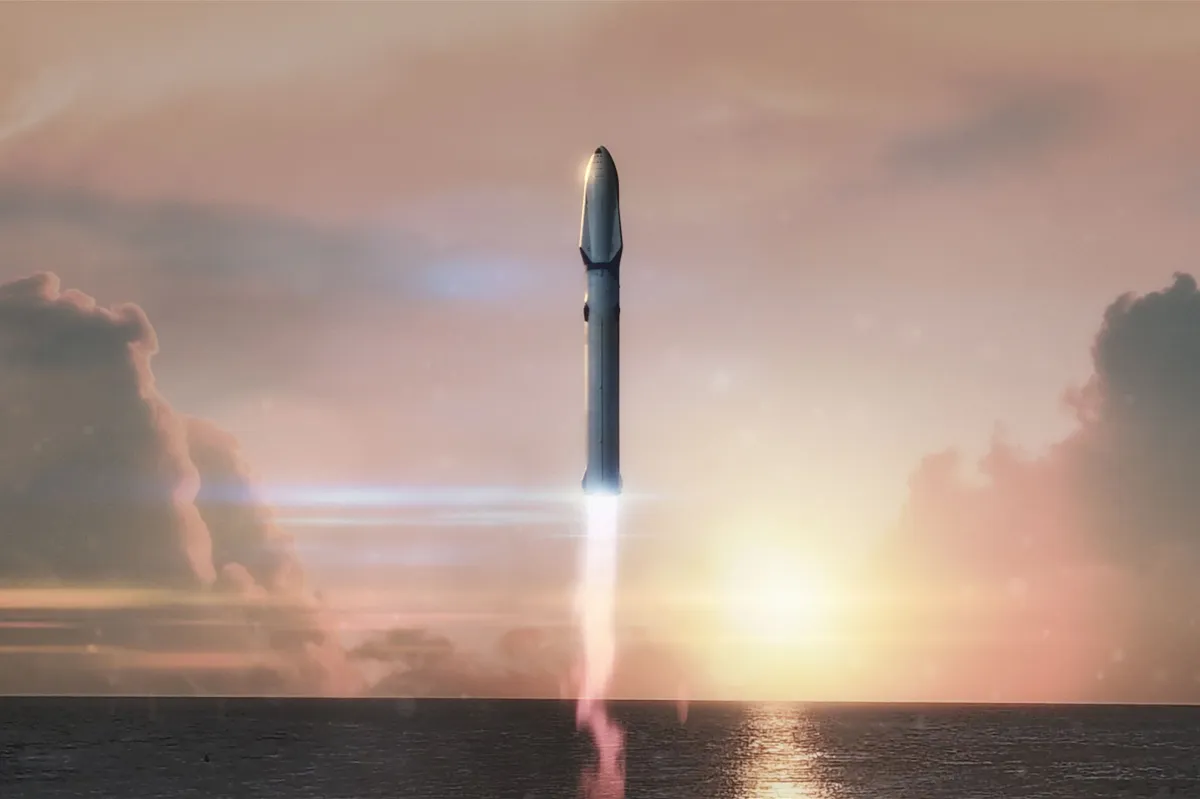
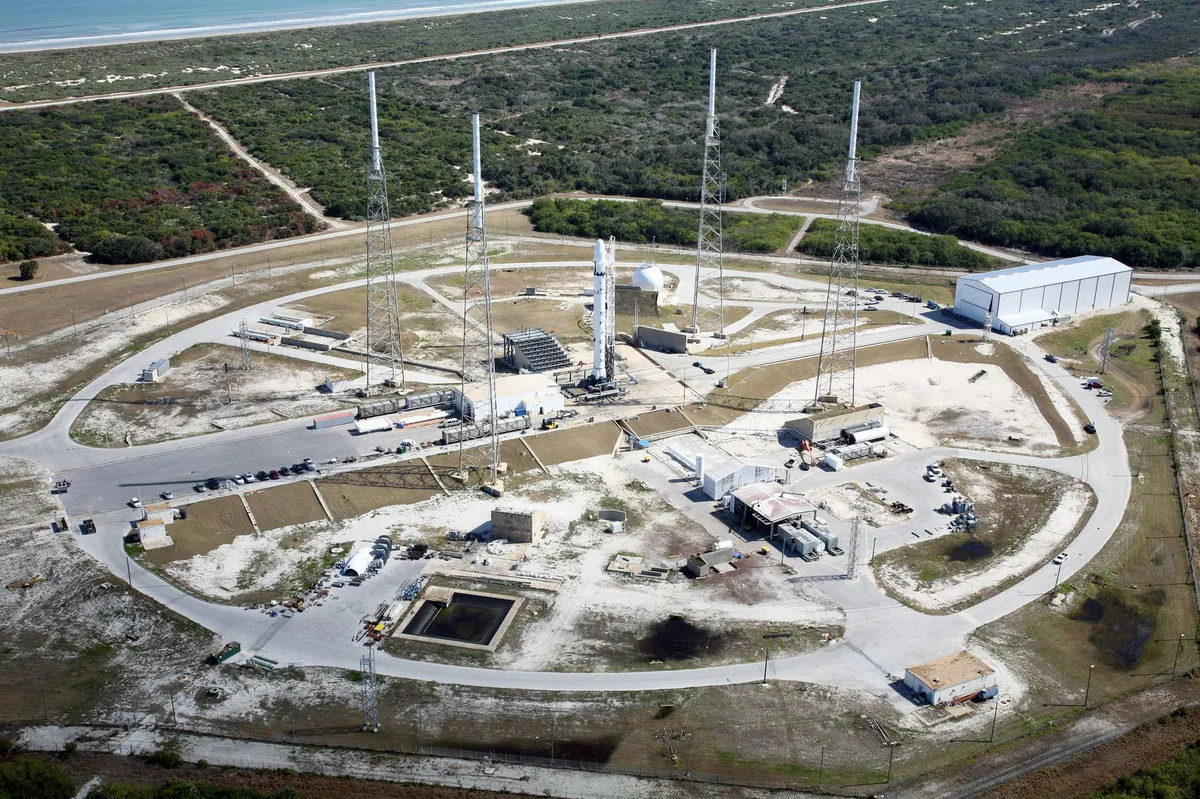
One of the most pivotal aspects of the new space transportation policy is the directive for the Pentagon and NASA to prioritize and coordinate infrastructure investments. The focus is on expanding launch and reentry capacity at federal spaceports, which include:
- Cape Canaveral Space Force Station, Florida
- Nasa’s Kennedy Space Center, Florida
- Vandenberg Space Force Base, California
- Nasa’s Wallops Flight Facility, Virginia
Currently, only the Florida and California facilities are equipped for heavy-lift launches, which are crucial for deploying larger payloads into orbit. The policy aims to streamline scheduling at these federally owned spaceports, balancing the needs of commercial users with governmental missions while ensuring transparency in launch resource allocation.
This new approach seeks to address the existing challenges where launch schedules are typically disclosed only days or weeks in advance. By advocating for regular publication of range schedules, the policy aims to optimize launch capacity and improve operational efficiency across all spaceports.
Exploring New Locations for Spaceports
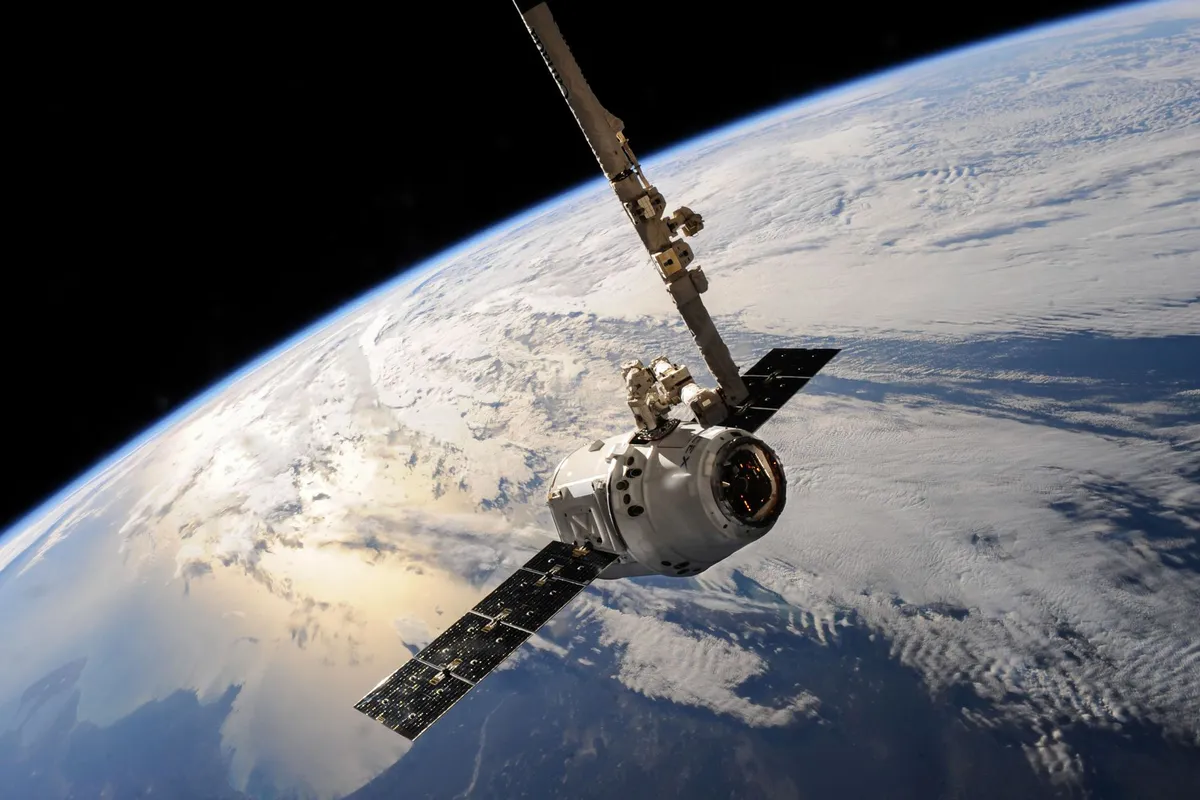
In a forward-thinking move, the policy also calls for the identification of additional federal lands to serve as potential launch and reentry sites. This aligns with recent discussions surrounding the use of submerged lands and abandoned offshore oil rigs for launching operations. The Department of the Interior is tasked with exploring these options, which could significantly expand the U.S. launch footprint.
Furthermore, the policy echoes findings from a Pentagon study that emphasizes the need for a third heavy-lift launch site to enhance geographic resiliency. As the demand for space operations grows, the Air Force has indicated that the current two launch sites may soon be insufficient to meet future requirements.
Responsive Launch Operations: The Future of Space Transport
In addition to expanding physical infrastructure, the new policy emphasizes the importance of responsive launch operations. The aim is to develop capabilities that allow for high-priority payloads to be launched into orbit within 48 hours of a request. This could potentially involve expeditionary locations that are not confined to traditional launch ranges, enhancing the U.S. military’s operational flexibility in space.
Companies like Rocket Lab and Astra are already pioneering portable launch infrastructure that could support these rapid response capabilities. This innovative approach aligns with the broader goals of the policy, which also supports NASA's ongoing work in commercial transportation to the Moon and future expeditions to Mars.
Commercial Collaboration and Fee Structures
To further stimulate the commercial space sector, the new policy includes provisions to facilitate increased access for commercial users at federal ranges. This includes expediting the permitting process and environmental reviews, which can often be significant hurdles for private companies looking to launch missions.
Moreover, the government plans to implement user fees for commercial launch companies operating from NASA and military spaceports. This move aims to create a sustainable funding model while ensuring that the growth of the commercial space industry does not impede government operations.
Key Takeaways
- New space transportation policy aims for over 1,000 launches annually by 2030.
- Infrastructure investments will be prioritized to enhance launch capacity and efficiency.
- Potential locations for new spaceports are being explored, including federal lands and offshore sites.
- Responsive launch operations are a key focus, allowing for rapid deployment of payloads.
- User fees will be introduced for commercial companies utilizing federal spaceports.
Frequently Asked Questions
What are the main objectives of the new space transportation policy?
The primary objectives of the new space transportation policy include expanding the U.S. launch capacity to meet a projected demand of over 1,000 launches per year by 2030, enhancing infrastructure at federal spaceports, and fostering collaboration between the government and commercial space sector. The policy also emphasizes the need for responsive launch capabilities and the identification of new launch sites to ensure geographic resiliency.
How will the policy impact commercial space companies?
The policy is expected to create a more favorable environment for commercial space companies by streamlining access to federal launch ranges, expediting permitting processes, and enhancing infrastructure to support increased launch frequency. However, the introduction of user fees for commercial launches at federal spaceports may present new financial considerations for these companies, necessitating strategic planning to navigate this aspect.
What role does geographic resiliency play in the new policy?
Geographic resiliency is a crucial element of the new policy as it recognizes the need for multiple launch sites to mitigate risks associated with over-reliance on a limited number of locations. By exploring additional launch sites, including offshore options, the policy aims to ensure that the U.S. can maintain its launch capabilities even in the face of potential disruptions at existing facilities.
Comments
Harnessing Thunder: A New Frontier in Seismic Imaging with Fiber-Optic Technology
Researchers at Penn State have developed a groundbreaking method to use thunderstorms and fiber-optic cabling for seismic imaging, revealing subsurface features with unprecedented clarity. This innovative approach promises to enhance our understanding of geological structures and improve infrastructure safety.

Related articles



Popular in Cloud Computing
- SK Hynix's Historic $26.5 Billion IPO: A New Era for Memory Chips
- Kubernetes and the Future of Desktop Infrastructure: A Paradigm Shift
- Amazon Expands Partnership with Nvidia, Tripling GPU Orders Amid AI Demand Surge
- Elon Musk's Evolving Relationship with Anthropic: A New Era for AI Hosting
- Emerging Rocket Launches: A New Era for Space Exploration