SpaceX's Lunar Legacy and Global Launch Landscape: A Comprehensive Overview
As SpaceX continues its pioneering work on lunar missions, the global launch landscape faces challenges and transformations, from Taiwan's setbacks to emerging competition in reusable rockets.

The race for space has never been more competitive, and at the forefront is SpaceX, making impactful strides in lunar exploration. Following the recent successful launch and subsequent lunar impact of a Falcon 9 upper stage, the company not only reinforces its reputation but also sets the stage for future missions, including aspirations to use its Starship rocket for more ambitious endeavors. However, the landscape is complex, with various players like Taiwan's National Chung-Shan Institute of Science and Technology facing setbacks in their satellite launcher program, and South Korea's Innospace grappling with consecutive failures. This article delves into the current state of the global launch market, highlighting the recent events that could reshape the future.
SpaceX and the Moon: A Historic Impact
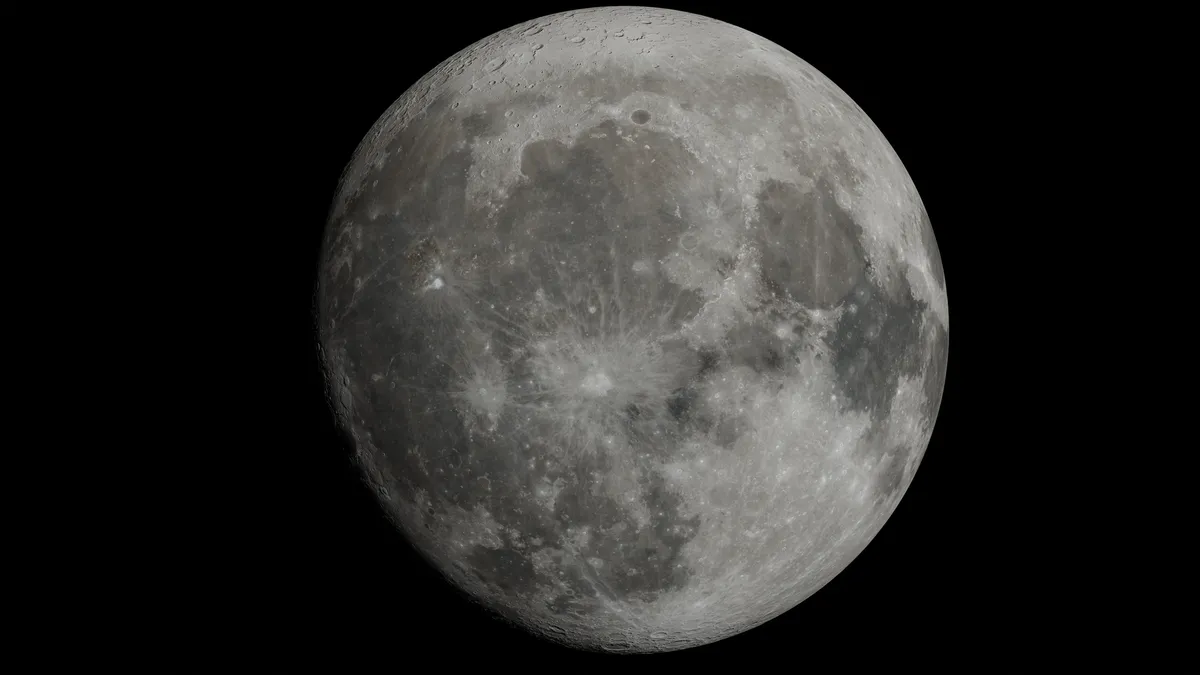
On August 5, 2026, NASA's Lunar Reconnaissance Orbiter captured a striking image of a newly formed crater on the Moon, a result of a Falcon 9 upper stage impact. This marks a significant milestone for SpaceX, showcasing its dual role as a leader in commercial space travel and a contributor to lunar exploration. As the company pivots to focus on its next-generation Starship, the implications for future missions are profound. The Falcon 9 has been a workhorse for SpaceX, providing reliable launches for a variety of payloads, but its days may be numbered as SpaceX aims to replace it with the more ambitious Starship.
Challenges in Taiwan's Satellite Launch Program
In stark contrast to SpaceX's achievements, Taiwan's military satellite launch program faced a significant setback this week. A prototype rocket developed by the National Chung-Shan Institute of Science and Technology (NCSIST) deviated from its intended trajectory shortly after liftoff, leading to the activation of its self-destruct mechanism. Fortunately, there were no injuries or damages reported, but the incident raises concerns about Taiwan's ambitions in developing its own satellite launch capabilities. This was the first test flight for a military satellite launcher, designed to place small payloads into low-Earth orbit using solid fuel technology.
The Broader Context of Taiwan's Space Ambitions
The government of Taiwan is keen to bolster its defense capabilities, evidenced by its investment in a military satellite launch program. Concurrently, the civilian Taiwan Space Agency is pursuing a liquid-fueled satellite launcher with plans for orbital missions in the early 2030s. This dual-track approach highlights Taiwan's commitment to developing a robust space presence, but recent failures underscore the challenges inherent in this endeavor.
Innospace's Struggles: A Second Consecutive Failure
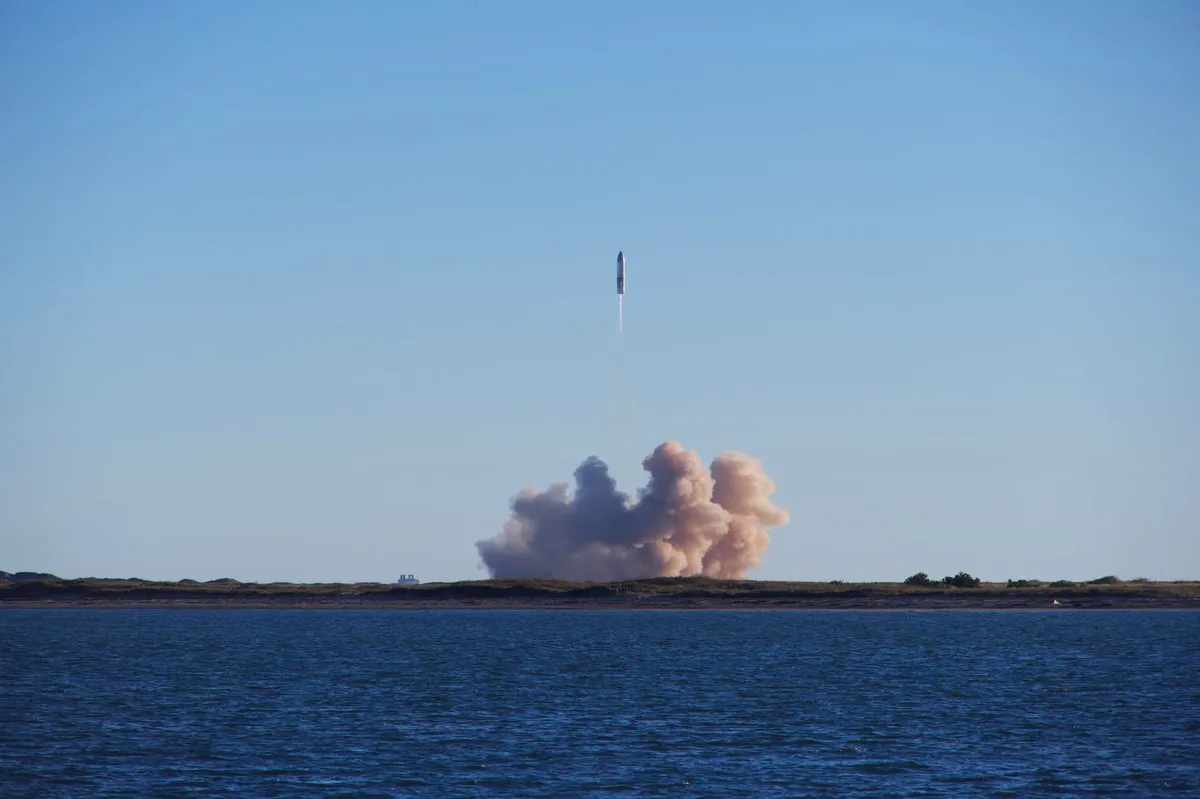
South Korea's Innospace, a burgeoning startup, faced its second failure this week when its Sebit suborbital rocket lost control shortly after liftoff from Brazil's Alcântara Space Center. Similar to the situation in Taiwan, the Brazilian Air Force had to activate the flight termination system to prevent a potential disaster. Innospace's statement emphasized the value of data collected during the test, even though the flight did not meet its objectives.
Understanding Innospace's Mission
Innospace aims to develop a multipurpose suborbital rocket capable of carrying payloads to an altitude of 100 kilometers, which is recognized as the boundary of space. The importance of such technology cannot be overstated, especially as the commercial satellite sector relies on affordable and reliable launch options. As the company navigates these setbacks, it highlights the inherent risks and complexities of entering the aerospace industry.

SpaceX's Future: Starship and Market Concerns
As SpaceX prepares to phase out the Falcon 9 in favor of the unproven Starship, concerns are growing within the commercial satellite industry about access to launch services. Industry experts have noted that SpaceX may prioritize its own payloads, particularly the lucrative Starlink satellites, over third-party launches. This has left many satellite operators anxious about their long-term plans, especially with indications that SpaceX may halt commercial launches by 2028.
Industry Implications
The potential retirement of the Falcon 9 means that satellite operators may have to seek alternative launch providers in the near future, a scenario that could disrupt ongoing projects and initiatives. With SpaceX historically dominating the launch market, these shifts could lead to increased costs and reduced options for companies seeking to place their satellites in orbit.
Geopolitical Tensions and Space Warfare
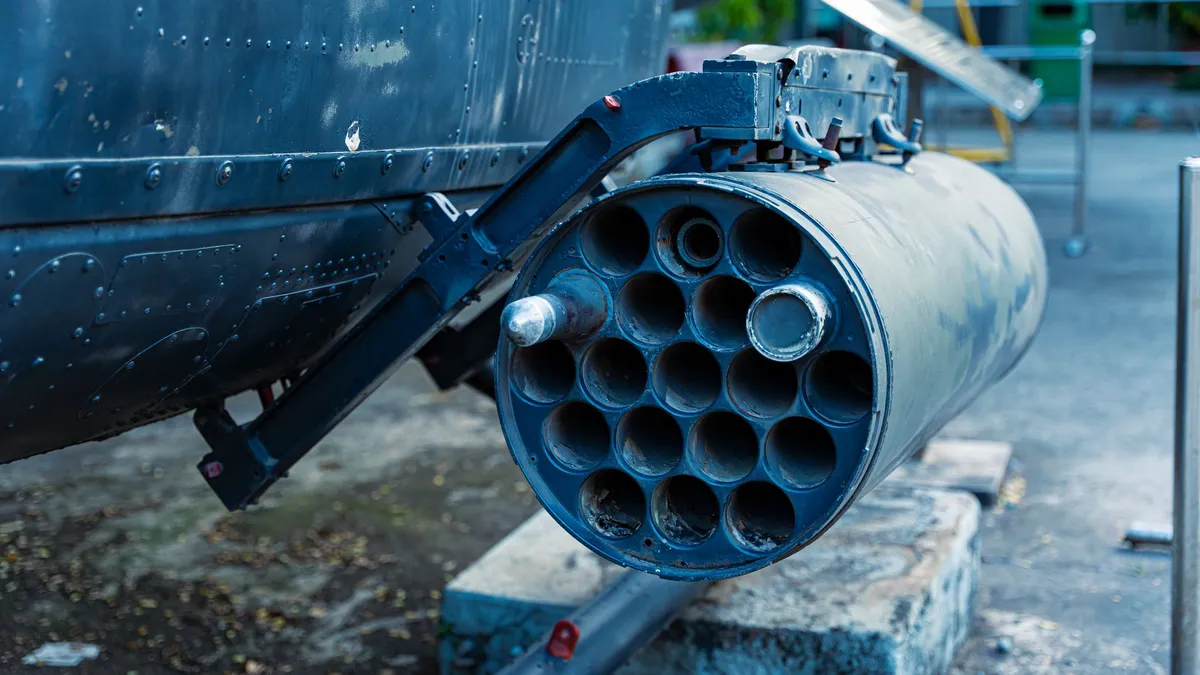
The geopolitical landscape continues to influence the aerospace sector, as evidenced by Ukraine's recent strike on Russia's Progress Rocket Space Center. This facility plays a pivotal role in the assembly of Russia's Soyuz rockets, which have been essential for both civil and military space missions. The implications of such an attack are profound, raising questions about the security and reliability of Russia's launch capabilities, which are critical for maintaining operations on the International Space Station.
The Impact on Global Space Activities
As tensions escalate, the future of international cooperation in space exploration hangs in the balance. The attack on a key manufacturing site signals the fragility of current space dynamics and could lead to increased militarization of space as countries prioritize national security over collaborative exploration efforts.
Emerging Competitors: China's Reusable Rockets
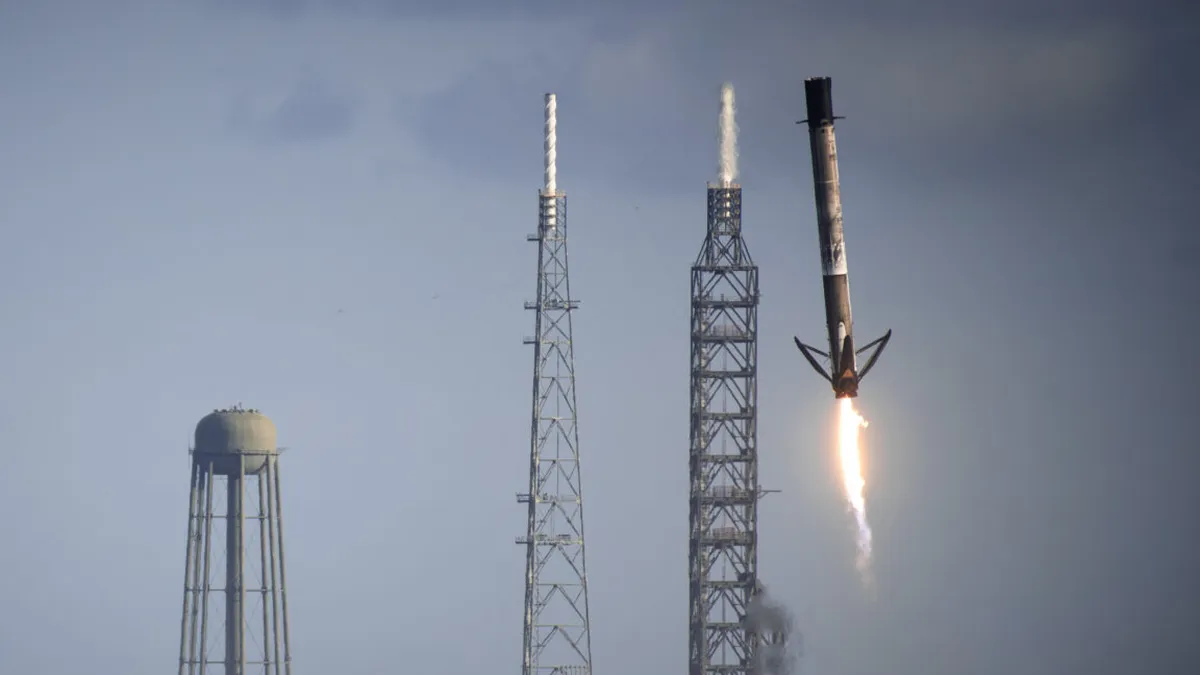
The global launch market is witnessing a shift as China makes strides in reusable rocket technology. Recently, LandSpace successfully launched its Zhuque-3 rocket, marking the second instance of a Chinese company recovering an orbital-class rocket booster. This achievement underscores China’s ambition to enhance its launch capabilities and compete with established players like SpaceX.
Understanding the Implications of Reusable Rockets
With the ability to recover and reuse rocket components, launch costs can be significantly reduced. Currently, the average cost to send a kilogram of payload to orbit in the United States is around $3,225, compared to much higher costs in other countries. The emergence of reusable rockets from China could alter the competitive landscape, providing new options for satellite operators and potentially reducing costs across the board.
Key Takeaways
- SpaceX's lunar impact highlights its leadership in commercial space and lunar exploration.
- Taiwan and South Korea face setbacks in their respective satellite launch programs, emphasizing the challenges of entering the aerospace sector.
- Concerns over Falcon 9's retirement could disrupt access to launch services for satellite operators.
- Geopolitical tensions impact the stability of global space activities, particularly with military engagements.
- China's advancements in reusable rockets signal a competitive shift in the global launch market.
Frequently Asked Questions
What is the significance of SpaceX's lunar missions?
SpaceX's lunar missions represent a critical advancement in commercial space exploration, showcasing its capacity to conduct complex missions and contribute to scientific research. The recent impact of a Falcon 9 upper stage on the Moon illustrates the company's commitment to pioneering space technology while paving the way for future missions, including potential crewed lunar landings.
What are the implications of Taiwan's satellite launch setbacks?
The setbacks experienced by Taiwan's satellite launch program could hinder the nation's ambitions to bolster its defense capabilities through independent satellite access. With the military and civilian sectors pursuing different launch technologies, the failure to successfully test prototypes could delay critical advancements in Taiwan's space capabilities, impacting national security and technological growth.
How might the retirement of Falcon 9 affect the commercial satellite industry?
The anticipated retirement of the Falcon 9 rocket raises concerns for the commercial satellite industry, as operators may face limited options for affordable and reliable launch services. With SpaceX potentially focusing on its own payloads, satellite operators may have to explore partnerships with alternative launch providers, which could lead to increased costs and logistical challenges.
What does China's reusable rocket technology mean for the future?
China's progress in reusable rocket technology signifies a potential shift in the global launch market, enabling lower costs and increased access for satellite operators. As more companies in China pursue reusable technology, the landscape could become more competitive, leading to greater innovation and efficiency in the aerospace sector.
Comments
Harnessing Thunder: A New Frontier in Seismic Imaging with Fiber-Optic Technology
Researchers at Penn State have developed a groundbreaking method to use thunderstorms and fiber-optic cabling for seismic imaging, revealing subsurface features with unprecedented clarity. This innovative approach promises to enhance our understanding of geological structures and improve infrastructure safety.

Related articles



Popular in Cloud Computing
- SK Hynix's Historic $26.5 Billion IPO: A New Era for Memory Chips
- Kubernetes and the Future of Desktop Infrastructure: A Paradigm Shift
- Amazon Expands Partnership with Nvidia, Tripling GPU Orders Amid AI Demand Surge
- Elon Musk's Evolving Relationship with Anthropic: A New Era for AI Hosting
- Emerging Rocket Launches: A New Era for Space Exploration