The Launch Crisis: How SpaceX's Strategy is Reshaping the Satellite Industry
The satellite launch market is facing a crisis as SpaceX shifts focus from the Falcon 9 to its Starship rocket. This transition raises concerns about availability and competition in the industry, which is already under pressure from geopolitical factors and supply chain delays.
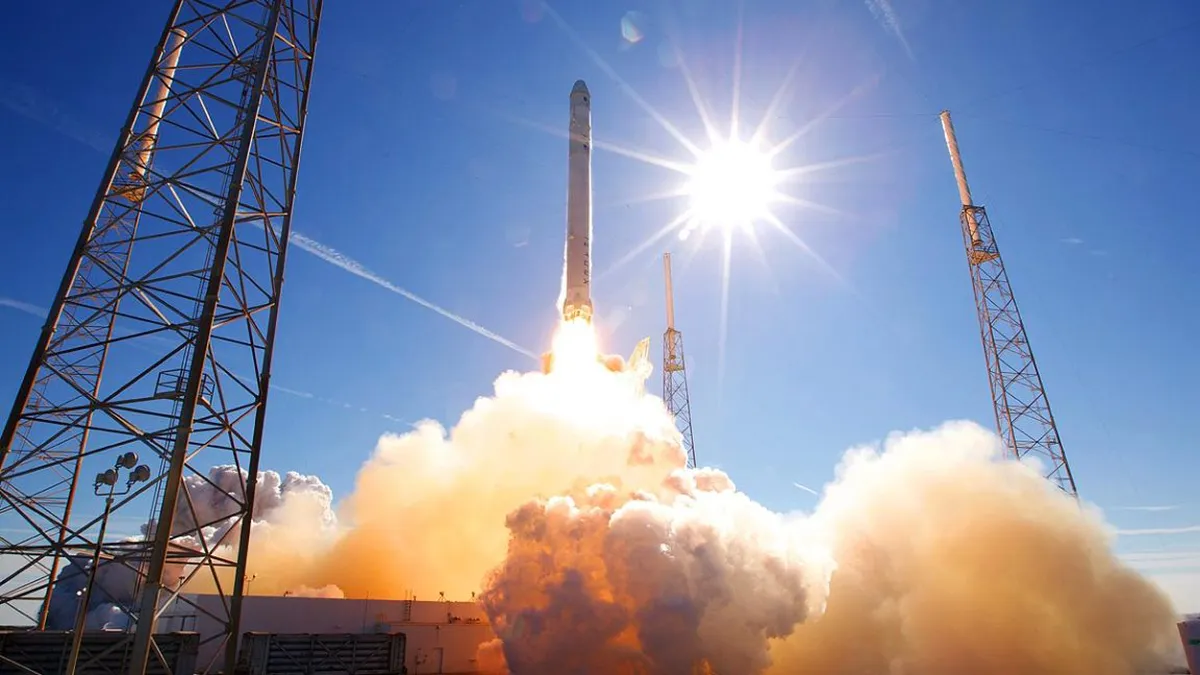
The satellite launch market is currently in a state of upheaval, and the driving force behind this turmoil is none other than SpaceX. As the company plans to shift its focus from the Falcon 9 rocket to its more ambitious Starship project, satellite operators are entering what industry experts describe as a "panic mode." With a growing number of satellites planned for launch and a dwindling number of reliable rockets, stakeholders are left grappling with the uncertainty of future launches and the very survival of their projects, leading to a crisis that could have far-reaching implications for the entire industry.
This situation is paradoxical. The past decade has witnessed an unprecedented boom in the launch industry, with launching capabilities tripling over the last ten years. In 2023 alone, an average of 270 orbital launches was recorded, an achievement that should indicate a thriving sector. However, the current reality is that access to these launches is becoming increasingly constrained, and the market is facing a bottleneck at a time when demand has never been higher.
The Current Landscape of Satellite Launches
Caleb Henry, the director of research at Quilty Space, reports a consistent and troubling message from satellite operators: they are struggling to secure launch opportunities. This sentiment is echoed across the board, with companies like Telesat — which has booked 11 Falcon 9 launches for its new satellite constellation — receiving inquiries from competitors seeking to share their launch slots. Furthermore, companies like Amazon have been forced to slow production of their Low Earth Orbit (LEO) satellites due to a lack of available launches, an issue that has been exacerbated by the broader geopolitical landscape.
According to the Commercial Space Federation, the demand for satellite launches is projected to soar, with expectations of thousands of annual launches in the next decade. Analysys Mason forecasts that more than 37,000 satellites will require launches between 2023 and 2033. In light of this burgeoning demand, the conversation has shifted from simply how many launch companies can survive in the U.S. market to which companies can effectively execute and deliver the required launches.
SpaceX's Shift from Falcon 9 to Starship
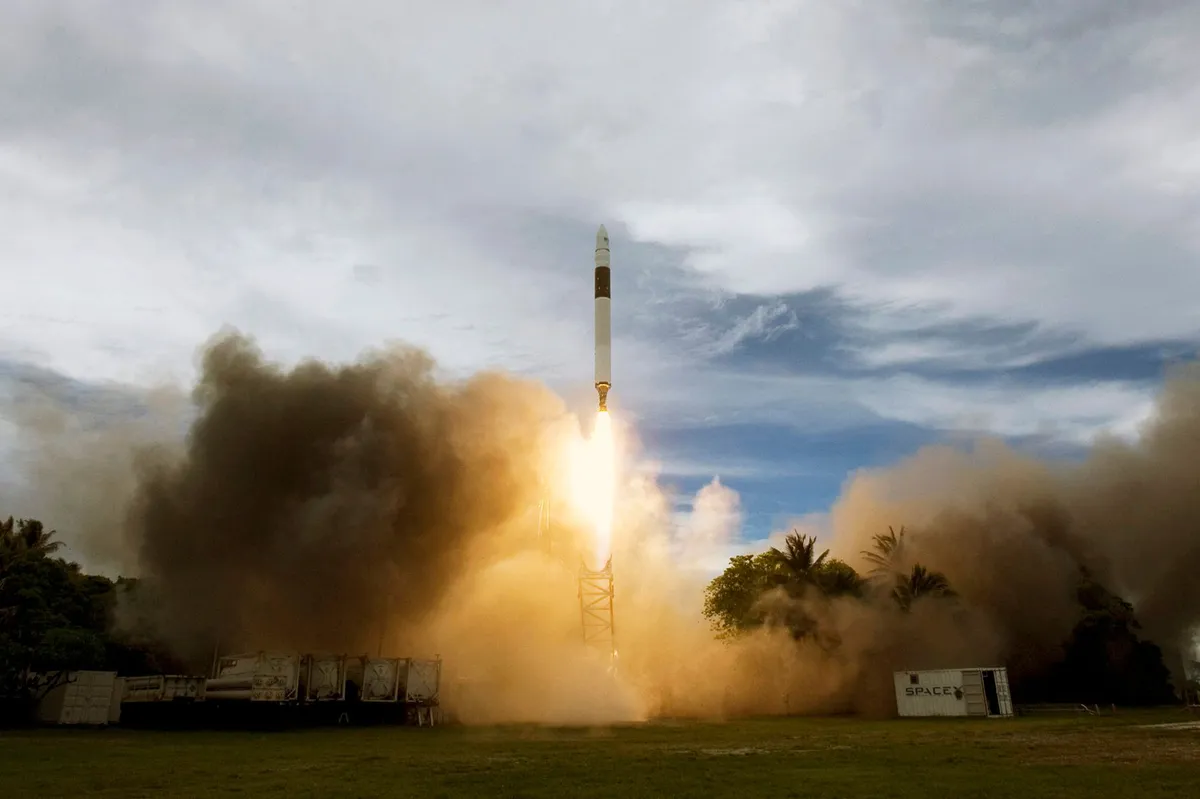
One of the most pressing concerns for satellite operators is SpaceX's strategic pivot away from the Falcon 9 rocket. Once considered the backbone of the commercial launch market, the Falcon 9 has been a crucial player in increasing launch availability. However, indications suggest that SpaceX is prioritizing its Starship rocket, which has a larger payload capacity and is designed for missions beyond Earth orbit.
This transition raises several concerns. SpaceX's focus on Starship could mean it will increasingly prioritize its own payloads, such as Starlink satellites, over commercial launch opportunities for third-party customers. Financial documents indicate that a significant portion of SpaceX's revenue comes from its Starlink service, amounting to $4.3 billion out of $7.8 billion reported in Q2 2026; only a fraction of that revenue comes from commercial launches. As these figures evolve, the implications for satellite operators are stark — they may find themselves competing for limited launch opportunities as SpaceX turns its attention inward.
The Future of Falcon 9 Operations
As of now, SpaceX has reportedly moved past its peak Falcon 9 operations, flying the rocket 165 times in 2022, with projections of a decrease in missions for 2023. Moreover, SpaceX's president, Gwynne Shotwell, has suggested that Falcon 9's operational lifespan could end as early as 2030, raising questions about the reliability of future launches for commercial satellite operators. Reports indicate that SpaceX may cease commercial launches after 2028, further complicating the launch landscape.
The Impact of the Ukraine Conflict
The geopolitical situation, particularly the ongoing conflict in Ukraine, has also severely impacted the launch market. The war has eliminated access to Russian rockets for Western countries, creating a vacuum that has forced companies such as OneWeb to turn to SpaceX for launch services after losing their Soyuz rockets. Meanwhile, European and American launch providers, including Arianespace and United Launch Alliance (ULA), have struggled to bring new rocket models online, further constraining capacity.
The transition to new launch vehicles like the Ariane 6 and ULA's Vulcan has been slower than anticipated, with neither vehicle achieving the necessary launch cadence to fulfill demand. The Ariane 6, which debuted in July 2024, is projected to produce only ten rockets per year — a fraction of what is needed to meet the global demand for launches.
Emerging Rockets and Future Competition
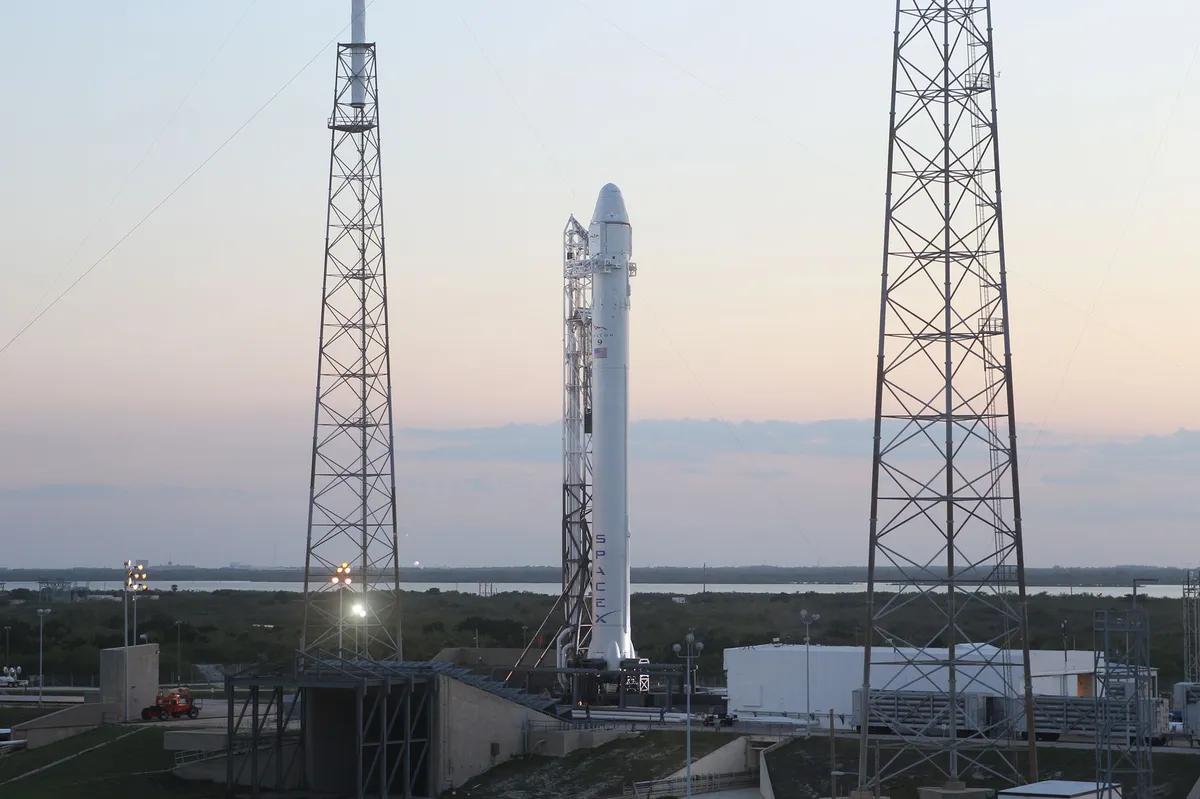
In addition to the established players like SpaceX and Arianespace, new contenders are attempting to enter the market. ULA's Vulcan and Blue Origin's New Glenn are both heavy-lift rockets that are expected to provide additional competition. However, both have faced significant delays and challenges in achieving a reliable launch schedule.
The Vulcan rocket has encountered technical difficulties with its solid rocket boosters, leading to missed milestones and growing frustration from military clients who have had to shift payloads to SpaceX. Meanwhile, New Glenn's launch schedule has been severely impacted by an explosion during a static fire test, which has delayed its maiden flight until at least 2027. As a result, the Western launch market remains heavily reliant on SpaceX's Falcon 9, with limited alternatives available in the near future.
Key Takeaways
- SpaceX's focus on Starship: The shift from Falcon 9 to Starship raises concerns for satellite operators about available launch opportunities.
- Increased demand for launches: Projections indicate a significant rise in satellite launches, with over 37,000 expected by 2033.
- Geopolitical challenges: The Ukraine conflict has disrupted access to Russian rockets, further complicating the launch landscape.
- Limited alternatives: New rockets like Vulcan and New Glenn are facing delays, keeping the industry heavily reliant on SpaceX.
- Urgent need for solutions: Satellite operators must consider alternative strategies and partnerships to secure launches in the evolving market.
Frequently Asked Questions
What is causing the current launch crisis in the satellite industry?
The current launch crisis is primarily due to SpaceX's strategic shift from the Falcon 9 rocket to its Starship project, which is expected to limit the availability of launches for commercial satellite operators. As demand for satellite launches surges, the reliance on SpaceX has left many companies struggling to secure timely launch opportunities.
How has the Ukraine conflict affected the satellite launch market?
The Ukraine conflict has resulted in the loss of access to Russian rockets for Western nations, creating a significant gap in the launch market. This has forced companies like OneWeb to turn to SpaceX for launch services, while European and American providers have faced delays in rolling out new rockets, further exacerbating the situation.
What alternatives are available for satellite operators in the current market?
While alternatives like ULA's Vulcan and Blue Origin's New Glenn are in development, both have encountered significant delays and challenges. As a result, satellite operators are largely dependent on SpaceX's Falcon 9 for their launch needs, with limited options available in the immediate future.
What should satellite operators do to address the launch crisis?
To navigate the current launch crisis, satellite operators should consider diversifying their launch strategies, exploring partnerships with emerging rocket developers, and actively engaging in discussions with regulatory bodies to advocate for increased launch opportunities. This proactive approach may help mitigate the risks associated with the evolving launch landscape.
Comments
Navigating the Skies: The Future of Electric Air Taxis
The electric air taxi sector is rapidly evolving, marked by significant mergers and acquisitions. Key players like Archer Aviation and Joby Aviation are redefining urban mobility, with implications for industries and consumers alike.

Related articles



Popular in Cloud Computing
- SK Hynix's Historic $26.5 Billion IPO: A New Era for Memory Chips
- Kubernetes and the Future of Desktop Infrastructure: A Paradigm Shift
- Amazon Expands Partnership with Nvidia, Tripling GPU Orders Amid AI Demand Surge
- Elon Musk's Evolving Relationship with Anthropic: A New Era for AI Hosting
- Emerging Rocket Launches: A New Era for Space Exploration