Navigating the Skies: The Future of Electric Air Taxis
The electric air taxi sector is rapidly evolving, marked by significant mergers and acquisitions. Key players like Archer Aviation and Joby Aviation are redefining urban mobility, with implications for industries and consumers alike.
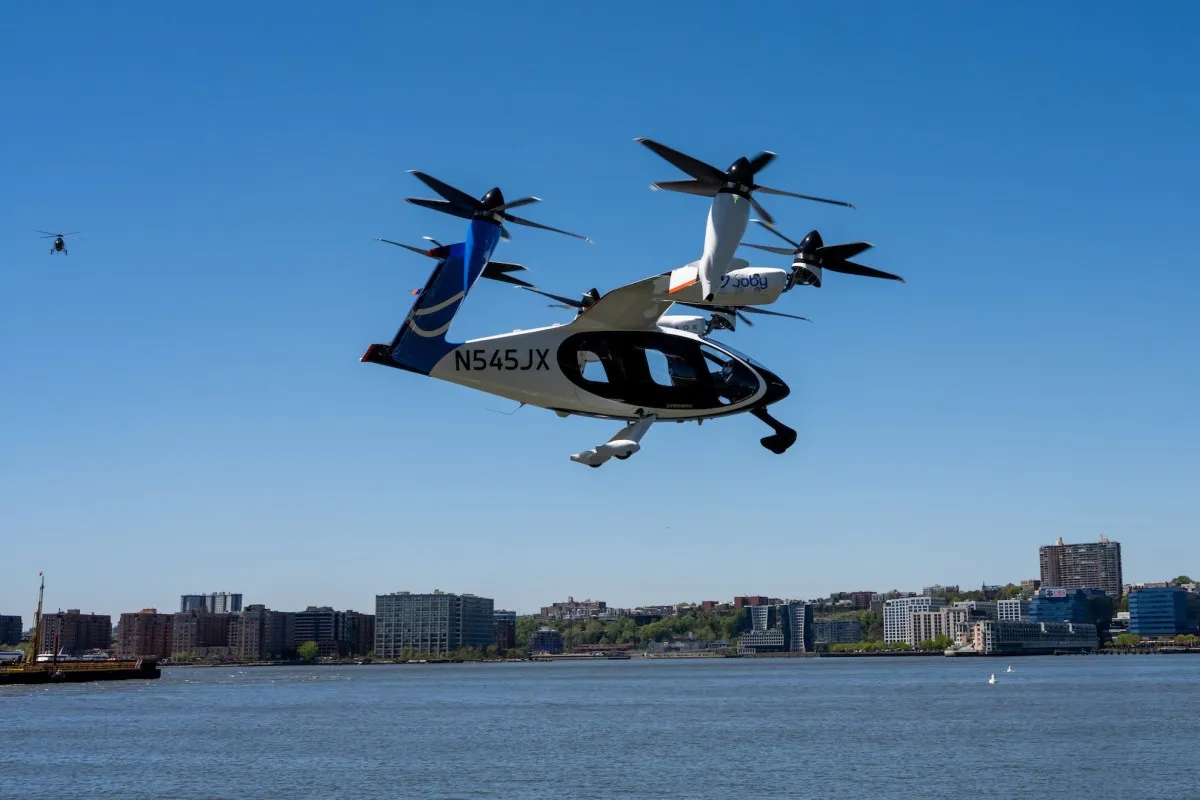
The landscape of urban air mobility is undergoing a transformative shift, with electric air taxis poised to redefine transportation in metropolitan areas. Recent developments from key players in the sector, such as Archer Aviation and Joby Aviation, are not just reshaping their own companies but also setting the stage for a new era in aviation. As these companies navigate complex regulatory environments and fierce competition, their strategies reveal much about the future of air travel.
One of the most notable events this week was Archer Aviation's acquisition of Wisk Aero, a move that underscores the ongoing consolidation in the electric vertical takeoff and landing (eVTOL) market. This merger not only enhances Archer's capabilities but also reflects a growing trend among eVTOL manufacturers to seek out partnerships and acquisitions as they strive for stability and profitability.
The Archer-Wisk Merger: A Game Changer
Archer’s acquisition of Wisk Aero marks a significant milestone in the eVTOL industry, especially considering the tumultuous history between the two companies. Wisk, which began as Kitty Hawk, was embroiled in a legal battle with Archer over allegations of intellectual property theft. This lawsuit, which lasted nearly two years, culminated in an unusual settlement that not only resolved the conflicts but also paved the way for collaboration between the two firms.
Key Highlights of the Acquisition:- Archer acquired Wisk Aero and two Boeing subsidiaries, SkyGrid and Insitu.
- Boeing now holds a 16.5% stake in Archer as part of the deal.
- The merger aims to streamline operations and enhance the development of urban air mobility solutions.
This strategic acquisition allows Archer to leverage Wisk’s technological advancements and operational expertise, positioning itself as a leader in the emerging eVTOL market. With urban congestion becoming a pressing issue, the integration of Wisk's capabilities could expedite Archer’s plans for commercial air taxi services.
Joby Aviation's Diversification into Defense
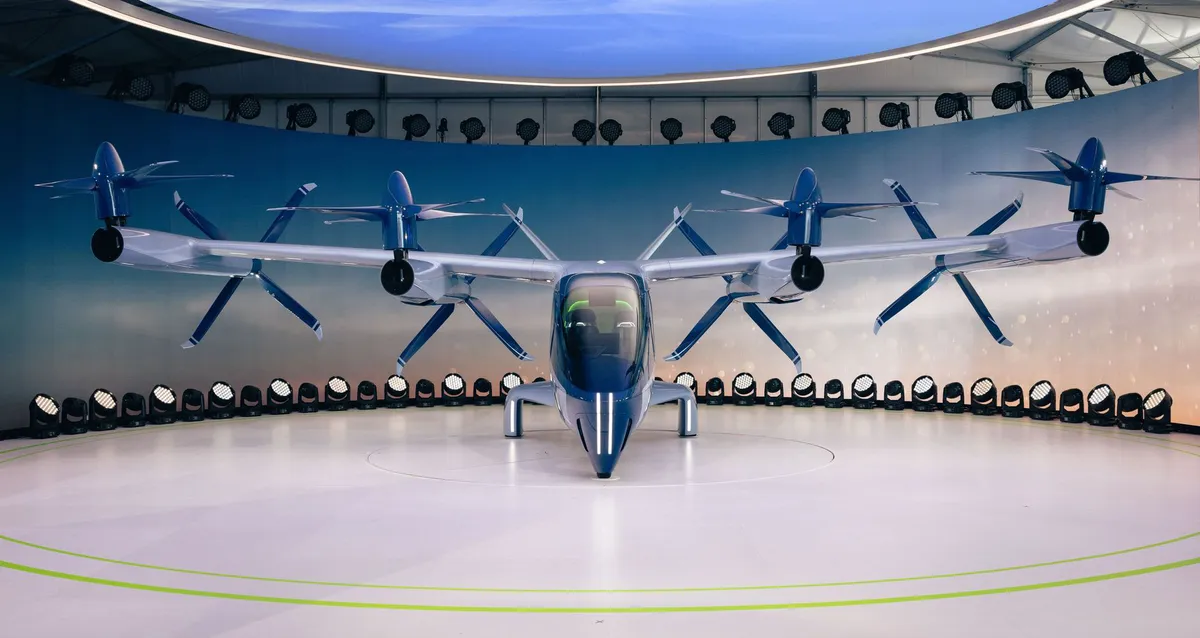
In a slightly different approach, Joby Aviation recently announced its acquisition of Resonant Sciences for $500 million. This move signifies Joby's intent to diversify its business model by tapping into the defense sector, while still maintaining its core focus on eVTOL aircraft for urban transport.
Why the Defense Sector?
The defense industry presents a lucrative opportunity for companies like Joby, which can apply their technology in new and innovative ways. Resonant Sciences specializes in radio frequency and sensor systems, which are critical components for advanced aviation technology. By establishing Joby Defense, the company aims to not only generate additional revenue but also to enhance its technological capabilities.
Joby’s expansion into the defense sector illustrates a growing trend among technology firms to seek revenue streams outside their traditional markets. As the demand for innovative defense solutions continues to rise, Joby is strategically positioning itself to capture a share of this market while continuing to develop its urban air mobility initiatives.
Uber's Strategic Shifts in Mobility
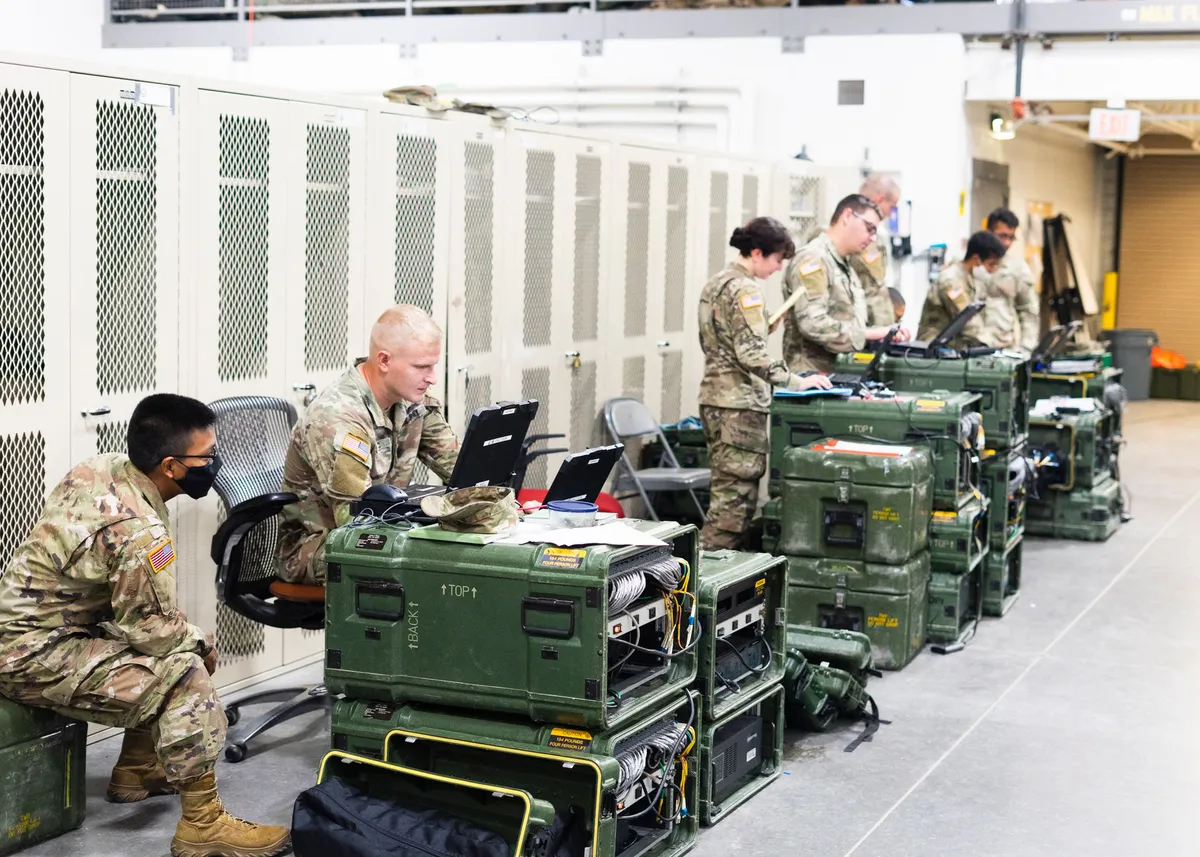
In a surprising turn of events, Uber has divested its stake in Serve Robotics, the autonomous delivery robot company that emerged from its infrastructure. This decision signifies a strategic pivot for Uber, which has been focused on solidifying partnerships in autonomous vehicle technology over the past few years.
The Implications of the Sell-Off
Uber's sell-off of Serve Robotics, reportedly without prior notice to the company, raises questions about its future plans. Despite maintaining a partnership that allows Serve's delivery robots to operate within the Uber Eats ecosystem until 2027, this move may indicate a broader strategy to refocus on its core ride-hailing business. The decision reflects a shift from diversification to consolidation, as Uber reassesses its investments in various mobility sectors.
As the company continues to adapt to the rapidly changing landscape of transportation, stakeholders will be keenly watching how these decisions impact its market position and overall business strategy.
Regulatory Challenges and Safety Considerations
While the advancements in eVTOL and autonomous delivery systems are promising, they are accompanied by significant regulatory hurdles. The Federal Aviation Administration (FAA) and other regulatory bodies are still grappling with the complexities of integrating these new technologies into existing air traffic systems. This is particularly critical for electric air taxis, which will need to adhere to stringent safety and operational regulations.
Building Trust and Safety Frameworks
Companies like Zoox are actively working on safety frameworks to reassure the public about the safety of autonomous technologies. With no federal mandates currently governing the operation of autonomous vehicles, establishing credible safety standards is essential for gaining consumer trust and regulatory approval.
As the market evolves, companies must prioritize transparency and accountability in their technological deployments. The success of eVTOL services will hinge not only on technological feasibility but also on public acceptance and regulatory compliance.
Key Takeaways
- The acquisition of Wisk Aero by Archer Aviation marks a significant consolidation in the eVTOL market.
- Joby Aviation's expansion into the defense sector represents a strategic diversification of its business model.
- Uber's divestment from Serve Robotics signals a shift in its focus back to core ride-hailing services.
- Regulatory challenges remain a critical barrier for the widespread adoption of electric air taxis and autonomous delivery systems.
Frequently Asked Questions
What are eVTOL aircraft?
Electric vertical takeoff and landing (eVTOL) aircraft are a class of aircraft that utilize electric propulsion systems to take off and land vertically. They are designed for urban air mobility applications, promising to reduce congestion and travel times in cities. Companies like Archer and Joby are at the forefront of this technology, developing aircraft that can serve as air taxis for short-distance urban travel.
How does the regulatory process affect the eVTOL industry?
The regulatory process is critical for the eVTOL industry as it determines the safety standards and operational guidelines that manufacturers must adhere to. Agencies like the FAA are tasked with ensuring that these new technologies are safe for public use. The length and complexity of this regulatory process can significantly impact the timeline for commercial deployment, making it a crucial factor for companies operating in this space.
What is the significance of Joby Aviation's move into defense?
Joby Aviation's acquisition of Resonant Sciences and its establishment of Joby Defense illustrates a strategic pivot towards diversification. By entering the defense sector, Joby not only seeks to create new revenue streams but also aims to leverage its technological advancements in new applications. This move highlights a trend among tech firms to explore opportunities beyond their primary markets, particularly as defense needs evolve.
How will consumer acceptance impact eVTOL services?
Consumer acceptance will play a crucial role in the success of eVTOL services. Factors such as perceived safety, reliability, and cost will influence how quickly and widely these services are adopted. Companies must prioritize building trust through transparency and effective safety measures to gain public confidence in using air taxis for everyday transportation.
Comments
The Launch Crisis: How SpaceX's Strategy is Reshaping the Satellite Industry
The satellite launch market is facing a crisis as SpaceX shifts focus from the Falcon 9 to its Starship rocket. This transition raises concerns about availability and competition in the industry, which is already under pressure from geopolitical factors and supply chain delays.

Related articles


Popular in Cloud Computing
- SK Hynix's Historic $26.5 Billion IPO: A New Era for Memory Chips
- Kubernetes and the Future of Desktop Infrastructure: A Paradigm Shift
- Amazon Expands Partnership with Nvidia, Tripling GPU Orders Amid AI Demand Surge
- Elon Musk's Evolving Relationship with Anthropic: A New Era for AI Hosting
- Emerging Rocket Launches: A New Era for Space Exploration