The Surge of Solar: New Power Plants Transforming the U.S. Energy Landscape
The first half of 2026 marked a significant shift in the U.S. energy sector, with a surge in utility-scale solar and battery projects. This article explores the implications of this trend on energy production, environmental sustainability, and future investments.
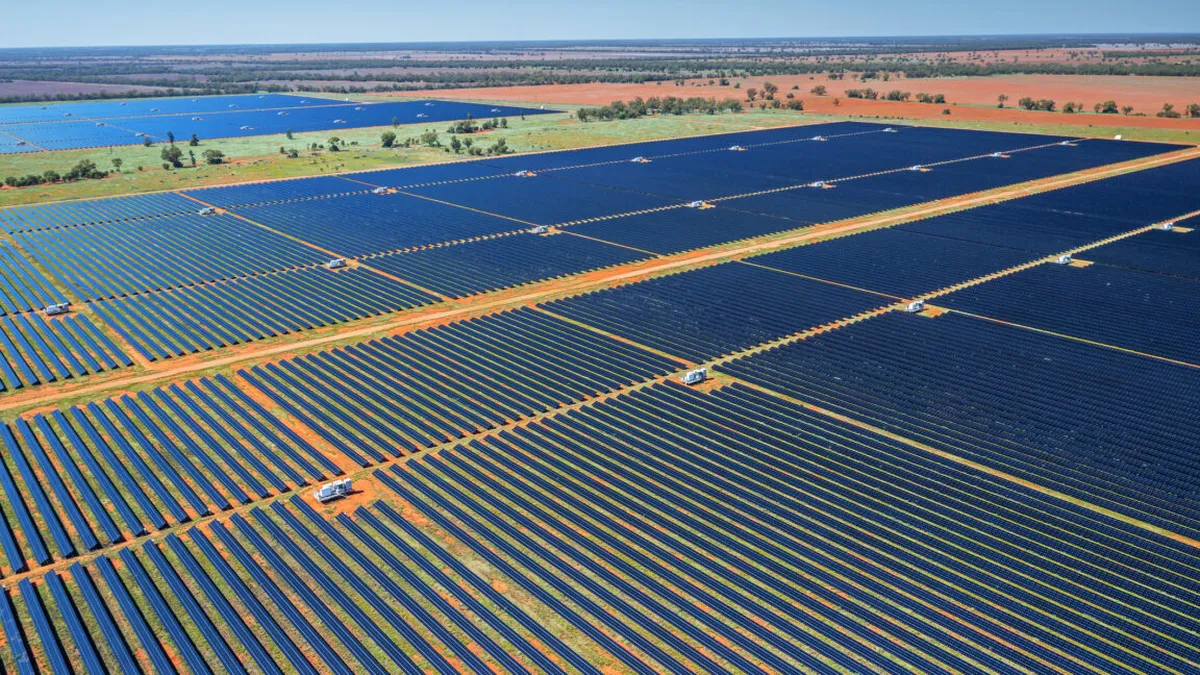
As the U.S. navigates its energy transition, the first half of 2026 has revealed a remarkable surge in the construction of new power plants, especially within the renewable sector. With the U.S. Energy Information Administration (EIA) reporting a staggering 368 utility-scale power plants coming online from January to June, the landscape of energy production is evolving rapidly. The most notable trend? A remarkable dominance of utility-scale solar, which is reshaping the energy market and setting the stage for a more sustainable future.
This article delves deeper into the numbers, the technologies, and the implications of this surge, providing insight into how utility-scale solar and battery projects are not just leading the charge but also redefining energy policies, market dynamics, and environmental impacts across the nation.
Utility-Scale Solar: Leading the Charge
The EIA's report uncovers a dominant narrative: utility-scale solar energy projects have taken the lead in new power generation, contributing a remarkable 11,458 megawatts of new capacity. This surge was largely driven by the completion of smaller and mid-sized solar projects, which have proven easier to build and more diverse in site selection compared to larger installations.
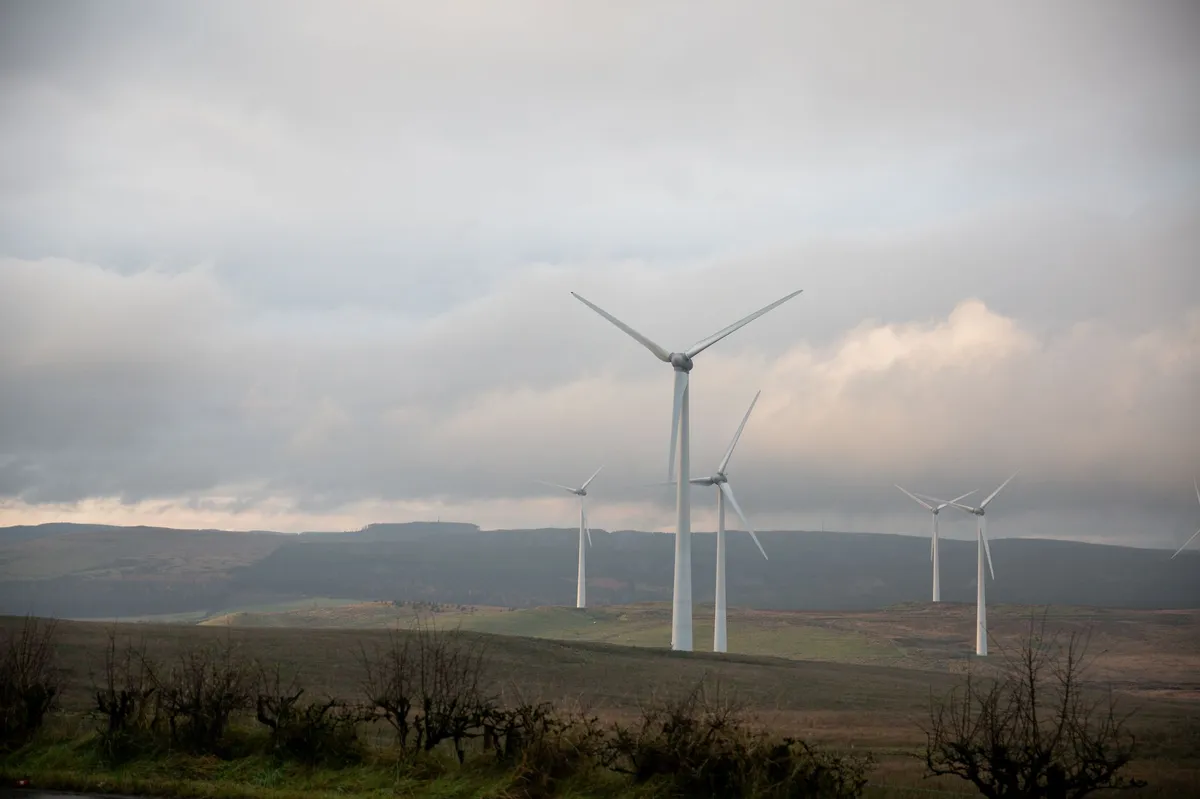
Among the most significant newly operational plants are the SunZia Wind South and SunZia Wind North in New Mexico, the largest wind farms in the U.S. These projects, with a combined capacity of 3,650 megawatts, highlight the ongoing challenges of onshore wind development amid changing regulations and public sentiment. While this represents a significant milestone, it is essential to realize that these projects do not forecast a new boom in onshore wind energy but rather echo past successes. In contrast, utility-scale solar and battery systems are emerging as the true workhorses of the current energy landscape.
Battery Storage: The Essential Companion
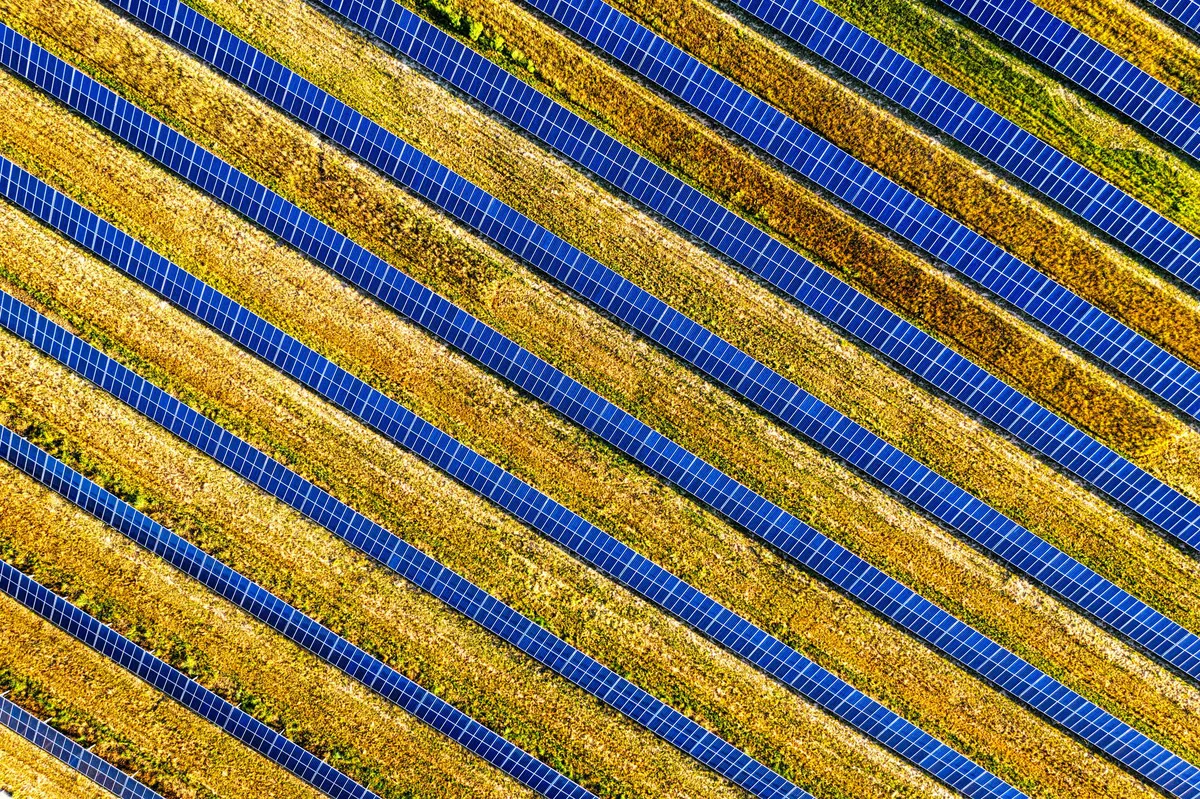
Battery storage is rapidly becoming a critical component of the renewable energy landscape, with 8,207 megawatts of new battery capacity added in the first half of 2026. This growth is not merely coincidental; it is a strategic response to the intermittency of solar energy production. As solar panels generate electricity primarily during daylight hours, battery storage systems enable this energy to be stored and utilized during peak demand times or when solar generation is low.
In fact, the Green River Energy Center in Utah exemplifies this trend, featuring an innovative combination of 400 megawatts of solar and 400 megawatts of battery storage. Such hybrid projects represent the future of energy generation, where solar and battery technology work in tandem to create a reliable and sustainable power supply.
The Natural Gas Landscape: A Different Story
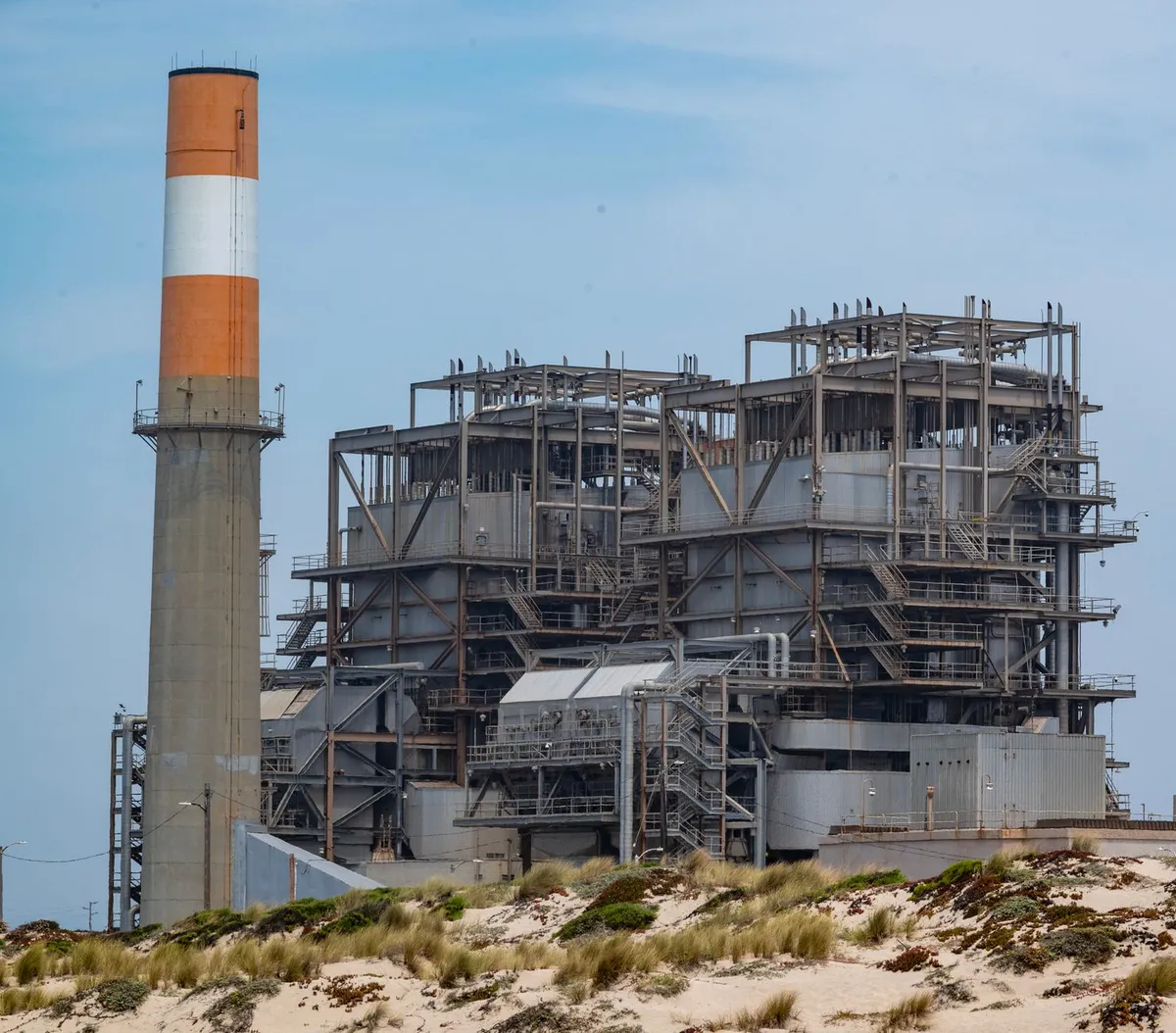
While the renewable sector is thriving, natural gas projects are also making their mark, albeit at a much slower pace. The Trumbull Energy Center in Ohio, a 900-megawatt combined-cycle natural gas plant, stands as a testament to the ongoing investment in natural gas power. However, the numbers reveal a stark contrast: only 22 natural gas combustion turbines and 21 internal combustion engines were completed in the first half of the year.
This trend reflects a broader market reality; many gas plants are designed to operate only during peak demand periods, which may lead to a perceived lull in new natural gas capacity. Analysts predict that a significant influx of new gas plants will not be realized until later in the decade, as demand grows and infrastructure investments ramp up.
Regional Trends in Power Generation
A closer look at where these new power plants are being built reveals significant regional disparities. Texas, New Mexico, and Arizona account for nearly half of the new generating capacity coming online. In Texas, the mix leans heavily towards battery and natural gas projects, with 3,067 megawatts of new battery capacity leading the charge, followed by 2,311 megawatts of utility-scale solar.
Texas has established policies that prioritize gas and battery plant construction, aimed at enhancing grid reliability during high-demand periods. Interestingly, despite its status as the leader in onshore wind energy, Texas did not bring any new wind projects online in the first half of the year, illustrating the challenges faced by the wind sector in the current regulatory environment.
Illinois and California: Policy-Driven Growth
Illinois has emerged as a leader in the number of new utility-scale solar projects, with 36 projects completed, followed closely by California and Texas. However, Illinois' projects tend to be smaller in scale, which explains their numerical dominance without significant contributions to overall capacity. This growth can be attributed to state policies that encourage the development of small and medium-sized solar projects, demonstrating the impact of regulatory frameworks on energy generation.
Future Outlook: What Lies Ahead?
The future of energy in the U.S. is poised for further transformation. The EIA's list of planned power plants indicates that the utility-scale solar boom is likely to persist, while the final years of this decade may witness a resurgence in natural gas power as new projects come online. However, the exact scale of these developments remains uncertain, influenced by factors such as fluctuating electricity demand and the potential impact of emerging technologies like AI data centers.
For industry stakeholders, the key takeaway is to remain vigilant and adaptable, as the energy landscape continues to evolve. With the current focus on solar and battery projects, investment strategies should align with these trends, ensuring that stakeholders are well-positioned for future growth.
Key Takeaways
- Utility-scale solar leads the new power generation landscape, adding over 11,000 megawatts of capacity.
- Battery storage is critical for enhancing the reliability of solar power, with over 8,200 megawatts added.
- Natural gas projects are lagging behind, with significant new capacity unlikely until later in the decade.
- Regional trends show a concentration of new capacity in Texas, New Mexico, and Arizona, highlighting the importance of state policies.
- Future growth is likely to remain aligned with utility-scale solar and battery technologies.
Frequently Asked Questions
What are utility-scale solar projects?
Utility-scale solar projects are large-scale solar power installations that generate electricity for sale to utility companies, rather than for individual homeowner use. These projects are typically measured in megawatts (MW) and are designed to supply significant amounts of power to the grid, contributing to the overall energy mix of a region. They often involve large solar farms or installations that can produce electricity on a scale that supports thousands of homes.
How do battery storage systems work?
Battery storage systems store excess electricity generated by renewable sources, such as solar and wind, for use during periods when generation is low or demand is high. These systems convert electrical energy into chemical energy for storage and then convert it back into electrical energy for use when needed. This capability allows for a more reliable energy supply and helps to balance the intermittency of renewable energy generation, making them essential for integrating renewable sources into the grid.
What is the role of natural gas in the current energy landscape?
Natural gas plays a significant role in the current U.S. energy landscape as a transition fuel. While it is a fossil fuel, it emits significantly less carbon dioxide compared to coal when burned for electricity generation. Natural gas plants are often used to provide backup power during peak demand periods and can quickly ramp up production when needed. However, the growth of natural gas capacity has slowed in recent years, and its future role will depend on how quickly renewable energy technologies can scale and meet demand.
How do state policies impact renewable energy development?
State policies have a profound influence on renewable energy development through incentives, regulations, and support for specific technologies. For example, states may offer tax credits, grants, or streamlined permitting processes for renewable projects, encouraging investment and growth. Conversely, unfavorable regulations or lack of incentives can hinder project development. The differences in state policies can lead to significant variances in the pace and scale of renewable energy projects across the country, as evidenced by the varying success of solar and wind projects in different states.
Comments
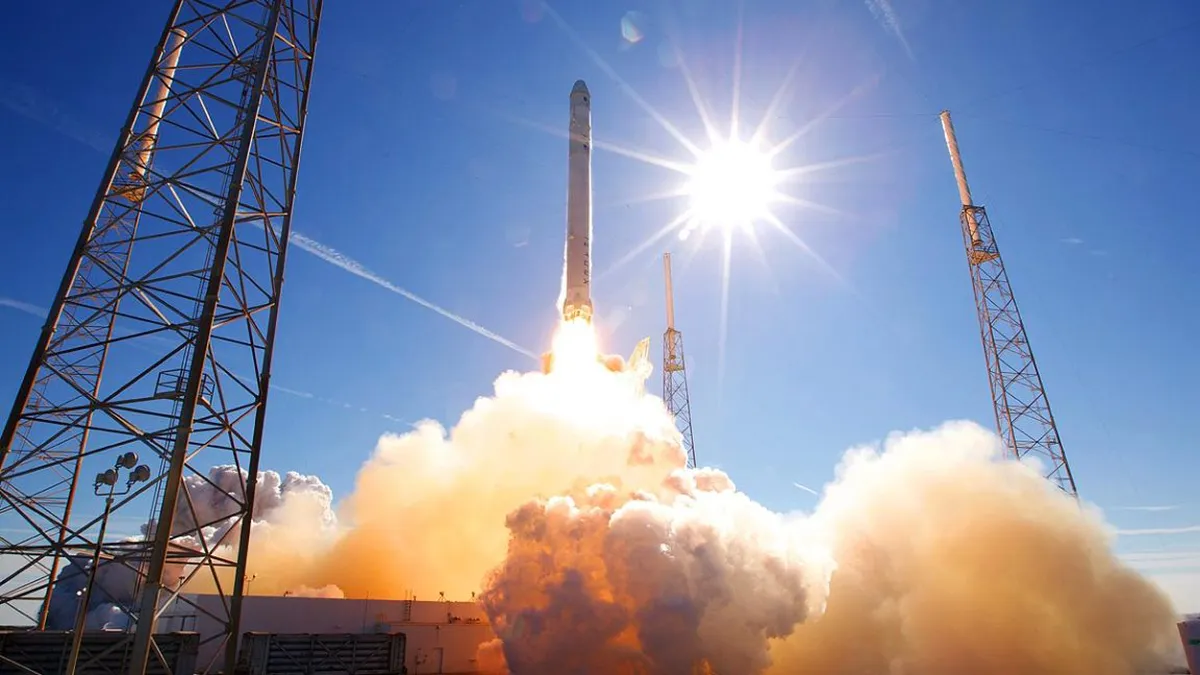
The Launch Crisis: How SpaceX's Strategy is Reshaping the Satellite Industry
The satellite launch market is facing a crisis as SpaceX shifts focus from the Falcon 9 to its Starship rocket. This transition raises concerns about availability and competition in the industry, which is already under pressure from geopolitical factors and supply chain delays.
Related articles



Popular in Cloud Computing
- SK Hynix's Historic $26.5 Billion IPO: A New Era for Memory Chips
- Kubernetes and the Future of Desktop Infrastructure: A Paradigm Shift
- Amazon Expands Partnership with Nvidia, Tripling GPU Orders Amid AI Demand Surge
- Elon Musk's Evolving Relationship with Anthropic: A New Era for AI Hosting
- Emerging Rocket Launches: A New Era for Space Exploration