Hyperscalers' Natural Gas Gamble: A Risky Bet for the Future
As major tech companies increasingly turn to natural gas to fuel their data centers, a new report raises concerns about the long-term viability of this energy source. With prices expected to rise, hyperscalers may face unforeseen challenges in their ambitious AI-driven projects.
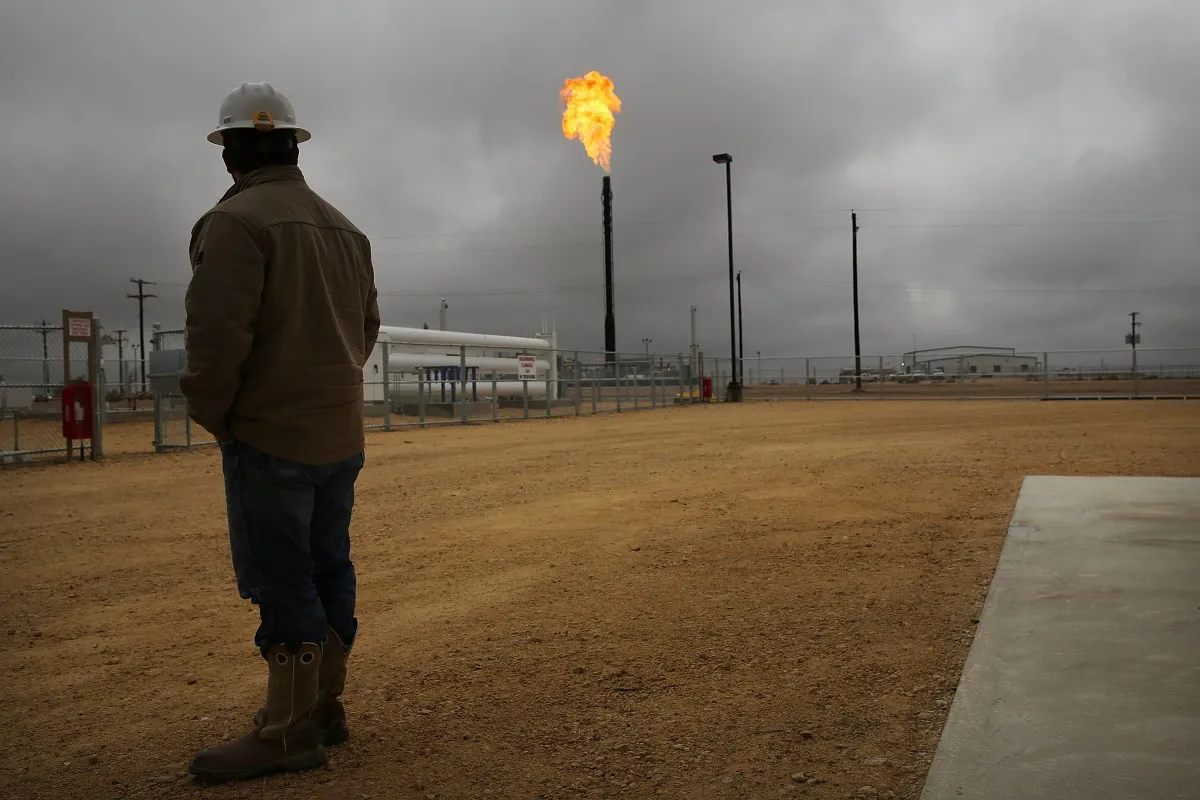
In a landscape dominated by an insatiable demand for artificial intelligence (AI) and data processing, major tech companies—known as hyperscalers—are making substantial investments in natural gas as a power source for their sprawling data centers. Companies like Amazon, Google, Meta, and Microsoft are banking on natural gas to fuel their ambitions, but a recent report warns that they might be courting disaster. As demand for natural gas surges and supply growth stagnates, prices could triple in certain regions of the U.S., leading to potential complications that these tech giants may not have fully anticipated.
The report from Noreva, an energy research firm, outlines a worrying forecast for the future of natural gas pricing. Peter Gardett, CEO of Noreva, highlights that the current perception of low gas prices might be misleading. “I think everyone in the energy markets has been lulled into a sense that gas prices can’t go up,” Gardett stated. This complacency could be shattered as the energy landscape shifts, driven by increasing global demand and a tightening supply chain.
The Hyperscalers’ Rush to Natural Gas
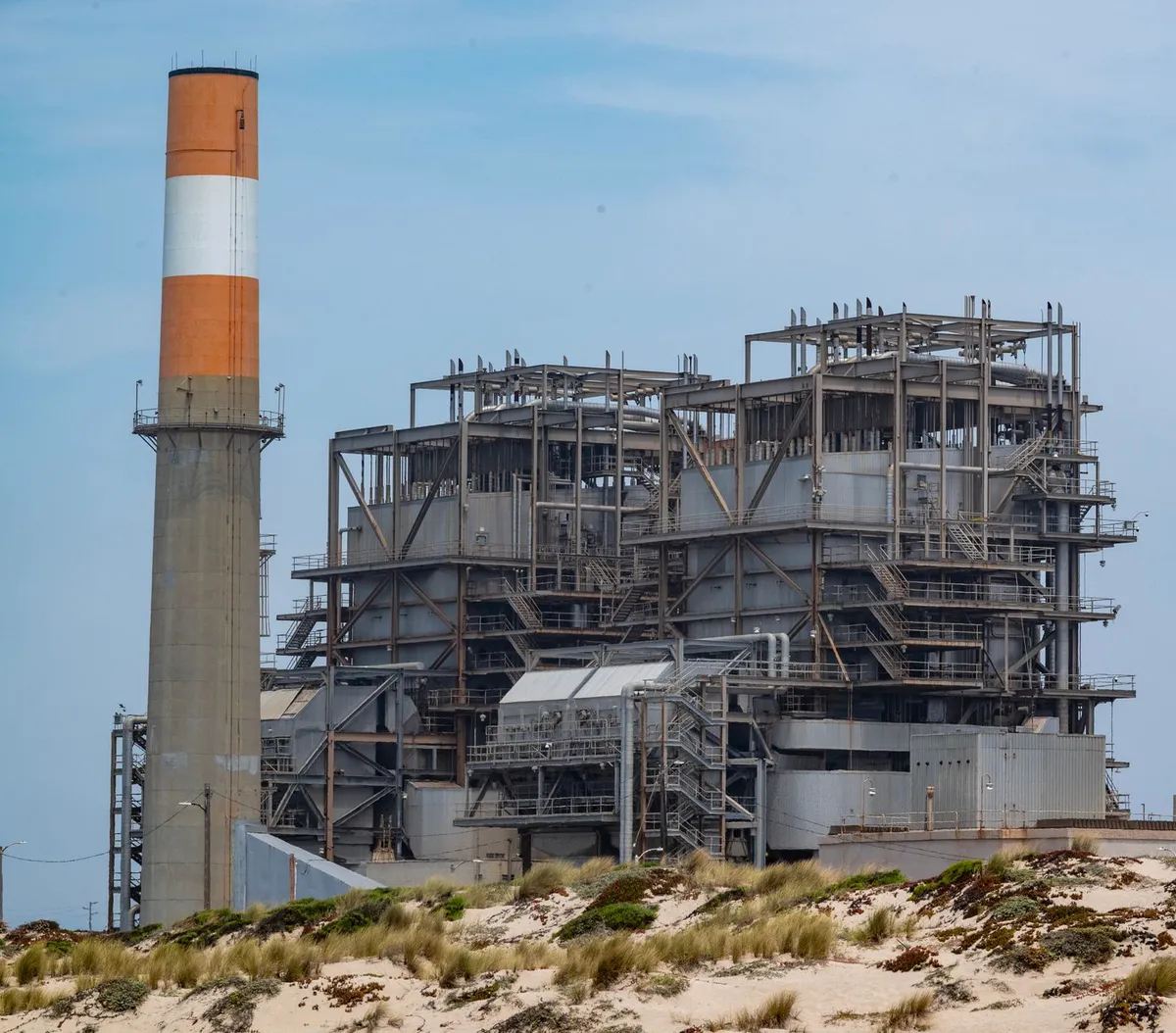
In a strategic pivot towards what they see as a more stable energy source, hyperscalers have made significant commitments to natural gas infrastructure. For instance, Meta plans to develop a massive 7.5-gigawatt natural gas power plant in Louisiana, aiming to support its Hyperion data center. Similarly, Microsoft and Google are investing in their own gigawatt-scale gas power plants in Texas, while Amazon is set to build a 7.6-gigawatt facility in the same state. This shift marks a notable departure from their previous focus on renewable energy sources like wind and solar, reflecting the urgency to meet skyrocketing energy demands.
The Financial Implications
The financial stakes are enormous. Currently, natural gas prices range from $2 to $4.50 per million British thermal units (BTUs), with the Henry Hub in Louisiana hovering just under $3. However, projections indicate that prices could soar above $10 per million BTUs in certain hubs. Given that fuel costs comprise approximately half of the operating expenses for large power plants, a steep rise in natural gas prices would dramatically inflate the operating costs of AI data centers.
For hyperscalers, this could translate into higher operational costs, with potential ripple effects on pricing for end-users. Should these companies decide to pass on the increased expenses to consumers, it might lead to higher costs for AI services and applications.
Market Dynamics at Play
The shift in the natural gas market is influenced by several factors. Historically, West Texas has produced natural gas as a byproduct of oil extraction, with limited infrastructure to transport it. As new pipelines connect this region to national and international markets, the dynamics are changing. Gardett explains that demand for natural gas will become more interconnected with global markets, leading to price fluctuations that will affect even the most established data centers.
- Increased demand: The AI boom is driving a surge in energy needs.
- Infrastructure improvements: New pipelines are enhancing access to broader markets.
- Global competition: U.S. natural gas is becoming more competitive globally.
- Price volatility: Increased demand and limited supply could drive prices higher.
The Potential Backlash
As hyperscalers deepen their involvement in the natural gas market, they may also face backlash from consumers and environmental advocates. A recent survey indicated that 80% of consumers are concerned about the impact of data centers on their utility bills, primarily linked to electricity costs. Should natural gas prices rise sharply, this concern could extend to gas bills, further fueling public dissent.
Moreover, the push towards fossil fuels contradicts the sustainability goals that many tech companies have publicly championed. The irony of tech giants becoming increasingly enmeshed in the fossil fuel sector is not lost on stakeholders, and it could result in reputational damage as well as regulatory scrutiny.
The Road Ahead: Strategic Considerations for Hyperscalers
For hyperscalers, the shift towards natural gas is not without its risks. The intersection of energy markets and technology operations could create vulnerabilities that these companies need to address. As Gardett notes, we may soon see tech executives discussing the correlation between natural gas prices and their quarterly earnings—a scenario that reflects an uncomfortable reality for businesses traditionally focused on software and digital services.
To navigate this emerging landscape, hyperscalers should consider several strategic actions:
- Diversifying energy sources: Continuing investments in renewable energy can mitigate risks associated with natural gas price volatility.
- Developing energy efficiency strategies: Enhancing the energy efficiency of data centers can help control costs.
- Engaging with policymakers: Active involvement in energy policy discussions can help shape favorable conditions for sustainable energy development.

Key Takeaways
- Hyperscalers are increasingly relying on natural gas to power data centers amid rising AI demands.
- Forecasts predict that natural gas prices could triple, affecting operational costs significantly.
- The shift towards fossil fuels poses reputational risks and potential backlash from consumers.
- Strategic diversification and energy efficiency are critical for managing future risks.
Frequently Asked Questions
What are hyperscalers, and why are they important?
Hyperscalers are large technology companies that operate extensive cloud computing services and data centers, such as Amazon, Google, Microsoft, and Meta. Their operations are crucial to the digital economy, providing infrastructure for a wide range of services, including AI, e-commerce, and streaming. Their energy consumption and operational choices significantly impact market dynamics and sustainability efforts.
How do natural gas prices affect data center operations?
Natural gas prices directly influence the cost of electricity generated from natural gas power plants, which in turn affects the operating expenses of data centers. As fuel represents a substantial portion of electricity costs, any increase in natural gas prices can lead to higher operational costs for hyperscalers, potentially impacting pricing models for consumers and the profitability of AI-driven services.
What are the environmental implications of using natural gas?
While natural gas is often touted as a cleaner alternative to coal and oil, its extraction and combustion still result in greenhouse gas emissions. Additionally, reliance on fossil fuels can undermine sustainability goals and lead to public backlash. Companies must balance energy needs with their commitments to reducing carbon footprints and promoting renewable energy sources.
Comments
Google Faces Pressure to Open Play Store to Third-Party Apps
A recent court ruling mandates Google to enhance the visibility and accessibility of third-party app stores in its Play Store, indicating significant shifts in app distribution dynamics.

Related articles




Popular in Cloud Computing
- SK Hynix's Historic $26.5 Billion IPO: A New Era for Memory Chips
- Kubernetes and the Future of Desktop Infrastructure: A Paradigm Shift
- Amazon Expands Partnership with Nvidia, Tripling GPU Orders Amid AI Demand Surge
- Elon Musk's Evolving Relationship with Anthropic: A New Era for AI Hosting
- Emerging Rocket Launches: A New Era for Space Exploration