California's Highways Welcome Autonomous Trucks: A New Era of Transportation
California has officially opened its highways to self-driving trucks, allowing companies like Aurora Innovation and Kodiak AI to test their autonomous technology. This move, while promising for efficiency and innovation, is stirring debate over safety and economic implications.
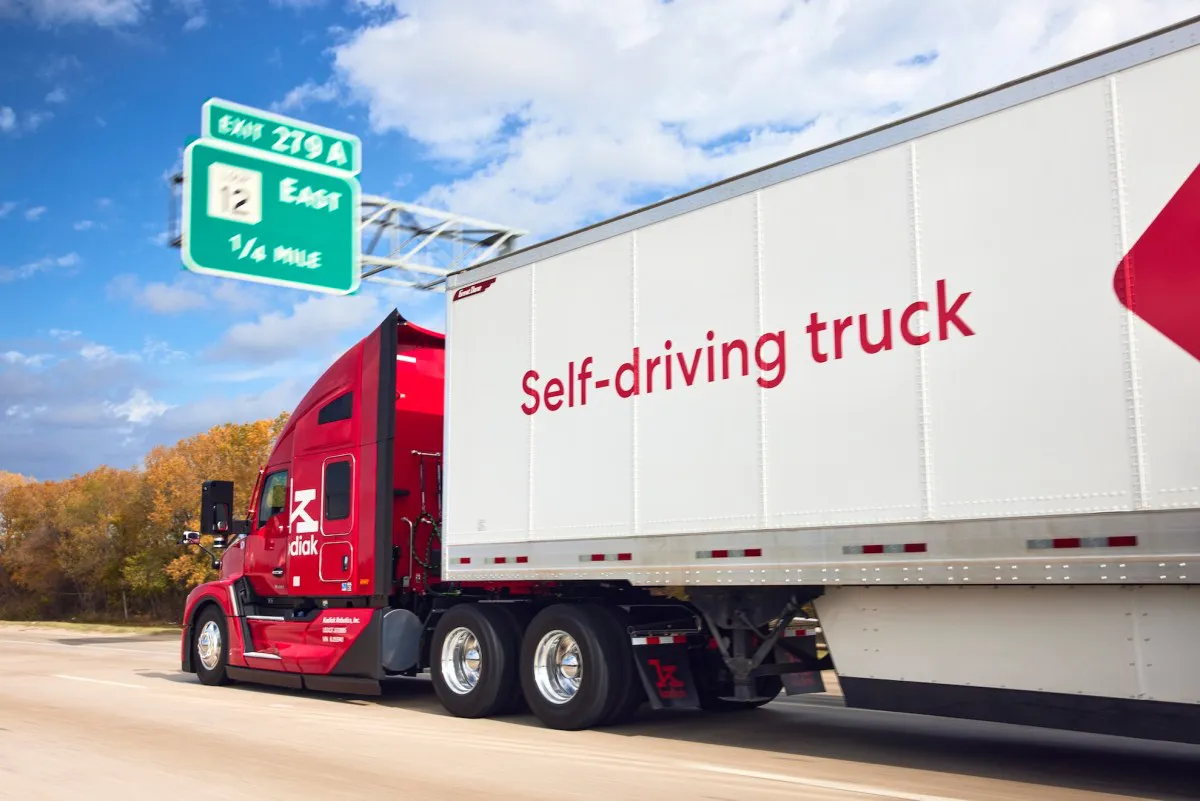
In a groundbreaking move that could redefine logistics and transportation, California has granted testing permits for self-driving trucks to Aurora Innovation and Kodiak AI, marking the beginning of autonomous vehicle operations on public highways. This shift comes after the California Department of Motor Vehicles (DMV) recently revised regulations that previously restricted driverless heavy-duty vehicles, paving the way for an era of innovation that is sure to impact the economy and the safety of road users.
These changes are particularly relevant as the logistics and supply chain sectors are under increasing pressure to deliver goods more efficiently and sustainably. The introduction of autonomous trucks promises to address these needs, but it also raises significant questions about safety, job displacement, and the economic impacts on the trucking industry.
California's Regulatory Changes: A Historical Context
The California DMV's decision to lift the ban on testing autonomous vehicles over 10,000 pounds is a significant regulatory change. Until recently, strict regulations limited the testing of autonomous heavy-duty trucks, compelling companies like Aurora and Kodiak to focus their efforts in states with more lenient laws, such as Texas. The new rules, which were approved on April 28, 2026, are part of California's broader strategy to embrace technological advancements while ensuring public safety.
Permit Requirements and Testing Parameters
To obtain testing permits, Aurora and Kodiak had to meet stringent requirements, including:
- Proof of safety measures and protocols
- Insurance coverage
- Proper vehicle registration
- Qualifications for human safety operators
While these regulations allow for a controlled introduction of autonomous trucks, they still mandate that a human safety operator must be present in the vehicle during tests. Furthermore, the trucks are prohibited from operating on roads where the speed limit is 25 miles per hour or less, unless they are on a direct route between destinations. These measures are designed to mitigate risks associated with the deployment of autonomous vehicles on public roads.
The Players: Aurora and Kodiak AI
Both Aurora Innovation and Kodiak AI are at the forefront of developing self-driving truck technology. Aurora, founded in 2017, has already made significant strides by launching a self-driving truck service in Texas in May 2025. This service began with a route between Dallas and Houston and has since expanded to other routes such as Fort Worth to El Paso and Laredo to Dallas.
Kodiak AI, which began its journey in autonomous trucking in January 2025, started operations in an off-road environment in the remote Permian Basin of West Texas before advancing to on-highway operations. The company has quickly established itself within the industry and is now testing routes that include major thoroughfares similar to those utilized by traditional trucking companies.
The Economic Impact of Autonomous Trucks
While the potential benefits of self-driving technology are significant, including reduced operational costs and increased efficiency, concerns about its impact on employment in the trucking industry remain prominent. The Teamsters union in California has filed a lawsuit against the DMV, alleging that the agency failed to thoroughly study the economic ramifications of allowing self-driving trucks on public roads.
Critics argue that autonomous trucks could lead to widespread job losses among truck drivers, a profession that employs over 3.5 million individuals in the United States. The lawsuit contends that the DMV did not adequately consider these repercussions and did not perform the requisite public disclosure that would allow for a comprehensive understanding of the changes coming to the industry.
Safety Considerations and Public Perception
Safety is a critical component of the debate surrounding autonomous vehicles. While proponents of self-driving technology argue that it can reduce human error, which is a leading cause of accidents on highways, the public remains skeptical. Concerns about the technology's reliability, particularly in complex driving environments, underscore the challenges these companies face in gaining public trust.
For instance, the presence of a human safety operator is an essential requirement for testing; however, this does not fully alleviate fears about potential malfunctions or unforeseen circumstances that could arise while the truck is in operation. The ongoing litigation by the Teamsters is a testament to the broader societal concerns regarding safety and accountability in the autonomous vehicle sector.
The Road Ahead: Future of Autonomous Trucking
As California embarks on this new chapter in transportation, the implications for the trucking industry and the economy at large will unfold over the coming years. Both Kodiak AI and Aurora Innovation are paving the way for a future where logistics could operate without human drivers. However, the transition will not be without its challenges.
To successfully integrate autonomous trucks into the existing transportation framework, it will be crucial for companies to address safety concerns, engage with labor unions, and create a regulatory environment that balances innovation with public safety. The road ahead will require collaboration between technology developers, regulators, and labor organizations to ensure that the benefits of autonomous trucking are realized while minimizing risks.
Key Takeaways
- California has begun testing self-driving trucks, with Aurora Innovation and Kodiak AI leading the charge.
- The regulatory framework has evolved, allowing for testing of heavy-duty autonomous vehicles on public roads.
- Safety and economic impact concerns, particularly regarding job displacement, are at the forefront of the debate.
- Human safety operators are required during testing to mitigate risks associated with autonomous vehicle operation.
Frequently Asked Questions
What safety measures are in place for self-driving trucks testing in California?
The California DMV requires that a human safety operator be present in the vehicle during testing. Additionally, the trucks are prohibited from operating on roads with a posted speed limit of 25 miles per hour or less, unless they are on a direct route. These regulations aim to ensure a controlled testing environment that prioritizes public safety.
How will the introduction of autonomous trucks impact employment in the trucking industry?
The introduction of autonomous trucks poses potential risks to employment in the trucking sector. With over 3.5 million truck drivers in the U.S., the shift towards automation could lead to significant job displacement. Labor unions, such as the Teamsters, are raising concerns and have initiated legal action to ensure that the economic impacts are thoroughly examined before widespread deployment occurs.
What technological advancements have been made in self-driving trucks?
Companies like Aurora and Kodiak have made significant strides in developing advanced autonomous systems that utilize a combination of sensors, cameras, and artificial intelligence to navigate complex driving environments. These technological advancements enable trucks to operate safely and efficiently on highways, although challenges remain in ensuring reliability in diverse traffic scenarios.
Where is autonomous trucking technology being tested outside of California?
Before California lifted its ban on testing heavy-duty autonomous vehicles, companies like Aurora and Kodiak focused their efforts in states such as Texas, which have more lenient regulations. In Texas, both companies have successfully launched services and expanded their operational routes, demonstrating the viability of autonomous trucking technology in real-world scenarios.
Comments
Google Faces Pressure to Open Play Store to Third-Party Apps
A recent court ruling mandates Google to enhance the visibility and accessibility of third-party app stores in its Play Store, indicating significant shifts in app distribution dynamics.

Related articles

Popular in Cloud Computing
- SK Hynix's Historic $26.5 Billion IPO: A New Era for Memory Chips
- Kubernetes and the Future of Desktop Infrastructure: A Paradigm Shift
- Amazon Expands Partnership with Nvidia, Tripling GPU Orders Amid AI Demand Surge
- Elon Musk's Evolving Relationship with Anthropic: A New Era for AI Hosting
- Emerging Rocket Launches: A New Era for Space Exploration