Form Energy Secures $750M for Revolutionary 100-Hour Batteries
Form Energy's recent $750 million funding round marks a significant milestone in long-duration energy storage technology, aimed at transforming the grid and enhancing renewable energy integration.
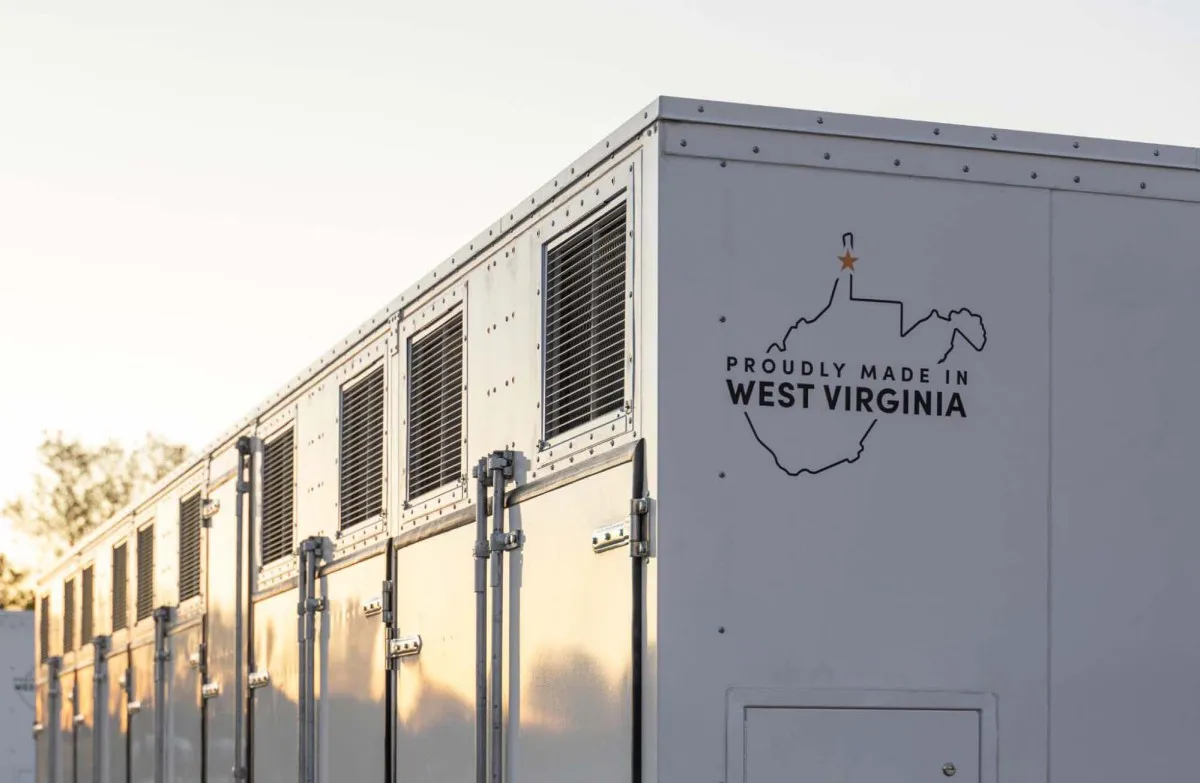
In a pivotal move for the future of energy storage, Form Energy has successfully raised $750 million in funding to expand its manufacturing capabilities in West Virginia. This significant investment underscores the growing demand for long-duration energy storage solutions, particularly as the U.S. transitions towards renewable energy sources. With the installed energy storage capacity in the U.S. witnessing a remarkable 32% increase in the first quarter of 2026, the quest for innovative storage solutions has never been more urgent.
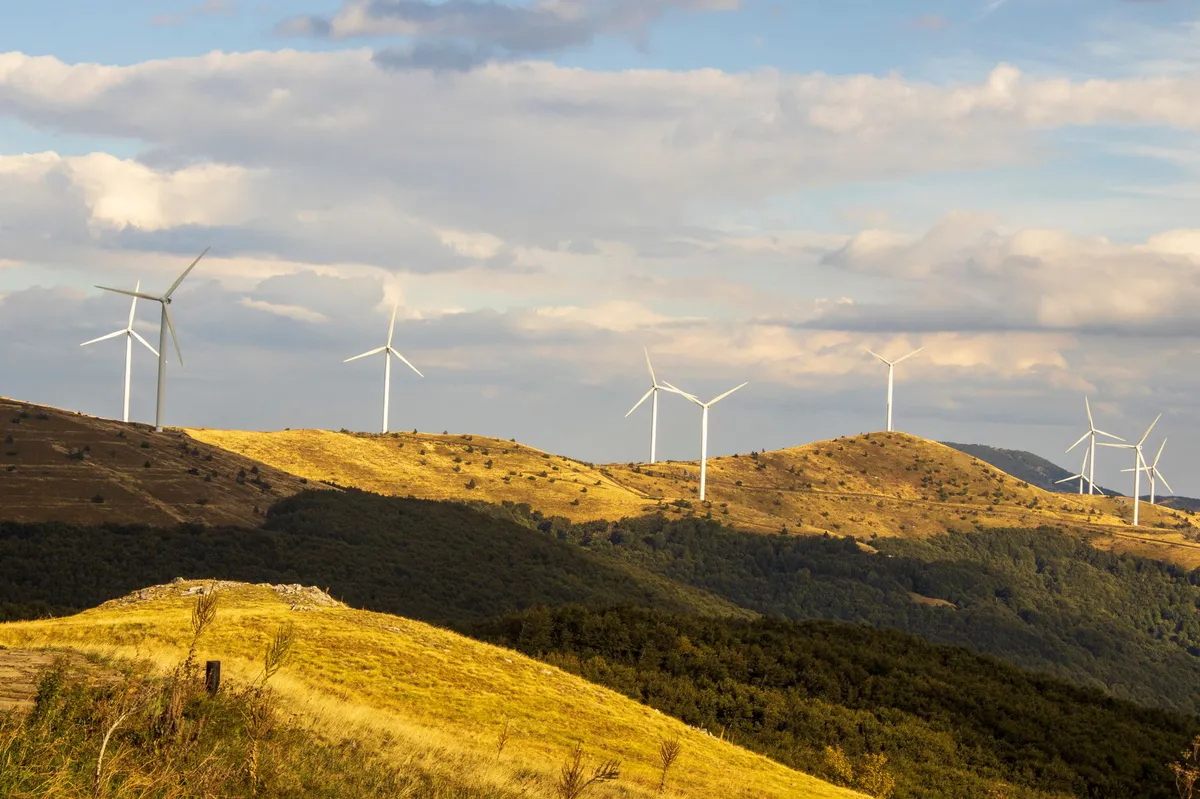
Form Energy’s breakthrough in battery technology comes at a crucial time when the U.S. grid is grappling with the challenges of integrating renewable energy sources like solar and wind, which are inherently intermittent. Traditional batteries, which can typically discharge for only a few hours, fall short in providing the reliability needed for a stable energy supply. Form Energy’s iron-air batteries, however, promise to deliver power for up to 100 hours, thus offering a crucial bridge to address the supply-demand gap in renewable energy generation.
Understanding Long-Duration Energy Storage
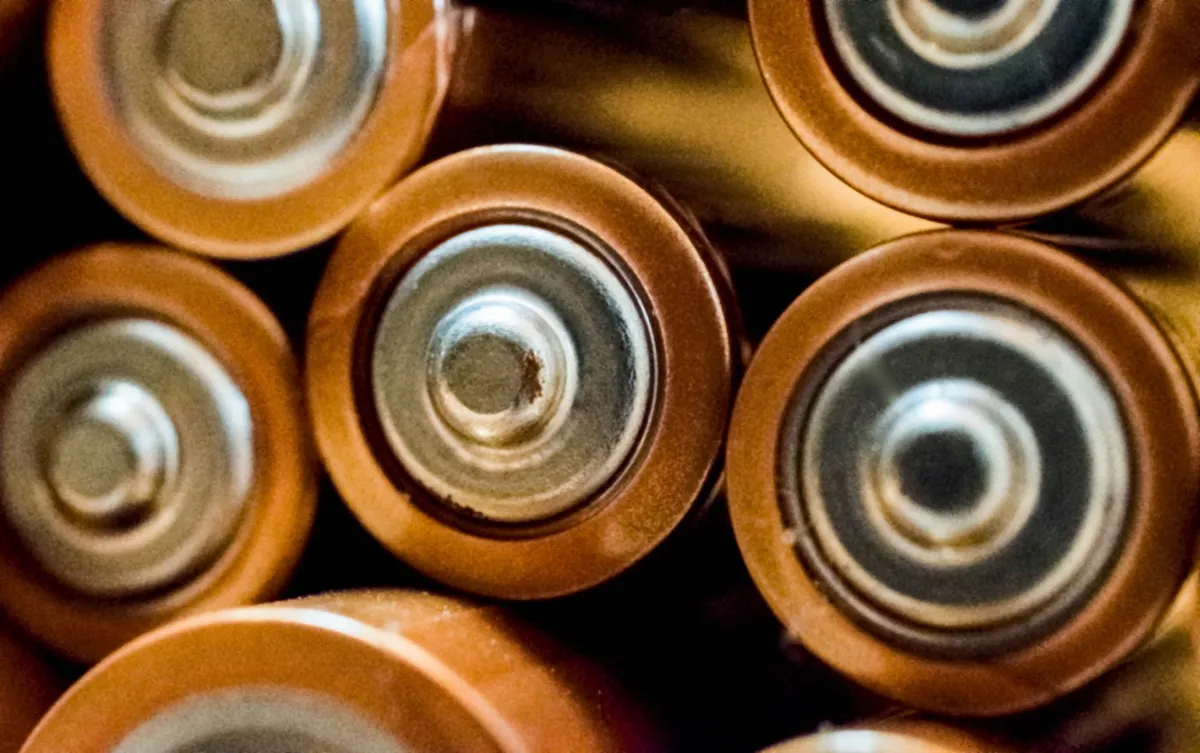
Long-duration energy storage (LDES) is emerging as a vital component in the energy landscape, particularly as more renewable energy capacity is added to the grid. Unlike conventional batteries, which are effective for short bursts of energy, LDES systems like Form Energy’s batteries can store electricity for extended periods, making them ideal for balancing supply and demand over longer timeframes.
The Chemistry Behind Form Energy's Batteries
At the heart of Form Energy's innovation lies a unique battery chemistry that utilizes iron—a common, abundant material—rather than more expensive minerals such as lithium, cobalt, and nickel. This approach not only reduces costs but also mitigates supply chain risks typically associated with these rarer materials. Form Energy's process involves oxidizing and reducing iron, effectively turning it into rust during discharge and reversing the process during charging, which allows for efficient energy storage and release.
Market Implications and Demand Surge
The demand for energy storage has skyrocketed as U.S. electricity consumption has increased for the first time in decades, largely driven by the rapid expansion of data centers. As these facilities are expected to quadruple their electricity usage by 2035, consuming about 20% of all electricity generated in the U.S., companies like Google and Crusoe are turning to Form Energy for solutions. Google, for instance, has committed to utilizing a 30-gigawatt-hour Form battery for its new Minnesota data center, an investment of approximately $1 billion.
Supply Chain Considerations
Form Energy’s commitment to sourcing 80% of its materials domestically from the U.S., with the remainder from Europe and Asia, positions it favorably in a market where geopolitical tensions have raised concerns about reliance on Chinese manufacturing. Both the Biden and Trump administrations have prioritized reducing U.S. dependency on China for critical battery components, making Form’s domestic-focused supply chain a strategic advantage as demand for energy storage continues to surge.
Funding Landscape and Strategic Partnerships
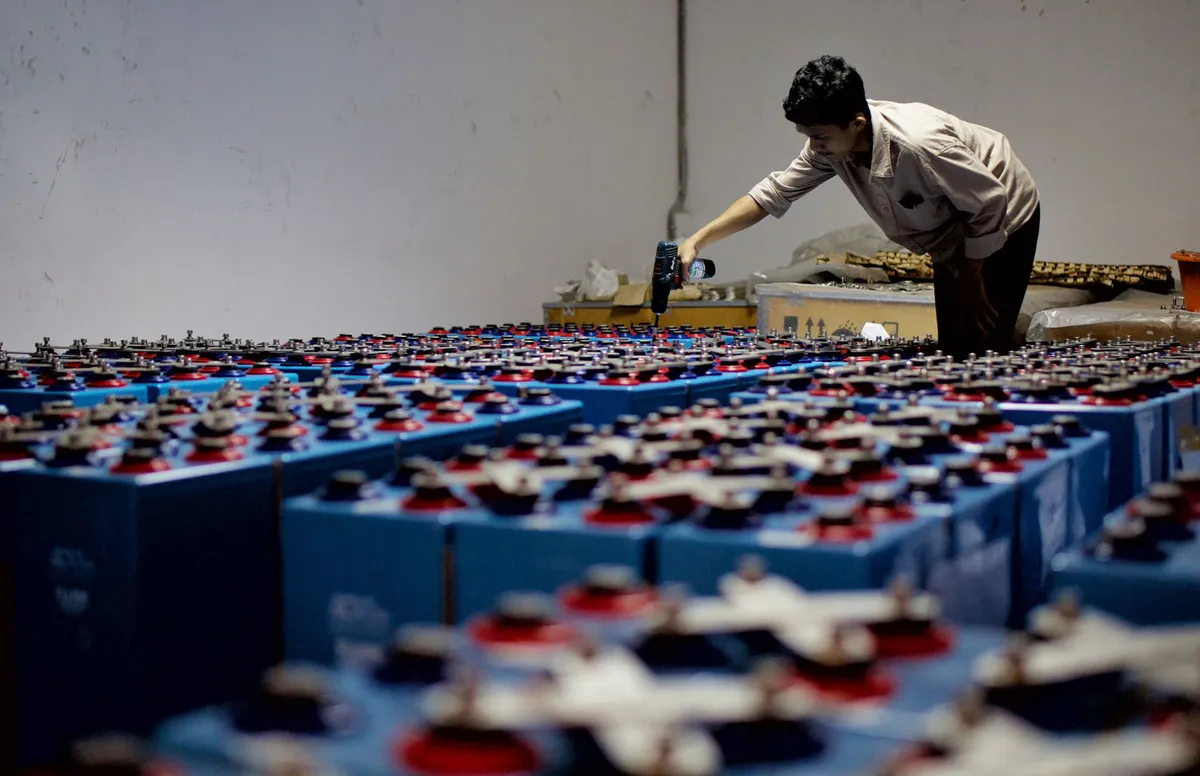
The recent Series G funding round, led by T. Rowe Price and supported by a diverse group of investors including Sequoia Capital and Franklin Templeton, reflects the growing confidence in Form Energy's business model and technology. The funding will primarily be directed towards scaling up manufacturing capabilities to meet the burgeoning demand, which has seen a backlog of commercial projects totaling around 80 gigawatt-hours of energy storage—up fourfold from the beginning of the year.
Key Partnerships Driving Growth
Form Energy's collaborations with major utilities and technology giants exemplify the strategic direction of the company. Utility partnerships with firms like Xcel Energy and international collaborations with FuturEnergy Ireland enhance its market reach and credibility. These partnerships also signify a collective shift towards integrating long-duration storage solutions into existing energy infrastructures, ensuring a more resilient grid.
Future Outlook for Energy Storage
As the landscape of energy storage evolves, the implications of Form Energy's advancements extend beyond just battery technology. The integration of long-duration storage systems is poised to play a pivotal role in the broader transition to renewable energy, providing a necessary cushion against the intermittency associated with solar and wind power.
Moreover, as the energy market continues to adapt to these innovations, businesses and consumers alike will benefit from a more stable and reliable energy supply. This transition may also lead to reduced electricity costs over time, as energy storage becomes more efficient and affordable.
Key Takeaways
- Form Energy has raised $750 million to expand its manufacturing of long-duration, 100-hour batteries.
- These iron-air batteries are designed to provide a solution for the intermittent nature of renewable energy sources.
- With a commitment to sourcing materials domestically, Form Energy reduces reliance on foreign supply chains.
- Strategic partnerships with major companies and utilities are driving growth and adoption of its technology.
- The demand for energy storage is set to increase significantly, influenced by the rapid expansion of data centers in the U.S.
Frequently Asked Questions
What is long-duration energy storage and why is it important?
Long-duration energy storage refers to technologies that can store energy for extended periods—typically over 10 hours—enabling a reliable supply of electricity during periods of low generation from renewable sources. Its importance lies in addressing the intermittency of renewable energy, ensuring that power is available when demand peaks, thus contributing to grid stability and resilience.
How do Form Energy's batteries compare to traditional lithium-ion batteries?
Form Energy's iron-air batteries differ from traditional lithium-ion batteries primarily in their chemistry and discharge duration. While lithium-ion batteries are effective for short-term energy storage and have become the standard for consumer electronics and electric vehicles, Form's batteries can discharge energy for up to 100 hours, making them more suitable for long-term energy needs, especially in applications such as grid storage.
What are the environmental implications of using iron for battery production?
Using iron as a primary material in battery production offers significant environmental advantages compared to rare minerals like lithium and cobalt, which often involve environmentally damaging extraction processes. Iron is abundant and less problematic to source, thereby potentially reducing the overall environmental impact associated with battery manufacturing and providing a more sustainable energy storage solution.
What role do data centers play in the demand for energy storage?
Data centers are increasingly becoming significant consumers of electricity, with projections indicating they will consume around 20% of all electricity generated in the U.S. by 2035. This surge in energy demand necessitates reliable energy storage solutions to ensure that data centers can operate efficiently and sustainably, especially as they rely more on renewable energy sources.
Comments
Breakthrough in Particle Physics: Evidence of Glueballs Found
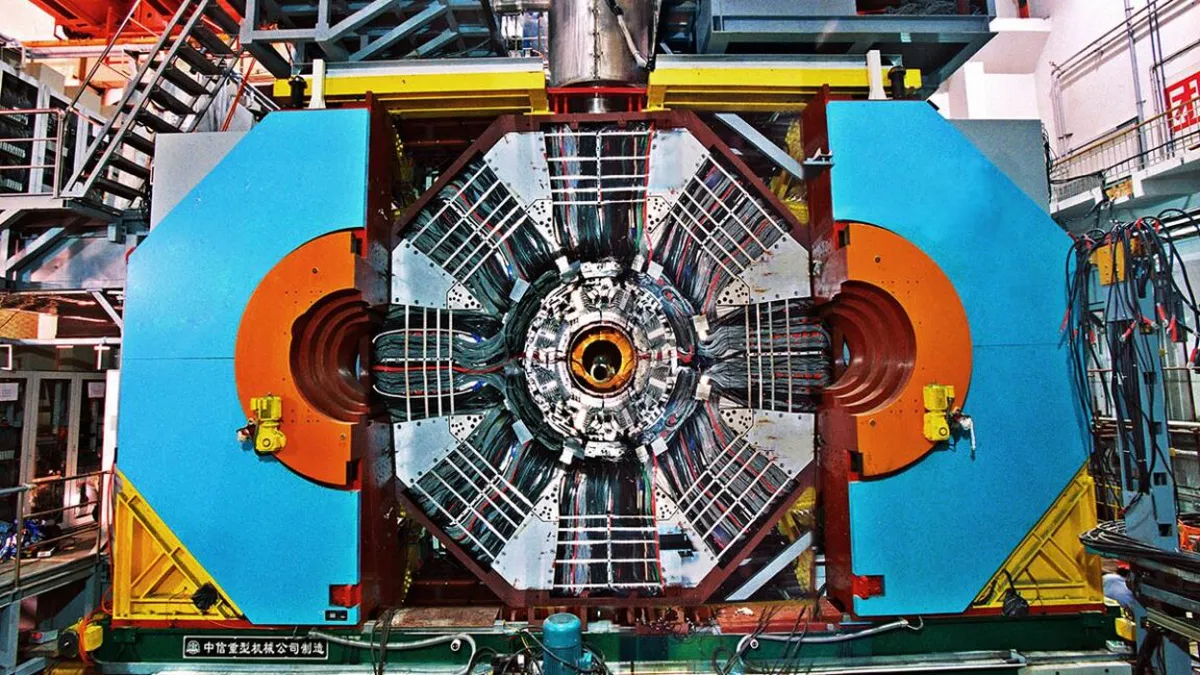
Recent findings from the BES III experiment in China provide compelling evidence for the existence of glueballs—exotic particles made entirely of gluons. This discovery offers new insights into the fundamental forces that govern matter and challenges our understanding of the universe.
Related articles
Popular in Cloud Computing
- SK Hynix's Historic $26.5 Billion IPO: A New Era for Memory Chips
- Kubernetes and the Future of Desktop Infrastructure: A Paradigm Shift
- Amazon Expands Partnership with Nvidia, Tripling GPU Orders Amid AI Demand Surge
- Elon Musk's Evolving Relationship with Anthropic: A New Era for AI Hosting
- Emerging Rocket Launches: A New Era for Space Exploration