Tesla Plans $10 Billion Solar Factory in Texas, Creating 9,700 Jobs
Tesla is set to build a massive solar panel factory in Texas, potentially costing $10.1 billion and creating thousands of jobs. The project, named Project Crystal Sun, aims for completion by 2028.
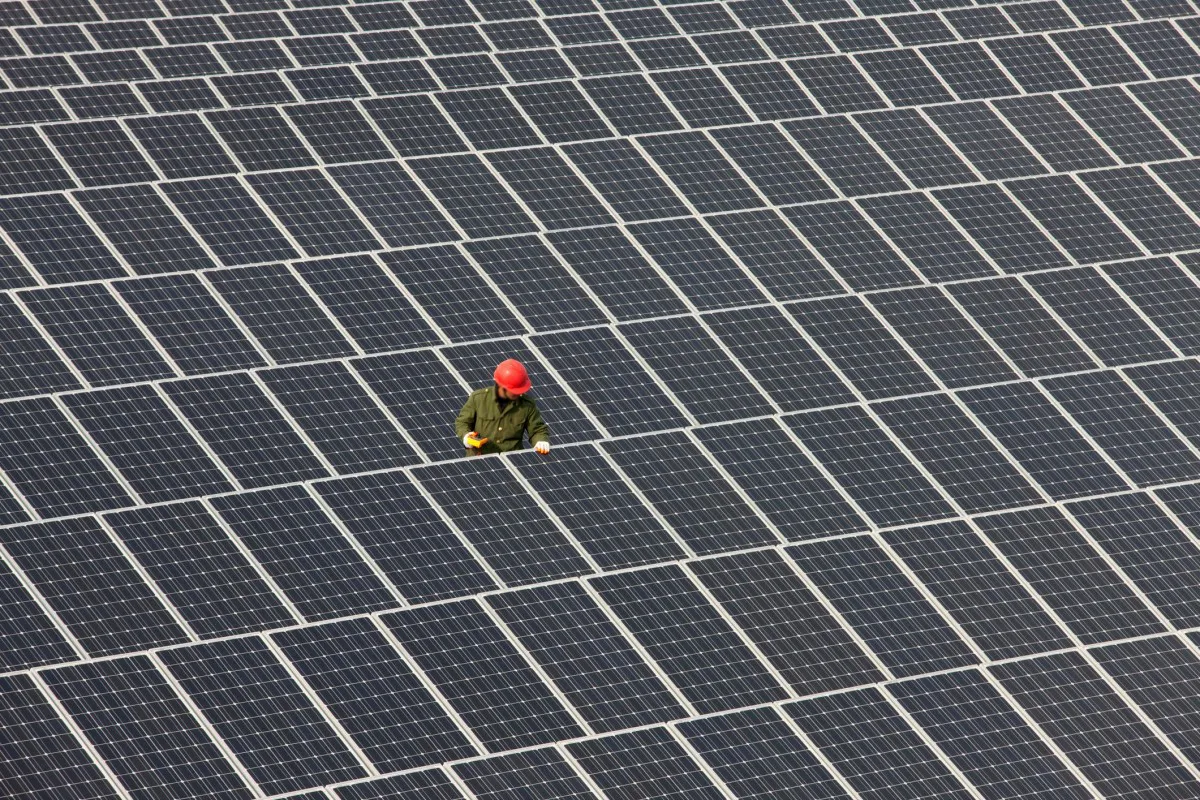
Tesla is making a bold move in the renewable energy sector with plans to establish a colossal solar panel manufacturing facility near Houston, Texas. Dubbed Project Crystal Sun, this ambitious initiative could require an investment of up to $10.1 billion and is expected to create approximately 9,700 full-time jobs. The factory is set to break ground in 2023, with hopes of being fully operational by 2028, and the first solar panels are projected to roll off the production line by 2029. This new facility represents not just a significant financial commitment from Tesla, but also a strategic pivot towards bolstering the company's solar production capabilities in an increasingly competitive market.
Understanding Project Crystal Sun
Situated about 45 minutes southwest of Houston, the proposed factory site is strategically located to tap into Texas's robust infrastructure and workforce. Tesla has applied for various tax incentives to help mitigate the financial burden of this colossal investment. Without these incentives, property tax liabilities for the factory could amount to around $1.1 billion over the next 37 years, according to the company's financial projections.
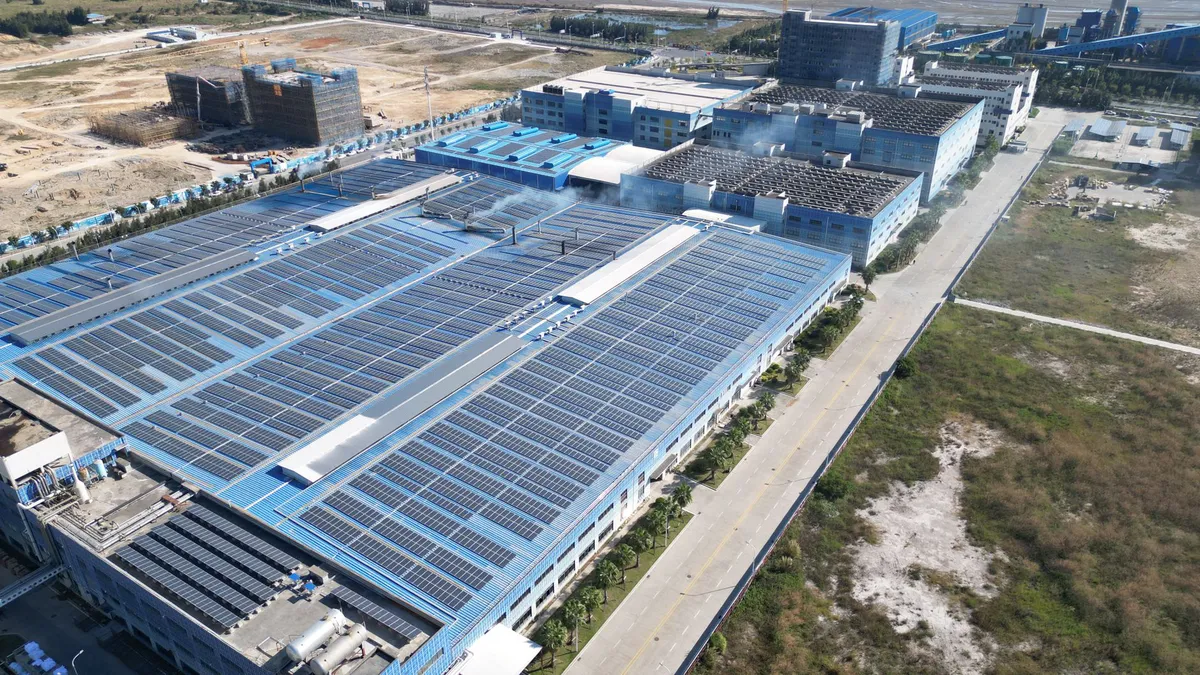
Job Creation and Economic Impact
The creation of nearly 10,000 jobs is particularly significant for the local economy, especially in a state like Texas, which has been a leader in both traditional energy and renewables. The influx of jobs will not only benefit those directly employed at the factory but will likely have a ripple effect on local businesses and services. Economists often highlight how large-scale projects can stimulate local economies through increased spending and job creation across multiple sectors from construction to retail.
Advantages of Solar Manufacturing in Texas
Texas has long been hailed as a hub for energy production, particularly in the oil and gas sector. However, it has recently made strides in renewable energy, becoming a leader in wind energy production. The expansion into solar manufacturing aligns perfectly with state policies aimed at diversifying energy sources and reducing carbon footprints. Here are some advantages of establishing a solar manufacturing base in Texas:
- Access to Resources: Texas has abundant sunshine, making it ideal for solar energy production.
- Infrastructure: The state's well-developed transportation networks facilitate the efficient movement of goods.
- Skilled Workforce: With numerous universities and technical schools, Texas has a pool of skilled labor ready to be tapped.
- Favorable Business Climate: Texas is known for its business-friendly regulations and tax incentives.
The Broader Context of Tesla’s Solar Ambitions
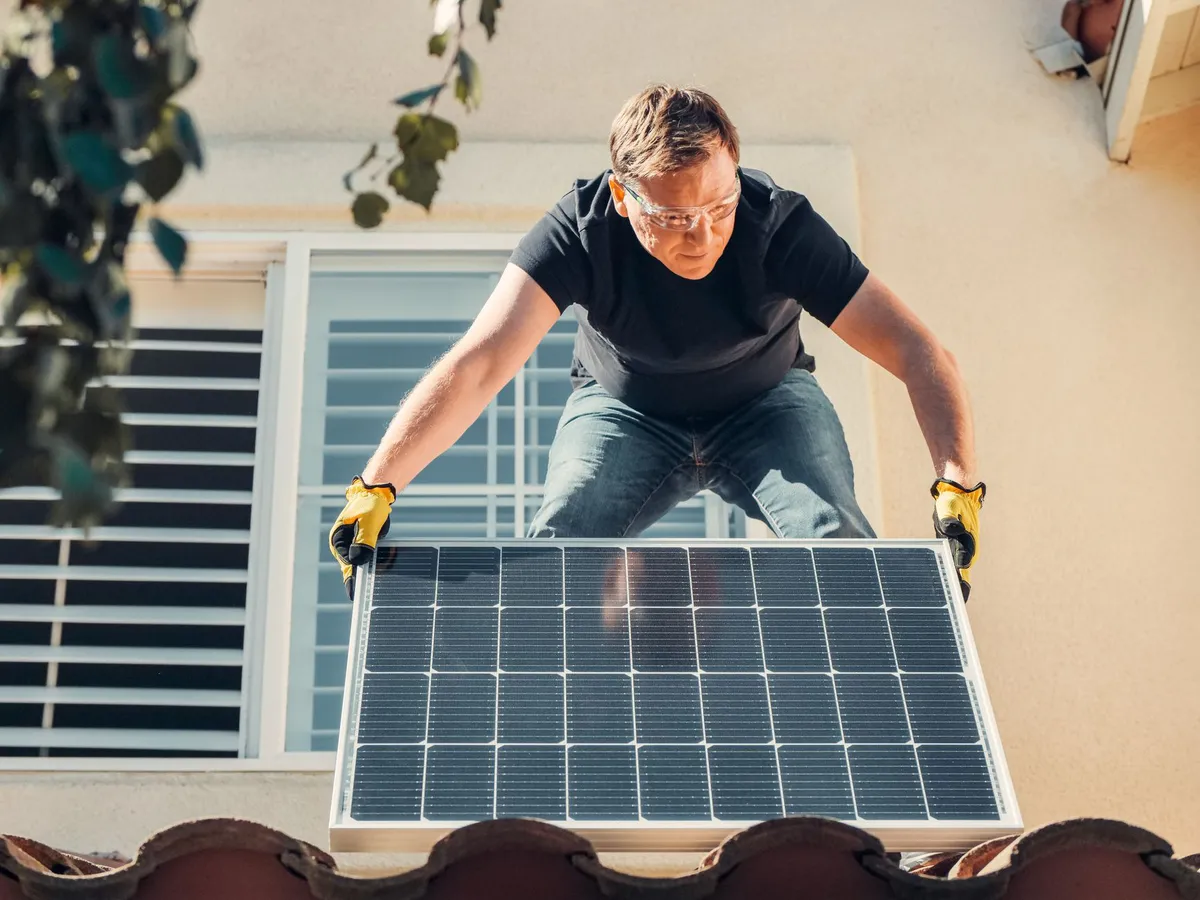
Tesla’s foray into large-scale solar manufacturing is part of a broader trend in the renewable energy sector. As global demand for clean energy solutions surges, manufacturers are under pressure to ramp up capacity. Tesla has previously stated ambitions to achieve 100 gigawatts of solar manufacturing capacity in the United States by 2028, which indicates the scale and urgency of its expansion efforts.
Moreover, this initiative could have implications beyond just solar energy. Tesla CEO Elon Musk has expressed interest in orbital data centers, which could utilize solar technology in satellite deployments. While the specifics of Project Crystal Sun's output remain undisclosed, the potential for innovative applications in both terrestrial and extraterrestrial environments is immense.
Challenges and Considerations
While the prospects for Project Crystal Sun are promising, challenges lie ahead. Achieving the projected timelines will require overcoming regulatory hurdles, supply chain challenges, and labor shortages, which have been exacerbated by the ongoing effects of the COVID-19 pandemic. Furthermore, competition in the solar manufacturing space is increasing, with established players and new entrants alike vying for market share.
Additionally, the political landscape around renewable energy in the U.S. can be unpredictable. Changes in administration or shifts in public policy could affect the availability of tax incentives and subsidies that are crucial for making such projects financially viable.
Key Takeaways
- Tesla plans to invest up to $10.1 billion in a solar panel factory in Texas.
- The factory is expected to create around 9,700 full-time jobs.
- Construction is slated to begin this year, with operations expected by 2028.
- Potential annual property tax liabilities could reach $1.1 billion over 37 years without incentives.
- The project aligns with Tesla's goal of achieving 100 gigawatts of solar manufacturing capacity in the U.S. by 2028.
Frequently Asked Questions
What will be the location of Tesla's new solar factory?
The new solar factory will be situated approximately 45 minutes southwest of Houston, Texas. This location was strategically chosen for its existing infrastructure and access to a skilled workforce, vital for the successful operation of the facility.
How many jobs will the factory create, and what types of jobs will they be?
Tesla anticipates that Project Crystal Sun will create about 9,700 full-time jobs. These positions will likely range from manufacturing roles to engineering, logistics, and administrative functions, providing a diverse array of employment opportunities in the region.
What are the financial implications for Tesla regarding tax incentives?
Tesla has applied for various tax incentives to offset the costs associated with building the factory. Without these incentives, the company estimates that it would face property tax liabilities of around $1.1 billion over 37 years. The success of these applications will significantly influence the project's overall financial viability.
How does this project fit into Tesla's broader goals for solar energy?
This factory forms part of Tesla's ambitious plan to develop 100 gigawatts of solar manufacturing capacity in the U.S. by 2028. The project not only aims to meet increasing demand for solar energy solutions but also aligns with global efforts to transition to sustainable energy sources, positioning Tesla as a key player in the renewable energy market.
Comments
Breakthrough in Particle Physics: Evidence of Glueballs Found
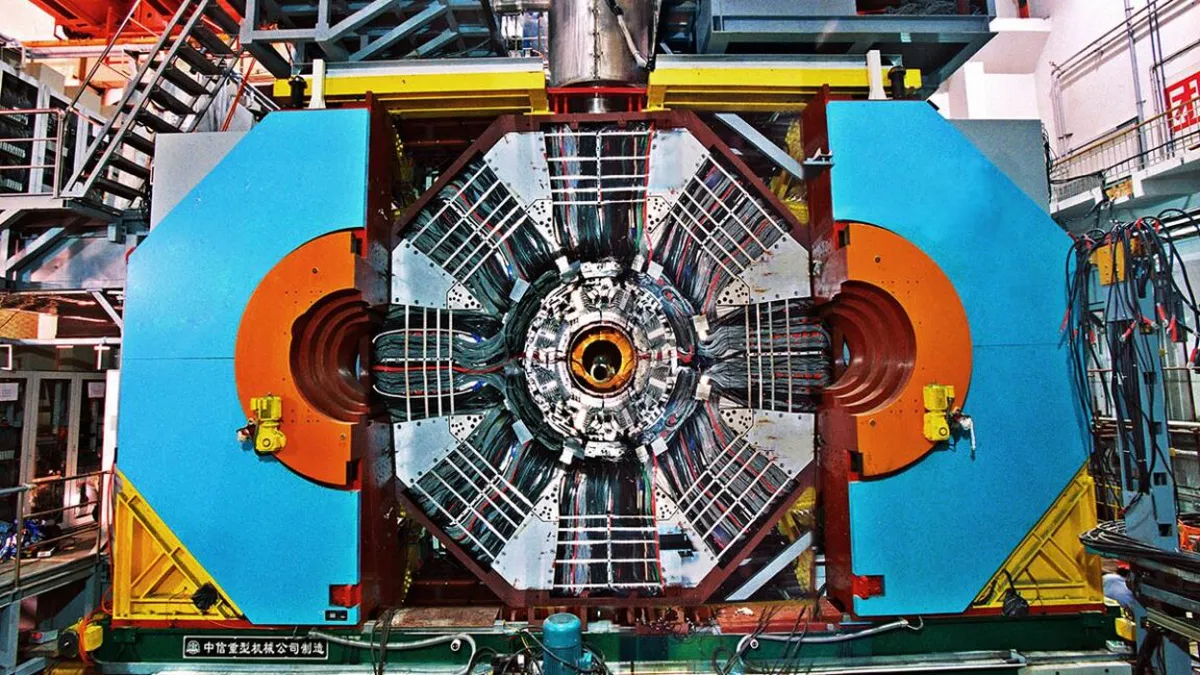
Recent findings from the BES III experiment in China provide compelling evidence for the existence of glueballs—exotic particles made entirely of gluons. This discovery offers new insights into the fundamental forces that govern matter and challenges our understanding of the universe.
Related articles
Popular in Cloud Computing
- SK Hynix's Historic $26.5 Billion IPO: A New Era for Memory Chips
- Kubernetes and the Future of Desktop Infrastructure: A Paradigm Shift
- Amazon Expands Partnership with Nvidia, Tripling GPU Orders Amid AI Demand Surge
- Elon Musk's Evolving Relationship with Anthropic: A New Era for AI Hosting
- Emerging Rocket Launches: A New Era for Space Exploration