Brad Lightcap Leaves OpenAI: What It Means for the Future of AI
OpenAI's COO Brad Lightcap has announced his departure to pursue new ventures, prompting speculation about the company's future amidst an IPO and executive shakeups.
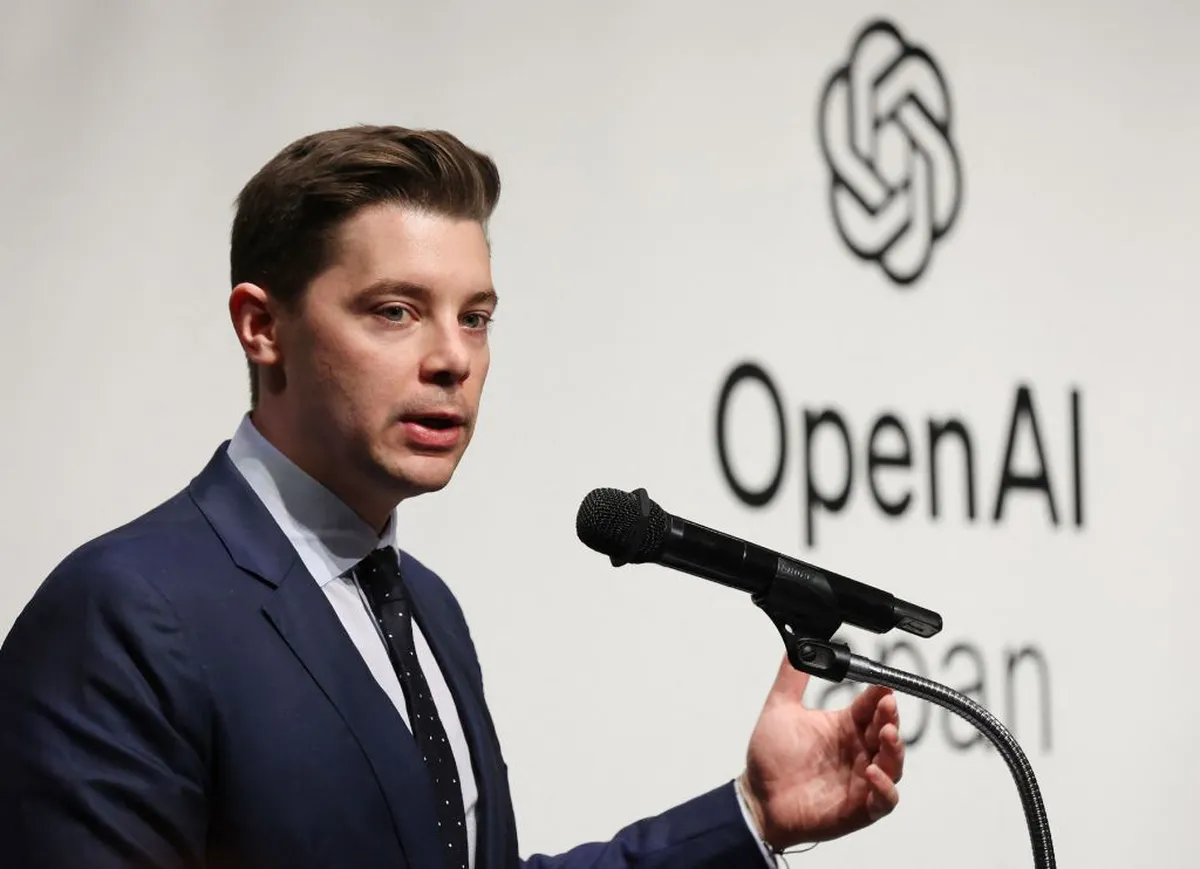
In a significant shift for one of the most influential players in the artificial intelligence landscape, Brad Lightcap, the longtime Chief Operating Officer (COO) of OpenAI, has announced his departure from the organization to 'start something new.' This announcement, shared via an internal message, has raised eyebrows within the tech community as it coincides with a tumultuous period for OpenAI, which is preparing for a major Initial Public Offering (IPO) and undergoing several executive changes. Lightcap's exit marks the end of an era for OpenAI, where he played a pivotal role in shaping its operational strategy and corporate structure.
Having joined OpenAI in 2018, Lightcap quickly became integral to its growth, first serving as Chief Financial Officer and later transitioning to COO in 2022. Under his leadership, the company developed critical business functions, ranging from finance and legal to partnerships and government relations. His departure signals not only a personal career change but also reflects broader shifts within one of the most watched companies in technology today.
Brad Lightcap's Journey at OpenAI
Lightcap's tenure at OpenAI has been marked by an impressive expansion of the organization's capabilities. As he noted in his farewell message, he had the opportunity to build foundational aspects of the company that have supported its rapid growth. His leadership saw the establishment of key teams that have matured under various leaders, showcasing his commitment to nurturing talent and fostering innovation.
The Role of a COO in AI Development
The Chief Operating Officer role in a tech company, especially one focused on artificial intelligence, is multifaceted. It involves overseeing daily operations, aligning business strategies with technological advancements, and ensuring that the company can scale efficiently. Lightcap's experience in venture capital at Y Combinator, where he worked alongside OpenAI CEO Sam Altman, likely provided him with insights into the broader tech ecosystem that he applied at OpenAI.

The Context of OpenAI's Leadership Changes
Lightcap's departure comes amidst a wave of executive changes within OpenAI. In July, Fidji Simo, the company's No. 2 executive and a leader in Artificial General Intelligence (AGI) development, also announced her resignation. These leadership transitions are particularly noteworthy as OpenAI gears up for a landmark IPO that could redefine its position in the tech market.
The executive shakeup raises questions about the strategic direction of OpenAI, especially as it prepares to navigate the complexities of public markets. An IPO not only demands rigorous financial transparency but also necessitates a clear vision for future growth and product development.

Implications of Lightcap's Departure
With Brad Lightcap's departure, several implications arise for both OpenAI and the broader AI industry:
- Potential for New Ventures: Lightcap hinted at pursuing 'important new things' that the world will need, indicating that he might venture into a new area of technology or business that aligns with emerging needs in AI.
- Impact on OpenAI's Strategic Vision: The loss of a key executive could lead to shifts in the company’s operational focus, potentially affecting ongoing projects and partnerships.
- Investor Sentiment: As OpenAI prepares for an IPO, leadership stability is critical. The departure of high-profile executives could lead to uncertainty among investors regarding the company's future direction.
The Future of AI and OpenAI
As Lightcap embarks on his new journey, the AI landscape continues to evolve rapidly. With increasing competition and advancements in technology, companies are under pressure to innovate and adapt. The future of AI will likely focus on ethical considerations, regulatory challenges, and the balance between rapid development and public safety.
Market Reactions and Speculations
The tech market is quick to speculate on the potential ramifications of executive changes, especially in a company as influential as OpenAI. Analysts will be watching closely to see how these departures might affect OpenAI's product roadmap, partnerships, and market positioning. Given the company's pivotal role in AI development, any shifts in strategy could have far-reaching effects on the industry.
Moreover, OpenAI's competitors will undoubtedly be looking to capitalize on any uncertainty during this transitional phase. Companies like Anthropic and Google DeepMind are continuously innovating and could see opportunities to attract talent and resources that may become available as OpenAI undergoes its transformations.

Key Takeaways
- Brad Lightcap’s departure from OpenAI highlights significant leadership changes as the company prepares for a public offering.
- His contributions to the operational framework of OpenAI have been vital in its development over the past four years.
- Uncertainty surrounding executive leadership may impact investor sentiment and market strategies for OpenAI moving forward.
- Lightcap’s next venture could influence future technological innovations in the AI sector.
Frequently Asked Questions
What is the significance of Lightcap's role at OpenAI?
Brad Lightcap's role as COO was crucial in establishing OpenAI's operational framework. His leadership not only guided the company through its early growth phases but also helped align its business goals with technological advancements. As COO, he was responsible for ensuring that the organization could scale effectively, which is vital in the fast-paced AI industry.
How might OpenAI's IPO be affected by these leadership changes?
Leadership stability is often a key consideration for investors during an IPO. The recent departures of high-profile executives like Lightcap and Fidji Simo may create uncertainty in the market regarding OpenAI's future direction and strategic vision. Investors may look for reassurances about the company’s operational continuity and long-term goals as it prepares for public trading.
What are potential areas of focus for Lightcap's future ventures?
While specific details about Lightcap's next steps remain unclear, he has indicated an interest in exploring 'important new things.' Given the dynamic nature of the tech sector and the ongoing evolution of AI, it's possible that his future endeavors could focus on areas such as ethical AI development, AI governance, or innovative applications of machine learning technologies.
Comments
Joby Aviation Expands Defense Footprint with $500M Acquisition of Resonant Sciences
Joby Aviation's recent acquisition of Resonant Sciences for $500 million marks a significant step in its defense sector ambitions, allowing the electric air taxi company to leverage advanced technology while focusing on its urban air mobility goals.

Related articles

Popular in Cloud Computing
- SK Hynix's Historic $26.5 Billion IPO: A New Era for Memory Chips
- Kubernetes and the Future of Desktop Infrastructure: A Paradigm Shift
- Amazon Expands Partnership with Nvidia, Tripling GPU Orders Amid AI Demand Surge
- Elon Musk's Evolving Relationship with Anthropic: A New Era for AI Hosting
- Emerging Rocket Launches: A New Era for Space Exploration