Uber Sells Entire Stake in Serve Robotics: What It Means for Delivery Tech
Uber's recent divestiture of its stake in Serve Robotics marks a significant shift in the relationship between the two companies, highlighting challenges in the autonomous delivery sector. This article explores the implications of this move for the future of delivery technology and the evolving landscape of partnerships in the industry.
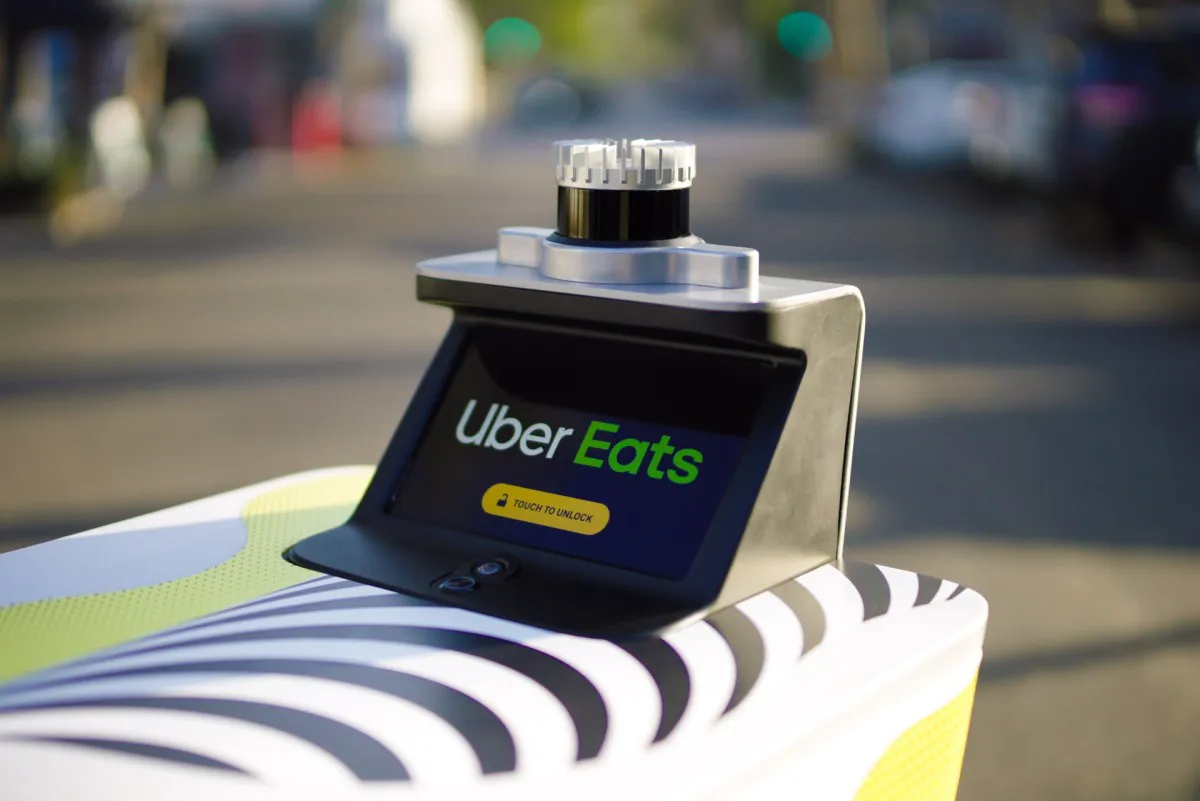
In a surprising turn of events, Uber Technologies has sold off its entire stake in Serve Robotics, the autonomous delivery robot company that emerged as a spinoff from Uber’s acquisition of Postmates. This decision, disclosed through a regulatory filing, signals a significant shift in the relationship between the two companies, which had once collaborated closely on deploying robotic delivery solutions. As the autonomous delivery landscape continues to evolve, the implications of Uber's divestiture present both challenges and opportunities for the industry.
Uber's relationship with Serve Robotics has been under scrutiny for some time, particularly given the changing dynamics in their business partnership. Originally, Serve Robotics was birthed from Postmates X, the robotics division of the on-demand delivery platform that Uber acquired in 2020 for a staggering $2.65 billion. The spinoff into an independent entity in 2021 was meant to innovate the last-mile delivery process, but recent developments indicate diverging paths and priorities.
Background of the Partnership
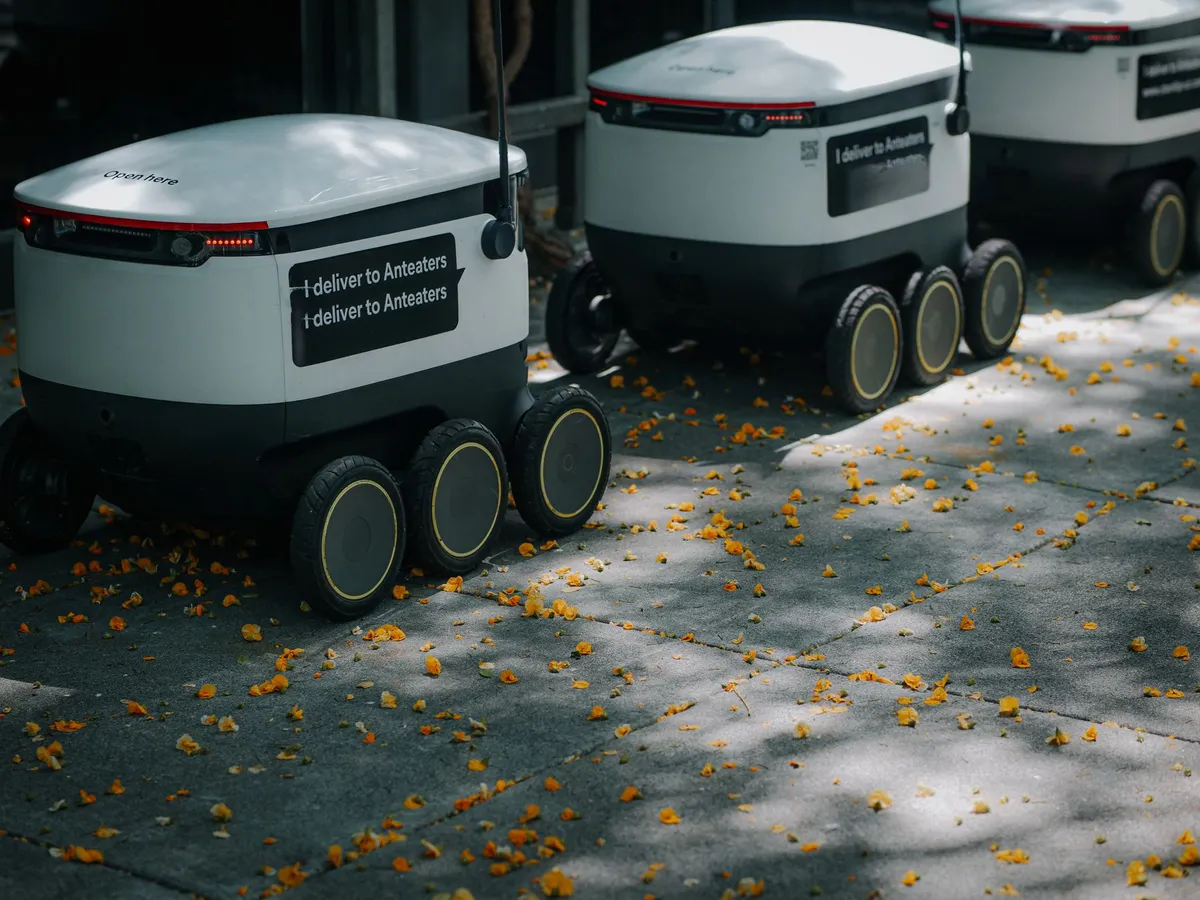
Uber's investment in Serve Robotics was rooted in a shared vision for the future of delivery services. The partnership aimed to integrate Serve's sidewalk delivery robots into Uber's app, facilitating a more efficient delivery model that could reduce costs and improve service times. In May 2023, the collaboration was expanded, with plans to deploy up to 2,000 of Serve's delivery bots across multiple U.S. markets.
However, as the companies progressed, they faced challenges that began to strain their relationship. During a recent earnings call, Serve Robotics co-founder and CEO Ali Kashani highlighted a notable decline in delivery volume through Uber for the first time in 17 consecutive quarters. This dip was attributed to lower-than-expected utilization rates of the delivery robots, raising concerns about the viability of their shared operational model.
The Factors Behind Uber's Exit
Uber's decision to divest from Serve Robotics appears to be the culmination of several interconnected factors:
- Declining Delivery Volume: As mentioned, Serve experienced a drop in delivery volume through Uber, indicating a potential mismatch between expectations and reality.
- Divergence in Operational Models: Kashani noted that Serve and Uber have developed “differing views” on how to effectively scale their fleet, particularly in terms of fleet coordination and merchant integration.
- Competitive Landscape: Serve Robotics reported a nearly 50% growth in deliveries with another food delivery partner during the same timeframe, suggesting that their technology may be more effectively utilized outside of the Uber ecosystem.
These factors combined to create a situation where renewing their partnership did not seem sustainable for Serve Robotics, especially as Uber's priorities appeared to shift away from autonomous delivery solutions.
Implications for the Autonomous Delivery Market
The ramifications of Uber's divestiture extend beyond the immediate relationship between the two companies. The autonomous delivery market has been experiencing rapid growth, with numerous players entering the space, each vying for a share of this burgeoning sector. As the technology matures, partnerships will prove essential for companies looking to scale efficiently.
Uber's exit from Serve Robotics raises critical questions about the future of such collaborations:
- Can companies remain agile? With changing consumer behaviors and market dynamics, maintaining flexibility in business partnerships may be essential for survival.
- How will competition shape innovation? As Serve Robotics expands its partnerships beyond Uber, it could spur innovation as companies seek to differentiate their offerings in a crowded marketplace.
- What’s next for Uber? The ride-hailing giant has invested in numerous autonomous vehicle technology companies. Will it pivot towards different strategies, or will this divestiture signal a broader retreat from the autonomous delivery sector?
The Future of Serve Robotics
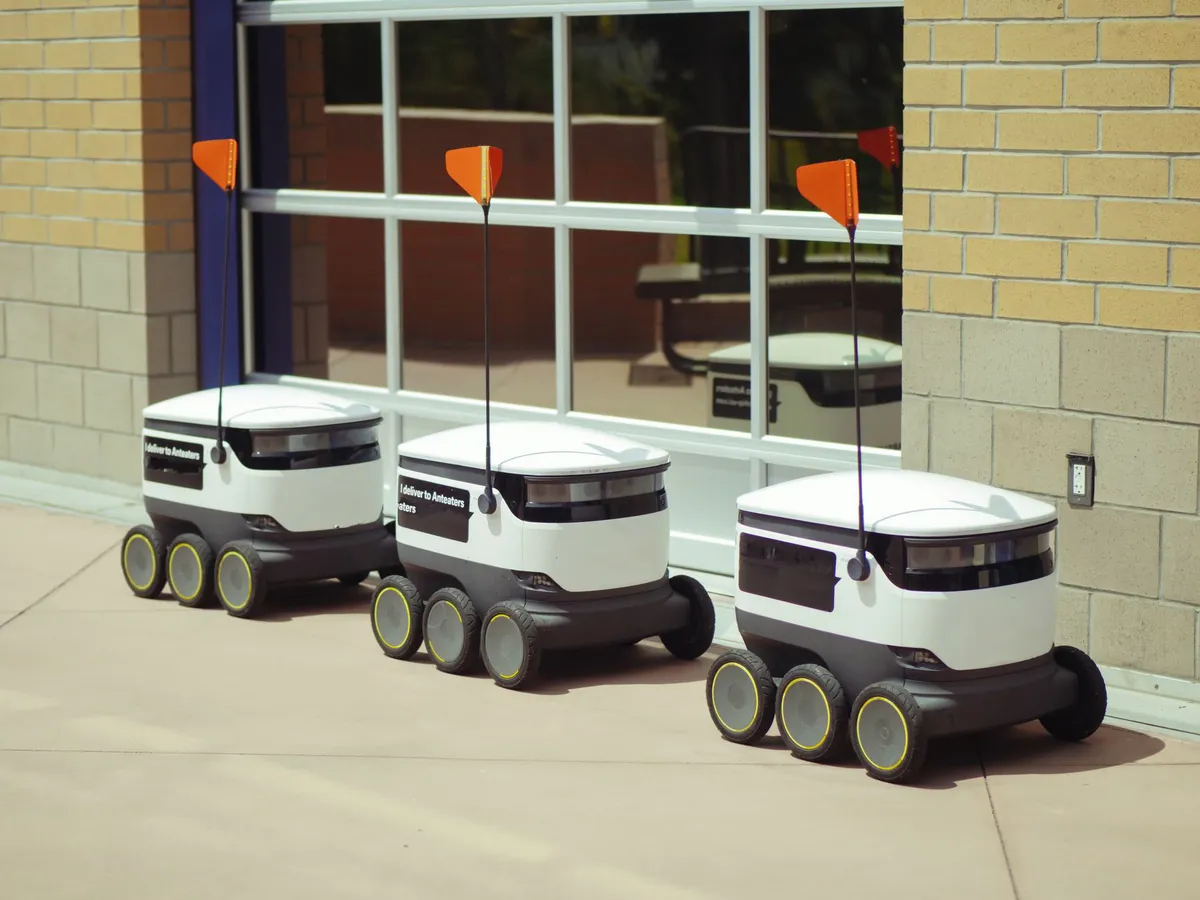
Looking forward, Serve Robotics faces both challenges and opportunities. The company must navigate the complexities of scaling its operations independently while also seeking out new partnerships that align with its growth objectives. The positive performance metrics with other delivery partners show that there is demand for its technology, but the question remains whether Serve can capitalize on this momentum without Uber's backing.
Moreover, the evolving landscape of consumer expectations regarding delivery speed and efficiency will play a crucial role in determining the success of Serve Robotics and similar companies. As consumers increasingly gravitate towards on-demand services, the pressure will be on Serve to innovate and meet these demands while ensuring the viability of its operations.
Key Takeaways
- Uber's complete divestiture from Serve Robotics marks a significant shift in their partnership dynamics.
- Declining delivery volumes and diverging operational strategies contributed to Uber's decision to exit the partnership.
- The autonomous delivery market is growing, but companies must remain agile to adapt to changing consumer demands and market conditions.
- Serve Robotics has opportunities for growth but will need to explore new partnerships to scale effectively.
Frequently Asked Questions
What led to Uber's decision to sell its stake in Serve Robotics?
The decision was driven by declining delivery volumes through Uber and diverging operational models between the two companies. Serve Robotics witnessed increased success with other delivery partners, indicating that their technology may be better suited outside of the Uber ecosystem.
How does this divestiture impact the future of autonomous delivery?
Uber's exit from Serve Robotics may prompt other companies in the autonomous delivery space to reevaluate their partnerships and strategies. It could lead to increased competition and innovation as companies seek to better meet consumer expectations for efficiency and service.
What does the future hold for Serve Robotics after this divestiture?
Serve Robotics will need to focus on scaling its operations independently and exploring new partnerships that align with its growth strategy. The positive performance metrics with other partners indicate potential for success, but navigating the competitive landscape will be crucial.
Will Uber continue to invest in autonomous delivery technology?
While Uber has divested from Serve Robotics, it has invested in numerous other autonomous vehicle technology companies. The company's future strategy regarding autonomous delivery remains to be seen, but its focus may shift towards other innovations within the mobility sector.
Comments
Joby Aviation Expands Defense Footprint with $500M Acquisition of Resonant Sciences
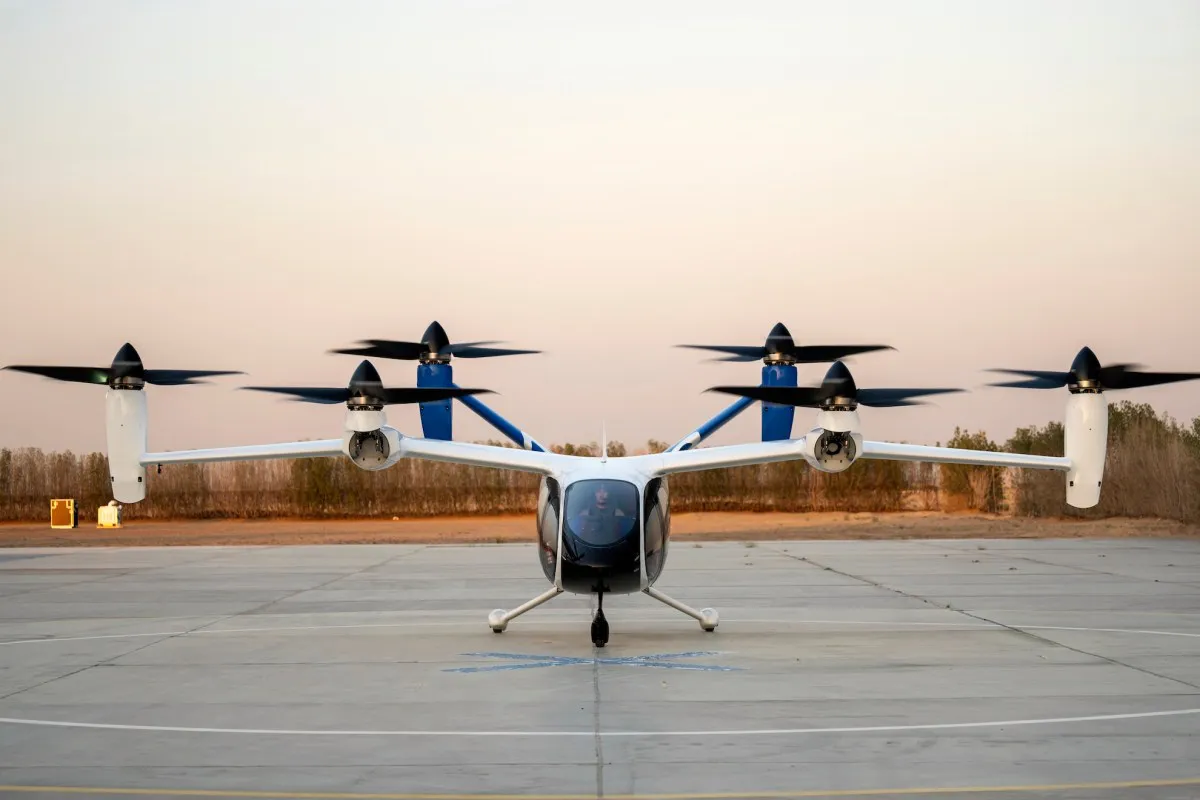
Joby Aviation's recent acquisition of Resonant Sciences for $500 million marks a significant step in its defense sector ambitions, allowing the electric air taxi company to leverage advanced technology while focusing on its urban air mobility goals.
Related articles

Popular in Cloud Computing
- SK Hynix's Historic $26.5 Billion IPO: A New Era for Memory Chips
- Kubernetes and the Future of Desktop Infrastructure: A Paradigm Shift
- Amazon Expands Partnership with Nvidia, Tripling GPU Orders Amid AI Demand Surge
- Elon Musk's Evolving Relationship with Anthropic: A New Era for AI Hosting
- Emerging Rocket Launches: A New Era for Space Exploration