Amazon's New Data Center: A Climate Controversy in Texas
Amazon's planned data center in Pecos County, Texas, could become the largest climate polluter in the U.S., drawing attention to the impact of tech companies on carbon emissions and local energy markets.
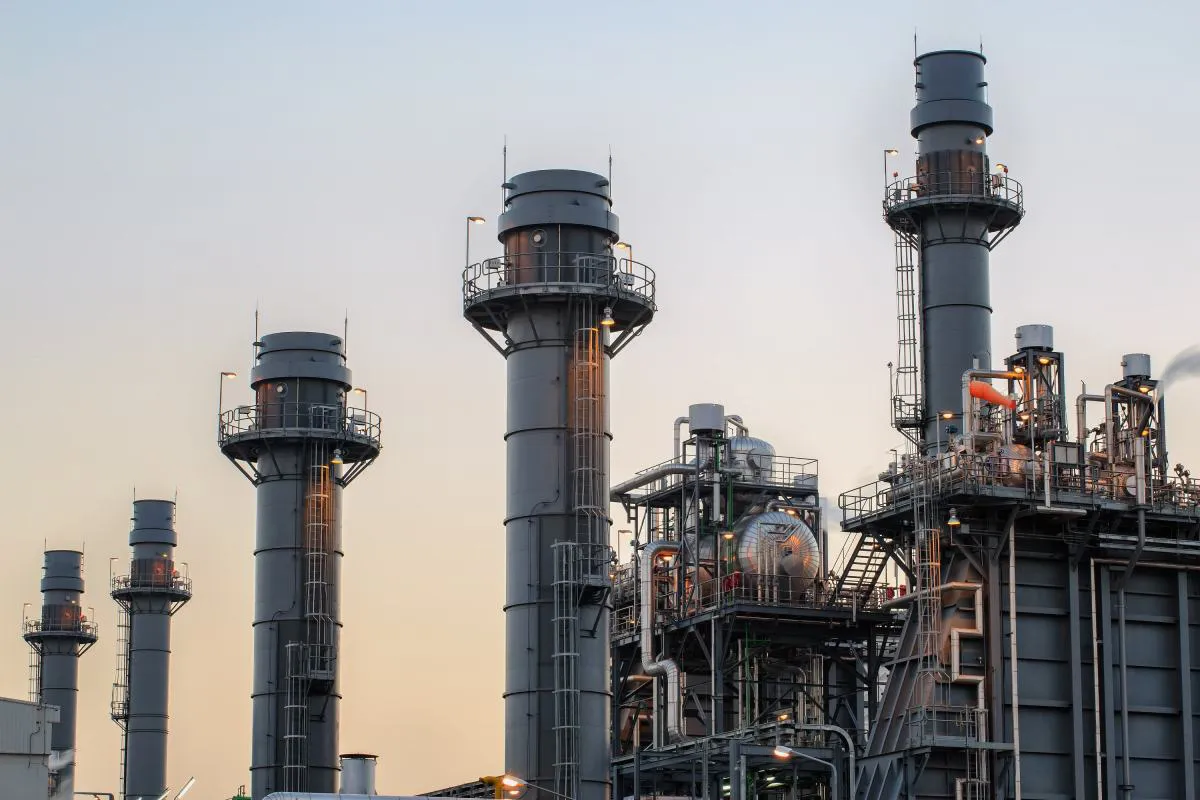
The technology sector's relentless growth often comes with significant environmental implications, particularly in the realm of energy consumption and carbon emissions. A case in point is Amazon's planned data center in Pecos County, Texas, which has raised alarms as it could become the largest source of climate pollution in the United States. According to reports, the associated on-site power plant will burn natural gas, with a permit allowing it to release a staggering 33 million tons of carbon dioxide annually, surpassing emissions from any other power plant in the country.
This development not only contradicts Amazon's public commitments to sustainability but also highlights the precarious balance between technological advancement and environmental responsibility. As data centers proliferate to support our increasingly digital lives, the associated environmental costs are becoming more pronounced.
Understanding the Scale of Amazon's Data Center
Amazon’s investment in the Pecos County data center is part of its broader strategy to expand its cloud computing capabilities. Data centers are crucial for cloud services, hosting everything from websites to applications and databases. However, they are also notorious for their energy demands. The planned facility aims to bolster Amazon Web Services (AWS), which has become a backbone for countless businesses and has seen rapid growth due to the rise of remote work and digital services.
To understand the implications of this venture, consider the following:
- Energy Consumption: Data centers are estimated to consume about 1-2% of global electricity, and this demand is only expected to increase.
- Carbon Emissions: The emissions from the Amazon facility alone could dwarf those of many industrial sectors, raising questions about accountability and sustainability.
- Local Impact: The facility's energy needs could strain local power grids and potentially lead to higher electricity costs for residents, sparking political and social opposition.

The Environmental Stakes
Amazon’s spokesperson has claimed that the on-site power generation would not raise electricity costs for Texas families. However, this assertion is met with skepticism by environmental advocates and local communities. The reliance on natural gas, a fossil fuel, raises concerns about long-term sustainability and the clash between immediate economic benefits and environmental degradation.
The crux of the issue lies in the growing reliance on fossil fuels to power data centers, even as the industry as a whole is under increasing pressure to transition to renewable energy sources. Critics argue that investing in large natural gas plants, as Amazon is doing, is a step backward in the fight against climate change. For a company that has pledged to achieve net-zero carbon emissions by 2040, this move appears contradictory.
AI's Role in Amazon's Carbon Footprint
Interestingly, the rise of artificial intelligence (AI) has already begun to impact Amazon’s carbon emissions. The company reported a 16% increase in emissions last year, a troubling trend given its climate commitments. AI technologies, while offering efficiencies in various business processes, also demand significant computing power, which can exacerbate energy consumption.
As Amazon and other tech companies increasingly adopt AI-driven solutions, the environmental implications of this technology must be carefully considered. For instance, training advanced machine learning models requires vast amounts of computational resources, leading to higher energy consumption and, consequently, increased carbon emissions. It’s a classic case of needing to weigh the benefits of technological advancement against environmental costs.

Political and Social Backlash
The implications of Amazon's data center project extend beyond environmental concerns. Local political dynamics are shifting as community members voice their opposition to the potential rise in electricity costs and the environmental impact of the facility. Data centers are increasingly facing scrutiny, not just for their carbon footprints, but also for their influence on local energy markets.
In areas where data centers proliferate, residents may see their energy costs rise as demand for electricity increases. This situation can incite local governments and advocacy groups to challenge such projects, leading to legal battles and public protests. As communities become more aware of climate issues, they are less likely to accept large industrial projects without rigorous scrutiny and accountability.
What Can Be Done?
For stakeholders—from local residents and politicians to tech companies and environmental advocates—navigating the complexities of data center development requires a multi-faceted approach. Here are some steps that can be taken:
- Push for Renewable Energy: Advocating for renewable energy sources to power data centers can mitigate environmental impacts and align with climate goals.
- Enhance Transparency: Tech companies should be transparent about their energy sourcing and carbon emissions, allowing stakeholders to hold them accountable.
- Community Engagement: Involving local communities in the decision-making process can help align corporate growth with the needs and values of residents.
Key Takeaways
- Amazon's Pecos County data center could become the largest climate polluter in the U.S., with emissions exceeding 33 million tons of CO2.
- The project raises questions about the sustainability of tech companies and their energy consumption, especially in light of climate commitments.
- Community opposition is growing as concerns about rising electricity costs and environmental impacts become more pronounced.
- The rise of AI technologies is contributing to an increase in Amazon's carbon emissions, challenging the company's sustainability goals.
Frequently Asked Questions
What is the environmental impact of data centers?
Data centers are significant energy consumers, accounting for approximately 1-2% of global electricity use. Their reliance on fossil fuels can lead to substantial carbon emissions, making them a focal point in discussions about climate change. As demand for cloud services grows, so does the energy consumption of these facilities, prompting calls for a shift to renewable energy sources.
Why is there political opposition to Amazon's data center?
Local communities are concerned about the potential rise in electricity costs and the environmental impact of the data center's emissions. Political leaders and residents are increasingly scrutinizing large industrial projects, particularly those that may exacerbate climate change or strain local resources. This opposition reflects a broader societal shift toward prioritizing sustainability and environmental responsibility.
How does AI affect Amazon's carbon footprint?
The integration of AI technologies in Amazon's operations has led to a significant increase in energy consumption, contributing to a reported 16% rise in carbon emissions last year. While AI offers many efficiencies, the computational power required for advanced machine learning models poses challenges for sustainability efforts, necessitating a careful balance between innovation and environmental impact.
Comments
Situational Awareness Hedge Fund Bets Big on Chip Startup with $400M Investment
Despite recent challenges, Situational Awareness hedge fund makes a bold move by investing $400 million in Source Foundry, a chip startup focused on innovation in manufacturing. This article explores the implications of this investment and the future of AI in semiconductor technology.

Related articles




Popular in Cloud Computing
- SK Hynix's Historic $26.5 Billion IPO: A New Era for Memory Chips
- Kubernetes and the Future of Desktop Infrastructure: A Paradigm Shift
- Amazon Expands Partnership with Nvidia, Tripling GPU Orders Amid AI Demand Surge
- Elon Musk's Evolving Relationship with Anthropic: A New Era for AI Hosting
- Emerging Rocket Launches: A New Era for Space Exploration